Best Time of Year to Catch Bass at Clarks Hill, Georgia
Many anglers, especially those new to its vast expanse, often find themselves staring at the immense waters of Clarks Hill Lake, wondering when the best time of year truly is to tangle with its legendary bass. It's a common frustration, feeling like you're throwing darts in the dark on such a massive body of water. This guide is here to unravel the seasonal mysteries of bass fishing at Clarks Hill (officially known as J. Strom Thurmond Reservoir), giving you the insider knowledge to plan your trips for maximum success, no matter what month the calendar shows.
Understanding Clarks Hill Lake's Bass Fishery
Clarks Hill Lake, nestled on the border of Georgia and South Carolina, is a sprawling reservoir fed by the mighty Savannah River. Its sheer size and diverse underwater landscape can be intimidating, but understanding its unique characteristics is the first step to consistently catching bass here.
A Vast and Diverse Reservoir
Clocking in at approximately 71,000 acres, Clarks Hill is one of the largest lakes in the Southeast. This isn't just a big pond; it's a complex ecosystem featuring rocky main lake points, miles of standing timber, countless brush piles, submerged roadbeds, and intricate creek channels. All these elements create an almost endless array of habitats for bass to call home throughout the year. The constant flow from the Savannah River also plays a significant role, influencing water clarity, temperature, and current patterns, which in turn dictate where bass will be and how they'll behave. Anglers who take the time to study maps and understand the contours of the lake, especially the old river and creek beds, often find the most consistent success.
Key Bass Species in Clarks Hill
When you're targeting bass at Clarks Hill, you're primarily looking for two species: Largemouth Bass and Spotted Bass. Each has its own habits and preferred haunts, which is important to consider as the seasons change.
- Largemouth Bass: These are the classic "bucketmouths" that anglers dream of, known for their aggressive strikes and powerful fights. At Clarks Hill, Largemouth tend to relate more to visible cover like docks, lily pads (in some backwater areas), brush piles, and shallow timber. They're often found in the shallower, warmer sections of the lake during feeding periods.
- Spotted Bass: While not reaching the trophy sizes of Largemouth, Spotted Bass are incredibly fun to catch and are often more abundant. They typically prefer deeper, clearer water and are strongly attracted to hard structure like rocky points, humps, and deep ledges. You'll often find them schooling in open water, chasing baitfish, especially during the warmer months. Understanding the subtle differences between these two species, like those highlighted in our guide on Largemouth Bass vs Spotted Bass: How to Tell Them Apart in Georgia, can drastically improve your targeting strategy.
Factors Influencing Bass Behavior
Successful bass fishing at Clarks Hill is a constant dance with environmental factors. Ignoring these elements is a surefire way to come home empty-handed.
- Water Temperature: This is arguably the most critical factor. Bass are cold-blooded, and their metabolism, feeding activity, and spawning urges are directly linked to water temperature. We'll dive into how specific temperature ranges define each season's patterns.
- Forage Availability: Clarks Hill is rich with baitfish, primarily threadfin shad and blueback herring, along with various species of sunfish. Bass will always be where the food is, so understanding baitfish movements is paramount.
- Water Clarity: Heavy rains can muddy parts of the lake, while other areas might remain clear. Bass react differently to various clarity levels; in stained water, they often move shallower and rely more on vibration and scent, while in clear water, they might prefer deeper cover and more subtle presentations.
- Lake Levels: Clarks Hill is a reservoir, and its water levels can fluctuate. High water can flood new cover, drawing bass into previously inaccessible areas, while low water concentrates them around remaining structure. Keeping an eye on Army Corps of Engineers lake level reports is a smart move. Our comprehensive guide on How Water Temperature Affects Fish Behavior delves deeper into these critical environmental influences.
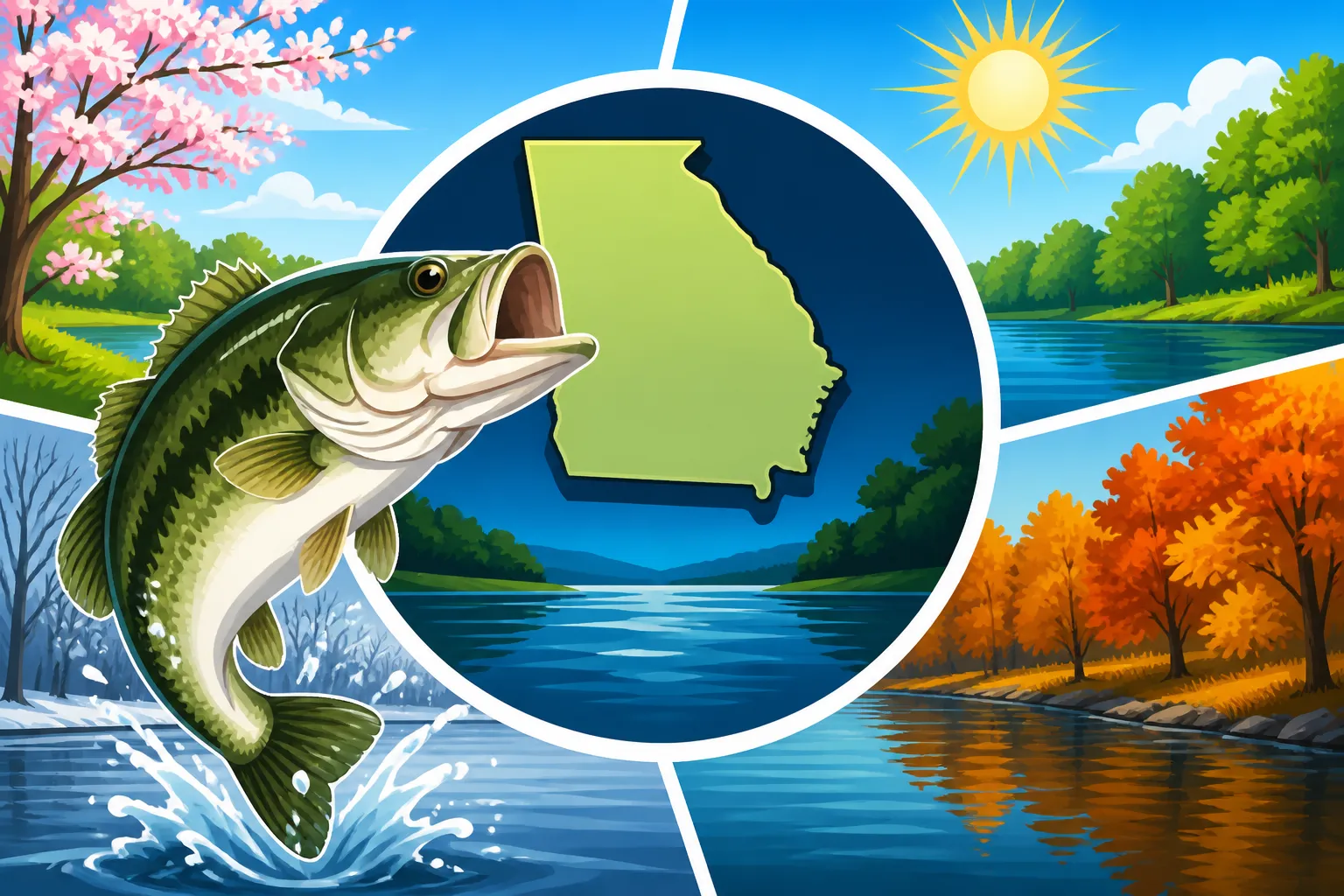
Spring: The Spawning Frenzy
Ah, spring! This is arguably the most anticipated time of year for bass anglers at Clarks Hill. As the water begins to shed its winter chill, the bass awaken with an undeniable urge to feed and procreate.
Pre-Spawn Build-Up (Late February – March)
As winter begins to lose its grip and water temperatures creep into the 50-60°F range, bass start to stir. This is the pre-spawn period, and it's a time of intense feeding as bass gorge themselves in preparation for the upcoming spawn. They'll begin moving from their deep winter haunts to secondary points, creek channel bends, and shallower staging areas near where they intend to spawn.
This is a fantastic time for aggressive presentations. Lipless crankbaits, jerkbaits, and spinnerbaits are incredibly effective as bass are willing to chase down a meal. Look for them concentrated around submerged timber on points leading into creeks, or along the edges of grass beds if you can find them. Productive areas often include the backs of major creeks like Soap Creek, Little River, and Beaverdam Creek, where bass stage before moving into shallower pockets. The fish are often fat and feisty, making for some truly memorable catches. If you're looking for specific spots, check out our insights on the Best Spring Bass Fishing Spots on Clarks Hill Lake, Georgia.
The Spawn (Late March – April)
When water temperatures consistently hit the 60-70°F mark, the spawn is on! Bass, particularly Largemouth, move into shallow coves and pockets, often in less than five feet of water, to build and guard their nests. You'll find them around visible cover such as docks, shallow brush, fallen trees, and even subtle changes in bottom composition.
During this period, targeting bass can involve a mix of techniques. Soft plastics, like Senkos, lizards, and creature baits, pitched or Texas-rigged into likely spawning areas, are deadly. Swim jigs can also entice a strike from a territorial bass. If the water clarity allows, sight fishing for bass on their beds can be an exciting, albeit challenging, endeavor. It can be frustrating when they're locked on beds and seem uninterested in anything but defending their territory from perceived threats, but a persistent presentation can often trigger a reaction strike. Understanding When Largemouth Bass Spawn on Georgia's Lakes is key to timing this exciting period.
Post-Spawn Recovery (Late April – May)
As the spawn winds down and water temperatures push into the 70°F+ range, bass enter the post-spawn recovery phase. Exhausted from guarding nests and laying eggs, many fish will move to slightly deeper, yet still shallow, cover adjacent to their spawning grounds. They're often lethargic immediately after the spawn but quickly regain their appetite.
This is a transition period where bass are recovering but still actively feeding. Early morning and late evening can be prime times for topwater lures like poppers and walking baits, especially around shaded banks or floating debris. Weightless worms, shaky heads, and small crankbaits are also excellent choices for enticing bites from recovering bass. They might not be as aggressive as in the pre-spawn, but they're actively looking for an easy meal as they regain their strength.
Summer: Deep Water and Early Morning Bites
When the Georgia summer truly kicks in, Clarks Hill transforms into a different beast. The scorching sun and rising water temperatures push most bass into deeper, more comfortable zones. This is where your electronics and understanding of thermoclines become absolutely indispensable.
The Summer Blues (June – August)
From June through August, water temperatures in the main lake can easily hit 80°F and beyond. This sends bass seeking refuge in cooler, deeper waters, often congregating around main lake points, humps, ledges, and deep creek channels. They'll relate tightly to structure, looking for areas with current breaks or access to deeper water.
Summer fishing can really test your patience at Clarks Hill, requiring anglers to adopt slower, more methodical approaches. Deep diving crankbaits, shaky heads, Carolina rigs, and drop shots are staple techniques for probing these deeper areas. While the overall bite might slow down during the heat of the day, the early morning topwater bite can be absolutely explosive before the sun climbs too high. Look for schooling bass chasing baitfish on the surface, particularly around main lake points or humps near the river channel. Our guide on Summer Fishing Patterns on Georgia's Big Lakes provides a broader context for this challenging yet rewarding season.
Finding the Thermocline
One of the most crucial concepts for summer bass fishing at Clarks Hill is the thermocline. This is a distinct layer of water where the temperature changes rapidly with depth, separating the warmer surface water from the colder, deeper water. Fish often find their comfort zone just above or within this thermocline, as it typically offers the ideal combination of oxygen and temperature.
Your fish finder is your best friend here. Brands like Garmin and Humminbird offer excellent units that can clearly display the thermocline, appearing as a distinct band on your sonar screen. Once you locate this layer, focus your efforts on structures that intersect it, or on baitfish and bass suspended at that depth. Precision casting and boat positioning are paramount to keeping your lures in the strike zone. Many anglers find great deals on these essential electronics on Amazon.
Night Fishing Opportunities
As the sun sets and the surface water cools slightly, bass often move shallower under the cover of darkness. Night fishing at Clarks Hill can be incredibly productive during the summer, offering a reprieve from the heat and often resulting in bigger bites. Bass will move up onto humps, points, and even into shallow coves that were too hot during the day.
Buzzbaits, large worms, and spinnerbaits are effective night-time offerings. Targeting areas under dock lights can also be a goldmine, as these lights attract baitfish, which in turn attract hungry bass. Just be sure to bring all your necessary safety gear and understand the lake's navigation lights when heading out after dark.
Fall: The Feeding Blitz
As summer's oppressive heat gives way to cooler autumn air, Clarks Hill undergoes another dramatic transformation. Fall is often considered one of the best times of year to catch bass, as fish enter an aggressive feeding period in preparation for winter.
Cooling Waters and Baitfish Migration (September – October)
When water temperatures start dropping, typically into the 70-60°F range, bass really turn on. This coincides with a crucial event: the baitfish migration. Shad and herring, which spent the summer in deeper, cooler water, begin moving into shallower creeks and coves to feed on plankton blooms. The bass follow them closely, creating a fantastic opportunity for anglers.
This is a prime time for reaction baits. Crankbaits (both shallow and medium divers), spinnerbaits, jerkbaits, and topwater lures can be incredibly effective. Look for schooling fish breaking the surface, often indicated by diving birds. Target creek mouths, main lake points, and broad flats where baitfish congregate. The bass are actively chasing, so covering water and making aggressive presentations can yield impressive results. Our guide on Fall Bass Fishing Patterns on Georgia's Lakes elaborates on this exciting period.
Following the Shad and Herring
Understanding the movements of baitfish is never more critical than in the fall. As the water cools, these vital forage species move en masse from the main lake basin into the major creeks and their tributaries. Bass will be right on their heels, creating opportunities for some incredible schooling action.
Pay close attention to humps and points at the mouths of creeks, and then follow the bait as it moves further back into the creek arms. Your fish finder will again be invaluable for spotting schools of baitfish, and where you find the bait, you'll almost certainly find the bass. The chase is on, and being in the right place at the right time can lead to non-stop action.
Topwater Action
If you love a good topwater bite, fall at Clarks Hill is your season. When bass are actively busting shad on the surface, few things are more thrilling than watching a big Largemouth or Spotted Bass erupt on your lure. Poppers, walking baits, and even buzzbaits can all be effective.
These surface feeding frenzies often occur early in the morning, late in the evening, or on cloudy days. Keep a keen eye out for any surface disturbance – splashing, jumping baitfish, or diving seabirds – as these are sure signs of bass activity. Have a topwater rod rigged and ready to cast quickly into the commotion.
Winter: Slow and Steady
Winter fishing at Clarks Hill isn't for the faint of heart; it requires a lot of patience and precision. While some anglers pack away their gear, those willing to brave the cold can be rewarded with some truly exceptional catches, often including the biggest bass of the year.
Deep and Lethargic (November – February)
As water temperatures plummet into the 50°F and below range, bass become significantly less active. Their metabolism slows down, and they'll move to deep, stable environments where they can conserve energy. Think main lake humps, creek channel swings, deep timber, and subtle depth changes near the river channel.
During this period, slow presentations are absolutely key. Forget the fast-moving crankbaits; instead, reach for jigging spoons, Alabama rigs, shaky heads, and football jigs. These baits are designed to be fished slowly, mimicking sluggish baitfish or crawfish. The bites will often be very subtle, feeling like a slight "thump" or just added weight on your line. You'll need to be hyper-focused and patient, but the reward can be a monster bass that's concentrated in predictable wintering holes.
The Importance of Electronics
In winter, your boat's electronics go from being helpful to absolutely essential. Locating those subtle deep-water humps, creek channel drops, and isolated brush piles where bass are holding is nearly impossible without a quality fish finder and detailed mapping. Brands like Humminbird, Lowrance, and Garmin offer excellent side-imaging and down-imaging capabilities that can reveal hidden structure and suspended fish. Investing in a good unit and learning how to use it effectively will dramatically increase your winter success. Many anglers scour sites like Amazon for deals on new gear for the upcoming season.
Targeting Spotted Bass
While Largemouth tend to become quite lethargic in cold water, Spotted Bass often remain more active and aggressive. They are naturally more comfortable in deeper, open water environments and will frequently continue to school around deep structure. If you're struggling to find Largemouth, targeting Spotted Bass with smaller jigging spoons, drop shots, or even a slow-rolled Alabama rig can be a fantastic alternative. They still pack a punch, even in the cold! Our guide on Spotted Bass Fishing in Georgia Lakes and Rivers offers more insights into this exciting species.
Seasonal Bass Fishing Summary at Clarks Hill Lake
To help you quickly visualize the prime times and techniques, here's a table summarizing the best of bass fishing at Clarks Hill throughout the year.
| Season | Water Temperature (Approx.) | Bass Behavior | Key Locations | Recommended Lures/Techniques |
|---|---|---|---|---|
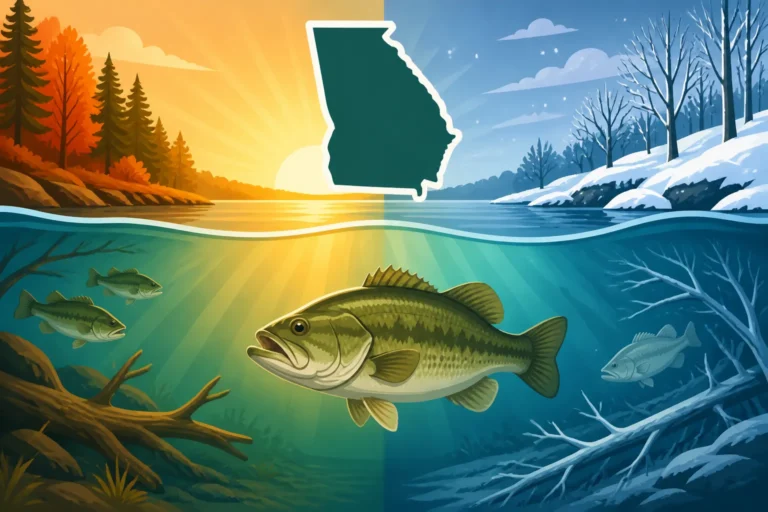
| Spring | 50-70°F | Pre-spawn feeding, spawning, post-spawn recovery | Secondary points, creek channels, shallow coves | Crankbaits, Jerkbaits, Spinnerbaits, Soft Plastics, Jigs |
| Summer | 75-85°F | Deep water retreat, early/late feeding | Main lake points, humps, ledges, deep creek channels | Deep Diving Crankbaits, Carolina Rigs, Drop Shots, Topwater (dawn/dusk) |
| Fall | 60-70°F | Aggressive feeding, baitfish chase | Creek mouths, main lake points, shallow flats | Crankbaits, Spinnerbaits, Jerkbaits, Topwater |
| Winter | 45-55°F | Deep and lethargic, schooling | Deep humps, channel swings, isolated timber | Jigging Spoons, Alabama Rigs, Shaky Heads, Football Jigs |
Conclusion
Clarks Hill Lake offers phenomenal bass fishing opportunities year-round, but truly maximizing your success means understanding how the bass adapt to the changing seasons. From the frenetic spawning activity of spring to the patient, deep-water game of winter, each season presents its own unique challenges and rewards. Arm yourself with the right knowledge, the appropriate gear (which you can often find a great selection of on Amazon), and a healthy dose of patience, and you'll be well on your way to experiencing the incredible bass fishery that Clarks Hill has to offer. Remember to always check current Georgia Fishing Regulations Explained before heading out. Happy fishing!
Disclaimer
Fishing conditions and regulations can change rapidly. Always consult the Georgia Department of Natural Resources (DNR) for the most up-to-date information on licenses, creel limits, and size restrictions before planning your fishing trip. This guide is for informational purposes only and should not be considered a substitute for official regulations or professional advice.