Channel Catfish vs Blue Catfish: Key Differences
Channel catfish and blue catfish physical differences, detailing anal fin ray counts of twenty four to thirty six and body shapes.
Know what’s on the line.
Gamefish and panfish profiles — identification, behavior, feeding habits, and species-specific strategies for every catch.
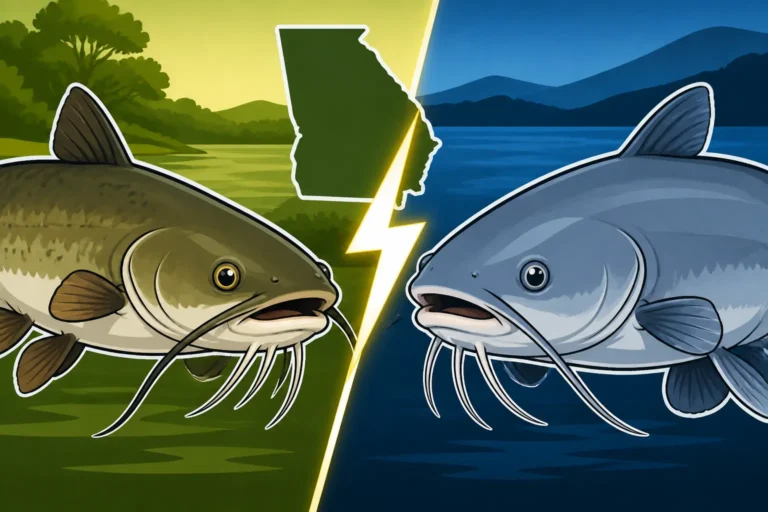
Channel catfish and blue catfish physical differences, detailing anal fin ray counts of twenty four to thirty six and body shapes.
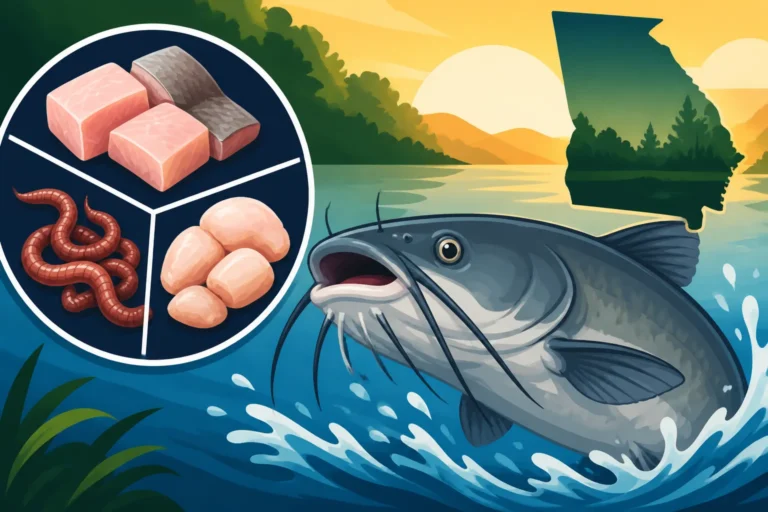
Channel catfish habits in Georgia waters, seasonal feeding patterns, and specific baits for consistent success on the water.
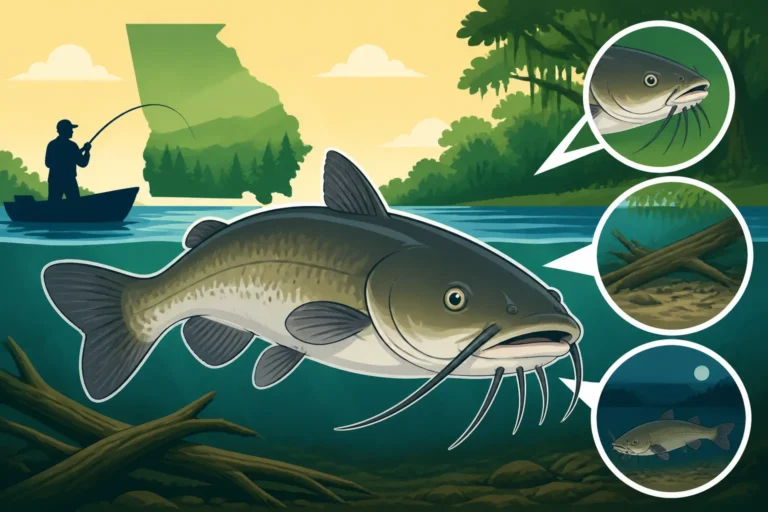
Channel catfish identification details, physical characteristics, Georgia size expectations, and preferred freshwater habitats explained for anglers.
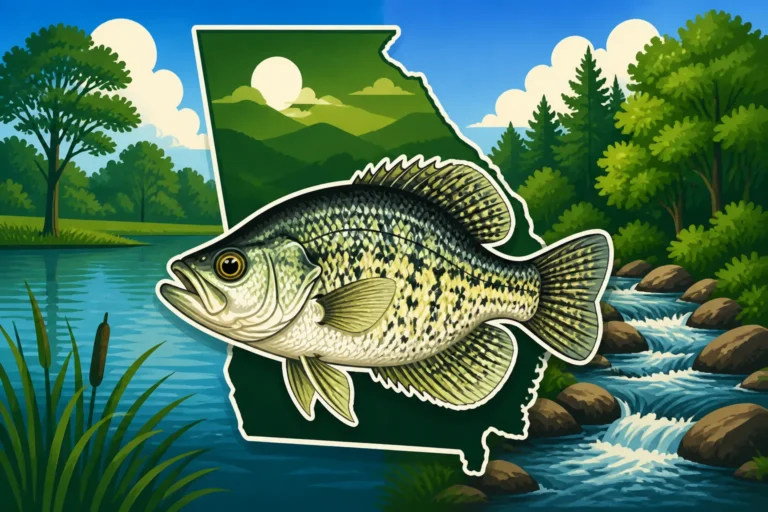
Georgia crappie fishing spots in ponds and streams offer black and white crappie populations for anglers seeking panfish.
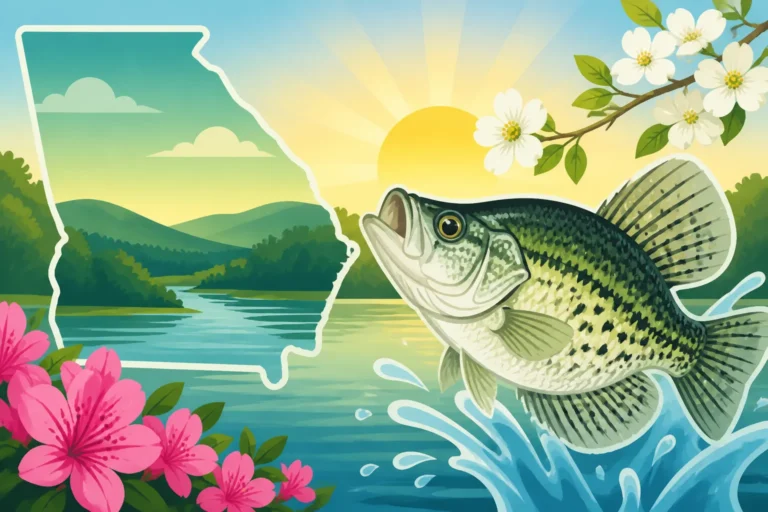
Spring crappie fishing in Georgia offers prime opportunities because rising water temperatures trigger aggressive feeding and shallow spawning behavior.
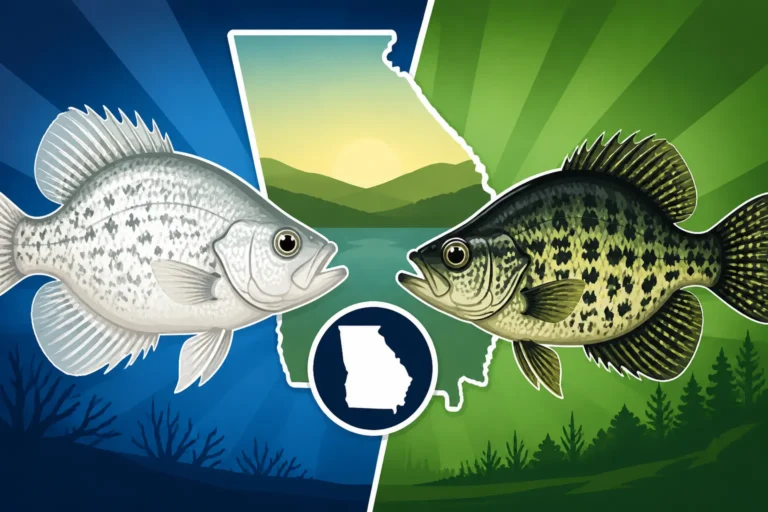
White crappie and black crappie size differences in Georgia waters, including identification traits and growth patterns.
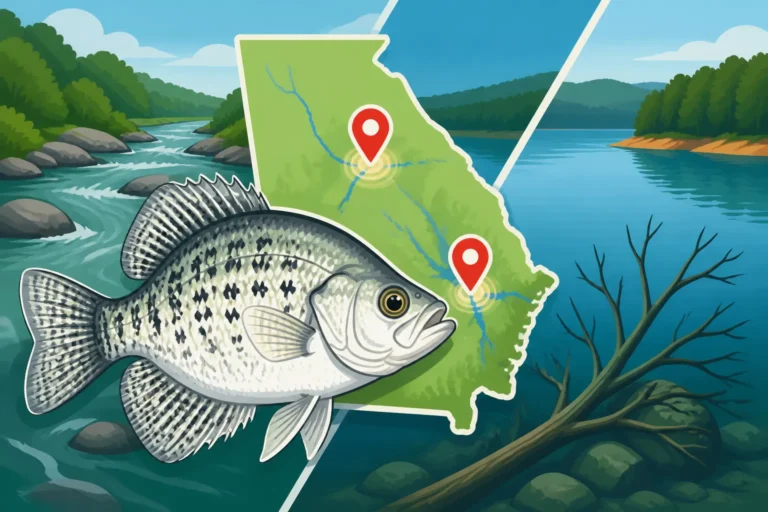
White crappie habitats in Georgia rivers and reservoirs include slow pools, deep creek channels, brush piles, and submerged timber.
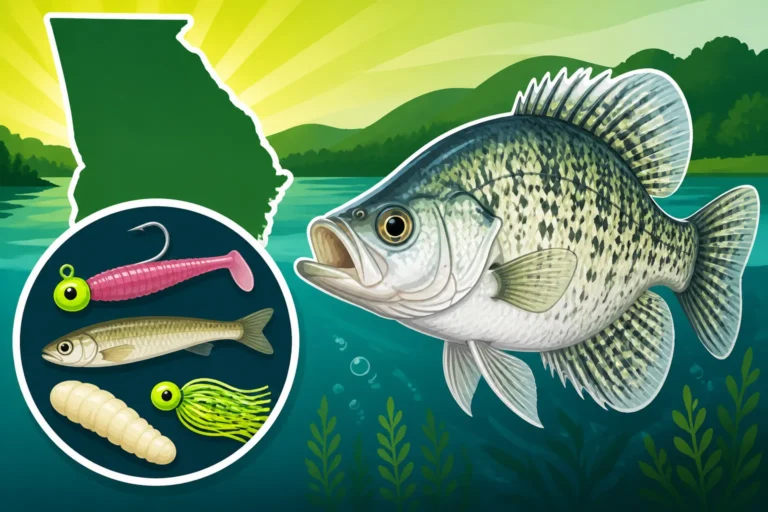
White crappie feeding habits change seasonally in Georgia lakes like Sinclair and Oconee, requiring specific live bait presentations.
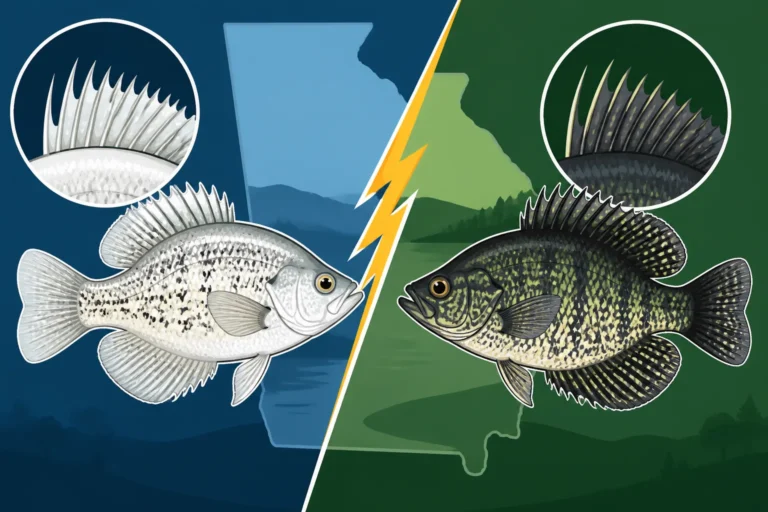
White crappie dorsal fin spine counts and anal fin measurements provide reliable methods to identify fish in Georgia waters.
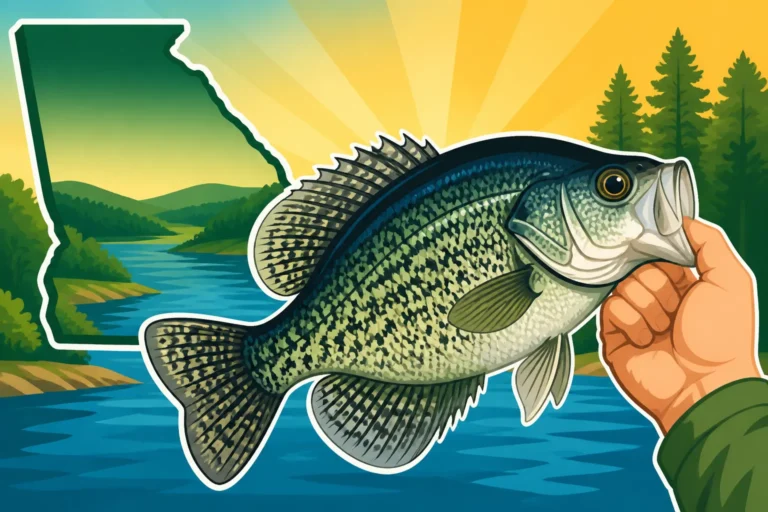
Black crappie sizes in Georgia ponds range from six to ten inches, while reservoirs produce fish from eight to thirteen inches.