Best Bait for White Crappie in Georgia
You've probably found yourself staring at a tackle box full of options, or a bait shop cooler, wondering what in the world white crappie really want to bite in Georgia. It can be incredibly frustrating to hit the water, whether it's Lake Sinclair or Lake Oconee, with high hopes, only to find the crappie acting completely disinterested in your offerings. This guide is here to cut through the confusion and give you the real scoop on the best baits for white crappie across our beautiful state, helping you fill your cooler with those tasty fillets.
Understanding White Crappie Behavior and Diet
Before we even talk about specific baits, it's crucial to get inside the head (or rather, the stomach) of a white crappie. These fish aren't just going to bite anything that hits the water. Their feeding habits are heavily influenced by the seasons, water conditions, and what natural food sources are abundant. Knowing these factors is your first step to choosing the right bait and presentation.
Seasonal Influences on Crappie Feeding
White crappie, much like us, have different moods and priorities depending on the time of year. What works in the spring might be completely ignored in the summer, and vice-versa. It’s all about understanding their lifecycle throughout the year.
In spring, especially during the spawn, white crappie move into shallower waters, typically around submerged brush, docks, or even lily pads. They're often aggressive, protecting nests and feeding heavily to regain energy. This is a prime time for active presentations, as they're more willing to chase down a meal. As the water warms, their metabolism picks up, and they'll be on the prowl for a good bite.
Come summer, as the Georgia heat kicks in, crappie tend to seek out deeper, cooler water. They'll often suspend over brush piles, channel edges, or around deeper structure, trying to escape the intense sun. Their feeding can become more sporadic, often preferring low-light conditions like dawn, dusk, or even night. You'll need to get your bait down to them and offer it patiently.
Fall is a fantastic time for crappie fishing as they start to bulk up for winter. They might be a bit more scattered than in spring, but they're actively feeding. You'll often find them transitioning between deeper and shallower water, following baitfish that are doing the same. Look for them around structure that offers access to both depths.
Finally, in winter, crappie metabolism slows down significantly. They'll often school up tightly in deep water, suspending around thermal breaks or substantial cover. A slower, more subtle presentation is usually key, as they won't expend much energy to chase a fast-moving meal. Understanding Winter Fishing Patterns on Georgia's Reservoirs can be crucial here.
Natural Forage of White Crappie
What do white crappie eat when we're not trying to entice them with our hooks? Their diet consists mainly of smaller baitfish, insect larvae, and tiny crustaceans. Minnows, especially threadfin shad and gizzard shad, are a staple in their diet in many Georgia lakes and rivers. This natural preference is why minnows are such a consistent crappie catcher.
They also feast on aquatic insects and their larvae, particularly in areas with abundant vegetation. Crayfish, small invertebrates, and even smaller panfish can sometimes be on the menu for larger crappie. When choosing your bait, always think: "Does this look like something a crappie would naturally eat?" If you can mimic their natural food sources, you're already halfway to success. Understanding these preferences helps explain why certain baits are so effective and others, not so much.
Top Live Baits for White Crappie in Georgia
When it comes to consistently catching white crappie, especially those bigger slabs, live bait often reigns supreme. There’s just something about natural movement and scent that can trigger a bite when artificials fail.
Minnows: The All-Time Champion
If there's one bait that every crappie angler in Georgia should have in their arsenal, it's the minnow. They are, without a doubt, the king of crappie baits. The reason is simple: minnows are a primary food source for crappie, mimicking exactly what they naturally hunt. The natural movement, flash, and scent of a live minnow are incredibly enticing.
You'll typically find several types of minnows at local bait shops, like fathead minnows or golden shiners. Fatheads are generally smaller and a good all-around choice. Golden shiners can be a bit larger and are excellent for targeting bigger crappie. The key is to keep them lively. A good aerated bait bucket is essential. Many anglers even find small portable aerators and bait buckets on sites like Amazon that keep their minnows kicking throughout a long day on the water.
When it comes to rigging, you have options. A common method is to lightly hook the minnow through the lips, which allows it to swim naturally. Another technique is to hook it just behind the dorsal fin, making it look like an injured baitfish, which can trigger an aggressive strike. You can fish minnows under a slip bobber at a precise depth, tight-line them straight down to suspended fish, or even use them in a spider rigging setup, presenting multiple baits at once. Remember, a lively minnow is a productive minnow. For more on this, check out How to Rig a Minnow for Crappie.
Worms and Crickets: When to Use Them
While minnows are usually the first choice, don't completely discount worms and crickets, especially if you're fishing in murky water or targeting a mixed bag of panfish.
Worms, particularly small red worms or pieces of nightcrawlers, can sometimes coax a bite out of finicky crappie, especially if the water is a bit stained or if crappie are feeding on bottom-dwelling invertebrates. They offer a strong scent trail, which can be an advantage in low visibility. However, they generally don't have the same universal appeal for crappie as minnows do, as crappie are primarily piscivorous (fish-eating). You might find bluegill and shellcrackers hitting them more often, but a crappie won't always pass up an easy worm meal, particularly if it's slowly drifted or suspended near them.
Crickets, on the other hand, are a fantastic bait if you're fishing for smaller crappie or if you're out with kids and aiming for a fun day catching anything that bites, including bluegill and other sunfish. Crickets are readily available and easy to handle. Hook them gently through the collar, and fish them under a small bobber, especially around shallow cover. While perhaps not the go-to for trophy crappie, they can certainly fill a cooler with panfish, which often include decent sized crappie. If you're struggling with minnows or just want a change of pace, these natural baits are worth having on hand.
Artificial Baits That Consistently Catch White Crappie
Sometimes, live bait isn't practical, or you just prefer the challenge and action of artificials. The good news is that many artificial lures are incredibly effective for white crappie, offering versatility in presentation and color.
Jigs: Versatility is Key
Jigs are arguably the most versatile and popular artificial bait for crappie, and for good reason. They come in an endless array of styles, sizes, and colors, allowing you to match almost any fishing condition. You can find them with soft plastic bodies, hair, or even feathers.
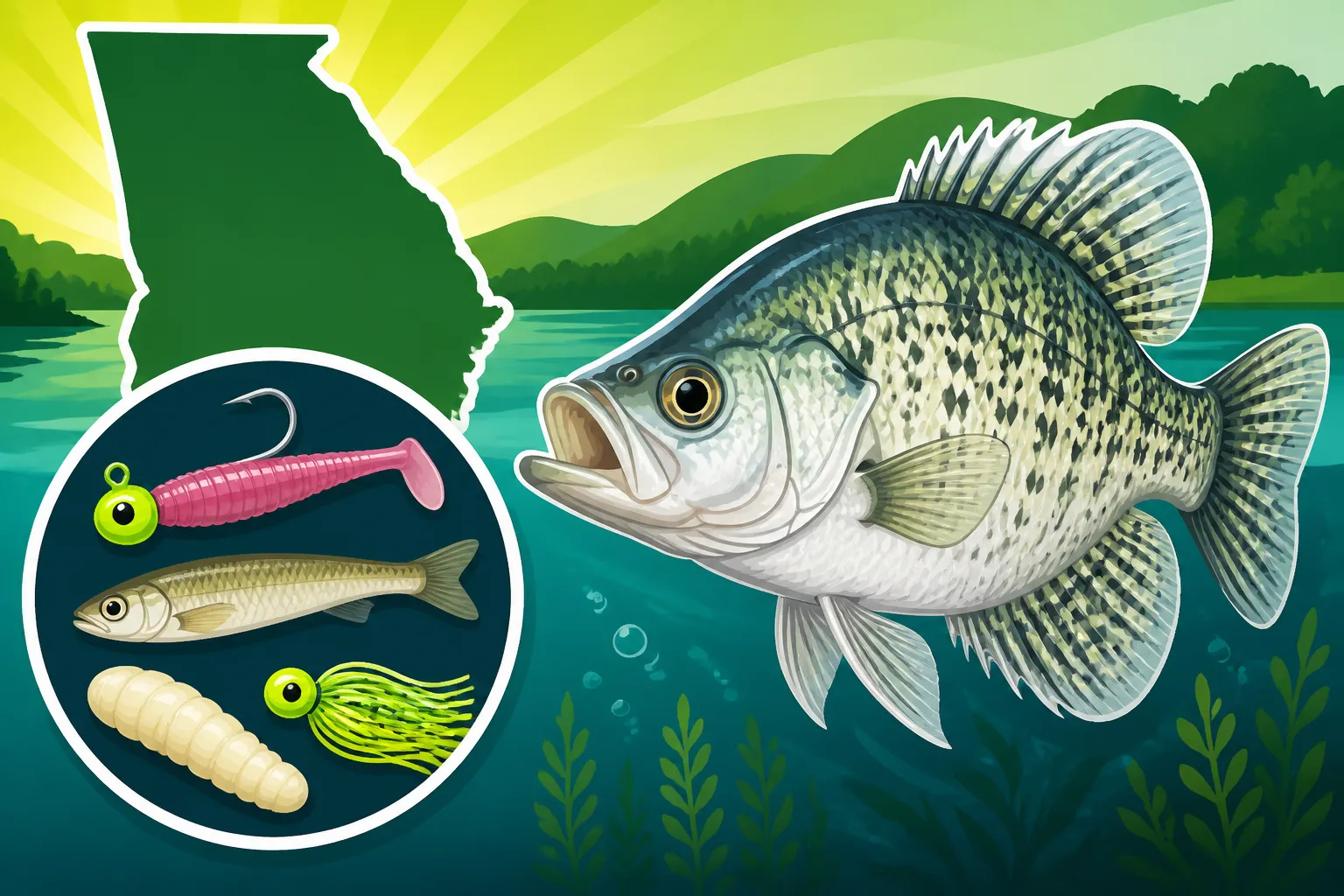
- Tube Jigs and Curly Tail Grubs: These are staples. Tube jigs, with their hollow bodies, mimic small baitfish or insect larvae. Curly tail grubs, with their pulsating tails, create irresistible action even on a slow retrieve. Sizes typically range from 1/32 oz to 1/8 oz, sometimes heavier for deep water.
- Hair Jigs and Marabou Jigs: These offer a more subtle, natural action. The soft fibers breathe in the water, making them look incredibly lifelike with minimal movement. They are particularly effective when crappie are finicky or in clear water.
- Colors: White, chartreuse, black/chartreuse, pink, and various natural baitfish patterns (like silver and blue) are go-to colors. Best Jig Colors for Crappie Fishing can depend heavily on water clarity and light conditions. Brighter colors for stained water, more natural for clear.
Jigging Techniques:
- Vertical Jigging: This involves dropping your jig directly down to where crappie are holding, often right on top of a brush pile. Small lifts and drops are all it takes.
- Casting and Retrieving: Cast near cover and slowly reel it back, imparting subtle twitches.
- Under a Bobber: Suspend a jig under a bobber at a specific depth, allowing the wind or current to give it action. This is a fantastic way to cover water and maintain depth.
Many anglers stock up on a variety of crappie jigs and jig heads from online retailers like Amazon, ensuring they have the right tool for any situation.
Small Crankbaits and Blade Baits
While jigs are king, sometimes crappie are more active and willing to chase a faster-moving lure. This is where small crankbaits and blade baits shine. These aren't just for bass; crappie love them too!
- Small Crankbaits: Look for tiny crankbaits, usually 1-2 inches long, that mimic small shad or minnows. Colors like chrome, silver, or shad patterns are excellent. These lures dive to specific depths, making them great for targeting crappie suspended at a certain level or actively feeding along a contour. Retrieve them with a steady reel, maybe adding a slight pause or twitch to trigger a strike. They're especially effective when you need to cover a lot of water quickly to find active fish.
- Blade Baits: These compact, vibrating lures (like a small Silver Buddy or Cicada) are fantastic for deep-water crappie. Their high vibration can attract fish from a distance, and their small profile perfectly imitates a fleeing baitfish. Cast them out, let them sink to the desired depth, and then vertically jig or rip them with short, sharp pulls, allowing them to flutter on the fall. They are particularly good for winter crappie schooling up in deeper holes or drop-offs.
These baits can be a bit more specialized than jigs, but when the conditions are right, they can lead to some incredible crappie action.
Soft Plastics and Micro Baits
Beyond traditional jigs, the world of soft plastics has expanded to include an incredible variety of micro baits perfect for crappie. These often offer a more realistic profile and action, especially when fished slowly and deliberately.
- Tiny Creature Baits: Think tiny crawfish imitations, larvae, or insect patterns. While crappie are fish-eaters, they'll also readily consume invertebrates. These baits, often rigged on a small jig head, can be deadly when crappie are feeding on smaller organisms.
- Small Swimbaits: These are essentially miniature versions of the larger swimbaits used for bass, typically 1.5 to 2.5 inches long. They have a paddletail that generates a natural swimming action, making them incredibly lifelike. Rig them on a light jig head and retrieve them steadily, or use a slow, undulating motion.
- Scented Options: Many soft plastics now come pre-scented or can be enhanced with crappie attractant. Scent can be a game-changer, especially in murky water or when fish are timid, giving them an extra reason to hold onto the bait longer, giving you more time to set the hook.
These finesse presentations are excellent for when crappie are pressured or just not very aggressive. They offer subtle movements and natural profiles that can fool even the wariest of slabs. Many crappie-specific soft plastics are readily available from various brands, and you can often find great deals on variety packs through retailers like Amazon to experiment with different shapes and colors.
Matching Bait to Conditions and Location
Having the best baits is one thing, but knowing when and where to use them is the real art of crappie fishing. The environment plays a huge role in what bait will be most effective.
Water Clarity and Color Selection
The clarity of the water you're fishing in dramatically impacts the best bait colors and even the type of bait you should use.
- Clear Water: In clear lakes or rivers, crappie rely heavily on sight. This means you want to use more natural, subtle colors like smoke, clear, pearl, or shad patterns. Translucent jigs or soft plastics that mimic the natural baitfish in the area are often best. A slow, precise presentation is also important, as crappie can easily spot an unnatural movement. Flash can be good, but too much can sometimes spook them.
- Stained or Murky Water: When the water is muddy or heavily stained, visibility is low, and crappie will rely more on their lateral line (to detect vibrations) and sense of smell. This is when bright, aggressive colors like chartreuse, orange, hot pink, or bright green really shine. The vibrant colors stand out in low light, making it easier for crappie to see your bait. Scented baits or adding an attractant to your artificials can also be incredibly effective here, providing a strong olfactory trigger for strikes. In these conditions, a bait that displaces more water, like a curly tail grub, might also be more detectable.
Always pay attention to the water color. What worked last week after a clear spell might not work this week after a heavy rain.
Depth and Structure Considerations
Crappie are notorious structure-oriented fish, and where they hold in the water column and what kind of structure they're near will dictate your bait choice and presentation.
- Shallow Brush Piles and Docks: In spring or early fall, crappie often hold in shallower brush or under docks, especially in 2-10 feet of water. Here, small jigs (1/32 or 1/16 oz) or minnows under a bobber are deadly. You want to present the bait slowly and precisely right into the cover. How to Find Crappie Around Brush Piles is essential reading for this type of fishing.
- Deep Brush Piles and Channel Edges: During summer and winter, crappie typically move deeper, suspending around brush piles in 15-30 feet of water, or along submerged channel edges. For these fish, you'll need heavier jigs (1/8 oz or more) to get down quickly, or use a tight-lining technique with minnows, dropping them vertically to the fish you see on your sonar. Small crankbaits or blade baits can also be effective for covering these deeper areas.
- Open Water Schools: Sometimes, especially in large reservoirs, crappie will suspend in open water, chasing schools of baitfish. When this happens, trolling with multiple rods, presenting jigs or small crankbaits at different depths, can be incredibly effective. This technique allows you to cover vast areas and find active schools.
Matching your bait to the depth and type of structure is critical. A bait that's too heavy for shallow cover will get hung up constantly, while a bait that's too light for deep water won't get down to the fish effectively.
Presentation Techniques for Success
Even the best bait won't catch fish if it's not presented correctly. Crappie are often subtle biters, and the way you work your bait is just as important as the bait itself.
- Slow and Steady: This is the golden rule for crappie. Unlike bass, which often react to aggressive movements, crappie generally prefer a slow, subtle presentation. Whether you're jigging, retrieving a grub, or trolling, a deliberate, unhurried motion is usually best.
- Vertical Jigging/Tight-lining: When fish are suspended directly below your boat, these methods are unbeatable. Drop your jig or minnow straight down to the fish's depth, using small twitches and pauses. Pay close attention to your line for the faintest tap or change in tension. How to Jig for Crappie in Deep Water details this perfectly.
- Spider Rigging: This technique involves using multiple rods, often from the front of the boat, to present several baits at various depths simultaneously. It's fantastic for covering water and figuring out the crappie's preferred depth and bait for the day. Each rod can have a different type of jig or a minnow, allowing for quick experimentation.
- Casting and Retrieving: When crappie are in shallower cover, casting a small jig or soft plastic and slowly reeling it back, with occasional pauses and twitches, can be very effective. Allow the bait to fall naturally near cover.
- Trolling: For open water or large flats, trolling with jigs or small crankbaits allows you to cover large areas and entice scattered fish. Vary your speed until you find what the crappie prefer. For a specific technique, look into How to Tightline for Crappie.
The table below offers a quick comparison of when to lean on live versus artificial baits for white crappie.
| Feature | Live Baits (Minnows, Worms) | Artificial Baits (Jigs, Cranks, Plastics) |
|---|---|---|
| Natural Appeal | High: Scent, natural movement, taste | Moderate to High: Mimics natural forage with action/color/scent |
| Effort to Maintain | High: Requires aerated bucket, keeping alive | Low: Ready to use, no special care needed |
| Cost | Varies: Can be purchased fresh, ongoing expense | Varies: One-time purchase, can be reused |
| Versatility | Good: Can be fished under bobber, tight-lined, trolled | Excellent: Wide range of sizes, colors, actions, depths |
| Best For | Finicky fish, slow bite, targeting larger crappie, cold water | Active fish, covering water, diverse conditions, experimenting |
| Skill Level | Beginner to Advanced | Beginner to Advanced |
Essential Gear for White Crappie Anglers
While bait is paramount, having the right supporting gear can make all the difference in your crappie fishing success. The subtle nature of a crappie bite often requires sensitive equipment to detect, and proper tools to present your chosen bait effectively.
Rods, Reels, and Line for Finesse Fishing
Crappie fishing is a finesse game, and your tackle should reflect that. You're not usually casting heavy lures or fighting monster fish, so sensitivity and lightweight gear are key.
- Rods: Look for light to ultralight action spinning rods, typically between 5 to 7 feet in length. The longer rods can be beneficial for casting lighter baits or for spider rigging. The most important feature is a sensitive tip that will telegraph even the lightest tap from a crappie. A good quality graphite rod will offer excellent feel. Many anglers prefer a fast action tip, which allows for quick hook sets without being overly stiff. For specific recommendations, check out Best Rods for Crappie Fishing in Georgia.
- Reels: Pair your sensitive rod with a small, lightweight spinning reel. A 1000 or 2000 series reel is usually perfect, offering a smooth drag system and sufficient line capacity for crappie. The retrieve ratio isn't as critical as smoothness, as you'll often be using very slow retrieves.
- Line: Light line is crucial for crappie. Monofilament in 4 to 6-pound test is a popular choice due to its stretch (which can prevent hooks from tearing out of a crappie's soft mouth) and relatively low visibility. Some anglers prefer braided line in a similar diameter for increased sensitivity, but you might want to add a fluorocarbon leader to reduce visibility. A lighter line also allows your bait to fall more naturally and cast further with light jigs.
Bobbers, Weights, and Hooks
These small but mighty components are just as important as your bait. They connect you to the fish and ensure your bait is presented exactly where it needs to be.
- Bobbers: While traditional fixed bobbers have their place, slip bobbers are often preferred for crappie fishing, especially when targeting fish at specific depths. They allow you to easily adjust your bait's depth by simply sliding a bobber stop up or down your line, and they make casting much easier since the bobber can slide down to the jig during the cast.
- Weights: For crappie, you'll generally use very light weights. Small split shot or bullet weights are common. The goal is just enough weight to get your bait down to the desired depth and maintain contact, without impeding the natural action of your bait. Match the weight to your jig head or the size of your minnow.
- Hooks: When fishing with live minnows, small, sharp Aberdeen-style hooks are excellent. Their thin wire helps prevent excessive damage to the minnow, keeping it lively, and their wider gap is good for crappie's mouths. Sizes typically range from #2 to #8, depending on the minnow size. For jigs, ensure the jig head has a sharp, fine-wire hook that can penetrate easily. You can find a good selection of these crucial items from tackle shops or online at places like Amazon.
Crappie Fish Finders and Electronics
In today's crappie fishing world, electronics are no longer a luxury, but often a necessity, especially when targeting suspended fish or deeper structure.
- Fish Finders: A good fish finder can save you countless hours by helping you locate schools of crappie and the brush piles, timber, or ledges they relate to. Look for units with clear, high-resolution screens and good sonar capabilities. Down imaging and side imaging can be incredibly useful for pinpointing exactly where the fish are holding in relation to structure. These tools allow you to 'see' the fish and drop your bait right on their heads. Understanding Best Fish Finders for Georgia Reservoir Fishing can greatly enhance your success.
- GPS/Chartplotters: Many modern fish finders come integrated with GPS capabilities. This allows you to mark productive brush piles, channel swings, and other hotspots, ensuring you can return to them consistently. It's also invaluable for navigating large reservoirs safely.
- Electric Trolling Motors: While not strictly an "electronic" fish finder, a good electric trolling motor (especially one with GPS Spot-Lock features) is a game-changer for crappie anglers. It allows for silent, precise boat positioning over structure or when spider rigging, keeping you exactly where you want to be without spooking fish.
Combining the right bait with the perfect presentation and using technology to your advantage will undoubtedly lead to more successful and enjoyable white crappie fishing trips in Georgia. Remember, practice and experimentation are key to becoming a true crappie master!
Disclaimer
This article is for general informational purposes only and does not constitute professional advice. Laws, prices and regulations vary by location and change over time. Consult a qualified professional for guidance on your specific situation.