Flathead Catfish Identification and Habits
Flathead catfish identification in Georgia waters explains distinguishing head shapes, mottled coloration patterns, and unique fin features.
Know what’s on the line.
Gamefish and panfish profiles — identification, behavior, feeding habits, and species-specific strategies for every catch.
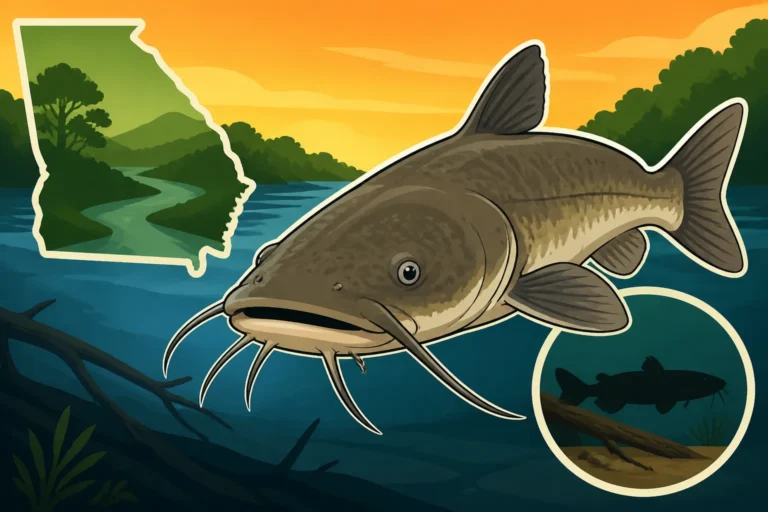
Flathead catfish identification in Georgia waters explains distinguishing head shapes, mottled coloration patterns, and unique fin features.
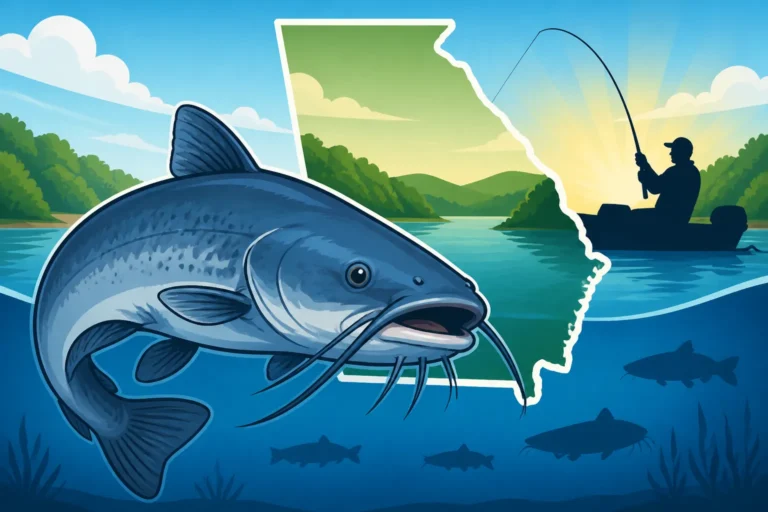
Blue catfish growth rates and deep reservoir habitats like Lake Eufaula explain how these fish reach trophy size in Georgia.
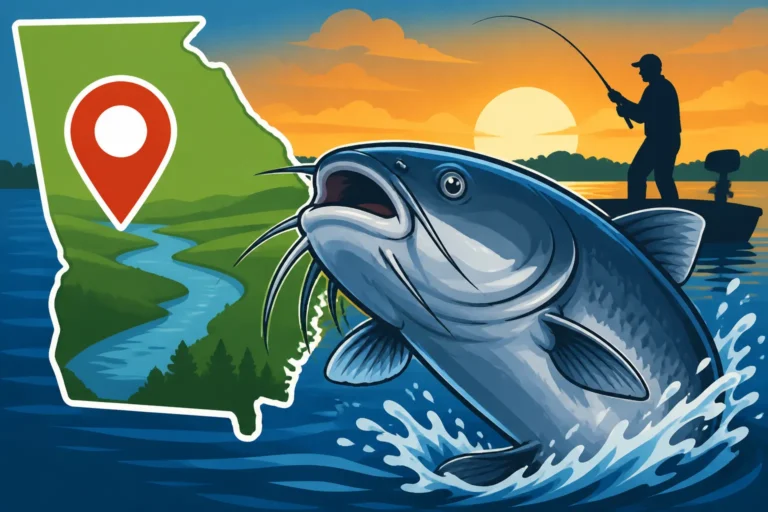
Trophy blue catfish locations in Georgia include the Savannah River and Clarks Hill Lake, where 30 to 50 pound giants thrive.

Blue catfish from Lake Sinclair or the Flint River offer firm, mild meat, but water quality and fish size affect flavor.
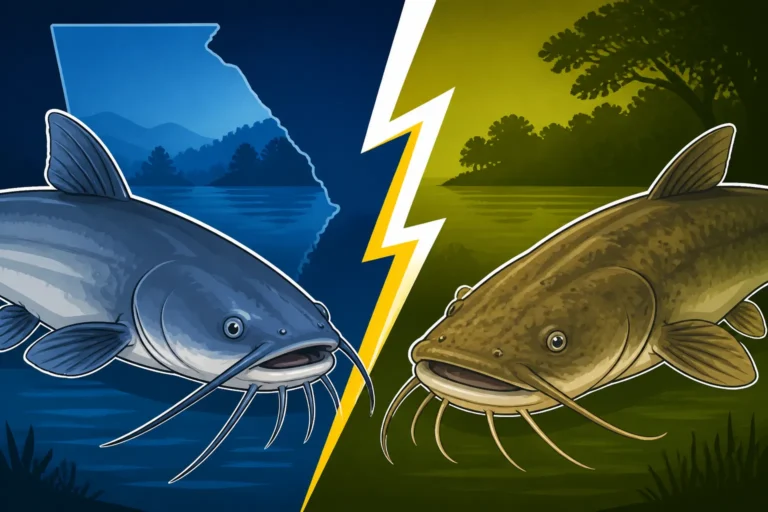
Blue and flathead catfish identification features help anglers correctly distinguish these two giant Georgia fish species.
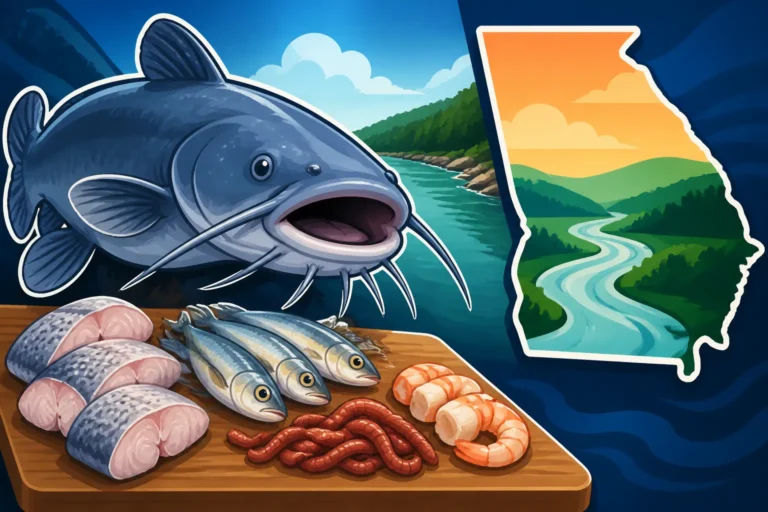
Fresh cut gizzard and threadfin shad chunks sized one to three inches are the best bait for catching Georgia river blue catfish.
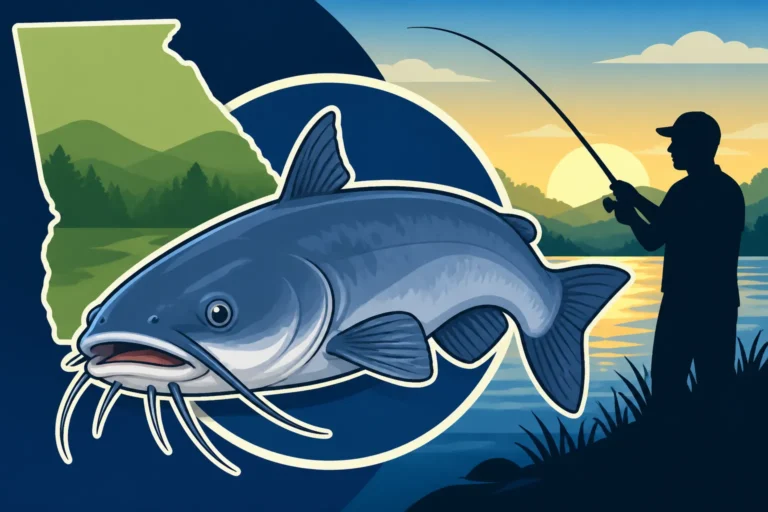
Blue catfish identification features, including tail shape, anal fin rays, and color, help anglers distinguish catches from channel and flathead catfish.
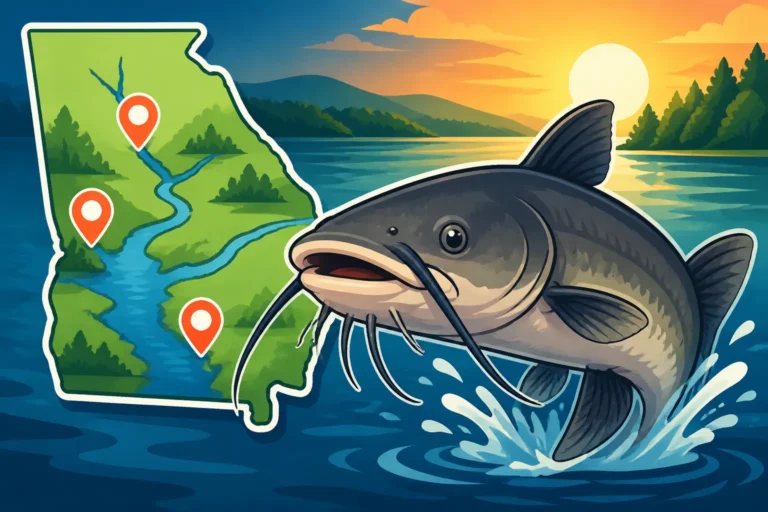
Channel catfish locations in Georgia include warm slow rivers and reservoirs featuring muddy bottoms and submerged timber for cover.
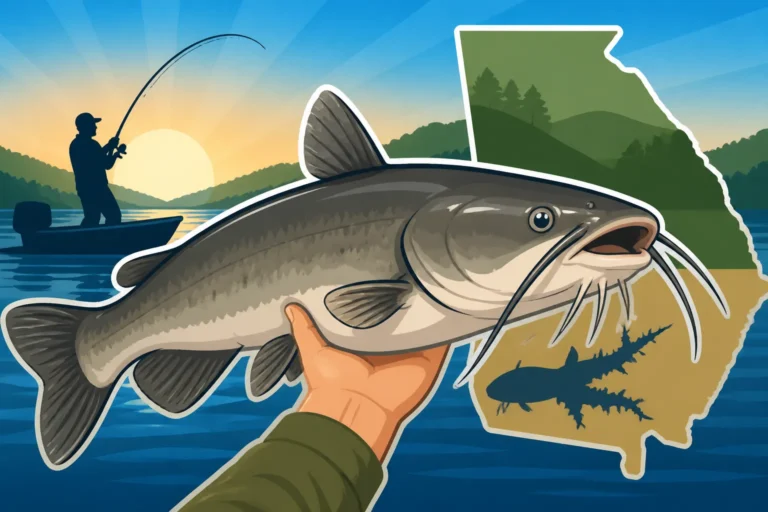
Channel catfish in Georgia reservoirs typically weigh one to five pounds, measure fifteen to twenty-two inches long, and live up to decades.
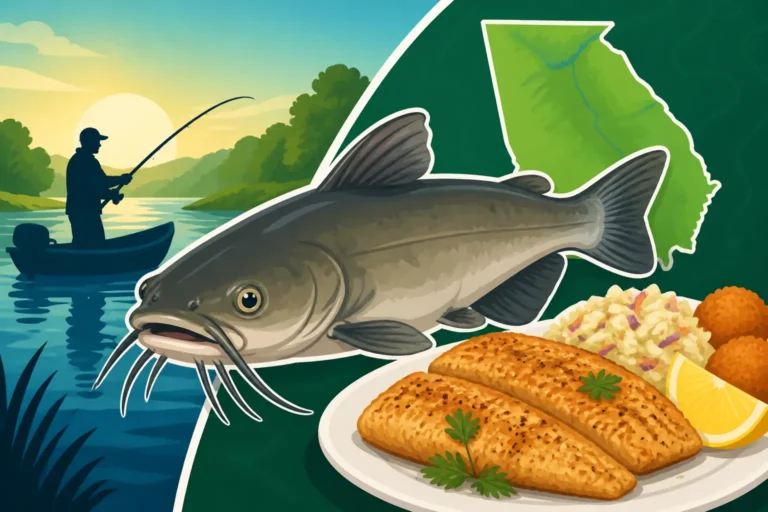
Channel catfish preparation and proper cleaning methods explain how diet, water quality, and one to five pound sizes affect flavor.