Rainbow Trout Size and Growth in Mountain Streams
If you've ever cast a line into one of Georgia's stunning mountain streams, chasing the elusive rainbow trout, you've probably found yourself wondering: just how big do these beauties actually get? It's a question that sparks endless campfire conversations and quiet contemplation by the water's edge, as we all dream of that truly magnificent catch. This guide is here to unravel the mysteries behind rainbow trout size and growth in our beloved Georgia mountain waters, giving you a realistic picture of what to expect and what influences their journey from tiny fry to dazzling, finned fighters.
The Many Factors Shaping a Rainbow Trout's Size in Georgia's Mountain Streams
When we talk about the size of a rainbow trout, it's not as simple as a fixed number. Think of it like a gardener tending to a plant – how big it grows depends on a whole host of environmental conditions, much like a trout's home in a mountain stream. Georgia's specific mountain stream environments play a huge role in dictating just how robust these fish become.
Food Abundance and Stream Productivity
Imagine living in a pantry that's always well-stocked versus one that's a bit sparse. That's essentially the difference in stream productivity for a trout. In streams where insect hatches are prolific – think caddisflies, mayflies, and stoneflies – and where crayfish, sculpins, or even smaller baitfish are plentiful, rainbow trout have a consistent, high-energy diet. This rich food source directly translates to faster growth rates and larger overall sizes. A stream flowing through a mature forest, for instance, might offer a steady supply of terrestrial insects falling from trees, adding to the aquatic bounty. Conversely, a less fertile stream, perhaps one with a granite bedrock and sparse vegetation, will naturally support fewer insects and thus, smaller trout.
Water Quality and Temperature Stability
Rainbow trout are coldwater fish, and their growth is intimately tied to the quality and temperature of the water they inhabit. Georgia's mountain streams are typically fed by spring water and snowmelt, maintaining the crisp, oxygen-rich conditions these fish crave. However, even within the mountains, some streams maintain more consistent cold temperatures year-round, while others might experience warmer summer fluctuations, particularly in lower stretches or during drought conditions. Consistent, cold (ideally 50-65°F), clean, and well-oxygenated water allows trout to metabolize food efficiently and grow without the stress of temperature extremes or pollution. When water quality suffers, or temperatures climb too high, trout become stressed, slow their feeding, and divert energy to survival rather than growth, resulting in smaller fish.
Genetic Lineage and Wild vs. Stocked Populations
This is a really big one, especially in Georgia where stocking plays such a vital role. You've got two main "types" of rainbow trout from a growth perspective: wild, stream-bred fish and hatchery-raised fish. Wild rainbow trout in Georgia's smaller, more pristine mountain streams typically run on the smaller side. They've evolved to survive in challenging environments, often with limited food, and their genetics favor hardiness over sheer size. A 10 to 14-inch wild rainbow is considered a fantastic catch! On the other hand, many of the rainbows you encounter, especially in readily accessible or high-pressure streams, are stocked fish. Hatcheries often breed trout for fast growth and disease resistance, and they are fed a nutrient-rich diet. When these fish are stocked, they might already be 10-12 inches, sometimes even larger. Their growth after stocking depends heavily on how long they survive and how well they adapt to the wild environment. Stocked vs Wild Rainbow Trout in Georgia delves deeper into this fascinating distinction.
Fishing Pressure and Habitat Availability
Imagine trying to grow big and strong when you're constantly being chased or having to compete for every morsel of food. That's the reality for trout in highly pressured streams. Heavy fishing pressure means more fish are removed from the system, but also that the remaining fish might be warier and have to work harder for food. Limited habitat, such as a lack of deep pools, undercut banks, or large rocks for cover, can also restrict growth. Trout need places to hide from predators (both avian and terrestrial) and from strong currents, allowing them to conserve energy and feel secure enough to feed. Streams with abundant, varied habitat tend to hold larger, healthier fish.
What to Realistically Expect: Average Sizes of Rainbow Trout in Georgia
So, with all those factors in mind, what's a reasonable expectation when you're wading through a picturesque North Georgia stream? It's important to set realistic goals to appreciate every fish you catch, no matter its size.
Typical Stream-Caught Rainbows
For most anglers targeting rainbow trout in Georgia's mountain streams, the typical catch will fall into the 8 to 14-inch range. These are vibrant, healthy fish that provide an excellent fight on light tackle.
If you're fishing a regularly stocked stream, you might encounter fish closer to the 10-12 inch mark right after a stocking event. These are often hatchery-raised fish that have been fed to a catchable size. Wild rainbows, while perhaps less numerous, are often in the 8-12 inch range, but their fight and striking colors make them truly special. Many anglers specifically seek out these smaller, harder-fighting native fish. Understanding Rainbow Trout Fishing in North Georgia Streams can give you a better idea of where to find these varying sizes.
The Elusive "Trophy" Rainbow
A "trophy" rainbow trout in a Georgia mountain stream is generally considered anything over 16 inches. These are exceptional fish that have managed to survive for several seasons, growing steadily by finding consistent food sources and avoiding predators and anglers. While 20-inch rainbows are rare in our smaller streams, they are not impossible, especially in certain river sections known for holding larger fish, or in "delayed harvest" streams where trout are protected for part of the year. Finding one of these giants requires patience, skill, and often, a bit of luck. The Toccoa River and the Chattahoochee River's tailwater sections below Buford Dam are two areas where the potential for larger rainbows exists due to more stable water conditions and abundant food. Where to Catch Rainbow Trout on the Toccoa River offers more specifics on that area.
Size Comparisons: Native Brook vs. Brown vs. Rainbow
It's helpful to put rainbow trout size into perspective by comparing them to their cousins in Georgia's waters.
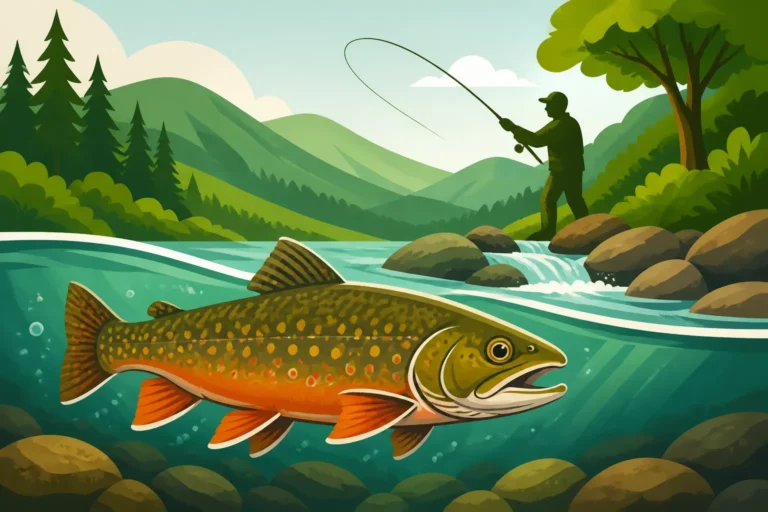
- Brook Trout: Georgia's only native trout, brook trout, are typically the smallest of the three, with most catches ranging from 6 to 10 inches. A 12-inch brook trout is a true trophy. They thrive in the coldest, highest-elevation headwater streams.
- Brown Trout: Brown trout, known for their predatory nature and ability to tolerate slightly warmer water, often grow larger than rainbows in similar stream environments. It's not uncommon to catch brown trout in the 12-18 inch range, and specimens over 20 inches are more frequently encountered than rainbow trout of comparable size in the same waters.
Knowing how to tell them apart is key for identification and appreciating your catch; Trout Species Compared: Rainbow vs Brown vs Brook in Georgia provides an excellent guide.
The Lifespan and Growth Trajectory of Mountain Stream Rainbows
The journey from a tiny egg to a respectable-sized trout is a fascinating one, and it varies greatly depending on the specific conditions of a Georgia mountain stream.
From Fry to Feisty Adult: A Growth Timeline
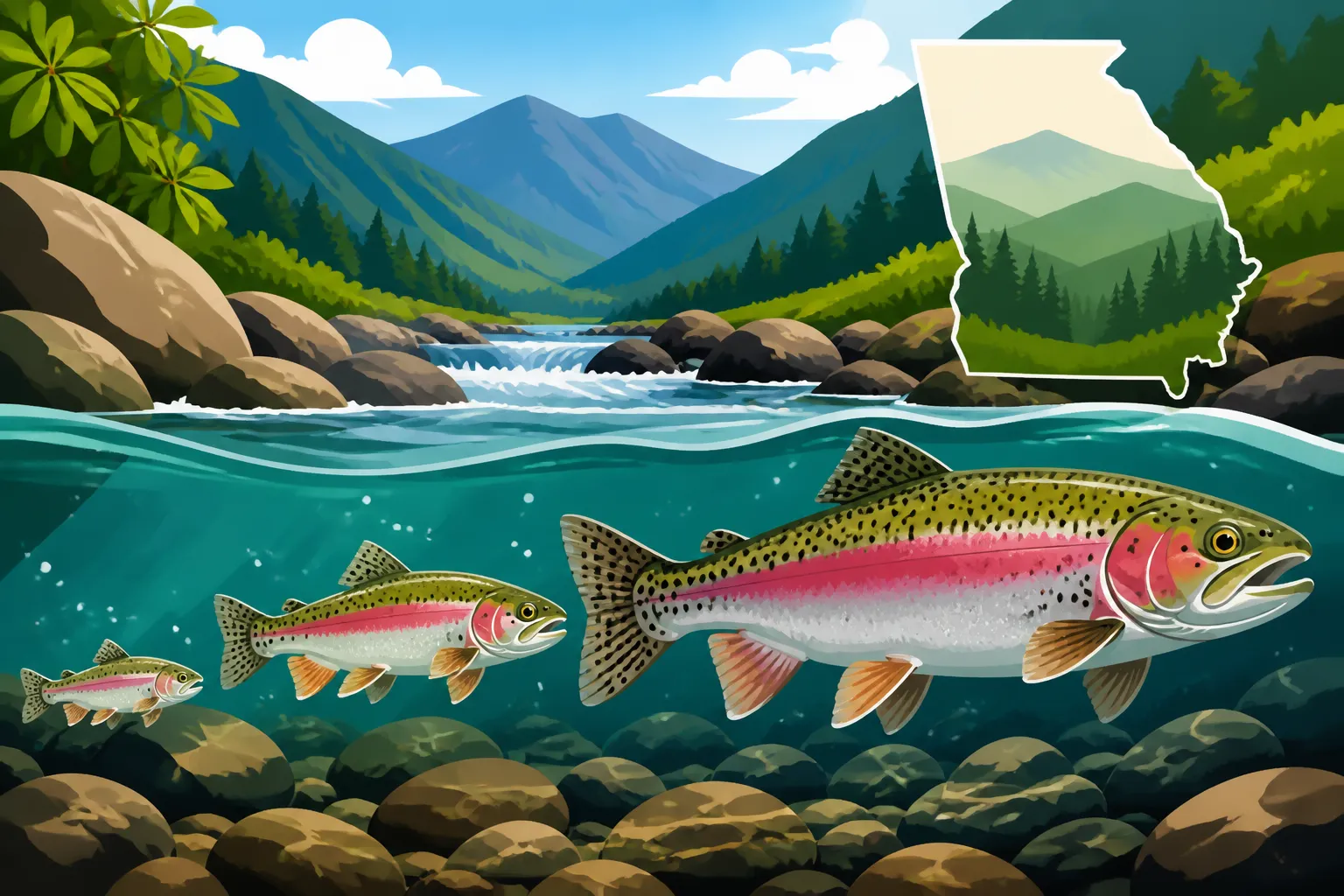
A rainbow trout's life begins as an egg, usually laid in gravel redds in late winter or early spring. After hatching, they are known as "fry" and are incredibly vulnerable. Their initial growth is rapid if food is available, but they remain small, often just a few inches long by their first summer. By their first birthday, a wild stream-bred rainbow might be anywhere from 4 to 8 inches, depending on food and water conditions.
Year two sees more significant growth, pushing them into the 8-12 inch range. Fish in their third or fourth year are typically the larger specimens, potentially reaching 14-18 inches or even more in prime habitat. Stocked trout, as mentioned, often start their wild lives at a larger size, having had a head start in the hatchery.
Seasonal Growth Spurts and Winter Slowdowns
Just like us, trout experience seasonal changes in their metabolism and activity. Spring and early summer are typically periods of rapid growth for rainbow trout in Georgia. As water temperatures rise (but stay within their comfort zone), insect hatches become more abundant, and trout feed aggressively. This rich food supply, combined with optimal water temperatures, allows them to pack on length and weight.
As late summer approaches, and especially as water temperatures might peak, growth can slow down. In winter, with colder water and reduced insect activity, trout metabolism slows considerably. They might still feed, but their growth effectively pauses as they conserve energy. This seasonal rhythm is why older fish don't necessarily grow exponentially larger each year but rather accumulate size over multiple seasons of growth spurts.
How Age Relates to Size in Georgia's Streams
Generally, older trout are larger trout. However, this isn't a perfect one-to-one correlation in dynamic stream environments. A 3-year-old rainbow in a nutrient-rich, low-pressure stream might be significantly larger than a 5-year-old rainbow from a less productive, highly stressed stream. The lifespan of wild rainbow trout in Georgia's mountain streams is typically 3 to 5 years, though some exceptional individuals might live longer, particularly in areas with abundant food and minimal predation. Hatchery-stocked fish, if they avoid anglers and predators, often show impressive growth in their first year in a stream, adding inches quickly.
How Stocking Programs Influence Rainbow Trout Size
Georgia's trout fishing scene is heavily influenced by stocking, and understanding this is crucial for managing your expectations regarding trout size. The Georgia Department of Natural Resources works hard to provide ample fishing opportunities, often through robust stocking programs. Georgia's Trout Stocking Schedule Explained gives a great overview of these efforts.
Hatchery-Raised Giants vs. Stream-Bred Survivors
When you hear about stocking, it means fish are literally released from hatcheries into public waters. These hatchery fish are raised in controlled environments, fed regularly, and protected from predators. As a result, they often reach a "catchable" size – typically 10 to 12 inches – by the time they are released. This is fantastic for anglers looking for immediate action, as these fish are usually hungry and less wary than their wild counterparts.
Once in the stream, their growth trajectory diverges. Some will quickly become food for larger predators or be caught by anglers. Others will adapt, find natural food sources, and continue to grow. However, their initial size is often a testament to their hatchery upbringing, giving them a distinct advantage over stream-bred fish, which start their lives much smaller and face immediate challenges from day one.
The Role of Delayed Harvest Streams
Georgia's Delayed Harvest (DH) streams are a unique program designed to provide exceptional catch-and-release fishing opportunities, and they can be a place to find larger trout. During the fall, winter, and spring (typically November 1st to May 14th), these streams are stocked with numerous trout, often including larger rainbows. During this period, all trout must be immediately released. This allows the stocked fish, including the larger ones, to acclimate to the stream, feed, and grow even further without the pressure of being harvested.
When the "harvest" season opens (typically from May 15th through October 31st), anglers are allowed to keep fish, but by then, many trout have had several months of undisturbed feeding and growth. While not all DH streams produce truly massive trout, they significantly increase the chances of encountering a healthier, larger rainbow than you might find in a general regulation stream that sees immediate harvest. Delayed Harvest Trout Streams in Georgia provides more information on these special waters.
Responsible Angling for Sustainable Trout Growth
As anglers, we have a vital role to play in ensuring the health and continued growth of Georgia's rainbow trout populations. Practicing responsible angling, especially if you're targeting larger fish or plan to release your catch, is paramount.
Catch and Release Practices for Healthier Fish
If you're after that trophy rainbow or simply want to ensure the fish you don't keep have the best chance of survival, proper catch and release techniques are essential. Studies show that mishandled fish have a much lower survival rate. Here are some quick tips:
- Use Barbless Hooks: They make unhooking much easier and less damaging.
- Minimize Handling: Keep the fish in the water as much as possible. If you must handle it, do so with wet hands, supporting its belly, and never squeezing.
- Use a Rubber Net: Knotless, rubberized landing nets are far gentler on a fish's slime coat and fins than traditional nylon nets.
- Unhook Quickly: Have your forceps or pliers ready to remove the hook swiftly. If the fish is deeply hooked, it's often best to cut the line as close to the hook as possible.
- Revive Carefully: If the fish seems sluggish, hold it gently facing upstream in the current until it can swim away strongly on its own.
These practices ensure that the next angler, or the fish itself, has the opportunity to grow even bigger. Learning How to Catch and Release Trout Properly is a skill every trout angler should master.
Choosing Appropriate Gear for All Sizes
While you might use lighter tackle for the typical 8-12 inch trout, having appropriate gear can make a difference if you hook into one of those larger, more elusive rainbows. A longer, softer rod (like a 7-foot light action spinning rod or a 4-5 weight fly rod) can absorb the shocks of a stronger fish's runs, protecting your line and preventing hooks from pulling out. A reel with a smooth, reliable drag system is also critical for fighting larger fish effectively without tiring them out unnecessarily. And as mentioned, a quality rubber landing net, easily found on platforms like Amazon, is a game-changer for quick and safe releases, especially for bigger fish. Investing in a good pair of polarized sunglasses (also readily available from retailers like Amazon) can help you spot those larger shadows moving in the deeper pools before you even make your first cast.
| Factor | Impact on Rainbow Trout Size | Typical Result in Georgia Streams |
|---|---|---|
| Food Abundance | High food = Faster growth, larger size | Varies greatly; richer streams hold bigger fish |
| Water Quality/Temp | Consistent cold/clean = Optimal growth | Best in higher elevation, spring-fed streams |
| Genetics (Wild/Stocked) | Wild = Smaller, hardier; Stocked = Larger, faster initial growth | Most common catches are stocked 10-12 inches; wild 8-12 inches |
| Fishing Pressure | High pressure = Smaller, warier fish | Heavily fished areas may have fewer large, older fish |
| Habitat Availability | Good cover/pools = More large fish | Streams with varied structure (rocks, logs) support bigger fish |
| Lifespan | Longer life = More time to grow | Typically 3-5 years, allowing for growth to 14-18 inches+ |
| Stocking Programs | Introduces catchable-sized fish | Provides consistent opportunities for 10-14 inch trout |
| Delayed Harvest | Catch-and-release period = Extra growth | Increased chance of encountering larger, healthier fish |
Disclaimer
This article is for general informational purposes only and does not constitute professional advice. Laws, prices and regulations vary by location and change over time. Consult a qualified professional for guidance on your specific situation.