How Water Temperature Changes Affect Fish Behavior
Ever found yourself on a beautiful Georgia lake, the weather feels perfect, but the fish just aren't biting? Or perhaps you’ve had days where it seems like every cast brings a strike, and you couldn't quite put your finger on why. Often, the hidden hand dictating your fishing success isn't the air temperature or your lucky hat, but rather the subtle, yet profound, shifts in the water temperature. This guide will dive deep into how these temperature changes affect fish behavior in Georgia, helping you unlock better fishing days by understanding the unseen world beneath the surface.
The Fundamental Connection: Why Water Temperature Matters So Much to Fish
Fish are cold-blooded creatures, which means their body temperature is directly influenced by the water around them. Unlike us, they can't just throw on a jacket or crank up the AC. This fundamental biological reality means that water temperature isn't just a preference; it's a critical factor governing nearly every aspect of their existence, from how fast they digest food to where they choose to hang out. For Georgia anglers, overlooking this crucial detail is like trying to navigate the Chattahoochee River with a blindfold on – you're just not going to have much success.
Think about it: have you ever felt sluggish on a super hot day, or extra peppy when it's just the right temperature? Fish experience something similar, but on a much more profound level. Their activity levels, metabolism, and even their immune systems are all tied to the mercury in the water. Understanding these basic principles is the first step toward becoming a more consistently successful angler, whether you're chasing largemouth bass on Lake Lanier or targeting trout in a mountain stream.
Metabolism and Energy Levels
A fish's metabolism speeds up in warmer water and slows down in colder water. Imagine your car's engine – it runs faster when it's warm, and it can barely turn over when it's freezing. For fish, this directly impacts their hunger and how often they need to eat. In warm water, their digestion is rapid, so they're often more active and aggressive, constantly seeking food to fuel their high metabolism. This is why summer fishing can be so explosive if you find them in their feeding zones. They're burning through energy quickly and need to replenish it.
Conversely, in cold water, their metabolism slows to a crawl. They don't need to eat as often, and they conserve energy. This means they'll be less inclined to chase a fast-moving lure or expend much effort for a meal. You'll often find them grouped up, moving slowly, and needing a much slower, more enticing presentation. It's not that they're not hungry at all, it's just that their biological clock is running at a much slower pace, making them less reactive and pickier about what they'll strike. This is particularly noticeable when trying to tempt a sluggish largemouth during the chillier months.
Oxygen Levels and Comfort Zones
Another critical factor linked to water temperature is dissolved oxygen. Colder water holds more dissolved oxygen than warmer water. As water temperatures rise, its capacity to hold oxygen decreases. This is a massive deal for fish, especially game species like trout and bass, which require good oxygen levels to thrive. In summer, when surface temperatures soar, the deeper, cooler water often becomes a sanctuary because it can hold more vital oxygen.
However, it's not always as simple as "deeper is better." Sometimes, especially in lakes, a phenomenon called "thermal stratification" occurs, where layers of water form with different temperatures and, consequently, different oxygen levels. If the deepest water becomes devoid of oxygen, fish can get "squeezed" into a narrow band of water that offers both comfortable temperatures and sufficient oxygen. Understanding this can be a game-changer for locating fish, particularly on large reservoirs like Lake Oconee or Clarks Hill Lake. They are actively seeking their comfort zone, and that zone can change dramatically with temperature and oxygen.
Understanding Key Temperature Zones for Georgia Fish
Different fish species have different "preferred" temperature ranges, often called their optimal temperature window. Venturing outside this window doesn't necessarily mean they'll die, but it does mean they'll become stressed, less active, or seek out areas that do fall within their comfort zone. Knowing these general ranges for the species you're targeting in Georgia is incredibly helpful. It's like knowing when your favorite restaurant serves brunch – you wouldn't show up at dinner time expecting pancakes!
Georgia's diverse waters, from the cold mountain streams of the Chattahoochee River Headwaters to the warmer, shallower reservoirs of south Georgia, offer a wide range of thermal habitats. This means fish behavior can vary significantly depending on where you're casting your line, even within the same season.
Cold Water Below 50°F / 10°C
When water temperatures dip below 50°F, as they often do in Georgia during the deepest parts of winter, fish activity generally slows considerably. This is particularly true for warm-water species like largemouth bass. Their metabolism is reduced, and they become lethargic. You won't see them chasing baitfish all over the place. Instead, they'll often hold tight to structure, like deep brush piles, channel bends, or even around warm-water discharges from power plants, just trying to conserve energy.
For anglers, this means downsizing your lures, slowing down your retrieve, and focusing on presenting baits directly in front of their faces. Think jigging spoons, slow-rolled spinnerbaits, or even deadsticking a soft plastic worm. This is often when you hear about successful deep-water jigging for crappie or patiently working spoons for suspended bass on lakes like Lake Sinclair, which can fish warmer than other Georgia lakes in winter due to the power plant. Winter Fishing at Lake Sinclair While Other Georgia Lakes Slow Down offers some great insights into this unique situation. These conditions require patience and precision, as fish are conserving energy.
Cooler Water 50-65°F / 10-18°C
This is often considered the "prime time" or "transition zone" for many popular Georgia game fish, especially bass and crappie. As water temperatures climb into this range in early spring or cool down into it in late fall, fish become significantly more active. Their metabolism is up, they're feeling feisty, and they're often on the move, chasing baitfish and preparing for spawning activities (in spring) or bulking up for winter (in fall). This window is a fantastic opportunity for anglers.
During this period, you'll see fish moving from deeper wintering grounds to shallower staging areas. They're often found around points, humps, and secondary creeks. This is when a wide variety of techniques can shine: crankbaits, spinnerbaits, jerkbaits, and various soft plastics can all be effective. Trout, too, become very active in this range, particularly in the mountain streams, making it a wonderful time for Spring Bass Fishing Patterns on Georgia's Reservoirs or targeting trout. Fish are often less finicky in this temperature band, making for more consistent bites.
Warm Water 65-75°F / 18-24°C
This temperature range is comfortable for most warm-water species, including largemouth bass, sunfish, and catfish. Fish are very active, their metabolism is high, and they're feeding regularly. However, as the temperature creeps higher within this range, fish may start to seek out slightly deeper, cooler water, especially during the brightest parts of the day. They're still feeding aggressively, but they might not be right at the surface in direct sunlight.
You'll find bass in and around submerged cover, docks, lily pads, and shaded areas. Crappie might move to deeper brush piles or suspended over creek channels. Catfish will be active both day and night. This is a great time for topwater action in the mornings and evenings, and working jigs or Texas rigs into heavy cover during the day. The bite can be fantastic, but fish can also be a bit more scattered as they have a wider range of comfortable water to choose from. Consider your approach for How to Fish a Texas Rig for Bass in these conditions.
Hot Water Above 75°F / 24°C
When Georgia's summer heat really sets in and water temperatures consistently exceed 75°F, many fish species, particularly bass and trout, can start to experience stress. While catfish and some panfish might still be quite active, bass and trout will actively seek relief. This usually means moving to deeper water where temperatures are cooler and, critically, where there's still enough dissolved oxygen. This is where that thermal stratification we talked about becomes paramount.
Fish will often suspend in the thermocline – the layer where water temperature changes rapidly – or hold tight to deep structure like humps, ledges, or main lake points. Oxygen can be a limiting factor in very deep water, so fish won't go too deep if there's no oxygen there. This is why you need to adjust your approach significantly. Early mornings, late evenings, and even night fishing become incredibly effective. Think about using deep-diving crankbaits, spoons, or slow-moving jigs in these deeper areas. Targeting shaded areas, especially on rivers, can also yield results. Night Fishing Spots Near Atlanta might hold some great options for beating the heat.
Seasonal Temperature Shifts and Their Profound Impact on Fish Behavior
Understanding the general temperature zones is one thing, but knowing how Georgia's seasons dramatically alter these zones and trigger specific fish behaviors is where you truly gain an edge. It's not just about a thermometer reading; it's about the patterns and cycles that these changes create.
Spring Transitions: The Spawn and Post-Spawn Drive
Ah, spring in Georgia! The air warms up, the trees green, and anglers get that familiar itch. As water temperatures gradually rise from their winter lows into the 50s and then 60s, a major event is triggered for many species: the spawn. For largemouth bass, once water temperatures consistently reach the mid-50s, they start moving from their deeper wintering grounds to shallower staging areas, seeking warmer water to build nests. This is often when you see some of the most aggressive pre-spawn feeding. They need to pack on calories before the energy-intensive process of spawning.
As temperatures hit the low to mid-60s, bass move onto beds. This period can be incredibly exciting for sight fishing. Once the spawn is over, usually as temperatures hit the mid-to-high 60s, fish enter a post-spawn phase. They're often tired and lethargic for a bit, resting and recuperating, before resuming a more aggressive feeding pattern to rebuild their energy. This means they might be found slightly deeper, near structure, recovering. Understanding this transition is key to success in spring. For trout, spring means the full swing of Georgia Trout Stocking Schedule From March to October, with fish actively feeding on insects hatching as the water warms.
Summer Stratification: Finding the Thermocline
When the long, hot Georgia summer settles in, particularly on large, deep reservoirs like Lake Lanier or Lake Hartwell, the water column often stratifies. This means it forms distinct layers: a warm, oxygen-rich upper layer (epilimnion), a middle layer where temperature drops rapidly (the thermocline), and a deeper, cooler, often oxygen-poor bottom layer (hypolimnion). Fish like bass and striped bass will typically seek out the thermocline. It's their sweet spot – cool enough to be comfortable, yet warm enough for an active metabolism, and most importantly, rich in oxygen.
Using your fish finder to locate this thermocline is invaluable during summer. It will often appear as a distinct band on your sonar. Once you find it, you know the depth range where actively feeding fish are most likely to be holding. Fishing above or below it can be a waste of time if the fish are packed into that thermal band. This is where methods like downlining live bait or slowly working deep-diving lures through that specific depth become highly effective. You might even find some excellent Deep Water Techniques for Striped Bass in these stratified waters.
Fall Turnover: Oxygenating the Depths
As summer transitions to fall in Georgia, the surface water starts to cool down due to shorter days and cooler nights. Eventually, this surface water becomes denser and sinks, mixing with the deeper, cooler water below. This phenomenon is called "fall turnover." It essentially "resets" the lake, equalizing temperatures and oxygen levels throughout the water column. This process can be a bit chaotic for fish. For a period, fish might be scattered as their preferred comfort zones disappear, and the entire water column becomes a bit murky with suspended debris.
Once the turnover is complete, and the water column has homogenized, fish can be found almost anywhere that offers food and cover. They often go on a major feeding binge, stocking up for the lean winter months. This is a fantastic time for aggressive fishing, with fish actively chasing baitfish in open water or around structure. Crankbaits, topwaters, and spinnerbaits can be incredibly productive as fish gorge themselves. The water is often in that "cooler" optimal range, making for very active fishing.
Winter Chill: Slow and Deep
When winter arrives in full force across Georgia, water temperatures will drop significantly. For most large reservoirs, temperatures will settle into the low 40s to low 50s. As discussed, fish metabolism slows dramatically, and they become lethargic. They'll gravitate towards the warmest water they can find, which usually means the deepest parts of the lake or river that still offer cover and adequate oxygen. Thermal refuges, like springs or areas near power plant discharges, become prime real estate.
Anglers need to slow down their presentations to match the fish's metabolic rate. Vertical presentations like jigging spoons, drop-shot rigs, and slowly dragged Carolina rigs are often the ticket. Finding tight schools of fish with your electronics is critical, as they tend to congregate in dense groups to conserve energy. Targeting specific structures, like deep humps, channel ledges, or standing timber, where fish can relate and conserve energy, is key to success during the winter months. Remember, a fish that doesn't need to move much to eat is a happy winter fish.
Practical Tips for Fishing Based on Water Temperature in Georgia
Knowing the science behind water temperature and fish behavior is great, but how do you actually apply this on the water? It's about combining your knowledge with practical observation and the right gear. Don't let a change in temperature leave you scratching your head; use it as your guide!
Reading Your Electronics
Your fish finder isn't just for spotting fish; it's a powerful temperature gauge. Most modern fish finders have a built-in thermometer that gives you a surface water temperature reading. Even more advanced units can show you temperature changes in the water column, helping you pinpoint that elusive thermocline. Pay close attention to these readings. If the surface temperature is scorching, but you find a cool pocket on your graph deeper down, that's where you need to focus your efforts.
Don't just glance at the number; interpret it. If you're fishing a deep lake like Lake Burton in summer and your surface temp is 85°F, but your fish finder shows a distinct temperature drop at 20-25 feet, that 20-25 foot zone is your target. Striped bass and big spotted bass will often suspend right in that band. Similarly, in winter, if you're marking fish deep, confirm that the temperature down there is still within a range that fish can survive and be somewhat active, not completely frozen. A good portable fish finder, easily found on Amazon, can be a game-changer for bank anglers too, letting them get a quick temperature read before committing to a spot.
Choosing Lures and Baits by Temperature
The "speed" of your presentation needs to match the fish's metabolic rate, which is directly tied to water temperature. This means your lure choice and how you work it are paramount.
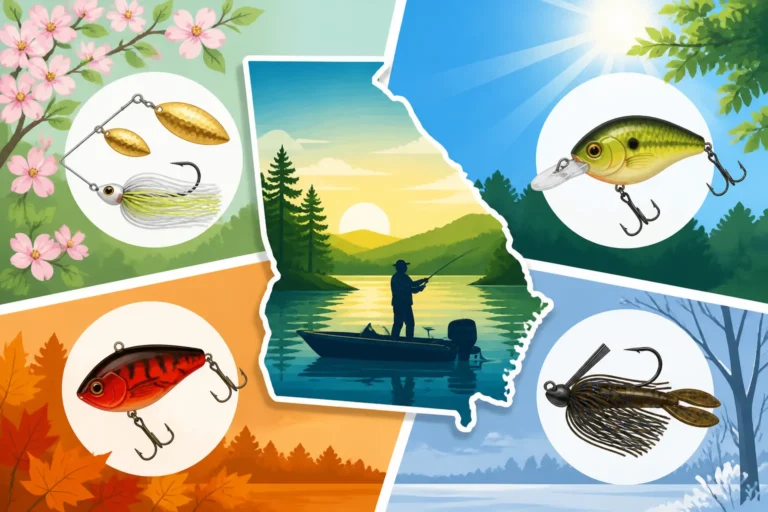
- Cold Water: Think small, subtle, and slow. Jigs, jigging spoons, slow-crawling crankbaits, or even deadsticked soft plastics are ideal. Fish aren't going to chase, so put the bait right in front of them and let it sit. Live bait, like minnows, presented slowly can also be incredibly effective. Consider using smaller, finesse presentations, and don't be afraid to leave your bait sitting for a long time.
- Cooler Water: This is your versatile zone! Fish are active. Medium-diving crankbaits, spinnerbaits, jerkbaits, chatterbaits, and a variety of soft plastics (Texas rigs, Carolina rigs, shaky heads) can all be very productive. You can work your baits at a moderate to fast retrieve. This is often the time when you can successfully employ How to Jig for Crappie or work a spinnerbait for bass.
- Warm Water: Fish are still aggressive but might be seeking cover or deeper water during the brightest hours. Topwater lures early and late, punching jigs into thick cover, flipping worms, and medium-to-deep diving crankbaits are great choices. You can maintain a faster retrieve, but focus on getting your bait into the fish's preferred depth or cover.
- Hot Water: Focus on deep presentations with a moderate retrieve. Think heavy jigs, deep-diving crankbaits, spoons, or Carolina rigs. Live bait, such as shad or herring, presented on downlines or freelines in the thermocline, can be irresistible to suspended striped bass. For bass in cover, slowing down your flipping and pitching presentations can coax a bite, especially if the fish are a bit sluggish from the heat. Don't forget Night Fishing Techniques for Catfish when the surface temps soar, as catfish are often very active after dark.
Best Times to Fish During Temperature Extremes
When temperatures are at their extremes – either very cold in winter or very hot in summer – timing your fishing trips becomes even more crucial.
- Winter Cold: The warmest part of the day is often your best bet. Think late morning through mid-afternoon. A few extra degrees of water temperature can make a big difference in fish activity. Sunny days can warm shallow areas or structures, drawing fish in, so keep an eye on those sun-drenched spots.
- Summer Heat: Early mornings, late evenings, and night fishing are typically the most productive. The water is at its coolest during these times, and fish are more likely to move into shallower feeding grounds or become more active in their deeper haunts. The heat of midday often pushes fish deep or makes them completely lethargic. Setting your alarm early or packing a headlamp for a night excursion can turn a slow day into a memorable one. Many specific Night Fishing Spots on Lake Lanier, Georgia are popular for this reason.
Remember, fish are constantly adjusting to their environment. By understanding how water temperature impacts them, you can anticipate their movements and behaviors, allowing you to adapt your techniques and greatly improve your chances of a successful day on Georgia's diverse waterways. Getting a reliable waterproof thermometer, easily available on Amazon, is a small investment that provides huge returns in terms of knowledge. You can even check out some fishing-specific apparel on Amazon that helps you stay comfortable during those hot or cold fishing sessions.
Here's a quick reference table for common Georgia fish and their general preferred temperature ranges:
| Species | Ideal Temperature Range (Fahrenheit) | Behavior at Low Temps (Winter) | Behavior at High Temps (Summer) | Prime Fishing Season in Georgia (Temperature-wise) |
|---|---|---|---|---|
| Largemouth Bass | 60-75°F | Lethargic, deep, tight to structure, slow feeding | Seek cooler, deeper water, cover, active early/late | Spring & Fall |
| Spotted Bass | 55-70°F | Deep, suspended over structure, finesse bite | Deeper, often in thermocline, active feeding | Spring & Fall, can be good deep in summer |
| Rainbow Trout | 45-65°F | Slow but still active, seek consistent temps | Seek cold, oxygenated springs/deep pockets, stressed | Spring & Fall |
| Brown Trout | 45-65°F | Active in cold, but slower, opportunistic feeding | Seek cold, oxygenated pockets, more tolerant than rainbows | Spring & Fall |
| Brook Trout | 40-60°F | Active, very cold tolerant, hide in cover | Highly stressed, restricted to coldest headwaters | Spring & Fall |
| Crappie | 60-75°F | School deep, very slow bite, vertical presentation | Seek deep brush, structure, active early/late | Spring (spawn) & Fall |
| Channel Catfish | 70-85°F | Slower, but still feed actively deeper | Very active, feed day and night, shallower at night | Summer |
| Blue Catfish | 65-80°F | Deep, active, often caught on large baits | Very active, deep during day, shallower at night | Summer |
| Flathead Catfish | 70-85°F | Slower, ambush predators in deep cover | Active, ambush predators, often found near structure | Summer |
| Striped Bass | 60-70°F | Deep, suspended, follow baitfish, active | Seek thermocline or coolwater refuges, very active | Spring, Fall, Winter |
| Hybrid Striped Bass | 65-75°F | Deep, suspended, follow baitfish, active | Seek thermocline, follow baitfish | Spring, Fall, Winter |
| Bluegill / Bream | 70-80°F | Slow, school in deep cover | Very active, shallow cover, feed frequently | Spring & Summer |
This table is a general guide, and local conditions can always lead to variations. Always consider current weather patterns, recent rainfall, and specific lake characteristics when planning your trip. But armed with this knowledge, you're better equipped to make informed decisions that lead to more successful catches. Happy fishing!
Disclaimer
This article is for general informational purposes only and does not constitute professional advice. Laws, prices and regulations vary by location and change over time. Consult a qualified professional for guidance on your specific situation.