How to Fish After a Cold Front
We've all been there: you check the forecast, see a beautiful day shaping up for fishing, only for a sudden cold front to blow through overnight, dropping temperatures and leaving you wondering if the fish just packed up and moved to another state. It's incredibly frustrating when conditions change so dramatically, turning a promising day on the water into a head-scratcher. This guide is here to unravel the mystery of how fish react to those dramatic post-cold front shifts in Georgia and equip you with the strategies to still find success, even when the bite seems completely shut down.
Understanding the Impact of a Cold Front on Georgia Fish
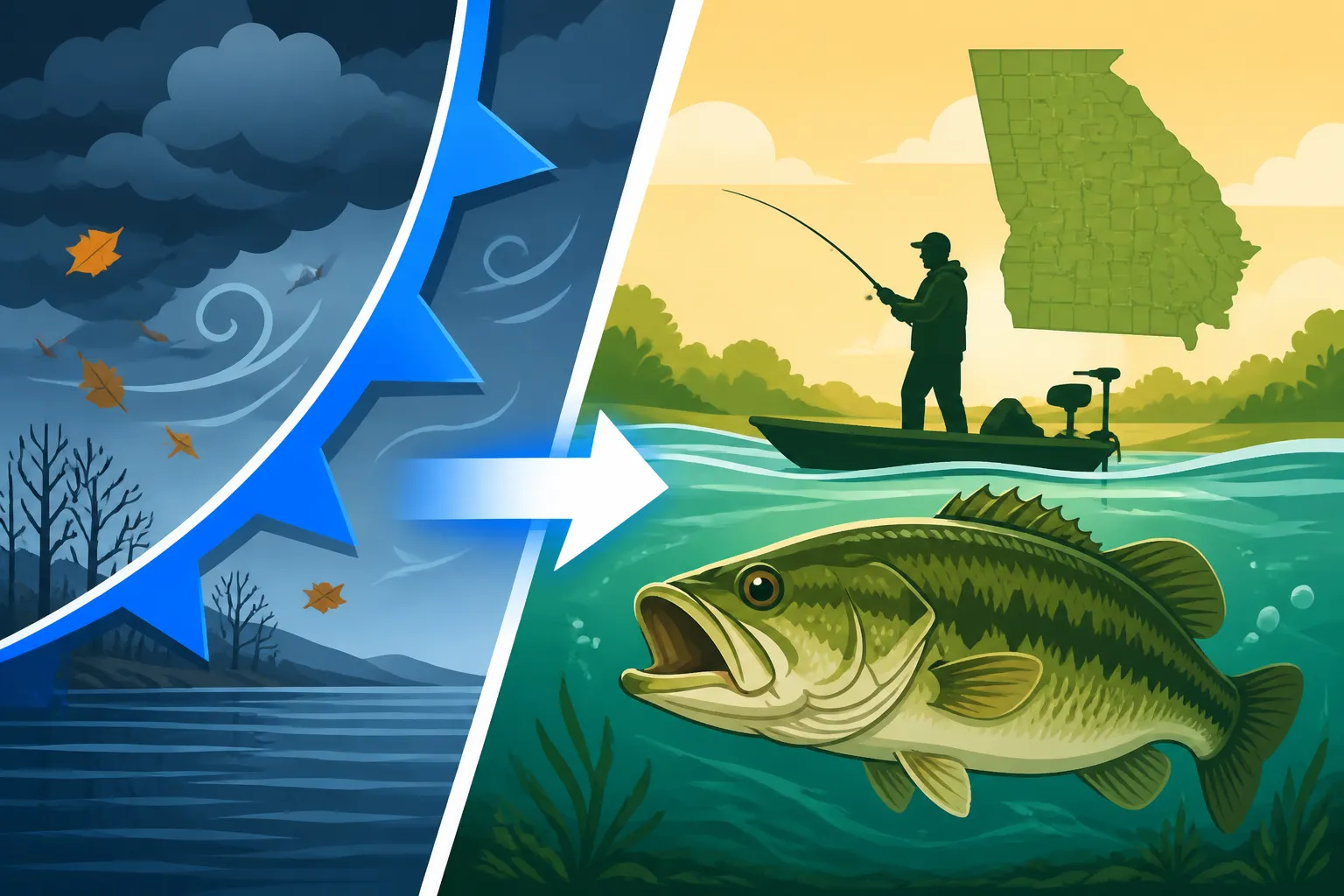
When a cold front rolls through, it’s not just the air temperature that drops; a cascade of changes affects the entire aquatic environment, from the water column to the very behavior of the fish. Ignoring these shifts is a recipe for a tough day, but understanding them is your first step to adapting and catching fish.
How Water Temperature Changes Affect Fish Behavior
Fish are cold-blooded creatures, which means their body temperature is directly tied to the water around them. When a cold front pushes through, it causes the surface water to cool rapidly. This initial cooling can be a shock to fish, particularly in the warmer months. As temperatures stabilize at a lower point, the metabolic rate of the fish slows down considerably. Think of it like trying to run a marathon in freezing weather – your body just isn't as efficient or energetic.
This metabolic slowdown leads to lethargy. Fish aren't going to be chasing fast-moving baits or expending a lot of energy if they don't have to. For species like largemouth bass, this means they become much less aggressive. Trout in North Georgia's mountain streams might also become more sluggish, preferring to hold in areas with less current. Even crappie, typically active schooling fish, can become tight-lipped and less inclined to roam far for a meal. They're conserving energy, waiting for conditions to improve. This is why you often hear anglers complain about a "shut down" bite after a front.
Barometric Pressure and Fish Activity
Beyond temperature, barometric pressure is a huge, often overlooked, factor influencing fish behavior after a cold front. Before a front arrives, the barometric pressure usually drops, often leading to increased fish activity and a great bite. However, once the front passes, the pressure typically rises sharply and stabilizes at a higher point. This sudden increase in pressure can be very uncomfortable for fish, especially those with swim bladders, which are sensitive to these changes.
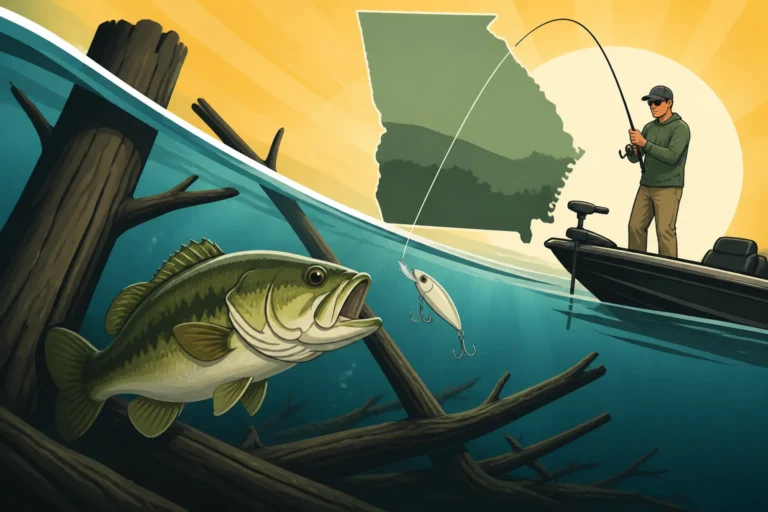
Imagine feeling a sudden, intense pressure on your ears – that’s somewhat analogous to what fish might experience. This discomfort often drives them deeper into the water column, seeking areas where the pressure is more stable and less jarring. They might also pull tighter to cover, like submerged timber or rocky ledges, where they feel more secure. For example, on a large reservoir like Lake Lanier, bass might move from shallow coves to deep offshore humps or creek channels. Understanding Why Bass Go Deep After a Cold Front is crucial for locating them. Similarly, you might find catfish burying themselves in holes or under structure in the Altamaha River, seeking refuge from the high pressure.
Adjusting Your Strategy: Lures, Bait, and Presentation
Once you understand why fish behave differently after a cold front, the next step is to adjust your fishing strategy. Your usual tactics might not cut it, and sticking to them can lead to a frustrating, fish-less day. It's all about slowing down, downsizing, and presenting something irresistible right in front of their noses.
Choosing Lures and Baits for Post-Front Conditions
With fish being lethargic and less willing to chase, your lure selection needs to reflect that. This is not the time for fast-moving topwater baits or aggressive crankbaits, unless you're trying to cover a lot of water quickly to find active fish (which are rare post-front). Instead, think small, subtle, and natural. Soft plastics are your best friends. A Texas-rigged worm or a shaky head jig can be deadly for bass, presented slowly along the bottom or near structure. The key is to offer a meal that requires minimal effort from the fish.
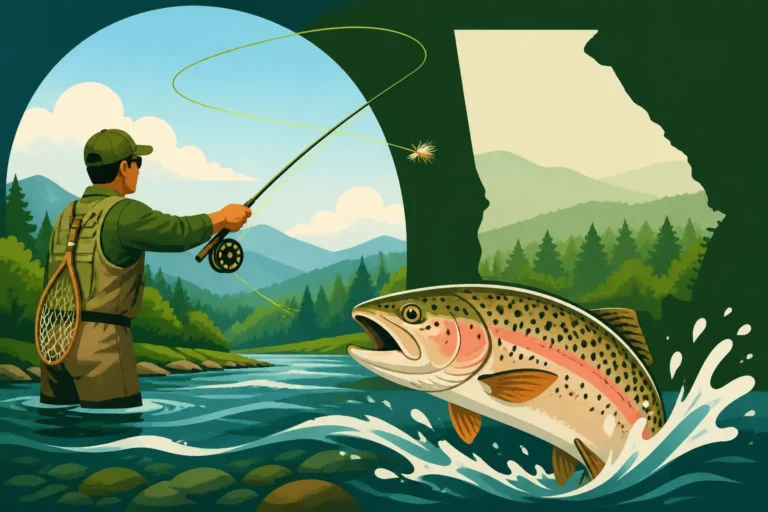
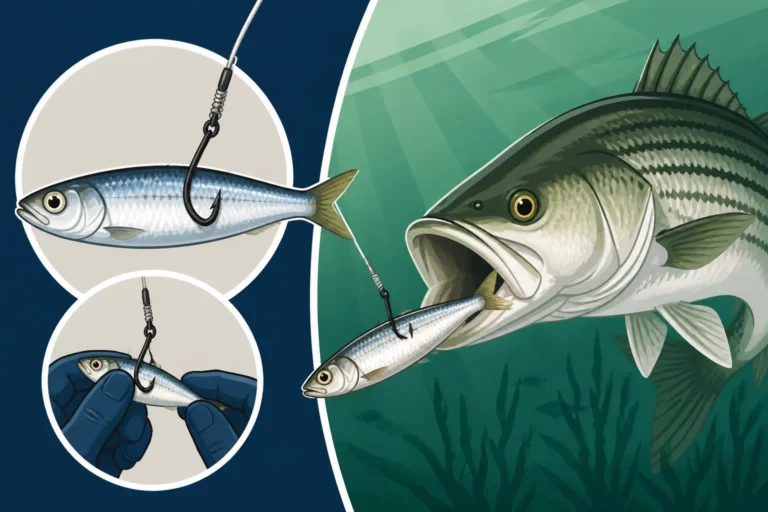
For crappie, tiny jigs tipped with a minnow, or micro-jigs fished solo, are often more effective than larger offerings. For trout in a cold North Georgia stream, a small nymph or a very slow-drifting PowerBait can make all the difference. Check online retailers like Amazon for a wide selection of finesse baits, small jigs, and scent attractants that can give you an edge. The less commotion your bait makes and the more natural it appears, the better your chances. Don't be afraid to go with natural live baits either; a shiner for bass or a red wiggler for panfish can be incredibly effective when fish are picky.
Slow and Low: The Key to Success
This is perhaps the most critical adjustment you can make: slow down your retrieve, drastically. Fish aren't in a feeding frenzy; they're conserving energy. A fast-moving lure will likely be ignored, or they might make a half-hearted attempt and miss it entirely. Your goal is to put the bait right in their strike zone and keep it there for as long as possible.
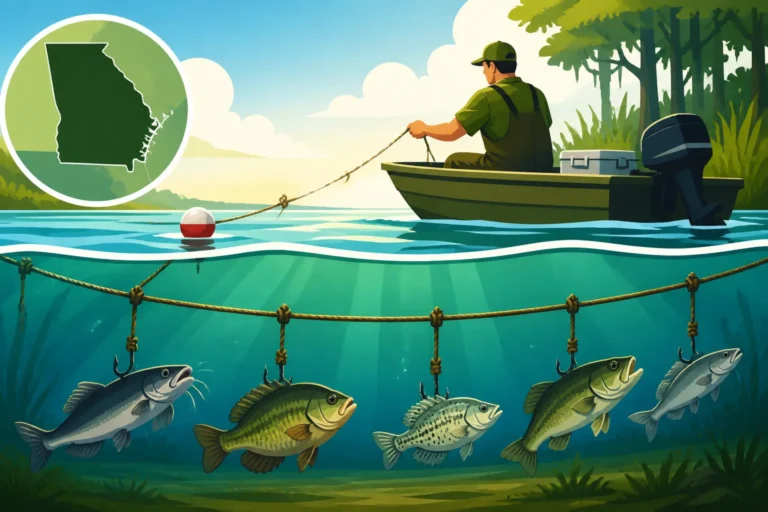
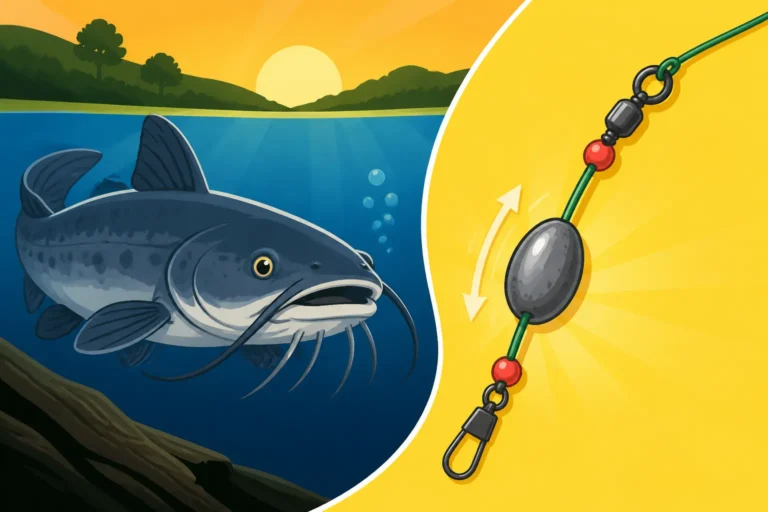
For bass, this means dragging a jig or a worm painfully slowly across the bottom, pausing frequently. Let it sit there, almost teasing the fish, giving them ample time to decide if it's worth the energy to eat. When you're learning How to Jig for Largemouth Bass, remember that after a front, the retrieve should be even slower than usual. For crappie, a technique known as "tightlining" or simply dead-sticking a minnow under a bobber can be incredibly effective. The bait hangs motionless, making it an easy target. Even for species like catfish, which might be less affected by cold fronts in terms of metabolism, they'll often be holding tight to bottom structure, requiring you to fish directly in their hideouts with slow presentations.
Finding the Fish: Where They Go After a Cold Front
Knowing what baits to use and how to present them is only half the battle. The other, equally important half, is figuring out where the fish have gone. They rarely stay in the same shallow, active feeding grounds they occupied before the front.
Deep Water Retreats and Structure
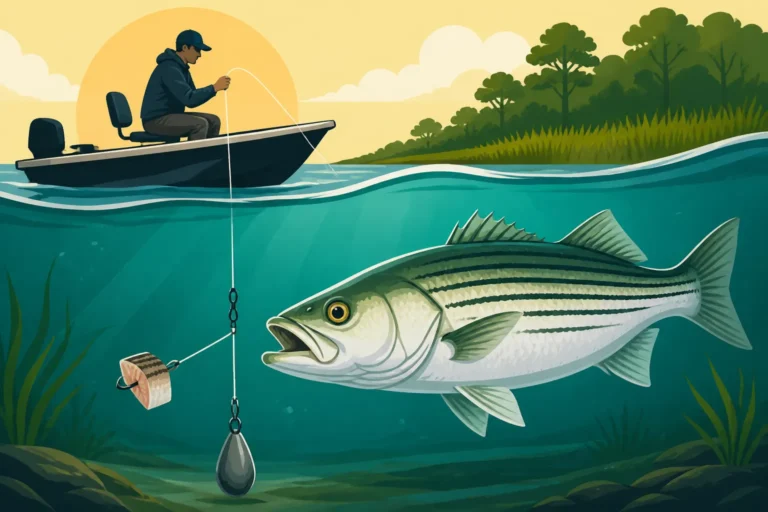
After a cold front, fish often retreat to deeper, more stable water where temperature fluctuations are less severe and barometric pressure feels more consistent. Look for areas with significant depth changes, such as creek channels, deep points, and ledges. These structures offer fish a comfort zone, and they'll often stack up on them. On a major reservoir like Lake Oconee, for example, bass will often pull off the main lake points and suspend over deeper creek channels or hug the drops. Learning Deep Water Techniques for Striped Bass is invaluable, as stripers, especially, will often move to the thermocline (if present) or congregate in the deepest parts of the lake.
Don't overlook submerged timber or brush piles in deeper water. These offer both cover and a slight thermal advantage. Fish will often bury themselves within these structures, making them hard to detect but often providing a concentrated population of fish. Using your electronics to locate these deeper structures is key. If you're fishing from the bank, target areas where you can cast into deeper water or along prominent drop-offs close to shore.
Targeting Cover and Shelter
While deep water is a primary retreat, fish will also seek out dense cover and shelter, even in shallower areas, if it provides warmth or protection from the elements and predators. This could mean docks with deep water access, laydowns that extend into deeper water, or large rock piles. The sun can also play a role; a sunny afternoon after a cold morning might warm up dark rocks or shallow, dark-bottomed areas, attracting fish temporarily.
However, when targeting these shallower cover areas, approach with extreme stealth. Fish will be much more wary and easily spooked. Make long casts to avoid disturbing them, and keep your boat or foot traffic quiet. A subtle presentation is even more critical here. For instance, flipping a jig into the darkest recesses of a dock might tempt a lethargic bass that wouldn't touch an open-water lure. For bream, they might be found schooling tightly under a pier, and the Best Fishing Spots on Lake Sinclair for Bream after a cold front might shift to deeper docks or brush. Always consider how the cover provides a sense of security and a slight advantage against the colder conditions.
Seasonal Considerations for Fishing After a Cold Front in Georgia
The impact of a cold front isn't always the same. How fish react often depends on the season, as their existing physiological state and typical behaviors are already influenced by the time of year. Understanding these seasonal nuances can further refine your post-front strategy in Georgia.
Spring and Fall Cold Fronts
These transitional seasons can be the trickiest because fish are often in a state of flux. In spring, before the spawn or during the early stages of it, a cold front can be devastating. Bass that were moving shallow to stage for spawning might retreat to deeper pre-spawn holding areas, effectively hitting the reset button on their progression. You'll need to locate those deeper staging areas and target them slowly. Similarly, Spring Bass Fishing Patterns on Georgia's Reservoirs can be severely disrupted, requiring anglers to revert to winter-like tactics.
In the fall, fish are typically fattening up for winter, so their metabolism is high. A cold front will slow this down, but they're still driven to feed. They might move deeper but will often still be related to baitfish schools. The key difference is that while they'll still eat, they'll do it with less enthusiasm, requiring you to present baits right in front of them rather than expecting them to chase. Trout fishing in the fall, especially during Georgia's Fall Trout Stocking Timing, might also see fish retreating to deeper pools and requiring a more patient approach.
Winter Cold Fronts
In winter, fish are already in a state of reduced activity due to consistently colder water temperatures. A cold front merely amplifies this. Fish will already be holding in deep water, often schooled up tightly. The primary impact of a winter cold front is to make them even less active and even more reluctant to move. The bite might become incredibly subtle, often feeling like a mere "mushy" weight on the end of your line rather than a distinct strike.
During winter, lakes like Lake Sinclair are known to Fish Better in Winter Than Other Georgia Lakes because of the presence of power plant discharges that keep some areas warmer. Even there, a strong cold front can temporarily slow things down. Your winter cold front strategy should focus on tiny baits, extremely slow presentations, and finding those specific thermal refuges or deep structures where fish are congregated. Fishing vertically, directly over schools of fish, becomes paramount.
Here's a quick comparison of strategies before and after a cold front:
| Condition | Pre-Cold Front (Falling Pressure) | Post-Cold Front (Rising/Stable Pressure) |
|---|---|---|
| Fish Activity | High, aggressive, actively feeding | Low, lethargic, reluctant to chase |
| Location | Often shallower, cruising, open water, active cover | Deeper water, tight to heavy cover, suspended in channels |
| Lure Choice | Fast-moving baits (crankbaits, topwater, spinnerbaits) | Slow-moving finesse baits (jigs, worms, small plastics) |
| Bait Size | Larger, more attention-grabbing | Smaller, subtle |
| Presentation | Fast retrieves, covering water, aggressive jerks | Painfully slow retrieves, dead-sticking, bottom dragging |
| Approach | Less stealth needed | Extreme stealth, long casts, quiet boat/foot traffic |
| Key Gear | Reaction baits, power fishing setup | Finesse tackle, sensitive rods, electronics (fish finder) |
Fishing after a cold front in Georgia can definitely test your patience, but it's far from impossible. By understanding how temperature and barometric pressure affect fish, adjusting your bait and presentation to a slow, subtle approach, and diligently searching deep water and dense cover, you can still turn a tough day into a successful one. Remember, sometimes the difference between a good day and a bad day is simply being willing to slow down and rethink your strategy. A little persistence and the right adjustments can make all the difference, helping you boat some impressive catches even when the weather tries to shut down the bite. You can find many of these finesse baits and sensitive rods on Amazon to build your cold front arsenal.
Disclaimer
This article is for general informational purposes only and does not constitute professional advice. Laws, prices and regulations vary by location and change over time. Consult a qualified professional for guidance on your specific situation.