How to Fish a Lake Without a Boat
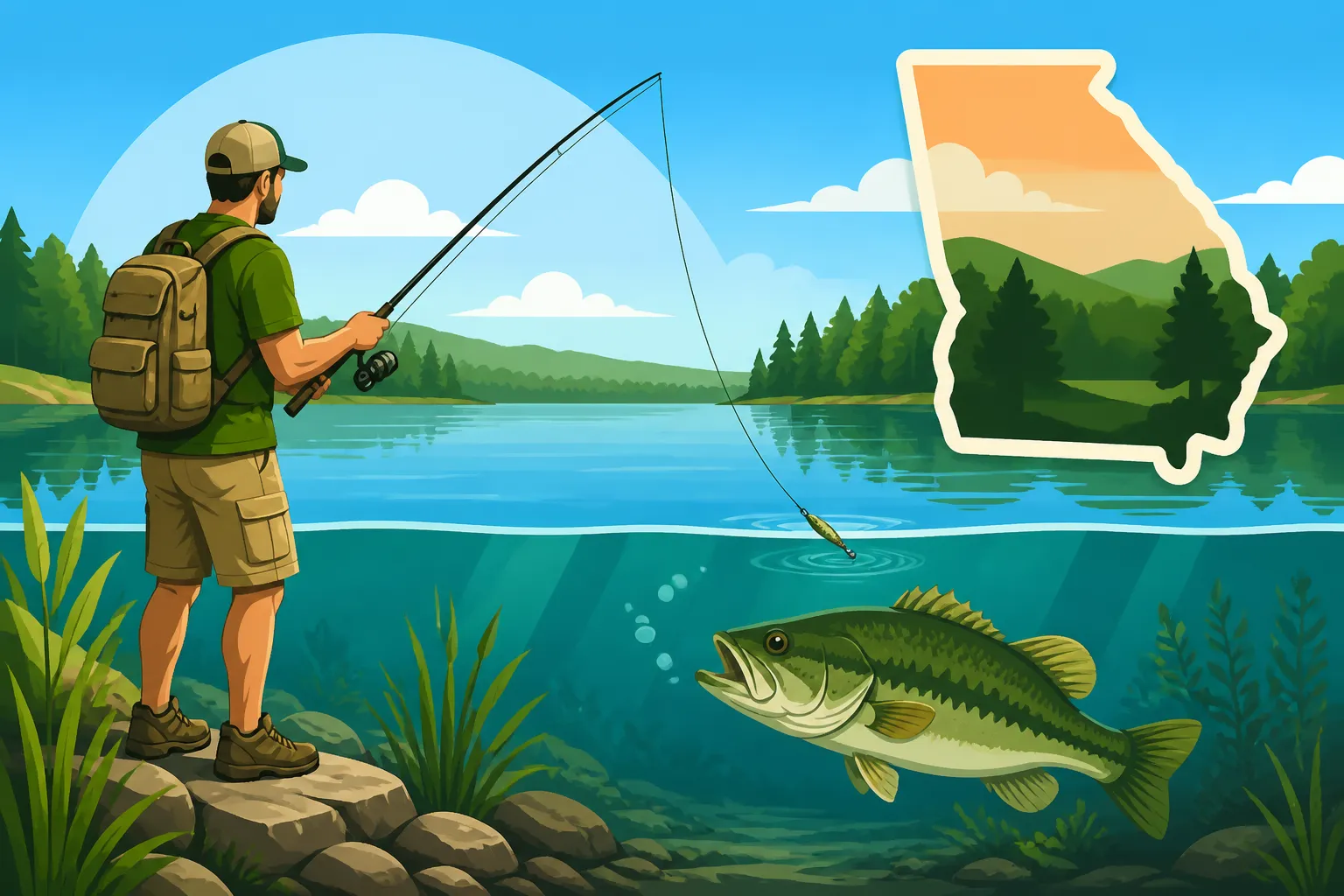
It's a familiar ache for many of us: you're itching to get out on the water, the fish are calling, but that boat you dream of, or even just access to one, feels miles away. We've all been there, standing on the bank, watching others cruise by, feeling like we're missing out on prime fishing. But I'm here to tell you that not having a boat doesn't mean you're out of the game! This comprehensive guide will equip you with the knowledge, tips, and techniques to successfully fish Georgia's abundant lakes and reservoirs without ever needing to launch a vessel.
Understanding Your Lake from Shore: Location, Location, Location
When you don't have a boat, your strategy begins with knowing where you can physically access the water and what those access points offer. It's not just about finding any spot; it's about finding the right spots that put you within striking distance of fish.
Identifying Prime Bank Fishing Spots
Fishing from the bank might sound simple, but the truth is, not all banks are created equal. You want to look for areas that offer natural cover and structure, as these are fish magnets. Think about it: fish need places to hide from predators, ambush prey, and escape strong currents or harsh sunlight. So, when you're scouting, keep an eye out for fallen trees, submerged brush piles, rock formations, and abrupt drop-offs close to shore. These features provide excellent habitat for bass, crappie, catfish, and various panfish.
Often, these prime spots might not be immediately obvious. Sometimes, it means walking a little further, peeking around a bend, or using apps that show topographic maps to identify underwater contours. Public access areas might have well-worn paths to these spots, but sometimes the best ones are a bit more secluded. Always be mindful of private property, of course, and stick to areas open to the public. If you're looking for some ideas, our guide on the Best Bank Fishing Spots in Georgia offers a fantastic starting point for different lakes across the state.
Making the Most of Public Piers and Docks
Public fishing piers and docks are absolute goldmines for anglers without boats. They often extend out into deeper water than you could reach from the bank, giving you access to areas that might otherwise be boat-only territory. Plus, the pilings themselves act as structure, attracting baitfish and, in turn, predatory species. Many piers also have lights, which can draw in plankton and baitfish after dark, making for excellent night fishing opportunities, especially for crappie and catfish.
When fishing a pier, don't just cast straight out. Work the perimeter of the pier pilings. Drop baits straight down, or cast parallel to the structure. On some piers, especially those on larger reservoirs like Lake Lanier or Lake Oconee, you might even be able to target species like striped bass or hybrid striped bass that typically hang in deeper, open water. Always be courteous to other anglers, giving everyone space, and keep your lines from crossing. Some piers might even have cleaning stations, which is a nice bonus at the end of a successful day.
The Advantage of State Parks and Public Fishing Areas
Georgia is blessed with an incredible network of State Parks and Public Fishing Areas (PFAs), many of which are specifically designed with bank anglers in mind. These locations often feature well-maintained shorelines, designated fishing areas, and sometimes even handicap-accessible piers. The fish populations in PFAs are often actively managed by the Georgia Department of Natural Resources, meaning they are frequently stocked and tend to have healthy numbers of popular species. This makes them ideal for families or beginners.
A quick search for "Georgia State Park Fishing Spots" or "Public Fishing Areas Georgia" will reveal a wealth of options near you. Many of these areas are also featured in our extensive guide, Shore Fishing Access Points in Georgia, which can help you pinpoint accessible locations. These spots are fantastic not just for fishing, but for enjoying a day outdoors with amenities like restrooms, picnic areas, and walking trails. It’s a great way to experience Georgia's fishing opportunities even if you're traveling light.
Essential Gear for the Boat-Free Angler
You might think you need a ton of specialized gear to fish effectively without a boat, but honestly, it's more about being smart with what you bring. The key is portability, versatility, and efficiency.
Rods, Reels, and Line for Shore-Based Success
For bank fishing, a medium-action spinning rod between 6.5 and 7.5 feet long is incredibly versatile. This length allows for longer casts, which is crucial when you're trying to reach those distant structures from shore. A medium power rod can handle a variety of lures and baits, from small jigs for panfish to larger soft plastics or crankbaits for bass. Pair this with a reliable spinning reel in the 2500-3000 series size, spooled with 8-12 pound monofilament or fluorocarbon line, or even braided line with a fluorocarbon leader for added sensitivity and casting distance.
If you're really looking to maximize your casting distance, especially on larger lakes or when fishing for species that might hold further out, a longer rod, perhaps 8-9 feet, can make a significant difference. Brands like Ugly Stik or Penn offer durable, affordable options that can take a beating, which is often a reality when you're navigating brushy banks. Many anglers find excellent deals on versatile rods and reels on platforms like Amazon, making it easy to build a solid bank fishing setup without breaking the bank. Choosing the right gear can really help you with How to Cast Farther When Bank Fishing.
The Importance of a Well-Stocked Tackle Bag
When you're hoofing it to your spot, you can't bring everything but the kitchen sink. A compact, organized tackle bag is your best friend. Focus on a selection of lures and baits that are proven producers for the species you're targeting in Georgia. For bass, a few different sizes and colors of soft plastic worms (Texas rigs are a bank angler's dream), some spinnerbaits, and a couple of crankbaits will cover most situations. For panfish and trout, small jigs, inline spinners, and natural baits like worms or crickets are indispensable.
Don't forget the essentials: extra hooks, sinkers (bullet weights for Texas rigs, split shots for bobber fishing), bobbers, line clippers, needle-nose pliers for hook removal, and a measuring tape. A small first-aid kit, insect repellent, and sunscreen are also non-negotiables for comfort and safety. Keeping your bag light and organized means you spend less time fumbling and more time fishing. Our guide on the Best Tackle Bag for Bank Anglers offers great tips for organizing your essentials.
Comfort and Convenience for a Day on the Bank
Fishing from shore often means more walking, standing, and exposure to the elements. Comfortable, supportive shoes are paramount. Consider bringing a lightweight, foldable chair or stool, especially if you plan on settling into a spot for a while. A good wide-brimmed hat, sunglasses, and appropriate layers of clothing for the weather are also key. Hydration is critical, so always pack plenty of water, and a few snacks can keep your energy up.
Many anglers also find a small cooler useful for keeping drinks, snacks, and any fish they plan to keep fresh. A small net can be incredibly helpful for landing fish safely from an elevated bank or pier. And don't forget a camera – you'll want to capture those memorable catches! It's all about making your time on the bank as enjoyable and productive as possible.
Table: Essential Shore Fishing Gear Checklist
| Item | Purpose | Key Considerations for Bank Fishing |
|---|---|---|
| Medium Action Spinning Rod | Versatile for various species and lures | 6.5-7.5 ft length for casting distance; durable construction. |
| 2500-3000 Series Spinning Reel | Balanced with rod, smooth retrieve | Reliable drag, smooth operation. |
| 8-12 lb Test Monofilament/Fluorocarbon | Main line for strength and sensitivity | Good knot strength, low visibility (fluorocarbon). |
| Tackle Bag/Backpack | Organized storage for tackle and essentials | Lightweight, multiple compartments, water-resistant. |
| Assorted Hooks | Various sizes for different baits/fish | Worm hooks, circle hooks, treble hooks. |
| Sinkers/Weights | Getting bait to depth, weedless rigging | Bullet weights, split shot, Carolina rig weights. |
| Bobbers | Visual strike indicator for still fishing | Slip bobbers for deeper presentations, snap-on for shallow. |
| Pliers/Line Clippers | Essential for hook removal and line management | Needle-nose pliers for safety, sharp clippers. |
| Measuring Tape/Scale | Ensuring compliance with size limits | Compact, easy to read. |
| Small Cooler | Keeping drinks, snacks, and catch fresh | Insulated, easy to carry. |
| Foldable Chair/Stool | Comfort during long waits | Lightweight, stable. |
| Sunscreen, Hat, Sunglasses | Protection from the elements | High SPF, wide brim, polarized lenses. |
| Water & Snacks | Hydration and energy | Plenty for the duration of your trip. |
| First-Aid Kit | Handling minor injuries | Band-Aids, antiseptic wipes. |
| Small Landing Net | Safely landing fish from bank/pier | Lightweight, extendable handle. |
Techniques That Truly Work Without a Boat
Just because you're landlocked doesn't mean your fishing techniques have to be limited. In fact, many tried-and-true methods are perfectly suited for shore anglers.
Mastering Casting and Retrieval from Shore
Your casting game needs to be on point when you're restricted to the bank. Practice accuracy to hit those fish-holding structures like submerged logs or weed lines. A good overhead cast will get you the most distance, but learning to skip lures under overhanging branches or docks can be a game-changer. Pay attention to how the wind affects your cast and adjust accordingly. You can find more specific tips and tricks for improving your reach in our article on How to Cast Farther When Bank Fishing.
Beyond casting, your retrieval technique is crucial. Vary your retrieve speed and action. Sometimes a slow, steady retrieve works best, while other times, a twitch-and-pause or erratic retrieve can trigger strikes. Experiment with different lures and presentations. If you're using a soft plastic worm, a slow drag along the bottom, mimicking a crawfish, can be deadly. For a crankbait, a consistent retrieve with occasional pauses can be very effective.
Bait Presentation for Bank Fishing
The type of bait and how you present it will often determine your success. For many Georgia lakes, live bait is incredibly effective from shore. Crickets, worms, and minnows under a bobber are fantastic for panfish and even smaller bass. If you're targeting catfish, stink baits, chicken livers, or cut bait fished on the bottom with a slip-sinker rig are hard to beat. Just make sure your bait is lively and presented naturally.
For artificials, finesse techniques often shine when bank fishing. Weightless wacky worms, Ned rigs, or small jigs tipped with soft plastics can be cast accurately and worked slowly, giving fish plenty of time to strike. These smaller presentations can be particularly effective in pressured waters or when fish are less aggressive. Remember, fish from the bank typically get a lot more pressure, so subtle presentations can often outproduce flashy, noisy lures.
Adapting to Different Fish Species and Seasons
Georgia's lakes offer a diverse range of species, and your boat-free approach needs to adapt.
- Bass: Look for cover, especially during the spring spawn when they're shallow, or in the fall when they feed aggressively. Worms, jigs, and spinnerbaits are staples.
- Crappie: In spring, they're often shallow near brush piles or fallen trees. Small jigs or minnows under a bobber are ideal. In cooler months, look for them around pier pilings in deeper water.
- Catfish: They are often found on the bottom, especially in deeper holes or near creek channels. Night fishing can be incredibly productive for catfish.
- Bream/Bluegill: These panfish are almost always accessible from the bank, particularly in warmer months. Small worms or crickets under a bobber, or tiny jigs, work wonders. They're a great target if you're introducing kids to fishing, as detailed in our Bream and Bluegill Fishing for Beginners guide.
Understanding Georgia Fishing Seasons by Month and how fish behave throughout the year will significantly increase your success. For instance, during the spring spawn, bass will be closer to the bank, making them highly accessible. In the heat of summer, they might retreat to deeper, shadier areas, requiring longer casts or fishing from piers that reach those cooler depths. Similarly, understanding How Water Temperature Affects Fish Behavior can help you anticipate where fish might be holding.
Overcoming Challenges and Maximizing Your Catch
Fishing without a boat does come with its own set of challenges, but with a bit of planning and persistence, you can definitely tip the odds in your favor.
Dealing with Limited Access and Cover
The biggest hurdle for boat-less anglers is often limited access. You can't just motor over to that juicy-looking cove on the other side of the lake. This means maximizing the spots you can reach. If an area has heavy bank vegetation, consider using weedless presentations like Texas-rigged worms or weedless jigs. These allow you to cast directly into heavy cover where big bass often hide, without getting snagged constantly.
Sometimes, the best approach is to be stealthy. Move slowly along the bank, keeping your shadow off the water. Make accurate, quiet casts. Fish close to shore first, then work your way out with longer casts. You'd be surprised how many fish are holding right under the bank, especially early in the morning or late in the evening. Don't overlook small pockets of open water within dense cover, as these can be ambush points for predatory fish.
Reading the Water and Understanding Fish Behavior
Since you can't rely on electronics to find fish, developing your "fishy eye" is paramount. Look for subtle signs: ripples on the surface indicating baitfish activity, diving birds, or even swirls and wakes from larger fish. Pay attention to water color, current, and wind direction. Wind can push baitfish into certain coves or against specific banks, and where the bait goes, the predators follow.
Understanding general fish behavior patterns is also key. For example, during low light conditions (dawn, dusk, or cloudy days), fish are often more active and willing to move into shallower water to feed. If you're fishing on a bright, sunny day, they might be tucked deeper into shade or heavy cover. Knowing the Best Time of Day to Fish for Bass or other species can dramatically increase your chances. Take your time, observe your surroundings, and let the lake tell you its secrets.
Safety and Etiquette for Shore Anglers
Safety is always first, whether you're in a boat or on the bank. Be aware of your surroundings, especially if you're in an unfamiliar area. Let someone know where you're going and when you expect to return. Wear appropriate clothing, protect yourself from the sun, and stay hydrated. If you're fishing near roads or busy areas, be mindful of traffic.
Etiquette is also important. Always clean up after yourself – pack out everything you pack in, including discarded fishing line and bait containers. Respect other anglers' space; don't crowd them, especially on popular piers or bank spots. If you're practicing catch and release, handle fish carefully and release them quickly to ensure their survival. Remember, we all share these precious resources, and by being respectful stewards, we ensure great fishing for everyone, for years to come.
Disclaimer
This article is for general informational purposes only and does not constitute professional advice. Laws, prices and regulations vary by location and change over time. Consult a qualified professional for guidance on your specific situation.