Best Techniques for Bank Fishing
It’s a tale as old as time for many anglers: you arrive at a beautiful Georgia lake or river, gaze out at those promising coves and structures just beyond your casting reach, and feel that familiar pang of frustration. You're stuck on the bank, watching boaters seemingly effortlessly pull in fish from spots you can only dream of. But here’s the truth: you don’t need a fancy boat to find incredible fishing success in Georgia. This guide is all about empowering you, the bank angler, with the knowledge and techniques to turn those overlooked shorelines into your personal honey holes. We're going to dive deep into how to make the most of your shore-based adventures, proving that some of the best fishing experiences are right at your feet.
The Unique World of Bank Fishing in Georgia
Many people assume that bank fishing is inherently less effective than fishing from a boat. While boats offer mobility and access to open water, bank fishing presents its own set of challenges and, more importantly, unique opportunities. It’s a different game, requiring a different mindset and approach, but it's incredibly rewarding.
Overcoming the Shoreline Limitations
Let's be real, the biggest hurdle for any bank angler is access. You can't just motor over to that brush pile in the middle of a cove or follow a schooling pattern across the lake. This often leads to feelings of being limited, stuck casting into what seems like barren water, or perpetually fishing shallow, pressured areas. You might find yourself constantly snagging on unseen obstacles right by the bank, or struggling to get your lure out to where you think the fish are holding.
These frustrations are completely valid. However, the key to successful bank fishing isn't to try and replicate what boat anglers do; it's to adapt and excel at what the bank does offer. It means learning to read the water differently and understanding that fish, especially certain species, often utilize shoreline cover and structure more than you might think. Instead of seeing the bank as a limitation, view it as a unique vantage point, a natural ambush spot for you to intercept fish that venture close to the shore. Think about it: a fish on the bank doesn't have a boat motor spooking it. For more ideas on maximizing your shore experience, check out our guide on How to Fish a Lake Without a Boat.
Understanding Fish Behavior Near the Bank
Fish are opportunistic creatures, and they are constantly seeking food, cover, and comfortable water temperatures. While large schools of fish might roam open water, a significant number of fish, particularly bass, crappie, catfish, and panfish, spend a surprising amount of time in shallow water or very close to the bank.
Why? For starters, shorelines often provide abundant cover: fallen trees, weed beds, rip-rap, docks, and even subtle changes in bottom contour can create perfect ambush points. Baitfish, insects, and crustaceans often congregate near the edges, providing a readily available food source. During certain times of the year, like the spring spawn for bass and crappie, fish are actively moving into the shallowest areas right along the banks to lay their eggs. Even in colder months, deeper drop-offs or submerged structure just offshore can hold fish seeking stable temperatures. By learning to identify these key features and understanding seasonal patterns, you can dramatically increase your chances of finding fish right where you stand.
Essential Gear for the Savvy Bank Angler
One of the greatest advantages of bank fishing is the minimalist approach it allows. You don't need a boatload of expensive equipment, but having the right gear can make all the difference in comfort, efficiency, and success.
Rod and Reel Setups for Reach and Versatility
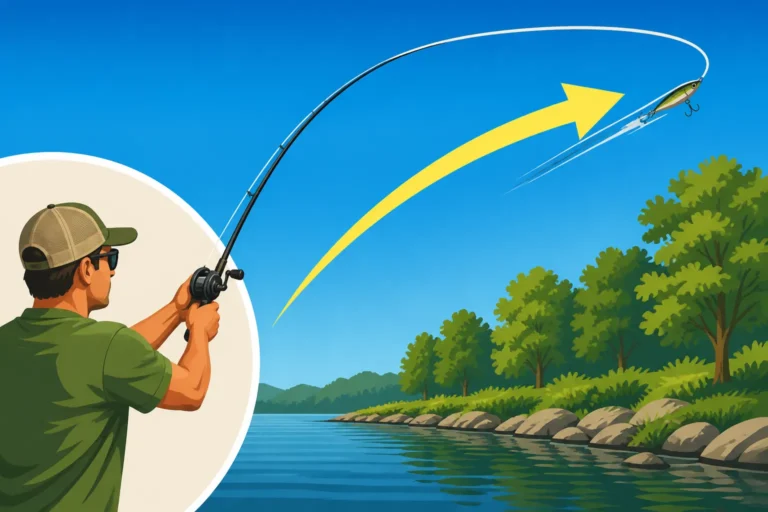
When you're confined to the bank, casting distance and accuracy become paramount. This is where your choice of rod and reel really shines.
-
Rods: Forget those short 5-foot rods you might use in a tight boat. For bank fishing, a longer rod, typically 7 to 9 feet, is your best friend. The extra length provides several benefits:
- Increased Casting Distance: A longer rod loads more energy during the cast, propelling your lure farther out into the water.
- Better Line Control: It helps you keep more line off the water, reducing drag from current and allowing for more precise lure presentations and hook sets.
- Leverage: When fighting a fish, especially if you need to steer it away from snags near the bank, a longer rod gives you superior leverage.
- Power: A medium-heavy to heavy power rod is often ideal, as it offers the versatility to cast a variety of lures and handle different fish sizes.
Consider a two-piece rod if you need portability, making it easier to hike into those more secluded spots. If you're looking for recommendations, our guide on the Best Rod for Shore Fishing Without a Boat has some excellent suggestions.
-
Reels: Spinning reels are generally preferred for bank fishing due to their ease of casting lighter lures and their forgiveness with casting errors. A 2500-4000 series reel is a good all-around choice. Pair it with a good quality line:
- Monofilament: Offers stretch, which can be forgiving when fighting fish, and is relatively inexpensive.
- Fluorocarbon: Excellent for its low visibility in clear water and good sensitivity, though it can be pricier.
- Braided Line: Extremely sensitive, casts a long way, and has no stretch. It's fantastic for feeling subtle bites, but you might want to tie on a fluorocarbon leader for stealth, especially in clear water. You can find a wide range of suitable rods, reels, and lines on platforms like Amazon, often with helpful reviews from other anglers.
Streamlining Your Tackle and Transport
One of the biggest mistakes bank anglers make is trying to carry too much gear. Mobility is key when you're on foot, so streamlining your tackle is crucial.
Instead of a bulky tackle box, opt for a fishing backpack, a shoulder bag, or a specialized tackle binder. These allow you to carry only the essentials – a few trays of your go-to lures, extra hooks, sinkers, and leaders. Think about the species you're targeting and the conditions, and pack accordingly. A good tackle bag will have multiple compartments and pockets for organization, making it easy to access what you need without rummaging. You can find a fantastic selection of lightweight and durable options, including the Best Tackle Bag for Bank Anglers, on Amazon.
Don't forget comfort items that support your mobility. A good pair of comfortable, waterproof shoes is a must, especially if you plan on walking rough terrain or wading into shallow areas. And while standing is part of the game, having a lightweight, portable seating option like the Best Folding Chair for Bank Fishing can make a world of difference during long waits or when fishing a single productive spot for an extended period.
Auxiliary Gear for Comfort and Safety
Beyond your rod and tackle, a few other items can significantly improve your bank fishing experience:
- Sun Protection: Georgia's sun can be intense. A wide-brimmed hat, sunglasses, and a good quality, water-resistant sunscreen are non-negotiable. Look for broad-spectrum sunscreens on Amazon that offer both UVA and UVB protection.
- Hydration: Always carry plenty of water, especially during warmer months. A reusable water bottle is a great investment.
- Insect Repellent: Depending on the season and location, mosquitoes, gnats, and ticks can be a nuisance. A reliable insect repellent will allow you to focus on fishing, not swatting.
- First-Aid Kit: A small, basic kit for minor cuts, scrapes, or insect stings is always a good idea.
- Multi-tool/Pliers: Essential for cutting line, removing hooks, and making minor adjustments to your gear.
- Stringer or Cooler: If you plan on keeping your catch, a sturdy stringer or a small, insulated cooler with ice will keep your fish fresh.
- Waders: For those adventurous anglers looking to access slightly deeper water or cross small creeks, a pair of lightweight waders can be a game-changer. Our article on Best Waders for Fishing Rivers From Shore provides excellent guidance if you're considering this option.
Mastering Effective Bank Fishing Techniques
Successfully fishing from the bank isn't just about having the right gear; it's about employing smart, adaptable techniques that compensate for your limited mobility and capitalize on the unique opportunities the shoreline presents.
Precision Casting and Presentation
When you can't move your boat to the fish, you have to bring your lure to them with surgical precision. This goes beyond simply casting far; it's about casting accurately and presenting your bait naturally.
- Accuracy is King: Practice casting to specific targets – that lone stump, the shady side of a dock, the edge of a weed line. Learning to skip soft plastics or jigs under docks can be incredibly effective, as these spots often hold unpressured fish. Pitching and flipping techniques, usually associated with boat fishing, can be adapted for close-quarters bank fishing around heavy cover.
- Stealthy Approach: Fish near the bank are often warier than those in open water because they're more exposed to predators (including humans). Approach your fishing spot quietly, avoid stomping, and keep a low profile. Long casts away from your immediate position reduce the chances of spooking fish before your lure even gets there.
- Varying Your Retrieve: Don't just cast and reel in at a steady pace. Experiment with different retrieve speeds, pauses, twitches, and jerks. Mimic a wounded baitfish or a crawling crawfish. The subtle action you impart can often be the trigger for a strike. Our guide on How to Cast Farther When Bank Fishing offers more tips on refining your casting technique.
Exploiting Natural and Man-Made Cover
Shorelines are rich with fish-holding structures, both natural and man-made. Learning to identify and effectively fish these spots is crucial for bank anglers.
- Natural Cover: Look for fallen trees, submerged logs, rock piles, weed beds (especially edges and pockets), creek mouths, and points that extend into the water. These offer fish protection from predators, current, and harsh sunlight, while also providing ambush points.
- Man-Made Cover: Docks, boat ramps, bridge pilings, culverts, rip-rap (rocky embankments), and even old tires or debris can attract fish. These structures often create current breaks or provide shade, making them magnets for baitfish and game fish alike.
- Targeting the Edges: Fish often hug the edges of cover. Cast your lure so it lands just beyond the cover and then retrieve it along the edge, allowing it to bump or graze the structure. This triggers strikes from fish hiding in wait. Be prepared for snags, and consider using weedless rigs like Texas rigs for soft plastics. For a deeper dive into finding prime spots from shore, check out Best Spots to Fish From the Bank.
Adapting to Different Water Conditions and Fish Species
No two fishing days are exactly alike, and successful bank anglers know how to adapt their techniques to prevailing conditions and target species.
- Water Clarity: In clear water, use lighter lines, natural bait colors, and subtle presentations. In stained or muddy water, switch to brighter colors, scented baits, and lures that create more vibration.
- Current: In rivers or areas with current, cast upstream and allow your lure to drift naturally downstream, just like real forage. Use heavier weights to get your bait down in faster currents.
- Target Species Techniques:
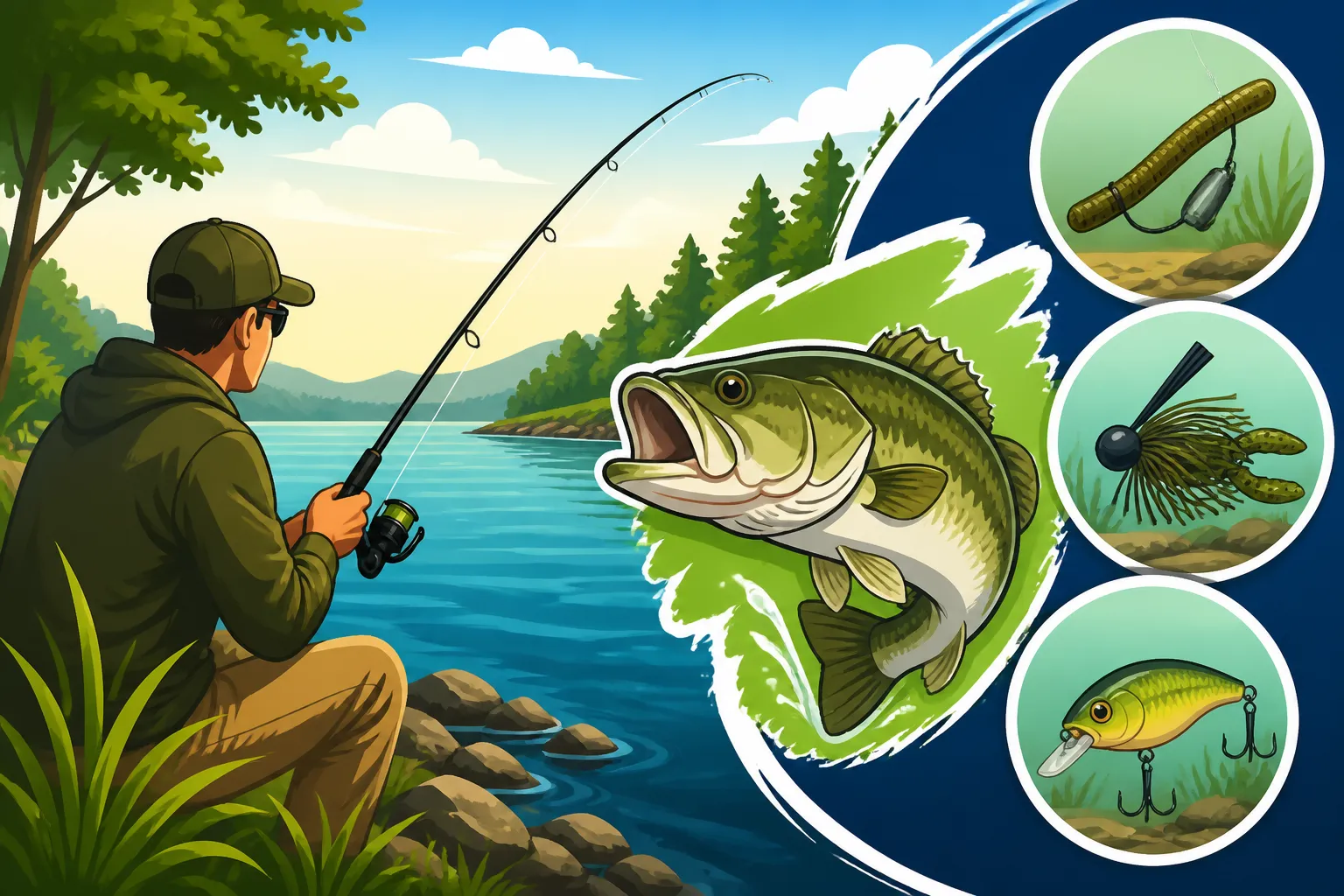
- Bass: Soft plastic worms (Texas rigs, wacky rigs, Ned rigs), jigs, small crankbaits, and spinnerbaits are all effective from the bank. Focus on cover and structure.
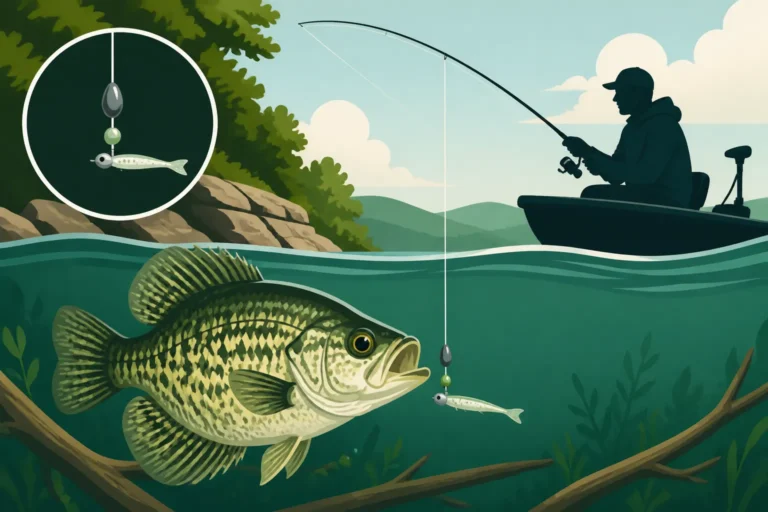
- Crappie: Small jigs (1/32 to 1/16 oz) tipped with a minnow or plastic grub fished under a bobber near submerged brush or docks is a classic bank method. Vertical jigging alongside structure can also be productive.
- Catfish: Bottom fishing with cut bait, chicken livers, or worms on a slip-sinker rig is highly effective. Look for deeper holes or current breaks.
- Bream/Bluegill: Worms, crickets, or small artificial baits under a bobber are unbeatable. These panfish are often abundant right along the banks and are a great target for beginners.
No matter what you're after, understanding how to fish efficiently from the bank is a valuable skill. For general tips that apply to many species, refer to How to Fish From the Bank Effectively, and if you're bringing the kids, don't miss our guide on Best Beginner Fishing Spots for Bluegill in Georgia.
Strategic Thinking: Reading the Water from Shore
Being a successful bank angler often boils down to becoming a master observer. Since you can't move around freely like a boater, your ability to "read the water" and identify productive areas from your vantage point is paramount.
Identifying Productive Bank Features
Before you even make your first cast, take a moment to survey your surroundings. Look for visual cues that indicate where fish might be holding or feeding.
- Points and Coves: Points that extend into the water often create current breaks and act as travel corridors for fish. Coves offer calmer, often warmer water, which can attract baitfish and provide spawning grounds.
- Inlets and Creek Mouths: Where smaller creeks or drains enter a larger body of water, they bring in nutrients, baitfish, and often slightly different water temperatures. These are prime feeding zones.
- Subtle Bottom Changes: While harder to see, look for changes in water color or current patterns that might suggest a drop-off or submerged hump. Even a slight depth change can hold fish.
- Overhanging Vegetation: Trees and bushes along the bank provide shade and drop insects or other forage into the water. Fish will often hold directly under these shadows.
- Wind Direction: Wind pushing into a bank can concentrate baitfish, creating a feeding frenzy for game fish. Conversely, a strong wind off the bank can make casting difficult and push fish away. Understanding how to read the water, even for specific species like in our How to Read Water for Trout Fishing article, applies to general bank fishing as well.
Timing Your Bank Fishing Adventures
Timing is everything, and for bank anglers, it can be even more critical than for boaters who can chase fish throughout the day.
- Dawn and Dusk: These low-light periods are universally excellent for fishing. Many fish species are more active and less wary during these times, moving into shallower water to feed. The diminished light provides them with a sense of security.
- Cloudy Days: Overcast skies can extend these prime feeding windows throughout the day, as fish feel more comfortable in shallower water without the harsh overhead sun.
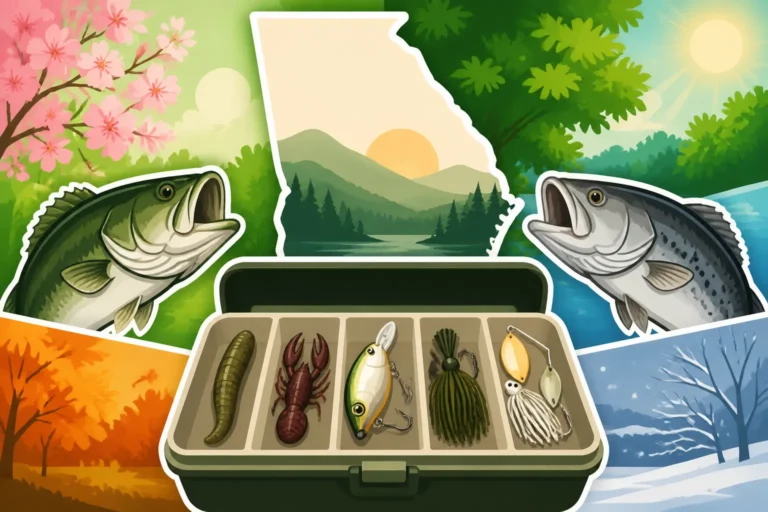
- Seasonal Patterns:
- Spring: This is arguably the best time for bank fishing in Georgia. The bass and crappie spawn brings fish into very shallow water, making them highly accessible from shore. Focus on protected coves and shallow flats.
- Summer: Early morning and late evening are crucial. During the heat of the day, fish will seek deeper, cooler water or dense shade. Target deep drop-offs near the bank or dense cover.
- Fall: As water temperatures cool, fish become very active, feeding heavily to prepare for winter. They can often be found in shallower areas.
- Winter: Fishing can be tougher, but not impossible. Look for deeper banks, sun-exposed areas that warm up slightly, or areas with current that provide more stable temperatures.
Understanding the daily and seasonal movements of fish will allow you to be in the right place at the right time. Our article on the Best Time of Day to Fish for Bass offers more insights that can be adapted for bank fishing.
Here's a quick reference table for common bank fishing scenarios:
| Fish Species | Common Bank Fishing Baits/Lures | Recommended Rig/Technique | Ideal Bank Spots |
|---|---|---|---|
| Largemouth Bass | Soft Plastic Worms, Jigs, Spinnerbaits | Texas Rig, Ned Rig, Weightless Wacky Rig | Docks, Fallen Trees, Weed Lines, Points |
| Crappie | Small Jigs, Live Minnows, Tiny Crankbaits | Under a Bobber, Vertical Jigging | Submerged Brush, Bridge Pilings, Docks |
| Catfish | Cut Bait, Worms, Stink Bait | Bottom Rig (Carolina Rig), Slip Sinker | Deeper Holes, Current Breaks, Creek Mouths |
| Bream/Bluegill | Crickets, Worms, Small Poppers | Under a Bobber, Fly Fishing (light) | Shallow Flats, Overhanging Vegetation |
| Striped Bass (Rivers) | Live Shad, Large Swimbaits, Spoons | Bottom Rig, Casting & Retrieving | Main Channel Eddies, Dam Tailwaters |
Bank fishing in Georgia is an incredibly accessible and rewarding pursuit, offering the chance to connect with nature and land some impressive catches without the need for a boat. By understanding the unique challenges and opportunities, equipping yourself with smart, streamlined gear, and mastering specific techniques for shoreline success, you can transform your bank-bound frustrations into triumphs. So, grab your rod, pack light, and explore the countless miles of accessible shoreline Georgia has to offer. You might be surprised at what you find just a cast away.
Disclaimer
This article is for general informational purposes only and does not constitute professional advice. Laws, prices and regulations vary by location and change over time. Consult a qualified professional for guidance on your specific situation.