How to Catch Bluegill as a Beginner
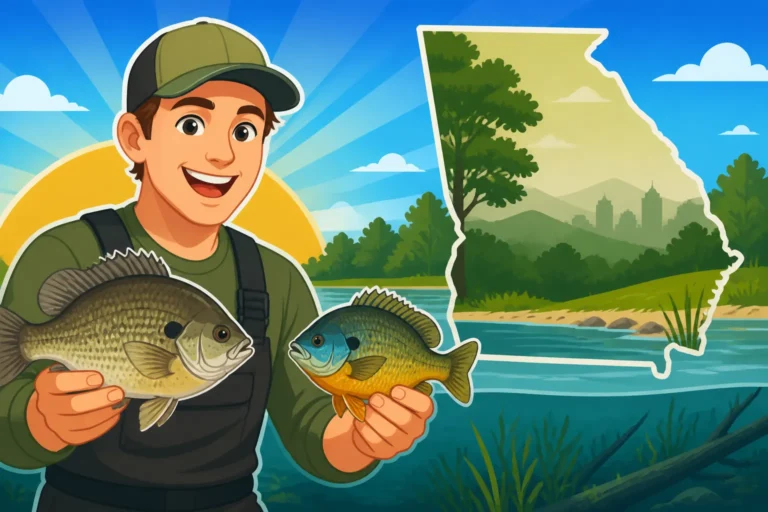
If you've ever felt that fishing is too complicated, too expensive, or too intimidating to try, especially with children, then you're not alone. Many aspiring anglers in Georgia get bogged down by the sheer volume of gear and techniques out there, but I'm here to tell you that catching fish can be incredibly simple and rewarding. This comprehensive guide is designed to demystify the process and provide every beginner, young or old, with the foundational knowledge and actionable steps to successfully catch bluegill, one of Georgia's most enthusiastic and accessible fish.
Why Bluegill Are the Perfect Fish for Beginners in Georgia
Bluegill are, without a doubt, the gateway drug of fishing, especially here in the Peach State. They're abundant, eager to bite, and provide an instant thrill that hooks new anglers for life. There's just something magical about that bobber disappearing under the water that never gets old, no matter how many times you've seen it. For those looking to dive into the world of angling without the complexities often associated with pursuing other species, bluegill offer a perfect, low-stress entry point.
The Joy of an Easy Catch
Let's be honest, nothing builds confidence in a new hobby like immediate success. Bluegill are known for their aggressive feeding habits and aren't particularly finicky eaters, which means they're much more likely to take your bait than, say, a wily largemouth bass. This makes them incredibly rewarding for beginners, as you're likely to get consistent bites and feel that satisfying tug on your line. It's that consistent action that keeps you engaged and eager for more.
Imagine casting out your line, patiently watching your bobber dance on the surface, and then blip – it's gone! That sudden disappearance is pure excitement, signaling a bluegill has taken your offering. This immediate feedback loop is fantastic for learning, allowing you to quickly understand how fish react and how to set the hook. You'll gain practical experience with every cast, reeling in small but feisty fighters that put a smile on your face.
Abundance and Availability Across Georgia
One of the greatest advantages of bluegill fishing in Georgia is how widespread these little panfish are. You don't need a fancy boat or access to an exclusive trophy lake. Bluegill thrive in virtually every freshwater environment imaginable: small farm ponds, larger reservoirs, slow-moving rivers, and even neighborhood retention ponds. If there's water, there's a good chance bluegill call it home.
From the tranquil ponds of your local Georgia State Park Fishing Spots to the vast expanses of Lake Lanier or Lake Oconee, bluegill are present and waiting. This accessibility means you can often find a great fishing spot just a short drive from home, making impromptu fishing trips a breeze. You'll find them congregating around submerged structures like fallen trees, weed beds, docks, or rocky banks, always on the lookout for their next meal.
Family-Friendly Fun
If you're looking for an activity that truly bridges generations and gets everyone outdoors, bluegill fishing is it. They are arguably the Easiest Fish for Kids to Catch, making them an ideal species for introducing children to the joys of angling. The simple gear, straightforward techniques, and frequent bites keep kids engaged and prevent boredom from setting in. There's nothing quite like seeing a child's face light up as they reel in their very first fish.
Beyond just catching, bluegill fishing provides a fantastic opportunity to teach important lessons about nature, patience, and conservation. It's a chance to unplug from screens and reconnect with the natural world, creating lasting memories. Many of our local public fishing areas and state parks offer excellent Best Fishing Spots for Kids and Families in Georgia, often featuring accessible piers and well-maintained banks perfect for a family outing.
Essential Gear for Your First Bluegill Trip (No Need to Break the Bank!)
One of the beautiful things about bluegill fishing is that you absolutely do not need to spend a fortune on equipment. Forget the high-tech electronics and specialized rods; for bluegill, simple and affordable gear will get the job done wonderfully. The key is to have reliable, basic equipment that's easy for a beginner to handle.
Simple Rod and Reel Setup
For bluegill, a lightweight spinning rod and reel combo is your best friend. Look for a rod in the 5 to 6.5-foot range with light to ultralight action. This type of rod is sensitive enough to feel those subtle bluegill nibbles but still has enough backbone to cast light baits and handle the occasional larger fish. The reel should be a small spinning reel (size 1000 or 2000) spooled with 4- to 6-pound test monofilament fishing line. This lighter line helps you cast small baits further and makes reeling in a feisty bluegill feel like a true battle!
When choosing your combo, durability and ease of use are more important than fancy features. Many sporting goods stores and even large retailers like Amazon offer beginner-friendly combos that come pre-spooled with line, making them ready to go straight out of the box. A good starter setup can often be found at a very reasonable price, proving you don't need to overspend to get into this fantastic hobby.
The Magic of a Bobber
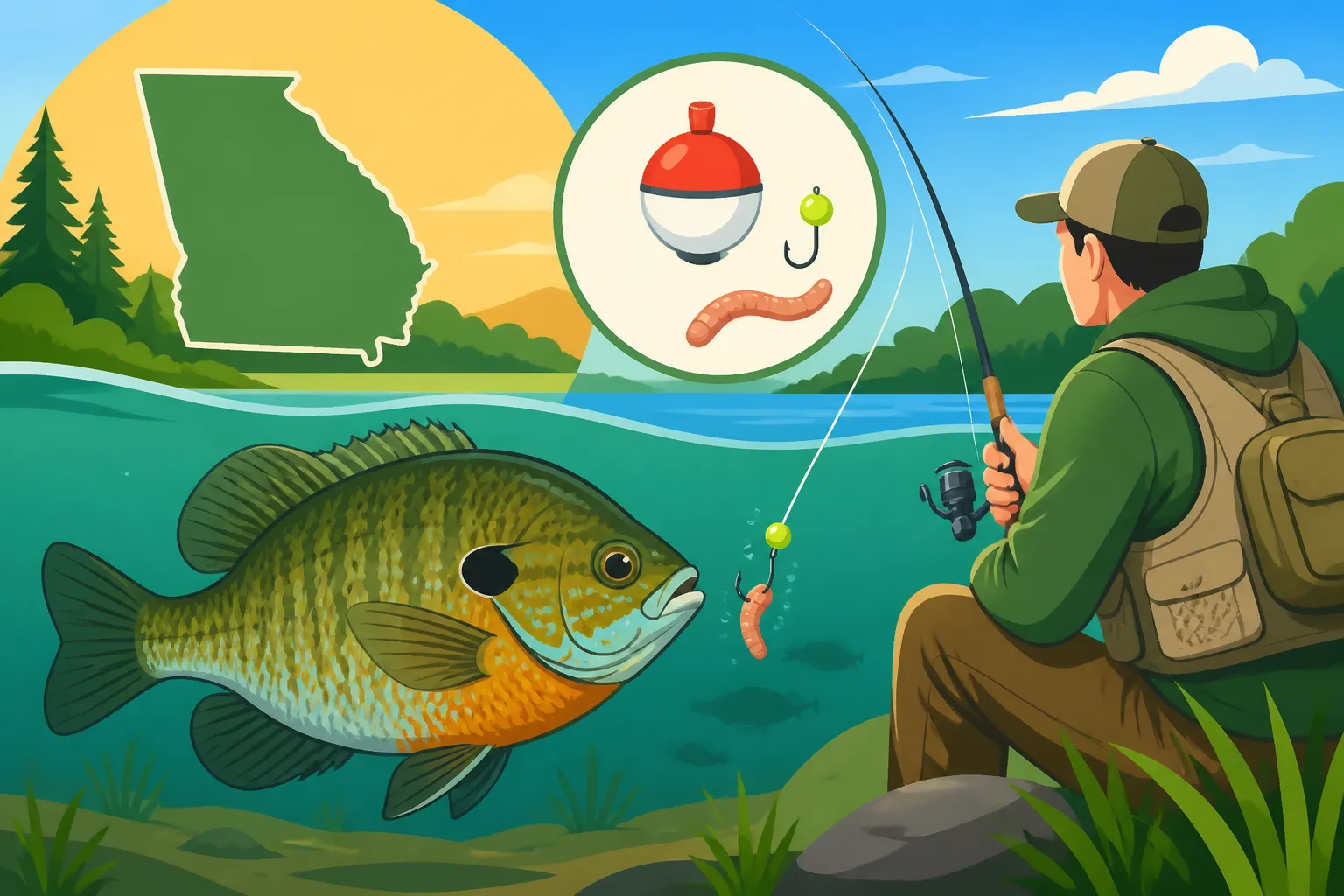
The bobber (also known as a float) is an indispensable tool for bluegill fishing, especially for beginners. It serves several crucial purposes. First, it keeps your bait suspended at a desired depth, preventing it from sinking to the bottom where it might get snagged or be missed by bluegill. Second, and most importantly for new anglers, it acts as a visual strike indicator. When a bluegill takes your bait, that bobber will dip, twitch, or disappear entirely beneath the surface, signaling it's time to set the hook!
There are various types of bobbers, but for bluegill, simple clip-on or slip bobbers work perfectly. Clip-on bobbers are great for shallower water, easily attaching to your line. Slip bobbers, which slide freely on your line, are excellent for fishing deeper water or adjusting your depth quickly. Learning How to Rig a Bobber for Bream correctly is a fundamental skill that will serve you well in many types of fishing.
Bait That Bluegill Can't Resist
Bluegill are opportunistic feeders, meaning they'll eat a wide variety of things, which is fantastic news for beginners! You don't need exotic or expensive lures. The best baits are often the simplest and most natural. Earthworms are a classic bluegill magnet – a small piece of a nightcrawler or red wiggler threaded onto a hook is almost irresistible. Crickets are another top choice, especially in late spring and summer.
Beyond live bait, small pieces of corn, bread, or even tiny chunks of hot dog can tempt bluegill. For those who prefer artificial options, a tiny jig head tipped with a micro plastic grub or a small spinner can also be incredibly effective. You can often find great value packs of these items on Amazon, allowing you to experiment without a huge upfront investment. The key is to use small baits that match the size of a bluegill's mouth. For more specific ideas, check out our guide on the Best Bait for Bluegill Fishing.
Basic Terminal Tackle
"Terminal tackle" refers to all the bits and bobs at the end of your fishing line. For bluegill, this includes hooks and small sinkers.
- Hooks: Use small, sharp hooks. Sizes 6, 8, or 10 are ideal for bluegill. Circle hooks can be a good choice as they often hook the fish in the corner of the mouth, making for easier, safer release if you're practicing catch and release.
- Sinkers: Small split shot sinkers are used to add just enough weight to your line to cast effectively and help your bait sink, but not so much that it pulls your bobber under prematurely. Start with one or two small sinkers placed a few inches above your hook.
Make sure you have a small pair of pliers or a hook remover tool, especially if you plan to release your fish. A small cooler with ice for drinks and snacks (and any fish you decide to keep) completes your basic setup. Remember, less is often more when you're starting out.
Step-by-Step Guide to Landing Your First Georgia Bluegill
Now that you've got your gear ready, let's walk through the actual process of catching bluegill. It's simpler than you might think, and with a little practice, you'll be a bluegill pro in no time! The key is to approach it with patience and a willingness to learn from each cast.
Finding the Right Spot
Bluegill love cover and structure. In ponds and lakes, look for areas with lily pads, submerged timber (fallen trees), weed beds, docks, or rocky banks. These spots provide shelter from predators and offer prime feeding grounds for insects and smaller aquatic life. In rivers, look for calmer eddies, slow-moving backwaters, or areas where current breaks are formed by rocks or logs. Early mornings and late evenings are often the best times, as bluegill tend to be more active and closer to the surface.
If you're at a local public fishing area, often designated bluegill spots are clearly marked, or you might see other anglers having success in particular areas. Don't be afraid to try different spots along a bank until you find where the fish are holding. Remember, even a small change in location can make a big difference in your success, especially when you're targeting panfish like bluegill.
Rigging Up
This is where your simple gear really shines. Here's a basic bluegill rig:
- Attach your hook: Tie your small hook to the end of your fishing line using a simple knot like an Improved Clinch Knot. There are plenty of online videos that show easy-to-tie fishing knots.
- Add split shot: Crimp one or two small split shot sinkers about 6-12 inches above your hook. The exact distance isn't critical, but this separation allows your bait to move more naturally.
- Attach your bobber: Clip your bobber onto your line about 1-3 feet above your split shot, depending on how deep you want your bait to sit. If you're fishing near the surface around lily pads, a shallower setting is better. If you're in deeper water, you might set it deeper. Adjust as needed.
This simple setup allows your bait to dangle enticingly at a set depth, making it easy for bluegill to find and grab. It's a tried and true method for a reason, and it's perfect for beginners because there are fewer variables to worry about.
Casting and Presenting Your Bait
For beginners, especially kids, a simple overhead cast is usually the easiest to learn. Hold the rod with your dominant hand, open the bail on your spinning reel, and lightly hold the line with your index finger. Bring the rod back over your shoulder, then smoothly sweep it forward, releasing the line with your finger as the rod points towards your target. Aim for those areas with cover where you suspect bluegill are hiding.
Once your bait and bobber land on the water, let it sit. Bluegill are often curious and will come investigate. Don't be afraid to give your rod a tiny twitch occasionally to make the bait look alive. This gentle movement can often trigger a bite from a hesitant fish. The idea is to present the bait naturally and wait for the action.
Recognizing a Bite and Setting the Hook
This is the moment of truth! With a bobber, recognizing a bite is usually quite clear. You might see the bobber twitch, dance erratically, or, most excitingly, slowly sink or rapidly disappear underwater. When that bobber goes down, it's time to set the hook!
To set the hook, simply give your rod a quick, upward flick of the wrist. You don't need a huge, sweeping motion; a sharp, short jerk is usually enough to embed the small hook firmly in the bluegill's mouth. After you set the hook, you'll feel the weight and lively struggle of the fish.
Reeling in Your Catch
Once you've set the hook, keep your rod tip up and begin reeling in steadily. Don't crank too fast or too slow; maintain tension on the line to prevent the fish from spitting the hook. Bluegill, despite their small size, can put up a surprisingly spirited fight, bending your light rod and making for an exciting retrieve.
When the fish is close to the bank or boat, gently lift it out of the water. Avoid swinging it wildly, which can injure the fish or cause it to fall off the hook. Handle the fish carefully, especially if you plan to release it. Use those small pliers or a hook remover to gently extract the hook. If you plan to keep your catch for a delicious meal, place it immediately on ice.
Tips for a Successful and Enjoyable Bluegill Fishing Experience in Georgia
Getting started with bluegill fishing is a fantastic journey, and a few extra tips can make your initial experiences even more rewarding and set you up for long-term enjoyment. Remember, every angler starts somewhere, and these simple suggestions can make a big difference.
Best Times to Go
While bluegill can be caught throughout the day, certain times are generally more productive. Early mornings, just after sunrise, and late evenings, leading up to sunset, are often prime times. During these periods, the water temperature is typically cooler, and bluegill are more active and willing to feed. On cloudy or overcast days, bluegill might remain active closer to the surface for longer, offering good fishing opportunities throughout the day.
During the hotter parts of a sunny day, bluegill tend to retreat to deeper, cooler water or seek refuge in dense cover. If you're out during midday, try fishing in shaded areas or deeper pockets if possible. The spring and fall months often offer the most consistent bluegill action, but they can be caught year-round in Georgia. You'll find similar advice for other panfish, like in our guide on the Best Time of Day to Fish for Crappie, which shares some common patterns.
Patience and Persistence
Fishing, at its heart, is an exercise in patience. While bluegill are generally eager biters, there will be times when the fish just aren't cooperating. Don't get discouraged! If you're not getting bites in one spot, move to another. Try adjusting your bait depth, or even change your bait type. Sometimes a slight change in presentation is all it takes to trigger a bite.
Persistence pays off. The more time you spend on the water, the more you'll learn about fish behavior, reading the water, and refining your techniques. Every cast is an opportunity to learn something new, and even a "bad" day fishing is usually better than a "good" day doing almost anything else!
Safety First
Even for a simple activity like bluegill fishing, safety should always be a priority. Always wear a life jacket if you're fishing from a boat or kayak, especially with children. Be mindful of your surroundings, watching out for slippery banks, uneven terrain, or submerged hazards. If you're fishing near other people, always look behind you before casting to ensure your hook won't snag anyone.
Sun protection is also key in Georgia. Wear a hat, sunglasses, and apply sunscreen generously. Bring plenty of water to stay hydrated. If you're fishing with children, make sure they understand basic safety rules, like not running near the water's edge or handling hooks carelessly. Simple precautions ensure a fun and incident-free outing.
Respecting the Resource
As anglers, we have a responsibility to protect our natural resources. Consider practicing catch and release, especially if you're catching many small bluegill, to help maintain healthy fish populations. If you decide to keep fish for a meal, only keep what you'll eat and be mindful of local Georgia Fish Size and Creel Limits. These regulations are in place to ensure sustainable fishing for everyone.
Always dispose of your fishing line, bait containers, and any other trash properly. Pack out everything you pack in. Leaving no trace ensures that these beautiful fishing spots remain pristine for future generations of anglers. It's a simple act that makes a huge difference in preserving the environment we love. Also, be aware that most adults will need a Georgia Fishing License Guide, and while children might not always need one, it's good to check Do Kids Need a Fishing License in Georgia? for specific age requirements.
| Bait Type | Pros | Cons | Best For Beginners |
|---|---|---|---|
| Earthworms | Natural, universally effective, easy to find/buy | Can be messy, smaller worms harder to hook | Excellent |
| Crickets | Very effective, lively presentation | Can be harder to keep alive, jumpy to hook | Excellent |
| Corn Kernels | Cheap, easy to use, clean | Less durable on hook, not always as effective | Good |
| Bread Balls | Very cheap, accessible, good for quick bites | Falls off hook easily, dissolves quickly | Good |
| Small Jigs | Reusable, can target larger bluegill | Requires more active presentation, less "natural" | Fair |
| Artificial Worms | Clean, reusable, wide variety of colors | May not entice as readily as live bait for novices | Fair |
Disclaimer
This article is for general informational purposes only and does not constitute professional advice. Laws, prices and regulations vary by location and change over time. Consult a qualified professional for guidance on your specific situation.