How to Fish Topwater Lures for Bass
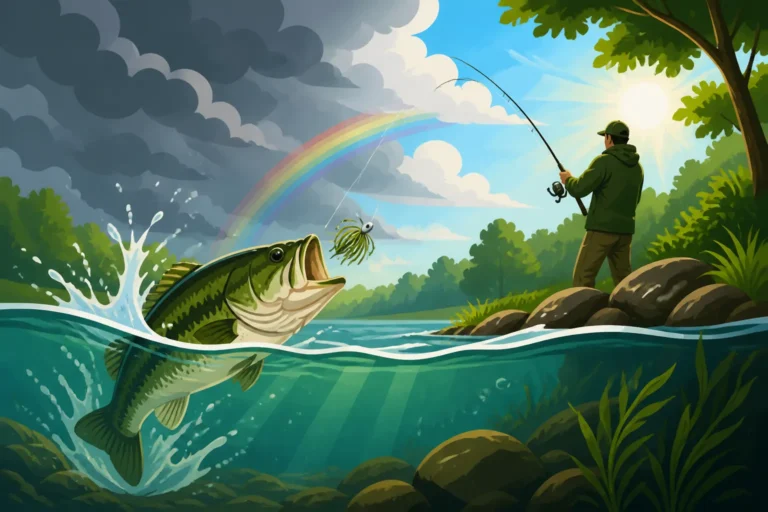
There's arguably no more exhilarating moment in bass fishing than seeing a big ol' largemouth absolutely blow up on a topwater lure. That heart-stopping splash and the violent tug on your line? Pure adrenaline! But let's be real, getting consistent topwater bites isn't always as simple as it looks on those flashy fishing shows. Sometimes it feels like you're just casting a pretty piece of plastic around, hoping for a miracle. If you've ever struggled to entice bass to the surface or wondered if you're using the right lure at the right time in Georgia, you're in the perfect place. This comprehensive guide is all about demystifying topwater fishing, giving you the real-world techniques and insights you need to provoke those explosive strikes from our finned friends.
Understanding Topwater Lures and Why They Work
Topwater lures are designed to imitate injured baitfish, frogs, or even small rodents struggling on the surface, making them irresistible to predatory bass. The visual appeal, combined with the commotion they create, triggers a bass's instinct to strike. It's not just about hunger; often, it's about territoriality or curiosity, especially when the water is clear, and the bass can see the surface action from below. There's a whole family of these surface-dwelling baits, each with its own unique personality and best use case.
Poppers and Chuggers
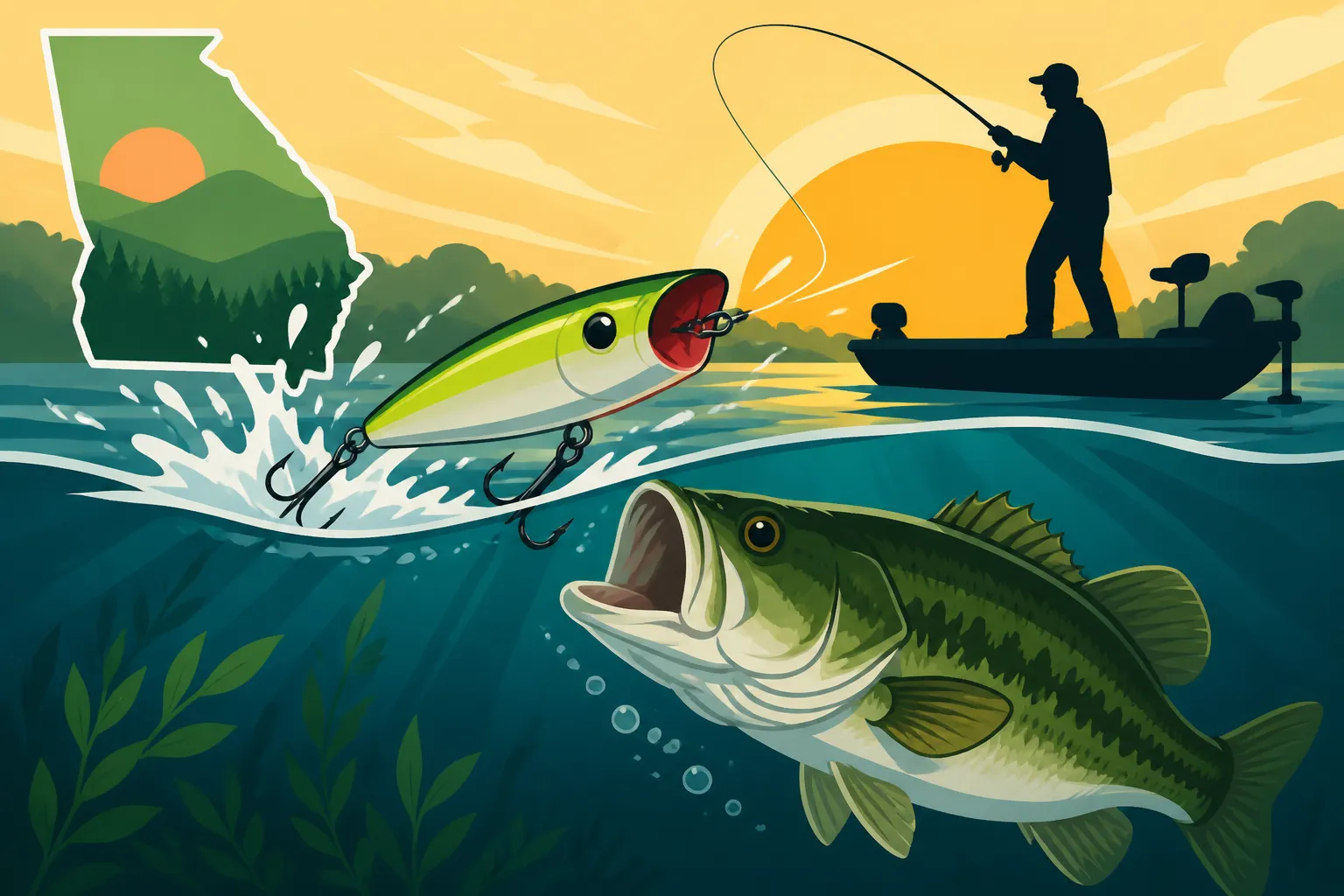
These lures are the quintessential splash-makers. Poppers typically have a concave or "cupped" face that grabs water when twitched, creating a distinct "pop" or "chug" sound and spitting a little water. They're meant to mimic a struggling baitfish or a frog leaping into the water. Brands like Rebel Pop-R and Heddon Pop'n Image are classics for a reason, and you can find a wide variety of these on Amazon.
The beauty of poppers lies in their versatility. You can make subtle gurgles or loud, aggressive splashes depending on how hard you twitch your rod tip. This allows you to really dial in the retrieve to match the mood of the fish. They're especially effective in calm conditions or around shallow cover where bass are looking up for an easy meal. Think about those glassy mornings on Lake Sinclair or a quiet cove on Lake Oconee.
Walk-the-Dog Baits
Often called stickbaits, these lures are designed to perform a mesmerizing side-to-side gliding motion across the water's surface, often referred to as "walking the dog." There's something about this erratic, zigzagging action that bass simply can't ignore, making it one of the most productive topwater presentations out there. Iconic baits like the Heddon Zara Spook and Rapala Skitter Walk fall into this category.
Learning to walk the dog takes a little practice, but once you get the rhythm down, it becomes second nature. This retrieve mimics a wounded baitfish frantically trying to escape, and it’s a killer for calling bass up from deeper water, especially along points, humps, and open-water schooling situations. For tips on how to effectively use these baits to attract active fish, you might also check out our guide on Best Lures for Georgia Largemouth Bass.
Prop Baits and Buzzbaits
These lures come equipped with one or more small propellers that churn water, creating a commotion and a distinct "bloop-bloop" or "squealing" sound as they're retrieved. Prop baits, like a Devil's Horse or a Torpedo, are usually twitch-and-pause baits, while buzzbaits, like a Strike King Hack Attack, are designed for continuous, steady retrieves.
Buzzbaits are particularly effective for covering a lot of water quickly, making them excellent search baits, especially in warmer water. The squealing sound and water displacement can trigger vicious reaction strikes from bass hiding in thick cover or along weed lines. Prop baits, on the other hand, offer a more subtle, yet still noisy, approach, allowing for pauses that can often coax a hesitant bass into striking. They are great when bass are active but not necessarily chasing down fast-moving prey.
Frogs and Toads
Soft plastic frogs and toads are designed to be fished over dense vegetation, lily pads, and matted grass, places where other topwater lures would get hopelessly snagged. They're typically weedless, with hooks designed to fold down into the body, only exposing themselves when a fish bites. Brands like Spro Bronzeye Frog and Livetarget Frog are extremely popular among Georgia anglers who fish these types of environments.
The appeal here is obvious: bass love to ambush prey from beneath heavy cover, and a frog or toad is a natural target. These lures allow you to literally cast into the nastiest slop where big bass lurk, and the explosion when a bass busts through the mats to get your frog is unforgettable. You can find a huge variety of soft plastic frogs and related terminal tackle on Amazon, ready for your next thick-cover adventure.
Mastering the Retrieve: Techniques for Different Lures
Knowing which topwater lure to use is only half the battle; knowing how to work it is where the magic truly happens. Each type of topwater bait has its own cadence and rhythm that makes it shine.
The Art of Popping and Chugging
With poppers and chuggers, your retrieve is all about imparting action with your rod tip.
- Subtle Gurgle: Make a short, soft downward twitch of your rod tip, just enough to make the lure gurgle or spit a small amount of water. Reel in the slack. Pause for 3-5 seconds. Repeat. This is often deadly in calm, clear water or when bass are finicky.
- Aggressive Pop: Use a sharper, more forceful downward twitch. This will create a louder "pop" and a more significant splash. Reel in slack, pause, and repeat. This retrieve is great for drawing attention in choppy water, covering ground, or when bass are actively feeding.
- Walk-the-Dog Pop: Some poppers can also be made to walk, combining the popping action with the side-to-side glide. Experiment with a short twitch-pause, then a slightly longer series of twitches to get that walk going.
The key is variety. Start with a pattern, but don't be afraid to change it up. Sometimes a long pause is what it takes, other times a rapid-fire series of pops.
Walking the Dog Like a Pro
The "walk-the-dog" retrieve might seem tricky at first, but it's all about rhythm and slack line.
- Cast: Make your cast and let the lure settle.
- Point Down: Point your rod tip downwards, towards the water, and slightly to the side (usually 4 or 8 o'clock).
- Twitch and Reel: Make a short, sharp downward twitch of your rod tip. As the lure darts to one side, immediately reel in the slack created by the twitch.
- Repeat: Repeat the twitch. The lure should dart to the opposite side. Keep this rhythm going: twitch, reel, twitch, reel.
The trick is not to move the lure with your reel but to use your rod tip. The reel simply gathers the slack. Vary your pace – sometimes a fast, frantic walk is best; other times, a slow, deliberate glide. If you're interested in learning more about how to get specific lures to perform, consider checking out our guide on How to Work a Spinnerbait for Bass, which also discusses retrieve patterns.
Prop Bait and Buzzbait Tactics
- Prop Baits: Cast, let it sit for a moment. Give a short twitch to make the prop spin, then pause. The pause is crucial here, allowing the water disturbance to dissipate and bass to zero in. Vary the length of your pauses. Sometimes a single twitch and a long pause is all it takes.
- Buzzbaits: The beauty of the buzzbait is its simplicity. Cast it out and start reeling immediately to keep it on the surface. You want just enough speed to keep the blade spinning and creating that distinctive "bloop" or squeal. Experiment with retrieve speeds. Sometimes a slow crawl is best; other times, a fast burn. These are excellent for active fish in low light, especially at dawn or dusk, as explored in our article Why Fish Bite Better at Dawn.
Fishing Frogs in Heavy Cover
Frog fishing is all about patience and precision in the nastiest stuff.
- Cast onto Cover: Aim your cast so the frog lands on the lily pads, grass mat, or log. This simulates a frog jumping onto the cover.
- Walk or Pop: Gently twitch your rod tip to make the frog walk over the surface or pop in open pockets.
- Pause: Crucially, pause the frog, sometimes for 5-10 seconds, especially at the edge of cover or in open holes. Bass often watch the frog, waiting for it to stop before striking.
- Retrieve: Keep working the frog through the thick stuff. When a bass blows up, resist the urge to set the hook immediately! Wait until you feel the weight of the fish before delivering a strong, upward hookset. This ensures the fish has the lure fully in its mouth.
When and Where to Throw Topwater
Timing and location are absolutely critical for successful topwater fishing. You can have the perfect lure and retrieve, but if you're not in the right place at the right time, you might be out of luck.
Ideal Conditions: Low Light and Calm Water
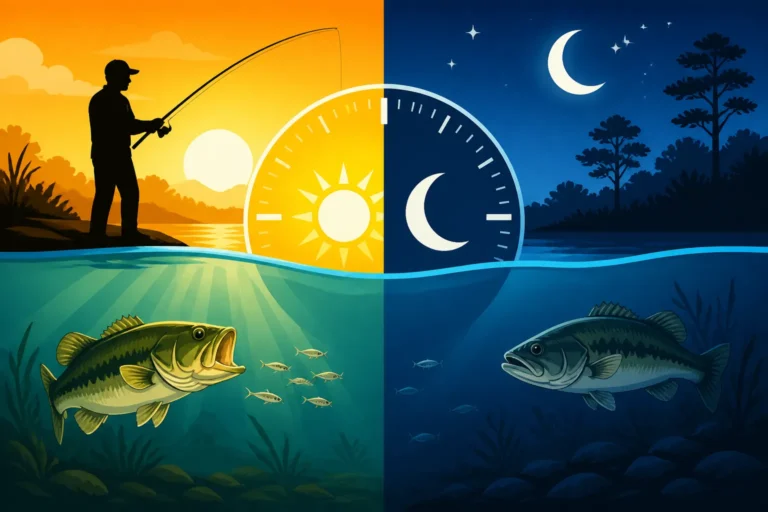
Topwater fishing generally shines in low light conditions. This means early morning, late evening, and overcast days are prime.
- Dawn and Dusk: As the sun rises or sets, the light penetration into the water is reduced, making bass feel more comfortable venturing into shallower water to feed. The calm, cool air often translates to a smoother water surface, allowing your lure's action to be more prominent and easier for bass to spot. This phenomenon is why many anglers swear by Best Time of Day to Fish for Bass.
- Overcast Days: A cloudy day can extend the topwater bite throughout the day, as the sun's harsh glare is diffused, keeping bass from retreating to deeper, darker waters.
- Choppy Water (with exceptions): While calm water is often ideal, sometimes a slight chop on the surface can actually help, breaking up the lure's silhouette and making it harder for bass to scrutinize. However, in heavily choppy conditions, a noisy buzzbait or aggressive popper might be needed to get through the surface disturbance.
Targeting Prime Structure and Cover
Bass are ambush predators, and topwater lures are designed to exploit this behavior. Look for areas where bass can hide and then dart out to strike unsuspecting prey on the surface.
- Lily Pads and Grass Beds: These are classic frog territory. Bass will sit just under the pads, waiting for a meal to hop by. This is also a great spot for poppers if you find open pockets.
- Submerged Timber and Laydowns: Wood is a bass magnet. Cast your walk-the-dog baits or buzzbaits parallel to logs, fallen trees, and stumps. For more specific tactics on how to fish these areas, you can refer to our guide on How to Catch Bass Around Submerged Timber.
- Docks and Boat Houses: These structures provide shade and cover, making them ideal ambush points. Walk-the-dog baits and poppers can be skipped or cast precisely into shaded corners.
- Riprap and Rocky Banks: These areas hold baitfish and crawfish, attracting bass. The irregular surface also creates current breaks. A popper or walking bait worked slowly along the edges can be very effective.
- Points and Humps: Especially in lakes like Lake Lanier or Clarks Hill Lake, bass will often congregate on points and humps, particularly those that come up shallow. Walking baits can be cast across these features to call up suspended fish. To maximize your chances, consult our guide on Best Bass Fishing Lakes in Georgia.
Seasonal Considerations for Topwater Bass
The best time to throw topwater can vary quite a bit throughout the year in Georgia, depending on water temperature and fish behavior.
- Spring: As water temperatures rise into the 60s, bass move shallow for the spawn. During the pre-spawn and post-spawn, topwater baits can be incredibly effective, especially around bedding areas or where bass are recovering from the spawn. Check out Spring Bass Fishing Patterns on Georgia's Reservoirs for more insights. Frogs and poppers are excellent choices.
- Summer: This is peak topwater season! Early mornings and late evenings are prime as bass chase baitfish in cooler surface waters. Buzzbaits are fantastic for covering water, and walking baits excel along weed lines and open water. During the heat of the day, focus on shaded areas or dense cover with frogs.
- Fall: As water temperatures begin to cool, bass often go on a feeding frenzy, bulking up for winter. Topwater action can remain strong, especially for schooling fish. Buzzbaits, walking baits, and prop baits can be used to target active schools or fish transitioning from deep to shallow.
- Winter: Generally, topwater is less effective in cold water. Bass are usually deep and lethargic. However, on warmer winter days in South Georgia, or during a mild spell, a slow-moving prop bait or a twitchy popper might still coax a strike from an opportunistic bass, especially on lakes that tend to fish warmer, like Lake Sinclair, as mentioned in Georgia Fishing Seasons by Month. But generally, it's a tough sell.
Gearing Up for Topwater Success
Having the right rod, reel, and line can make a huge difference in your ability to cast accurately, work your lures effectively, and successfully land those aggressive topwater strikes.
Rod and Reel Selection
- Rod: A medium-heavy power rod with a fast to moderate-fast action is generally ideal for most topwater applications. The length usually ranges from 6'8" to 7'4".
- Medium-heavy power: Provides enough backbone to cast larger topwater baits, drive hooks into a bass's mouth, and extract them from cover.
- Fast action: Gives you the responsiveness needed for precise lure manipulation (like walking the dog) and quick hooksets. Some anglers prefer a slightly more moderate-fast action for poppers or prop baits, as it offers a bit more give, which can prevent you from pulling the lure away from a striking fish too early.
- For an all-around setup, a 7-foot medium-heavy rod is a great starting point. Many excellent options can be found on Amazon.
- Reel: A baitcasting reel is typically preferred for most topwater fishing due to its control and casting accuracy.
- Gear Ratio: A mid-range gear ratio (around 6.4:1 to 7.1:1) is versatile. Slower ratios are fine for buzzbaits or steady retrieves, while faster ratios help with quickly taking up slack after a twitch or when a bass charges your lure.
- Smooth drag is crucial for fighting big bass on the surface. You can find robust options in our Best Rod and Reel Combo for Largemouth Bass in Georgia guide.
Line Choices: Mono vs. Braid
This is where things can get a little interesting, as both monofilament and braided line have their distinct advantages for topwater fishing.
- Braided Line:
- Pros: Absolutely no stretch, which means incredible sensitivity and powerful hooksets, especially when fishing frogs in heavy cover or walking baits a long distance. It also floats, helping your lure stay on the surface, and it's incredibly strong for its diameter, allowing you to horse big bass out of thick vegetation. For more details on its benefits, see Best Braided Line for Georgia Bass Fishing.
- Cons: Highly visible to fish, which can be an issue in clear water. Can also dig into your reel spool on hard hooksets if not spooled tightly.
- Recommendation: Use 30-50 lb test braid for frogs and buzzbaits, especially in thick cover. For walking baits, 20-30 lb braid is common. If visibility is a concern, consider tying a short (12-18 inch) fluorocarbon leader (15-20 lb) to your braid, though some argue this hinders the lure's action due to fluorocarbon sinking.
- Monofilament Line:
- Pros: Floats well, making it excellent for poppers and walking baits. It has a slight stretch, which can act as a shock absorber during violent strikes, preventing hooks from tearing out. It's also less visible than braid.
- Cons: The stretch can lead to less sensitive feel and weaker hooksets over long casts or in heavy cover.
- Recommendation: 12-17 lb test monofilament is a solid choice for poppers and walk-the-dog baits, particularly in open water or around sparse cover where visibility might be a factor.
| Lure Type | Best Retrieve Technique | Ideal Conditions | Rod Power/Action | Recommended Line Type |
|---|---|---|---|---|
| Popper/Chugger | Twitch, pause, gurgle, pop | Calm water, low light, around cover | Med-Heavy / Mod-Fast-Fast | Mono (12-17lb), Braid (20-30lb) |
| Walk-the-Dog | Twitch, reel slack, zigzag | Calm to light chop, open water, points | Med-Heavy / Fast | Braid (20-30lb), Mono (15-20lb) |
| Prop Bait | Twitch, pause, propeller spin | Calm to light chop, low light, ambush spots | Med-Heavy / Mod-Fast | Mono (12-17lb), Braid (20-30lb) |
| Buzzbait | Steady retrieve, constant motion | Low light, stained water, covering water | Med-Heavy / Fast | Braid (40-50lb), Mono (17-20lb) |
| Soft Frog/Toad | Walk, pop, long pauses | Heavy vegetation, lily pads, mats | Heavy / Fast | Braid (50-65lb) |
Common Topwater Mistakes to Avoid
Even experienced anglers can make these blunders. Learning to avoid them will greatly improve your topwater game.
- Setting the Hook Too Soon: This is perhaps the most common mistake. When a bass explodes on your lure, your instinct is to set the hook immediately. Resist! The fish often misses the lure or just slaps at it. Wait until you feel the weight of the fish on your line before sweeping the rod back with a firm hookset. Count "one Mississippi" after the splash, then set.
- Lack of Patience: Topwater fishing often requires patience, especially with poppers and prop baits. Long pauses can be key. Don't be afraid to let your lure sit for 5-10 seconds, especially after it lands or after a twitch. The bass might be watching it.
- Not Varying Your Retrieve: Don't get stuck in a rut with one retrieve speed or cadence. Experiment! Start fast, then slow down. Go from aggressive pops to subtle gurgles. The bass will tell you what they prefer on any given day.
- Ignoring the Conditions: Throwing a topwater in the middle of a bright, sunny afternoon over deep, open water is usually a recipe for frustration. Pay attention to light levels, water clarity, and cover.
- Using Too Light a Line/Rod in Cover: Trying to pull a big bass out of a thick hydrilla mat with 10lb monofilament is an exercise in futility. Match your gear to the cover you're fishing.
Topwater fishing offers some of the most exciting and visual action in bass fishing. By understanding the different lure types, mastering their retrieves, knowing when and where to present them, and gearing up correctly, you'll be well on your way to experiencing those heart-stopping explosions on the surface of Georgia's beautiful lakes and rivers. So grab your rod, tie on your favorite topwater, and get ready for some serious fun!
Disclaimer
Fishing conditions and regulations in Georgia can change. Always consult the latest Georgia Department of Natural Resources (DNR) guidelines and local signage before heading out. Safety first on the water!