Spin Fishing Techniques for Trout
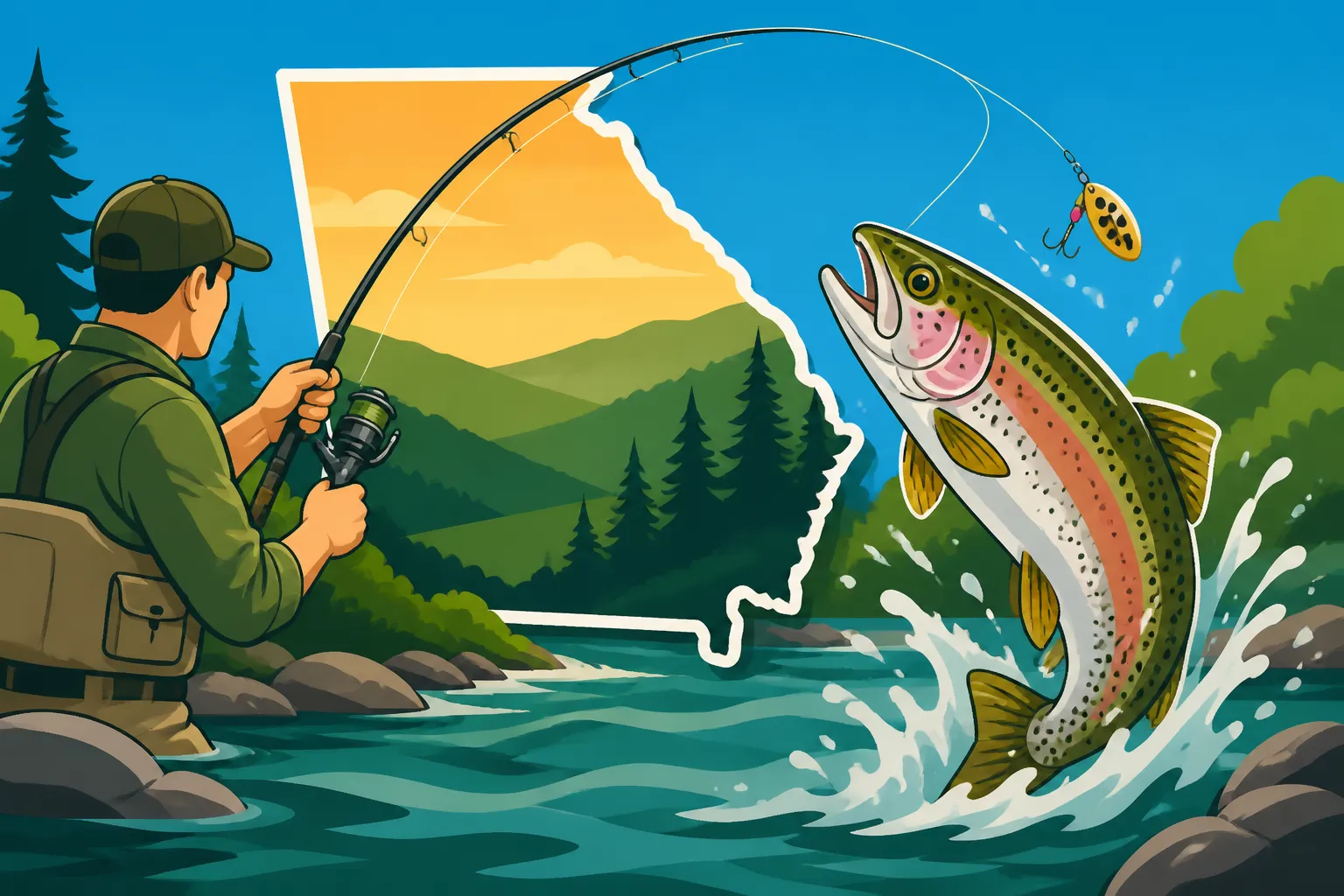
Trout fishing in Georgia's stunning mountain streams and cool tailwaters can feel intimidating if you're not a seasoned fly angler, but let me tell you, spin fishing offers an incredibly effective and accessible way to connect with these beautiful fish. This comprehensive guide will break down effective spin fishing techniques for trout, helping you master the art of casting lures and bait to bring those gorgeous rainbows, browns, and brookies to your net.
The Allure of Spin Fishing for Georgia Trout
There’s something truly special about trout fishing in Georgia. Our state boasts some incredibly picturesque streams, from the cascading waters of the Blue Ridge Mountains to the serene flows near Helen, Georgia. While fly fishing often gets all the glory when it comes to trout, spin fishing holds its own, offering versatility and excitement that many anglers, myself included, truly appreciate.
Why Spin Fishing Shines for Trout
Spin fishing is often seen as the more approachable cousin to fly fishing, and for good reason. It doesn't require the same steep learning curve with specialized casting techniques. With a spinning rod, you can accurately cast a variety of lures and baits that mimic a trout's natural food sources, often reaching spots that might be tricky with a fly rod. This versatility allows you to adapt quickly to changing conditions, whether the trout are biting on small spinners in a riffle or hunkered down, preferring a live worm in a deep pool. It’s also incredibly satisfying to feel the direct connection to the fish when it strikes your lure, making the fight even more exhilarating. Plus, for those just getting started, the initial investment in good spin fishing gear is often less daunting, allowing more folks to experience the joy of trout fishing.
Where Georgia's Trout Call Home
Georgia's trout population thrives primarily in the colder, oxygen-rich waters of the northern part of the state. We’re talking about those pristine mountain streams and rivers that tumble down from the Appalachians. The Chattahoochee River Headwaters, for instance, offers fantastic opportunities, as do many streams within the Blue Ridge Wildlife Management Area. You'll find a mix of wild and stocked trout in these areas. The Georgia Department of Natural Resources (DNR) does a fantastic job with its trout stocking program, ensuring that there are plenty of fish for everyone, especially in popular spots like the Toccoa River. These stocked streams are often your best bet for consistent action, but for a true challenge and the chance at a larger, more elusive fish, targeting wild trout in remote areas is an adventure in itself. Knowing where to go and what to expect from these waters is half the battle, and luckily, there are plenty of Best Trout Streams in Georgia to explore.
Gearing Up Right: Your Spin Fishing Tackle Box
Having the right equipment makes all the difference when you're targeting trout. You don't need a boatload of expensive gear, but choosing wisely will certainly boost your success and enjoyment. Think light, sensitive, and versatile.
Rods, Reels, and Line Choices
For spin fishing trout in Georgia, you'll want to lean towards lighter tackle. A good rule of thumb is a light to ultralight spinning rod, typically between 5 to 6.5 feet in length. This shorter length gives you better control for accurate casting in tight, brushy stream environments. The sensitivity of a light rod will also help you detect those subtle trout bites, which can sometimes feel like nothing more than a faint tick. For reels, pair your rod with a small spinning reel (size 1000 or 2000 is usually perfect) that balances well with the rod. You want something smooth with a reliable drag system – believe me, a feisty rainbow can put that drag to the test! When it comes to fishing line, many anglers opt for monofilament in the 4-6 pound test range. It has a good amount of stretch, which can be forgiving when a trout makes a sudden run, and it's generally less visible in clear water. Some folks prefer fluorocarbon for its invisibility and sensitivity, or even a thin braided line with a fluorocarbon leader for maximum feel and casting distance. You can learn more about choosing the perfect setup in our guide on the Best Rods and Reels for Georgia Fishing.
Lures and Baits That Get Bites
This is where the fun really begins! Trout aren't overly picky, but they do have preferences that can change by the day, hour, or even stream. Carrying a variety of options is key.
- Spinners: These are classic trout getters. Brands like Panther Martin, Mepps, and Rooster Tail are mainstays for a reason. Their rotating blades create flash and vibration that mimic small baitfish or insects, irresistible to hungry trout. Sizes #0 to #2 are typically ideal for Georgia streams. I often find a silver blade with a bright colored body, like chartreuse or orange, to be particularly effective.
- Spoons: Small casting spoons, like Kastmasters or Little Cleos, also work wonderfully. They wobble and flash as they sink and retrieve, imitating injured baitfish. Gold and silver are standard colors, but don't shy away from bright patterns in stained water.
- Inline Spinners & Jigheads with Grubs: For something a bit more subtle, small jigheads tipped with tiny soft plastic grubs or minnow imitations can be deadly. White, chartreuse, and natural baitfish colors are great starting points. The key here is a slower, more controlled presentation.
- PowerBait & Live Bait: When all else fails, or if you're fishing heavily stocked waters, PowerBait (especially in bright colors like rainbow, orange, or chartreuse) is a consistent producer. Just mold it around a small treble hook, and let it float a few inches off the bottom under a bobber. For live bait, nothing beats a juicy red worm or a small crickets. These are incredibly effective, especially for freshly stocked trout. Remember that some streams, particularly certain "Delayed Harvest" sections, have specific regulations regarding bait, often requiring artificial lures only during certain times of the year, so always check the latest Georgia Freshwater Fishing Rules.
Here's a quick rundown of popular lure types and their best applications:
| Lure Type | Best Conditions | Target Trout Species | Retrieve Style | Notes |
|---|---|---|---|---|
| Inline Spinners | Clear to slightly stained water, moving currents | Rainbow, Brown, Brook | Steady retrieve, varied speed | Great for covering water, good vibration, widely available on Amazon. |
| Small Spoons | Clear water, deeper pools, slower currents | Rainbow, Brown, larger Brook | Jigging, steady retrieve with pauses | Mimics injured baitfish, can cast a long way. |
| Soft Plastic Jigs | Clear to stained water, sensitive fish | Brown, larger Rainbow | Bounce along bottom, subtle twitches | Highly versatile, often requires slower, more methodical approach. |
| PowerBait | Heavily stocked waters, slower moving water | Stocked Rainbow | Still fishing, floating off bottom with bobber | Scented, bright colors, very effective for recently stocked trout. |
| Worms/Crickets | All conditions, especially stocked or picky fish | All species | Drifting with current, still fishing under bobber | Natural presentation, almost universally effective. |
Essential Accessories Beyond the Basics
Beyond your rod and reel, a few key accessories will make your trout fishing experience much smoother. First, a good pair of polarized sunglasses is non-negotiable. They cut glare off the water, allowing you to spot subtle changes in structure, rocks, or even cruising trout that you'd otherwise miss. A small net with a rubberized mesh is also crucial for landing fish quickly and safely, minimizing harm to the trout. This is especially important if you plan on practicing How to Catch and Release Trout Properly. You'll also want a pair of small pliers or forceps for removing hooks, a stringer if you plan to keep your catch, and a small tackle box or vest to keep your lures organized and easily accessible. Don't forget sunscreen, bug spray, and plenty of water! A small backpack is also useful for carrying all these essentials comfortably as you hike along the stream. Many of these items, from quality polarized sunglasses to compact tackle boxes, can be found readily on Amazon.
Mastering the Art of the Cast and Retrieve
Spin fishing for trout isn't just about throwing a lure out and reeling it in. There's a subtle dance between presentation, speed, and timing that can make all the difference in enticing a wary trout to strike.
Precision Casting for Tricky Spots
Trout, especially wild ones, are incredibly wary. They're often found in specific "lies"—spots where they can conserve energy while waiting for food to drift by. These spots can be tight, under overhanging branches, or tucked behind boulders. This means your casting needs to be precise. Overhand casts are standard, but learning to make accurate sidearm or roll casts can be invaluable for getting your lure into those tight pockets without spooking the fish or getting snagged. Practice casting a light lure at various distances and angles. Aim to land your lure softly, just upstream of where you think a trout might be holding, allowing it to drift naturally into their strike zone. Remember, a splashy entry can send fish scattering, so focus on a gentle touch. Getting your lure into the right spot the first time minimizes disturbance and maximizes your chances.
Varied Retrieves for Different Moods
Once your lure hits the water, the retrieve is critical. Different lures require different retrieves, and trout themselves have varying moods.
- Spinners and Spoons: For inline spinners and small spoons, a steady, medium-speed retrieve is often effective. The goal is to keep the blade or spoon wobbling and flashing consistently. However, don't be afraid to experiment. Sometimes a slower retrieve is better in cold water, while a faster one can trigger a reaction strike from aggressive fish. Adding subtle twitches or short pauses during your retrieve can also simulate an injured baitfish, which trout often can't resist.
- Jigs and Soft Plastics: With small jigs or soft plastics, a slower, more methodical approach often works best. Cast upstream and let the jig drift naturally downstream, bouncing it gently along the bottom with small lifts of your rod tip. This mimics an insect nymph or a crayfish crawling along the stream bed. In deeper pools, you can use a lift-and-drop retrieve, letting the jig sink, then lifting it a foot or two before letting it fall again.
- Bait Fishing: When fishing with live bait like worms or PowerBait, you're often employing a "drift" or "still fishing" technique. With a worm, let it tumble naturally downstream with the current, perhaps with a small split shot to get it down. For PowerBait, cast it out with a small bobber and let it sit, or use a slip sinker rig to get it to the bottom of a pool. The key is to present it as naturally as possible, as if it were a tasty morsel washed into the stream.
The key is never to retrieve at the same speed or in the same pattern for too long. Trout can become accustomed to a presentation, so changing it up until you find what they prefer on that particular day is crucial.
Setting the Hook and Fighting Trout
When a trout strikes, it can range from a subtle tap to a violent yank. You'll often feel it through your rod tip. The moment you feel that definitive strike or unusual resistance, set the hook! A quick, firm snap of the wrist upwards or to the side is usually all it takes with a light spinning rod. Avoid a massive, sweeping hookset, as it can pull the hook out of a trout's mouth or break your light line.
Once hooked, trout are known for their spirited fights. They'll jump, roll, and make strong runs. Keep your rod tip high to maintain tension and absorb head shakes. Don't horse the fish in; let your reel's drag system do the work, tiring the fish out. If a trout runs, let it take line, but keep steady pressure. Pump the rod by lifting it, then reeling down as you lower it, slowly gaining line. When the fish is close, guide it into your net headfirst. Avoid dragging it onto rocks or sandy banks, as this can severely damage the fish, especially if you plan to release it. Patience and a calm demeanor are your best allies during the fight.
Unlocking Trout Habits: Reading the Water
Understanding where trout live and why they choose those spots is arguably more important than any specific lure or retrieve technique. Trout are creatures of habit and efficiency.
Identifying Prime Trout Lies
Trout are constantly looking for three things: food, cover, and favorable water conditions (like oxygen and temperature). Prime "lies" are spots that offer a good combination of these.
- Current Seams: Look for areas where fast water meets slow water. Trout will often hold in the slower water, just out of the main current, waiting for food to be swept by. These "seams" are perfect ambush points.
- Deep Pools: Deeper sections of a stream offer protection from predators and consistent water temperatures. Trout often congregate here, especially larger fish.
- Pocket Water: This refers to small, calm pockets of water behind or next to large rocks or boulders in fast-moving streams. These are excellent places for trout to rest and grab passing food.
- Undercut Banks: Overhanging banks provide shade and shelter, making them prime hiding spots for trout. Cast your lure right along the edge of these banks.
- Woody Debris and Structure: Fallen trees, submerged logs, and rock piles offer both cover and a buffet of insects. Trout love to hide in these complex structures. While these spots can be challenging to fish due to potential snags, they often hold the biggest fish.
Learning How to Read Water for Trout Fishing comes with practice, but knowing what to look for will give you a significant advantage.
Understanding Current and Structure
The current plays a massive role in trout behavior. Trout typically face upstream, waiting for food. This means you generally want to present your lure or bait from an upstream position, allowing it to drift naturally downstream into their strike zone. Fast currents bring more food but require trout to expend more energy, so they'll often hold in calmer pockets adjacent to the main flow. Slower currents might mean less food, but also less effort for the fish.
Structure refers to anything that breaks up the uniform flow of the water—rocks, logs, eddies, drop-offs. These provide cover, create current breaks, and often hold insect and aquatic life that trout feed on. When you approach a new section of stream, take a moment to observe. Where is the current strongest? Where are the calm spots? Are there any visible rocks or logs? Visualize how your lure will drift and interact with these elements. Understanding these dynamics will guide your casting and retrieve choices, maximizing your chances of a bite.
The Impact of Weather and Water Conditions
Trout are sensitive to their environment, and weather and water conditions can dramatically influence their feeding behavior.
- Temperature: Trout prefer cold water, typically between 45-65°F. In the heat of summer, they'll seek out cooler, deeper pools or spring-fed areas. In colder months, they might become less active, biting more subtly.
- Water Clarity: Clear water means trout are warier, requiring lighter line, smaller lures, and more cautious approaches. Stained or slightly turbid water (often after a rain) can make trout more aggressive, as their visibility is reduced, and they feel safer feeding. This is when brighter colored lures can really shine.
- Rain and Barometric Pressure: A light, steady rain can sometimes turn trout on, washing insects and worms into the stream. However, heavy rains can muddy the water and make fishing tough. Similarly, stable barometric pressure is often associated with good fishing, while rapidly changing pressure (especially a sudden drop before a storm) can make fish less active. Paying attention to these factors will help you adjust your strategy and decide whether to even hit the stream.
Year-Round Strategies for Georgia's Trout Waters
Georgia's trout streams offer opportunities throughout the year, but your approach needs to shift with the seasons. What works in spring might not be as effective in the dead of winter.
Spring and Summer: High Water and Active Fish
- Spring: As the weather warms and snowmelt or spring rains swell the streams, trout become very active. This is often an excellent time for fishing. Look for trout in areas with slightly reduced current near the main flow, as well as in freshly flooded areas that might be washing new food into the stream. Spinners and spoons are highly effective, as the increased water flow helps carry their vibrations. Early spring also brings on prolific insect hatches, making small, natural-colored jigs a good choice. This is also when the Georgia DNR ramps up its stocking efforts, so check the Georgia Trout Stocking Schedule Explained.
- Summer: Summer can be a challenging time for trout fishing, especially during hot spells. Water temperatures rise, and oxygen levels can decrease. The best strategy is to fish early in the morning or late in the evening when temperatures are cooler. Focus on higher elevation streams, spring-fed areas, or tailwaters below dams (like the Chattahoochee River below Buford Dam), which release colder water. Trout will often retreat to deeper, cooler pools or faster, oxygenated riffles. Downsize your lures and use lighter line. Live bait or PowerBait can also be very effective when fish are less active. Be extra mindful of Daily Creel Limits for Trout in Georgia, and consider catch and release, especially for wild trout, during warmer months to minimize stress on the fish.
Fall and Winter: Navigating Lower, Colder Flows
- Fall: This is arguably one of the most beautiful and rewarding times to fish for trout in Georgia. The leaves are changing, crowds thin out, and trout become very active as they prepare for winter and, for brown and brook trout, their spawning season. Water temperatures are ideal, and fish are often more aggressive. Spinners, spoons, and jigs all perform well. Focus on areas with good cover and deeper water. Don't forget that Fall Trout Stocking Season in Georgia, which ensures plenty of opportunities.
- Winter: Winter fishing requires a slow and methodical approach. Water temperatures are at their lowest, and trout's metabolism slows down significantly. They won't move far to chase a lure. This means presenting your bait or lure slowly and directly in their strike zone, which will often be the deepest, slowest parts of pools or runs. Small jigs, natural-colored soft plastics, or even tiny spoons fished very slowly can tempt a bite. Live bait, presented subtly, can also be a winter savior. Fish during the warmest part of the day, typically late morning to mid-afternoon. Be prepared for cold weather with appropriate layering—a hot thermos of coffee or tea makes the wait more enjoyable!
Adapting to Stocked vs. Wild Trout
It's important to differentiate your approach based on whether you're targeting stocked or wild trout, as their behaviors can vary significantly.
- Stocked Trout: These fish, often rainbow trout, are typically raised in hatcheries and are used to an easy meal. They are often less wary and more willing to strike a wider variety of lures and baits, especially scented options like PowerBait. They are frequently found in easily accessible sections of streams, often congregating near the points where they were released. For these fish, a bit of flash and scent, along with a simple retrieve, often does the trick. You might also find them in larger groups.
- Wild Trout: These fish, particularly brook and brown trout, are much more cautious and wary. They've learned to survive in the wild, constantly evading predators and human presence. You'll need a stealthier approach, lighter line, smaller, more natural-looking lures, and precise casts to avoid spooking them. They tend to hold in more natural, hidden lies, often tucked under banks or behind large rocks in remote sections of streams. Presentation is everything, and matching the hatch (if you know what insects are active) with a small, subtle lure can be key. For specific regulations, particularly concerning catch limits for wild trout, always check the latest information. Also, remember that a Mountain Trout License Add-On in Georgia might be required for some of the designated mountain trout waters.
Troubleshooting and Ethical Angling
Even the most seasoned angler has days where the fish just aren't biting. It's part of the challenge! But learning to troubleshoot and always practicing ethical angling ensures the sport remains vibrant for everyone.
Common Spin Fishing Challenges and Solutions
- No Bites: If you're not getting any action, don't just keep doing the same thing. Change your lure size, color, or type. Switch from an aggressive spinner to a subtle jig. Vary your retrieve speed—slow down, speed up, add pauses. If fishing bait, try moving to a different spot or adjusting your depth. Sometimes, simply changing the angle of your cast or trying a slightly different spot in the same pool can make a huge difference. Are you casting into shaded areas? Deeper water? Consider the time of day and how light penetration might be affecting the fish.
- Snags: Stream fishing often means snags. To minimize them, try to keep your lure off the very bottom in rocky areas. When casting near logs or brush, be extra precise. If you do get snagged, pull gently from different angles before yanking hard. Sometimes walking upstream or downstream a bit can free your line. Carrying extra leaders and a hook sharpening tool (even new hooks can be dull!) is also smart.
- Spooking Fish: This is a big one in clear, shallow streams. Move slowly and quietly along the bank. Wear natural colors, avoid bright clothing. Cast from a distance, and try to keep your shadow off the water. If you spot a fish, cast well upstream of it and let your lure drift down, rather than casting directly on top of it.
- Broken Lines/Lost Fish: This usually points to a few issues: your drag might be too tight, your line might have nicks (check it regularly!), or your knot might be weak. Ensure your drag is set properly (you should be able to pull line off the spool with moderate effort). Retie your knots frequently, especially after catching a fish or a snag. Use fresh line at the beginning of each season.
Practicing Responsible Catch and Release
For many of us, trout fishing isn't just about the catch; it's about the experience and preserving these beautiful fish for future generations. If you're not keeping your catch (and even if you are, for the ones you release), responsible catch and release practices are paramount.
- Minimize Handling: Try to keep the fish in the water as much as possible. If you must handle it, do so with wet hands to protect its slime coat, which is vital for its health and disease resistance.
- Use Barbless Hooks: Crushing the barb on your hooks (or buying barbless hooks, often available on Amazon) makes hook removal much easier and less damaging to the fish's mouth.
- Quick Hook Removal: Use pliers or forceps to quickly and gently remove the hook. If the fish is deeply hooked, it's sometimes better to cut the line as close to the hook as possible rather than tearing the fish's gills or throat trying to remove it.
- Revive the Fish: Hold the fish gently in the current, facing upstream, until it can swim away strongly on its own. Don't just toss it back; give it time to regain its strength and equilibrium.
By following these practices, you're doing your part to ensure that Georgia's stunning trout streams remain vibrant fisheries for years to come. Remember, a good day of fishing isn't always measured by the number of fish you keep, but by the memories you make and the health of the resource you leave behind.
Disclaimer
Please remember that fishing regulations in Georgia can change. Always consult the official Georgia Department of Natural Resources (DNR) website or the current Georgia Fishing Regulations guide before heading out to ensure you are aware of all licensing requirements, creel limits, size restrictions, and specific rules for the waters you plan to fish. Ignorance of the law is not a valid defense.