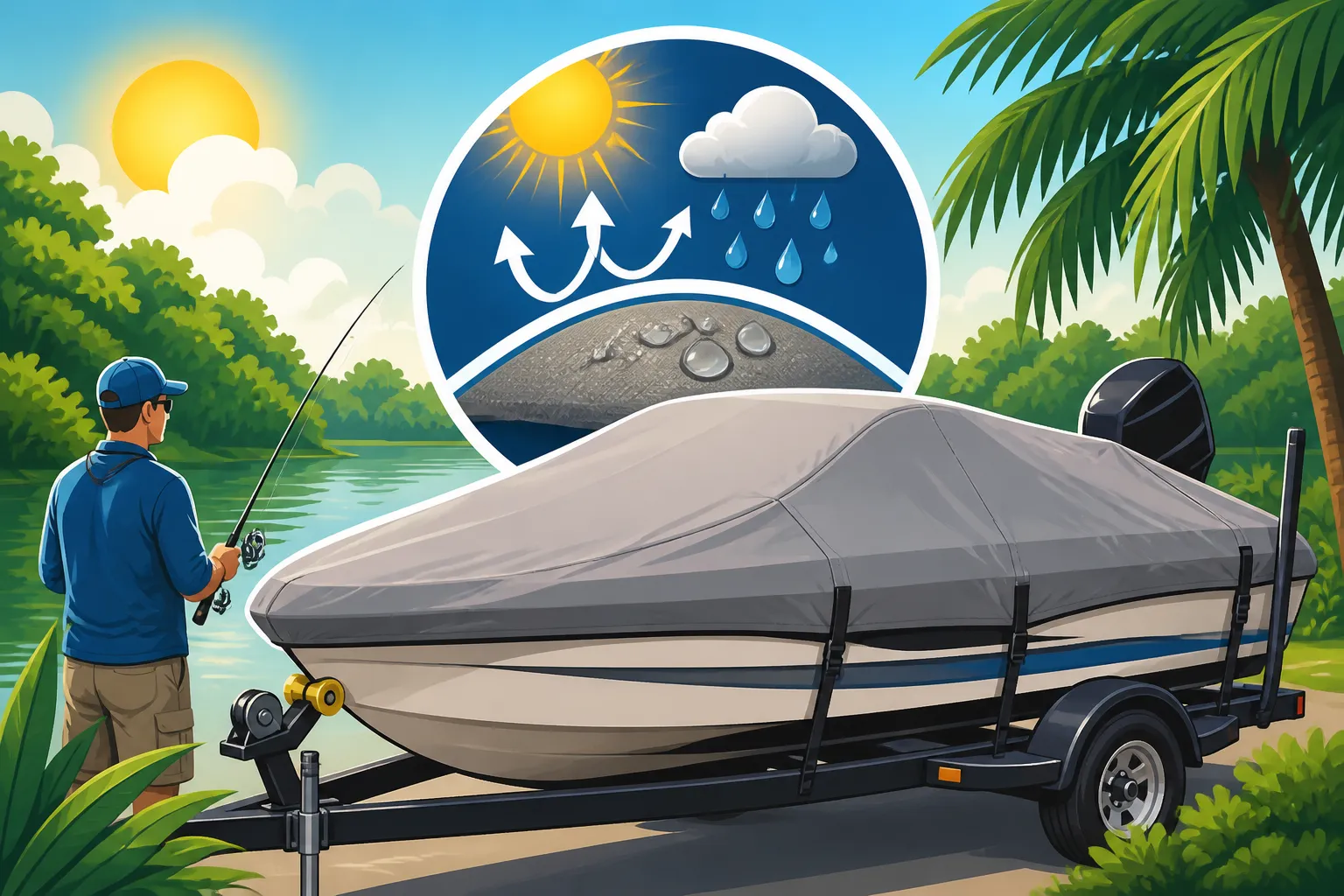
Best Boat Cover for Humid Summer Weather
Georgia's summer weather is a beautiful thing, calling us out to the lakes and rivers, but it’s also a relentless challenge for our boats. The oppressive combination of high temperatures, intense sun, and near-constant humidity can absolutely wreak havoc on even the most robust boat covers, leading to frustrating issues like mold, mildew, fading, and premature degradation. This guide is here to help you navigate the tricky waters of choosing and maintaining the best boat cover to protect your prized vessel through those long, hot, and muggy Georgia summers.
The Unique Challenges of Georgia's Humid Summers for Boat Covers
If you’ve spent any time on the water in Georgia, you know our summers aren't just hot; they are wet hot. It’s the kind of humidity that makes the air feel thick and sticky, and it presents a very specific set of problems for keeping your boat protected. A standard, run-of-the-mill boat cover often just isn't up to the task when faced with these conditions, and boaters frequently find themselves replacing covers far more often than they'd like.
Understanding Humidity's Impact on Boats and Covers
That heavy, moist air we're so familiar with here creates a persistent challenge. Even on days without a drop of rain, the high humidity means there's a constant presence of moisture in the atmosphere. When you put a cover over your boat, especially one that isn't breathable, you can inadvertently create a miniature greenhouse effect underneath. The air inside the cover warms up, trapping that moisture, which then condenses on cooler surfaces – like your boat’s upholstery, carpet, or even the underside of the cover itself. This isn't just an annoyance; it's a prime breeding ground for mold and mildew. These unwelcome guests thrive in dark, damp, and warm environments, turning what should be a protective barrier into a petri dish.
Beyond the moisture, the intense ultraviolet (UV) radiation from the Georgia sun plays a major role. While a cover protects your boat from direct sun exposure, the UV rays still beat down on the cover material itself. When this harsh UV exposure is combined with constant humidity, it creates a powerful accelerating force for material degradation. Fabrics can fade quickly, become brittle, crack, and lose their structural integrity far sooner than they would in drier climates. It's a double whammy: the sun weakens the fibers, and the humidity encourages biological growth that further breaks them down.
Common Frustrations with Standard Boat Covers in Humid Climates
Many of us have been there: you pull back your boat cover after a week of Georgia humidity, only to be greeted by a disheartening sight. One of the most common frustrations is discovering widespread mold and mildew, not just on the cover itself, but also creeping onto your boat’s seats, console, and carpet. It's a sticky, smelly mess that requires immediate attention and can be a real pain to clean. These growths can also cause permanent staining and an unpleasant musty odor that permeates everything.
Another widespread issue is the cover literally "sticking" to your boat. The combination of heat, moisture, and sometimes the plasticizers in vinyl seats can create a bond with the cover fabric, making it a struggle to remove. This sticking can leave residues on your boat or even damage the cover or boat surfaces as you try to peel it off. Furthermore, inexpensive or poorly designed covers often become stiff and brittle after just a season or two in our climate. They lose their flexibility, making them difficult to put on and take off, and they become highly susceptible to ripping, tearing, or cracking with minimal stress. This leads to a cycle of frustration and frequent, costly replacements, negating the very purpose of having a cover in the first place. You're trying to protect your investment, but the cover itself becomes a high-maintenance item.
Key Features to Look for in a Humid Weather Boat Cover
When you're battling Georgia's persistent humidity, not just any boat cover will do. You need to be smart about what you're looking for, focusing on specific features that address the unique challenges of our climate. This isn't just about keeping rain out; it's about managing moisture that's already in the air.
Material Matters: Breathability and Water Resistance
The type of fabric your boat cover is made from is absolutely paramount. You need a material that strikes a delicate balance: it must be water-resistant enough to shed those sudden afternoon thunderstorms, but also breathable enough to allow trapped moisture vapor to escape. Without proper breathability, you’re just sealing in the humidity, creating the perfect environment for mold and mildew.
Let's break down some common materials:
- Polyester: This is a very common choice for boat covers, often coated with polyurethane or acrylic for water resistance. It's generally durable, resistant to UV degradation, and relatively affordable. However, the level of breathability can vary widely depending on the weave and coating. Look for "solution-dyed" polyester, which offers superior colorfastness against the sun's harsh rays. Many excellent semi-custom covers found at Bass Pro Shops or online on Amazon will be made of quality polyester.
- Acrylic (e.g., Sunbrella): Often considered the gold standard for marine fabrics, materials like Sunbrella are solution-dyed acrylics. They offer exceptional UV resistance, meaning they stand up to our intense sun for years without fading or degrading significantly. Critically, they are highly breathable while still being very water repellent. The fabric sheds water while allowing air to circulate, significantly reducing moisture buildup underneath. The downside? They tend to be heavier and come with a higher price tag, but their longevity and performance often justify the investment in humid climates.
- Blends and Coated Fabrics: Many modern covers utilize advanced blends, often incorporating synthetic fibers with specialized coatings. The key here is to look for manufacturers that specifically highlight "breathable waterproof" or "vented" technologies. These fabrics are engineered to repel liquid water from the outside while allowing water vapor to pass through, effectively preventing condensation and promoting air exchange.
When you're shopping, always inquire about the fabric's breathability rating, if available, and ensure it's described as suitable for high-humidity environments. Prioritizing a reputable marine fabric manufacturer, rather than just any generic tarp material, will make a world of difference in the lifespan and effectiveness of your cover.
Ventilation Systems and Anti-Mildew Treatments
Even with the most breathable fabric, a boat cover needs active ventilation to truly combat Georgia's humidity. This usually comes in the form of strategically placed vents on the cover itself. These vents are typically designed with overlapping flaps or mesh panels that allow air to flow through while still preventing rain from entering. Good ventilation helps to create a cross-breeze effect under the cover, actively drawing out moist air and replacing it with drier air, even if it's still humid. Look for covers with multiple vents – typically near the front, back, and along the sides – to ensure adequate airflow throughout the entire covered area of your boat. These are critical features to look for when you're browsing options, whether it's in-store or online.
Beyond physical ventilation, many quality boat covers come with anti-microbial or mildew-resistant treatments applied to the fabric. While these treatments are not a permanent, one-and-done solution, they significantly inhibit the growth of mold and mildew on the cover itself. This extends the cover's cleanliness and lifespan, and in turn, helps protect your boat's surfaces. Remember that these treatments can wear off over time and with cleaning, so regular cleaning and re-treatment with marine fabric guards can help maintain their effectiveness.
Another overlooked aspect that aids ventilation and moisture management are support poles or bows. These aren't strictly part of the cover itself, but they are crucial for proper installation. By creating peaks and slopes, these supports prevent water from pooling on top of the cover. Standing water isn't just heavy; it also creates damp spots that hinder breathability and encourage mildew. Proper support creates a "tent" effect, allowing water to shed efficiently and promoting better air circulation underneath the cover by keeping it off your boat surfaces.
Types of Boat Covers Best Suited for Georgia's Climate
Choosing the right type of boat cover goes beyond just the material; it’s also about the fit and the intended use. In a climate like Georgia's, where both sun and intense humidity are constant threats, a proper fit can make all the difference in preventing premature wear and keeping your boat pristine.
Semi-Custom vs. Custom-Fit Covers
When it comes to boat covers, fit is king, especially in humid conditions. A poorly fitting cover can do more harm than good, trapping moisture and creating pockets for water to collect.
- Universal Covers (Avoid Them!): Let's get this out of the way first: for humid Georgia weather, generic universal-fit covers are almost always a bad idea. While they might be the cheapest option upfront, their loose, baggy fit creates numerous areas where water can pool, and air circulation is minimal. This leads to increased dampness, quicker mildew growth, and often a very short lifespan. You'll end up spending more in replacements and cleaning than you save initially.
- Semi-Custom Covers: These are a fantastic middle-ground for many Georgia boat owners. Semi-custom covers are designed to fit a specific boat style (e.g., V-hull runabout, center console, pontoon, bass boat) within a certain length and beam range. While not made specifically for your individual boat, they offer a much snugger fit than universal covers. This tighter fit significantly reduces water pooling and allows for more effective air circulation, especially if the cover incorporates built-in vents. They are typically made from better quality, more durable, and breathable fabrics, making them a wise investment for our climate. You can often find a wide selection of high-quality semi-custom covers at marine retailers like Bass Pro Shops or through online vendors such as Amazon, where you can filter by boat type and size.
- Custom-Fit Covers: Without a doubt, custom-fit covers are the gold standard. These covers are precisely patterned and sewn to fit the exact contours of your boat, including any towers, trolling motors, or other accessories. The result is a glove-like fit that minimizes puddling, maximizes drainage, and provides the best possible protection from the elements. Because of the exact fit, they also tend to offer superior ventilation, allowing air to flow freely while keeping the rain out. They are an investment, often significantly pricier than semi-custom options, but their unparalleled protection, durability, and aesthetics can make them well worth it, especially if you plan to keep your boat for many years or if you have a specialized vessel. For example, a dedicated tournament angler with a Best Bass Boat for Georgia Tournaments might find a custom cover invaluable.
When considering options, think about how often you use your boat. If it's stored for extended periods, the extra protection of a semi-custom or custom cover is crucial.
Different Cover Styles for Trailering and Storage
How you use your boat cover also dictates the best style for Georgia's conditions. A cover designed for long-term storage might not be ideal for highway speeds, and vice-versa.
- Trailering Covers: If you frequently trailer your boat to different fishing spots like Top 10 Fishing Lakes in Georgia or Lake Lanier Fishing Guide, Georgia, a dedicated trailering cover is a must. These covers are specifically designed to withstand the immense wind forces encountered at highway speeds. They feature a very tight, aerodynamic fit, often with reinforced stress points, heavier-duty straps, and robust attachment systems. A loose cover can billow, flap, and potentially tear, causing damage not only to the cover but also to your boat's finish. A good trailering cover will keep your boat clean and protected from road grime, bugs, and minor debris on the journey, while still allowing for some airflow to prevent heat buildup during transit. Investing in a Best Trailer for Towing a Boat to Georgia Lakes also means protecting your boat while it's in transit, so a good cover is part of that package.
- Storage Covers (Mooring/Fitted Covers): These covers are primarily for when your boat is docked, on a lift, or stored in your driveway. Their main purpose is to protect the boat from sun, rain, leaves, dust, and, critically, mold and mildew during extended periods of inactivity. While they still need to be secure, their design might prioritize breathability and ease of use over extreme wind resistance. Many storage covers utilize those breathable, water-repellent fabrics and multiple vents we discussed earlier to ensure maximum air circulation. For boats that spend a lot of time on the water, whether it's Lake Oconee Fishing Guide, Georgia or a coastal marina, a well-fitted storage cover is essential for long-term preservation.
Some covers are advertised as "trailerable and storage," aiming for a versatile design. These can be a good compromise, but always ensure they meet the specific demands of both activities. The key is to avoid using a lightweight, loose-fitting storage cover for trailering, and vice versa if the trailering cover compromises on essential breathability for long-term static storage.
Maintenance Tips for Your Boat Cover in Humid Conditions
Even the best boat cover for Georgia's humid summers needs a little TLC to perform at its peak and last as long as possible. Think of it like taking care of your fishing reels or Best Rod and Reel Combo for Largemouth Bass in Georgia; regular maintenance is key to longevity and effectiveness. Skipping these steps can lead to premature failure of even a high-quality cover, leaving your boat vulnerable.
Regular Cleaning and Inspection
The fight against mold, mildew, and general grime is ongoing in our climate. Regular cleaning of your boat cover is not just about aesthetics; it's crucial for its functionality and lifespan. Dirt, pollen, bird droppings, and environmental pollutants can accumulate on the surface, creating food sources for mold and mildew and potentially clogging the pores of breathable fabrics.
Aim to clean your cover regularly, especially after periods of heavy use or if you notice any visible dirt or spots. A gentle approach is best:
- Remove the cover: If possible, take the cover off the boat and lay it out flat on a clean surface.
- Brush off loose debris: Use a soft-bristled brush or broom to remove any dry leaves, dirt, or other loose particles.
- Mild soap and water: Mix a mild soap (like dish soap or a specialized marine fabric cleaner) with warm water. Avoid harsh detergents, bleach, or abrasive cleaners, as these can strip coatings, damage fibers, and degrade UV protection.
- Gentle scrub: Use a soft brush or sponge to gently scrub the cover, paying special attention to any soiled or mildewed areas. For stubborn mildew, there are specific marine mildew removers available, but always test them on an inconspicuous spot first.
- Rinse thoroughly: Rinse the cover completely with clean water, ensuring no soap residue remains.
- Air dry completely: This is perhaps the most critical step in humid weather. Hang the cover or lay it out in an area where it can dry completely before putting it back on your boat or storing it. Folding or storing a damp cover is an open invitation for mildew.
While cleaning, take the opportunity to inspect your cover thoroughly. Look for small tears, frayed seams, or areas where the fabric might be thinning or showing signs of UV degradation. Catching small issues early can prevent them from becoming big problems. Small holes can often be patched with marine-grade repair kits, extending the life of your cover. Also, check the water repellency. If water isn't beading up as it used to, it might be time to re-treat the cover. Many marine supply stores, including those found on Amazon, offer marine fabric guards that can be sprayed or painted on to restore water resistance and add another layer of mildew protection.
Proper Installation and Support to Prevent Pooling
One of the biggest mistakes boat owners make in humid, rainy climates like Georgia's is failing to properly install and support their boat covers. Even the most water-resistant fabric will eventually leak or succumb to mildew if water is allowed to pool on its surface.
- The "Tent" Effect: The goal is to create a taut, sloping surface that sheds water instantly, much like a tent. This is achieved by using support poles or bows strategically placed under the cover. These supports create peaks and high points, ensuring that rainwater runs off rather than collecting in depressions. Without these supports, especially over large, flat areas of your boat, the cover will sag, creating "bird baths" where water accumulates. These puddles are heavy, putting immense stress on the cover material and seams, and they trap moisture, hindering breathability and encouraging mildew. Many covers come with designated areas for pole placement, or you can purchase adjustable support poles separately.
- Secure Tie-Downs and Straps: A snug fit is crucial. Ensure all tie-downs, straps, and buckles are securely fastened. A loose cover will flap in the wind, causing abrasion against your boat's gelcoat and accelerating fabric wear. It also allows wind and rain to sneak underneath, undermining the cover's protective qualities. A tight fit means the cover can do its job efficiently: shedding water, allowing vents to work effectively, and minimizing any areas where moisture can be trapped.
- Dry Before Covering: This might seem obvious, but it's often overlooked in the rush to cover up after a day on the water. Before you put your cover on, ensure your boat itself is as dry as possible. Wipe down seats, drain bilges, and allow any wet carpet or deck areas to air out. Covering a wet boat, even with a breathable cover, will trap that moisture inside, leading to condensation and mildew. A little extra time spent drying the boat will pay dividends in preventing unpleasant surprises later.
- Moisture Absorbers: For boats stored for extended periods, especially during the peak humidity of summer, consider placing moisture absorbers (like desiccant bags or dehumidifying canisters) inside the boat. These can help draw excess moisture out of the enclosed space, working in conjunction with a good, breathable cover to maintain a drier environment.
By combining a thoughtfully chosen, breathable, and well-ventilated cover with diligent maintenance and proper installation, you can significantly extend the life of your cover and, more importantly, keep your boat in top condition, ready for your next adventure on Georgia's beautiful waters.
| Feature / Material | Breathability | Water Resistance | UV Resistance | Durability in Humid Climates | Common Application |
|---|---|---|---|---|---|
| Polyester (Coated) | Moderate | Good | Good | Good, if vented | Semi-custom, Trailering |
| Solution-Dyed Acrylic (e.g., Sunbrella) | Excellent | Excellent | Excellent | Excellent, highly recommended | Custom, Mooring |
| Polypropylene (some types) | Low | Good | Fair | Poor, traps moisture | Cheap, Universal (Avoid) |
| Specialized Breathable Coatings | Very Good | Excellent | Very Good | Very Good | High-end semi-custom |
Georgia Fishing License Guide
Georgia Fishing Regulations Explained
Georgia Fishing License Costs and Types
Best Fishing Spots in Georgia
Georgia Boat Registration Requirements Explained
Georgia Life Jacket Laws for Boaters and Kids
Safety Gear Checklist for Georgia Boaters
Best Boats for Lake Lanier Fishing
Best Fishing Kayak for Georgia Lakes
Best Rods and Reels for Georgia Largemouth Bass
A Year-Round Guide to Fishing in Georgia
Georgia Fish Species: A Complete Guide to What's Swimming in Your Lakes
Disclaimer
This article is for general informational purposes only and does not constitute professional advice. Laws, prices and regulations vary by location and change over time. Consult a qualified professional for guidance on your specific situation.