Georgia Boater Education Card Requirements
Navigating the beautiful waterways of Georgia, whether it's a vast reservoir like Lake Lanier or a tranquil stretch of the Savannah River, is one of life's true pleasures. Yet, for many eager anglers and boaters, the regulations surrounding boat operation can feel like a tangled mess of fishing line. This comprehensive guide is here to untangle the confusion, focusing specifically on the Georgia Boater Education Card requirements, ensuring you can enjoy Georgia's waters safely and legally.
Understanding the Georgia Boater Education Card: What It Is and Why It Matters
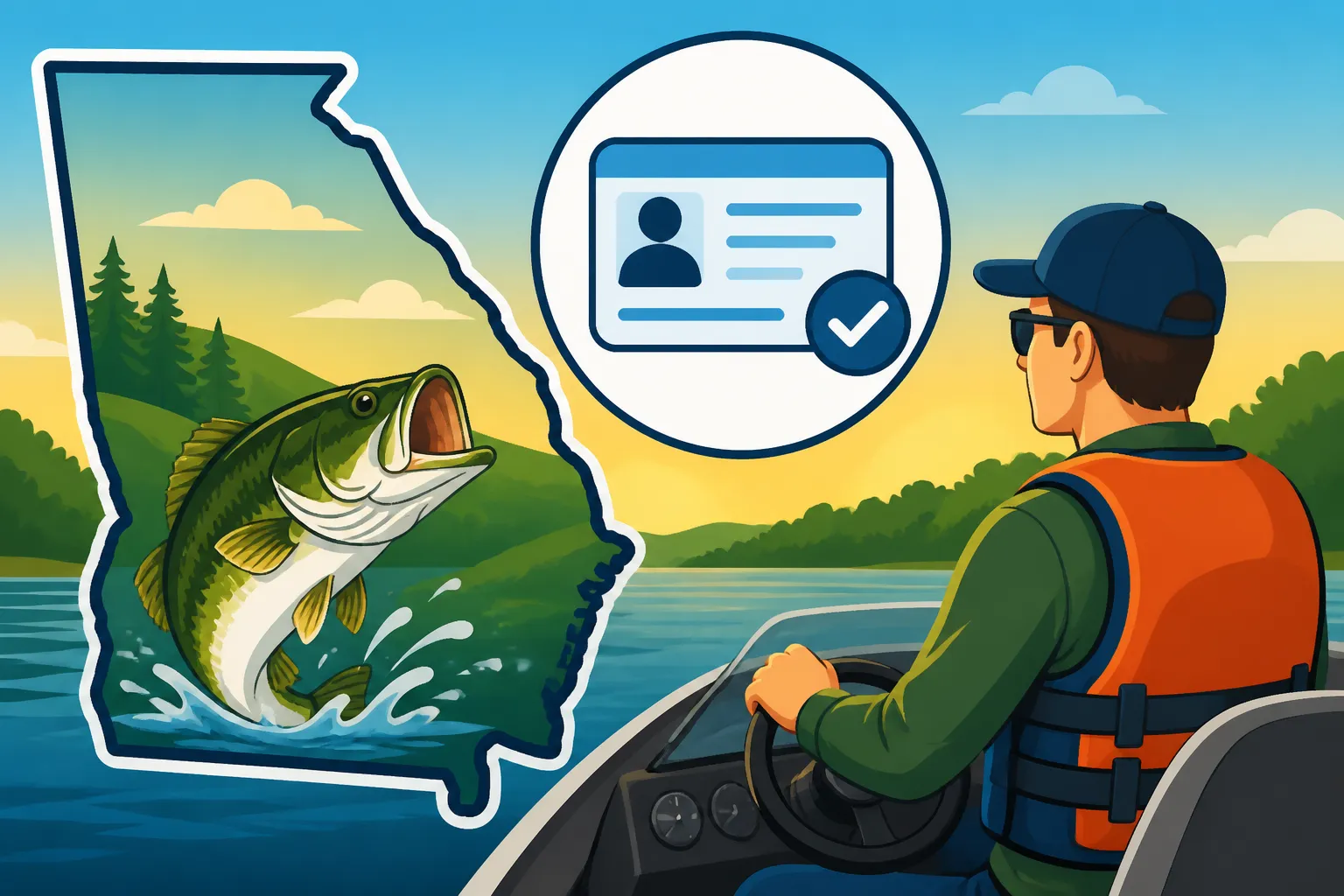
The Georgia Boater Education Card isn't just another piece of plastic; it's a vital credential proving you've learned the essential rules of safe boating on the state's public waters. Think of it like a driver's license for the water – it demonstrates that you understand how to operate a vessel responsibly, protect yourself and your passengers, and respect other boaters and the marine environment. It's designed to reduce boating accidents, injuries, and fatalities, making our shared aquatic spaces safer for everyone.
Why Boater Education is Essential
When you're out on the water, whether you're chasing bass on Lake Oconee or cruising the Intracoastal Waterway, you're not just enjoying a pastime; you're operating a potentially powerful piece of machinery. Just like driving a car, there are specific rules of the road – or in this case, rules of the water – that everyone needs to follow. Without a proper understanding of navigation, right-of-way, buoy markers, and emergency procedures, you could inadvertently put yourself and others at risk. The Boater Education Card program ensures a baseline of knowledge across all boaters.
Beyond simply avoiding fines or legal trouble, the education you receive in preparing for this card empowers you with practical knowledge. You'll learn how to handle various weather conditions, what to do if someone falls overboard, how to safely refuel, and even basic maintenance tips that can prevent a breakdown far from shore. It’s about building confidence and competence, transforming a potentially stressful situation into a manageable one. It’s also about fostering a community of responsible boaters who look out for one another, something every seasoned Georgia angler truly appreciates.
What the Card Verifies
Essentially, obtaining your Georgia Boater Education Card confirms that you've successfully completed a boater safety course approved by the National Association of State Boating Law Administrators (NASBLA). These courses cover a wide range of topics crucial for safe boating. You’ll dive into subjects like navigation rules, understanding aids to navigation (those buoys and markers), safe boating practices, what to do in emergency situations, and even environmental responsibilities. It's not just rote memorization; it's about internalizing principles that keep you safe.
The course curriculum often includes modules on understanding the various types of boats and their limitations, how to properly use Georgia Life Jacket Laws for Boaters and Kids, and the dangers of Georgia Boating Under the Influence Laws. By passing the associated exam, you demonstrate proficiency in these areas, reassuring both yourself and the state that you're prepared for the responsibilities that come with operating a vessel. This verification helps maintain a higher standard of safety on Georgia's lakes, rivers, and coastal waters, which benefits every single person who enjoys them.
Who Absolutely Needs This Card? The 'Born After January 1, 1998' Rule
This is where many people get a little confused, and it’s probably the most critical piece of information for Georgia boaters. The primary rule that dictates whether you need a Georgia Boater Education Card revolves around your birthdate. It’s a clear cutoff, but understanding its nuances, especially concerning supervision and specific boat types, is essential.
The Georgia Boater Education Card and the 1998 Birthdate Rule
In Georgia, anyone born on or after January 1, 1998, who operates a motorized vessel on the state's public waters, must possess a Georgia Boater Education Card. This isn't just for fast ski boats or fishing vessels; it applies to any motorized craft, including personal watercraft (PWCs) like Jet Skis. If you fall into this age group, consider this card a mandatory part of your boating gear, just like life jackets or a throwable flotation device. Without it, you could face penalties if stopped by law enforcement.
This rule was put in place to ensure that younger generations of boaters are properly educated from the outset. It’s an investment in safety for years to come. Even if you consider yourself a seasoned boater because you grew up on the lake, if your birthdate is 1998 or later, the card is non-negotiable for operating a motorized boat on your own. It's a foundational requirement that helps standardize boater knowledge across the state. Remember, even if you’re fishing from a small jon boat with a modest outboard, the rule still applies.
Exemptions and Supervision for Younger Boaters
While the 1998 rule is firm, there are a few exceptions and specific rules regarding supervision for younger operators. If a person born on or after January 1, 1998, is operating a motorized vessel, they are exempt from needing the card if there is a person 18 years of age or older on board who holds a valid Georgia Boater Education Card or who was born before January 1, 1998. This supervising adult must be readily able to take control of the vessel if needed, ensuring they are not just a passenger, but actively overseeing the operation.
Furthermore, it's important to clarify that this rule primarily applies to motorized vessels. If you're enjoying a peaceful day Kayaks need to be registered in Georgia? or Is a Canoe Exempt From Registration in Georgia? on the water without a motor, the boater education card is not required for operation based on this rule. However, even in non-motorized vessels, understanding basic navigation and safety is always a wise move. For specific scenarios like if you're out fishing with your grandchild who falls into the required age bracket, you, as the experienced adult, would need to be present and ready to supervise if they are at the helm.
Let's break down the general requirements with a simple table:
| Scenario | Boater Education Card Required? | Notes |
|---|---|---|
| Operator born before January 1, 1998 (motorized vessel) | No | Grandfathered in; assumed to have experience. |
| Operator born on or after January 1, 1998 (motorized vessel) | Yes | Mandatory. Must carry proof of card. |
| Operator born on or after January 1, 1998, with qualified supervisor | No (for operator) | Qualified supervisor (born before 1998 OR holds card) must be 18+ and able to take immediate control. Operator still benefits from having the card. |
| Operating a non-motorized vessel (e.g., canoe, kayak, sailboat without motor) | No | Regardless of birthdate, education card not required for non-motorized vessels. Safety knowledge is still highly recommended. |
| Is the Georgia Boater Education Card Required for Kayaks? | No | Kayaks are generally non-motorized. If an electric motor is added, it becomes a motorized vessel, and the card requirement (based on birthdate) would apply. |
| Do You Need a Georgia Boater Education Card if Born Before 1998? | No | As long as you were born before January 1, 1998, you are not legally required to carry the card when operating a motorized vessel in Georgia, although taking a course for refresher knowledge is always a good idea. |
Your Step-by-Step Guide to Earning Your Boater Education Card
Getting your Georgia Boater Education Card might seem like a daunting task, but I promise it's straightforward. The process is designed to be accessible, offering several ways to complete the required course and test your knowledge. It's about ensuring you absorb critical information, not making you jump through unnecessary hoops.
Choosing an Approved Boater Safety Course
The first step is to select an approved boater safety course. Georgia accepts courses approved by the National Association of State Boating Law Administrators (NASBLA), which ensures a consistent standard of education. You have a few popular options here, depending on your learning style and schedule. Many people find the convenience of online courses appealing, allowing them to learn at their own pace from home. Organizations like Boat-Ed or BoatUS offer comprehensive online programs that are engaging and thorough. These platforms are often used across the country and provide excellent resources, which you might even find listed on retailers like Bass Pro Shops or Amazon if they sell related educational materials.
For those who prefer a more traditional classroom setting, local organizations, sometimes including those affiliated with marine retailers or even community centers, occasionally offer in-person courses. These can be great for hands-on learning and direct interaction with instructors. Whichever format you choose, make sure the course is specifically approved for Georgia to ensure your efforts count towards obtaining your card. The key is to pick a method that allows you to truly understand and retain the material, not just rush through it.
The Exam and Obtaining Your Card
Once you've completed your chosen boater safety course, the next step is to pass the final exam. This exam tests your understanding of the material covered in the course, from navigation rules and marker meanings to emergency procedures and proper safety equipment. Don't worry, if you've paid attention during the course, you'll be well-prepared. Most online courses allow you to retake the exam if you don't pass on the first try, giving you a chance to review and re-test.
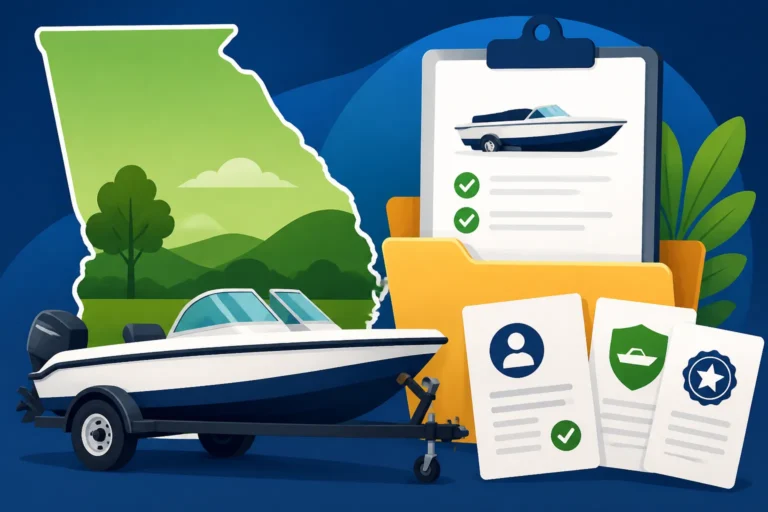
After successfully passing the exam, you’ll typically receive a certificate of completion. This certificate is proof that you’ve met the educational requirement. You'll then follow the instructions provided by the course provider to apply for your official Georgia Boater Education Card, which is usually issued by the Georgia Department of Natural Resources (DNR). There might be a small processing fee for the card itself, separate from the course fee. Keep your certificate safe until your official card arrives, as it serves as temporary proof. Remember, this card needs to be carried with you whenever you're operating a motorized vessel on Georgia waters. You can find more details on the associated costs and process at Georgia Boater Education Card Cost and How to Get One.
Boater Education Card for Out-of-State Visitors
Georgia's beautiful lakes, rivers, and coastal areas attract boaters from all over the country. If you're planning a trip to fish or cruise in Georgia waters, you might be wondering if your home state's boater education certification is valid here. The good news is that Georgia generally recognizes out-of-state certifications, but there are a few critical points to understand to avoid any surprises.
Reciprocity with Other States' Certifications
Georgia law provides for reciprocity, meaning that if you have a valid boater education card or certificate issued by another state, and that state's course is approved by NASBLA (which most state-issued cards are), then Georgia will recognize your certification. This is a huge relief for visiting anglers and boaters who want to explore Georgia's incredible waterways without having to take another course. For instance, if you've completed a boater safety course in Florida or Alabama and received a card, it's very likely that card will be accepted in Georgia.
However, it's always a good idea to carry your physical boater education card with you, along with photo identification, whenever you're operating a motorized vessel in Georgia. This makes it easy to prove your compliance if you are ever stopped by law enforcement. While reciprocity is common, it’s not universal for every single type of certification, so having the official, NASBLA-approved card from your home state is key. This ensures a smooth and enjoyable boating experience, whether you're bringing your bass boat down for a tournament on Lake Seminole or just enjoying a quiet weekend.
What to Do If You Don't Have an Out-of-State Card
If you're a visitor to Georgia and you don't possess an equivalent boater education card from your home state, or if your home state doesn't have a mandatory boater education requirement that meets NASBLA standards, then Georgia's rules apply to you. This means if you were born on or after January 1, 1998, you would need to obtain a Georgia Boater Education Card to operate a motorized vessel on your own. This might sound inconvenient, but it ensures that all operators on Georgia's waters meet a minimum safety standard.
In this scenario, taking an approved online Georgia boater safety course before your trip is usually the most convenient option. Many of these courses can be completed in a few hours, allowing you to quickly get certified and legally enjoy Georgia's waters. You could find these courses easily online by searching for "Georgia boater education." This proactive step ensures you won't encounter any issues with law enforcement and, more importantly, provides you with critical safety knowledge that applies to boating anywhere, not just in Georgia.
Benefits Beyond Compliance: Why Boater Education is Smart
While the primary reason many people seek out the Georgia Boater Education Card is legal compliance, the benefits of completing a boater safety course extend far beyond simply checking a box. These courses equip you with invaluable knowledge and skills that enhance your boating experience, boost your confidence, and can even save you money in the long run. It's an investment in your safety and enjoyment on the water.
Enhanced Safety and Confidence on the Water
Imagine heading out onto a busy reservoir like Clarks Hill Lake on a weekend. Knowing the rules of navigation, how to react to other boaters, and how to safely pass or be passed dramatically reduces stress and increases your confidence. Boater education isn't just about memorizing facts; it's about developing an intuitive understanding of how to manage your vessel safely in various conditions. You'll learn about potential hazards, how to interpret weather patterns, and what steps to take if an unexpected situation arises. This knowledge empowers you to be a more proactive and safer boater.
Having a solid grasp of boating safety also means you're better prepared for emergencies. Knowing how to use What Safety Equipment Is Required on a Georgia Boat, performing basic first aid, or effectively communicating with rescue services can make all the difference in a critical situation. This confidence isn't just for you; it extends to your passengers. Friends and family will feel much more secure knowing that their captain is well-educated and capable of handling whatever the water throws at them. It transforms a potentially anxiety-inducing trip into a genuinely relaxing and enjoyable outing.
Potential Insurance Discounts and Other Perks
Here’s a benefit many boaters don’t realize: completing a NASBLA-approved boater safety course can often qualify you for a discount on your boat insurance. Insurance companies recognize that educated boaters are less likely to be involved in accidents, which translates to fewer claims for them. It's a win-win situation: you're safer on the water, and you save some money on your premiums. The amount of the discount can vary, so it's worth checking with your insurance provider after you've obtained your card.
Beyond insurance, the knowledge gained can prevent costly mistakes. Understanding proper docking techniques can save you from dinging your hull or damaging another boat. Knowing how to read charts and avoid shallow areas can prevent grounding, which can lead to expensive repairs. Furthermore, being a knowledgeable and courteous boater contributes to a better experience for everyone on the water, fostering a more respectful and enjoyable environment. It's truly a small investment for a significant return in peace of mind, safety, and even financial savings.
Common Misconceptions and FAQs About Georgia's Boater Education
When it comes to boating regulations, there's always a bit of confusion floating around. People hear different things, and it's easy for myths to take root. Let's clear up some of the most common misunderstandings and answer frequently asked questions about the Georgia Boater Education Card, so you can hit the water with clarity and confidence.
"I Only Operate a Small Boat – Do I Still Need It?"
This is a common question, and the answer, for anyone born on or after January 1, 1998, is generally yes, if it's a motorized vessel. Many people mistakenly believe that the boater education card is only for those operating larger, high-speed boats or personal watercraft. However, Georgia law specifies "any motorized vessel." This means if you're running a 10-foot jon boat with a modest 9.9 horsepower outboard, and your birthdate falls into the required age range, you absolutely need the card. The size or horsepower of the motor doesn't exempt you.
The logic here is sound: even a small boat can cause significant damage or injury if operated improperly. Knowing right-of-way rules, understanding navigation markers, and being aware of hazards like other boats, swimmers, or submerged objects are crucial regardless of your vessel's dimensions. So, whether you're fishing for crappie on Lake Sinclair in a small skiff or cruising in a pontoon boat, if it has a motor and you're in the age group, get that card! It's better to be safe and compliant than to risk a fine or, worse, an accident.
"My Friend Has a Card, So I'm Covered, Right?"
This is another area where misunderstandings can lead to trouble. While Georgia law does allow a person born on or after January 1, 1998, to operate a motorized vessel without their own card if an adult (18+) who either holds a valid Georgia Boater Education Card or was born before January 1, 1998, is on board and able to take immediate control, it's not a blanket pass. This means the supervising adult needs to be actively supervising, not just passively present. They need to be in a position where they can quickly intervene.
While this exemption provides flexibility, it's always highly recommended that anyone who regularly operates a boat, regardless of supervision, obtains their own card. Why? Because true understanding and responsibility come from personal education. Relying solely on a supervisor means you might not fully grasp all the intricacies of safe boating, which could be critical if you ever find yourself alone or in an unexpected situation. Plus, having your own card gives you the freedom to operate a boat whenever you want, without needing to coordinate with a qualified supervisor. It's about empowering you with the knowledge, rather than just sidestepping a requirement.
What Happens If You Skip the Card? Penalties and Consequences
Ignoring boating regulations, especially a mandatory requirement like the Georgia Boater Education Card, can lead to some unpleasant consequences. It’s not just about a slap on the wrist; there can be legal and financial repercussions that quickly outweigh the minor effort and cost of obtaining the card in the first place. Nobody wants their peaceful day on the water to end with a run-in with law enforcement.
Legal Penalties for Non-Compliance
If you're stopped by Georgia DNR law enforcement and found to be operating a motorized vessel without the required Boater Education Card (if your birthdate falls on or after January 1, 1998, and you don't have a qualified supervisor), you could face a citation. This is generally considered a misdemeanor. While I can't give specific figures, the fines can be substantial. Beyond the immediate financial penalty, you might also incur court costs and possibly even have points added to your driving record, depending on the severity and specific circumstances.
Law enforcement officers in Georgia take boating safety seriously, and they are regularly patrolling popular fishing spots and recreational areas. They are there to ensure everyone adheres to the rules, which ultimately contributes to a safer environment for all boaters. Being cited for not having your card can put a real damper on your day and your wallet. It's a completely avoidable situation by simply taking the necessary steps beforehand. More information about the repercussions can be found at Penalties for Fishing Without a License in Georgia and What Happens if You Get Caught Fishing Without a License?, which often overlap with boating infractions.
The Higher Risk of Accidents and Liabilities
Beyond the legal fines, the most significant consequence of skipping boater education is the increased risk of accidents. An uneducated boater is simply more prone to making critical mistakes – misjudging distances, failing to yield right-of-way, or not knowing how to respond to rapidly changing weather. These mistakes can lead to collisions, groundings, or personal injuries, not just to yourself but to your passengers and other innocent people on the water.
If you are involved in an accident and found to be operating without the legally required boater education card, your liability could increase significantly. Your boat insurance company might deny coverage or you could face much steeper legal battles and financial payouts for damages or injuries. This financial burden can be astronomical, far exceeding the modest cost of a boater education course. It’s a stark reminder that the card isn't just a formality; it's a testament to your commitment to safety, which protects you, your loved ones, and your assets in the long run.
Maintaining Your Boater Education Card: Validity and Best Practices
Once you've earned your Georgia Boater Education Card, you've done the hard part! But like any important document, it's crucial to understand how to keep it valid, what to do if it's lost, and some best practices for carrying it on the water. This ensures your hard work pays off and you remain compliant for all your future boating adventures.
Is Your Georgia Boater Education Card a "Once and Done" Deal?
Good news! In Georgia, your Boater Education Card is a "once and done" achievement. Unlike a driver's license or Georgia Fishing License Renewal Guide, it does not expire. Once you've successfully completed a NASBLA-approved course and received your official card from the Georgia DNR, it is valid for life. This means you won't need to retake the course or renew the card periodically, which is a significant convenience for long-term boaters.
However, while the card itself doesn't expire, your knowledge and skills can always benefit from a refresher. Boating technology evolves, and revisiting the rules or taking an advanced safety course every few years isn't a bad idea, especially if you get a new type of vessel or start exploring new waterways. Think of it less as a mandatory chore and more as an opportunity to keep your skills sharp and stay updated on the latest safety recommendations.
Lost Cards and Proof of Education
Life happens, and sometimes important documents get lost or damaged. If you lose your Georgia Boater Education Card, don't panic! You can typically request a replacement card from the Georgia Department of Natural Resources (DNR). There may be a small fee associated with issuing a duplicate card, but the process is usually straightforward. You'll likely need to provide information like your name, date of birth, and possibly the approximate date you completed your original course.
While waiting for a replacement, it's always wise to keep a digital or physical copy of your course completion certificate, if you have it. This can serve as temporary proof of education if you're ever stopped by law enforcement. Better yet, be proactive and make digital copies of all your important boating documents, including your Boater Education Card, and save them to a cloud service or secure folder on your phone. That way, you always have access to proof, even if your physical card is at the bottom of the lake (hopefully not!). You can also generally access your records through the Georgia DNR's online licensing system, which can sometimes provide verification of your completed courses.
Disclaimer
This article is for general informational purposes only and does not constitute professional advice. Laws, prices and regulations vary by location and change over time. Consult a qualified professional for guidance on your specific situation.