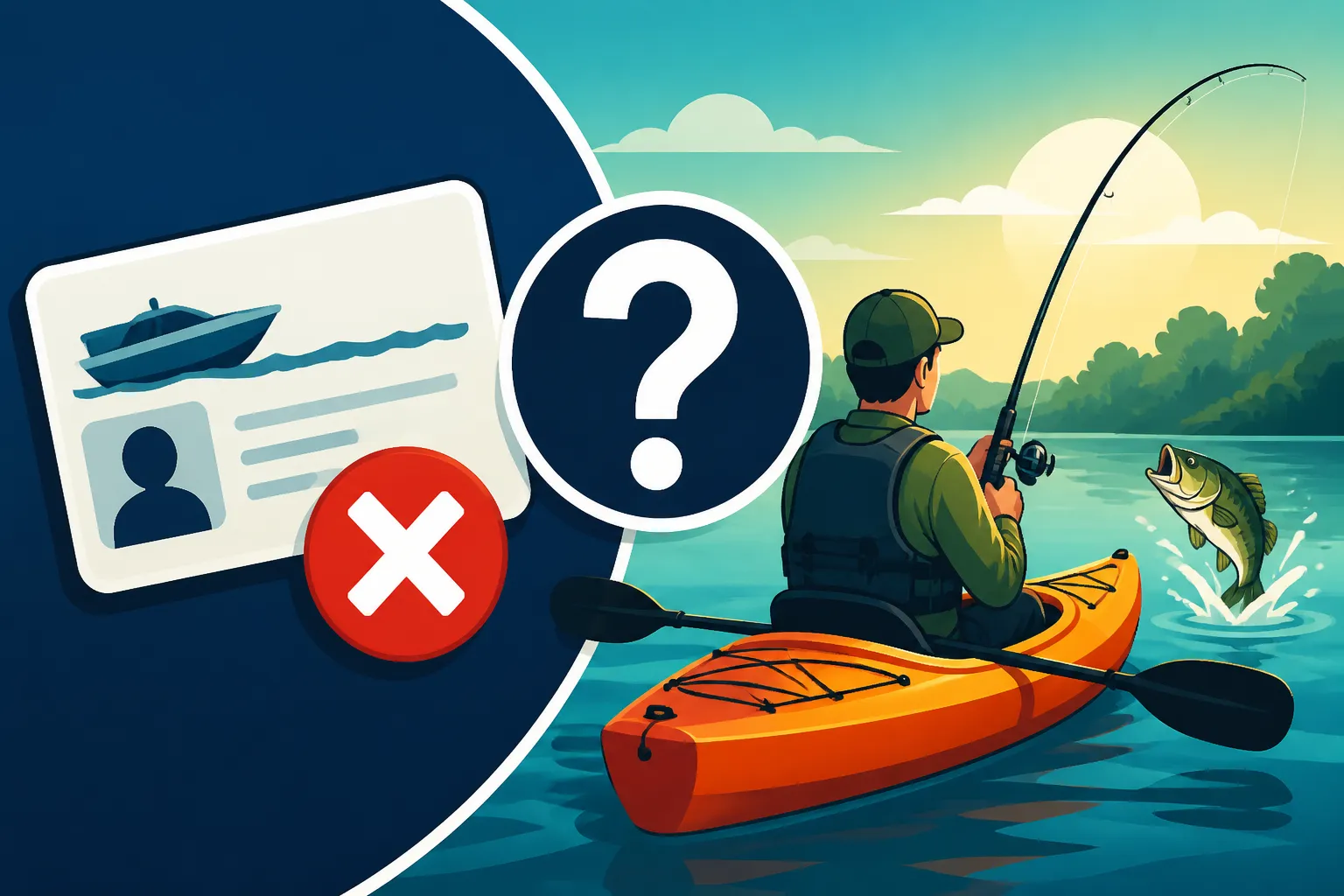
Is the Georgia Boater Education Card Required for Kayaks?
It can be surprisingly confusing to figure out all the rules and regulations when you just want to get out on the water, especially with something as simple as a kayak. You might think a paddleboat wouldn't have the same hoops to jump through as a big motorboat, but the laws can be a bit murky. This guide is here to clear up whether you need a Georgia Boater Education Card specifically for kayaking, helping you paddle with confidence and stay on the right side of the rules.
The Core Question: Do Kayakers Need a Boater Education Card in Georgia?
Let's cut right to the chase because nobody wants to spend more time reading regulations than they do actually fishing. The answer to whether you need a Georgia Boater Education Card for a kayak largely depends on one crucial factor: is your kayak propelled solely by paddle power?
Understanding Georgia's Boater Education Law
Georgia has a very clear law regarding who needs to have a Boater Education Card. Generally speaking, anyone born on or after January 1, 1998, who operates any vessel on Georgia waters, must possess a Georgia Boater Education Card. This applies to personal watercraft (like jet skis) and any other motorized vessels. The law was put in place to ensure that younger generations of boaters have a solid understanding of safe boating practices and waterway rules. It's designed to reduce accidents and make our shared waterways safer for everyone. You can find more comprehensive details in our Georgia Boater Education Card Requirements guide.
Now, if you're like me, you probably remember a time when you just hopped in a canoe or a jon boat with a small motor and went fishing without much thought to a "boater education card." Times have changed, and for good reason! The sheer number of people on the water has increased, and with that comes a greater need for standardized knowledge of how to operate a vessel safely. This is especially true on busy lakes like Lanier or Oconee, where all types of watercraft are sharing the space. The intention isn't to make things harder, but to protect lives and promote responsible recreation.
Non-Motorized Vessel Exemptions
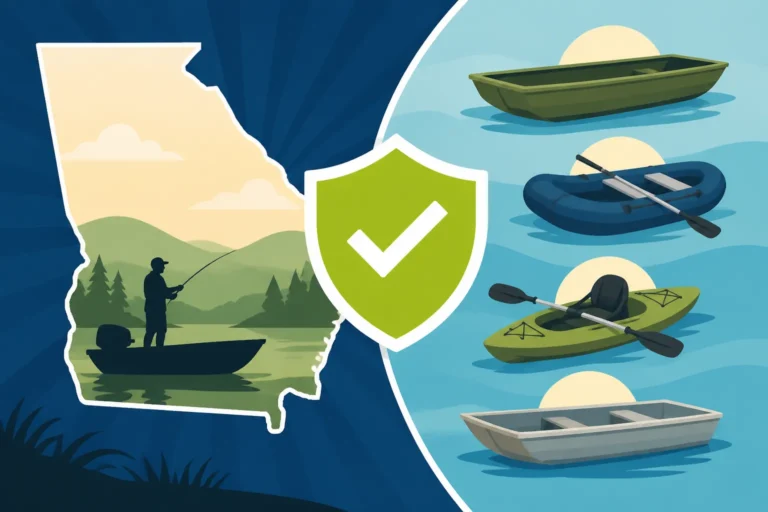
Here's the good news for traditional kayakers: if your kayak, canoe, paddleboard, or even a rowboat is powered exclusively by your own muscle (i.e., paddles, oars, or pedals), then no, you are not legally required to possess a Georgia Boater Education Card. This exemption extends to other non-motorized vessels as well, recognizing that operating a paddle-powered craft presents a different set of challenges and risks compared to a motorized one. The law is specifically targeting the operation of vessels that utilize an engine for propulsion.
So, if you're planning a quiet float down the Toccoa River or a leisurely paddle around a serene state park pond, and your kayak doesn't have an engine, you can breathe a sigh of relief on the boater education card front. This applies whether you're fishing for trout in a mountain stream or just enjoying the scenery on a calm lake. It's a significant distinction that often causes confusion, especially for those new to kayaking or moving to Georgia from another state with different regulations. It's always a good idea to double-check the Georgia Non-Motorized Boat Rules for Boats Under 16 Feet to be absolutely sure of any other lesser-known regulations that might apply.
The "Power" Factor
This is where things can get a little tricky. While your traditional paddle-powered kayak doesn't require a boater education card, introducing any form of mechanical propulsion changes the game. If you decide to add a small electric trolling motor to your kayak, even if it's just a tiny one that clamps onto the side, your vessel is now considered "motorized" under Georgia law.
Once your kayak is motorized, the same rules apply as for any other powerboat. If you were born on or after January 1, 1998, you would indeed need that Georgia Boater Education Card. This catches many kayakers off guard, especially with the growing popularity of pedal-drive kayaks that also allow for easy motor additions. It's not about the size of the motor, or even how often you use it; it's simply about its presence and capability to propel the vessel mechanically. So, before you trick out your kayak with that new trolling motor for easier fishing access, make sure you're aware of the added educational requirement. It's a small detail, but a legally important one.
Why Boater Education Still Matters for Kayakers (Even if Not Required)
Even though the law might not require you to have a Boater Education Card for your paddle-powered kayak, that doesn't mean the knowledge isn't incredibly valuable. In fact, I'd argue it's just as important, if not more so, for kayakers who are often smaller and less visible on the water than larger boats.
Safety First, Always
The primary goal of boater education is safety, and that applies to every single person on the water, regardless of their vessel type. Kayaks, despite their stability and ease of use, come with their own set of inherent risks. Capsizing, getting swept away by currents, unexpected weather changes, and collisions are all possibilities. A boater education course covers crucial topics like basic navigation rules, emergency procedures, weather awareness, and what to do if you encounter trouble. Imagine being caught in a sudden thunderstorm on Lake Lanier – knowing how to react, where to seek shelter, and how to signal for help can be a lifesaver. This kind of knowledge isn't just for powerboaters; it's for anyone who respects the power of the water.
Learning about safety also means understanding the limits of yourself and your equipment. Are you paddling too far from shore? Is your PFD (Personal Flotation Device, aka life jacket) properly fitted? Do you know how to self-rescue if you flip? These aren't just theoretical questions; they're real-world scenarios that every kayaker could face. Taking a course, even voluntarily, empowers you with the knowledge to make smart decisions and ensure a safer, more enjoyable experience for yourself and anyone else you might be paddling with.
Understanding the Rules of the Water
Our lakes and rivers are shared spaces, often bustling with various types of watercraft – from roaring bass boats to leisurely pontoons, sailboats, personal watercraft, and, of course, kayaks. Each of these vessels has rights and responsibilities on the water, governed by a set of rules often referred to as "the rules of the road." As a kayaker, you might feel small and vulnerable amidst larger boats, but you still have a role to play in preventing accidents.
A boater education course will teach you about right-of-way rules, navigation lights, sound signals, and proper conduct when approaching other vessels. For instance, knowing that larger vessels generally have the right-of-way in narrow channels, or understanding how to properly pass another boat, can prevent dangerous close calls. Even something as simple as knowing how to react when a large wake from a powerboat heads your way can be invaluable. It helps you anticipate potential hazards and react appropriately, making you a more predictable and safer presence on the water. This also ties into knowing What Safety Equipment Is Required on a Georgia Boat more broadly, even if your kayak is exempt from some of the motorboat-specific requirements.
Protecting Yourself and Others
Being informed makes you a more responsible boater, which ultimately protects not only yourself but also your fellow anglers and recreational users. If you're out kayak fishing, perhaps on a river like the Chattahoochee, understanding currents, eddies, and potential strainers (fallen trees or debris) can prevent a dangerous situation. It's about being proactive rather than reactive.
Furthermore, if you're out with friends or family, particularly children, your knowledge becomes their safety net. Imagine teaching a grandchild to fish from your kayak. Your understanding of proper life jacket fit, emergency procedures, and how to spot potential dangers directly contributes to their safety and positive experience. While Do Kids Need a Fishing License in Georgia? is a different topic, ensuring their safety on the water goes far beyond a license or card. Think of boater education as another tool in your angling arsenal – one that helps ensure every trip ends with good memories, not close calls.
Getting Your Boater Education Card (If You Choose To)
If you've decided that a boater education card, even if not legally required for your current setup, is a smart move for your peace of mind and safety, then you have some excellent options for getting certified. It's a commitment, but one that many seasoned anglers and boaters swear by.
Online vs. In-Person Options
The good news is that obtaining a Georgia Boater Education Card has become incredibly accessible. You can choose from various formats, depending on your learning style and schedule. Many state-approved courses are available entirely online. These online courses allow you to learn at your own pace, from the comfort of your home, pausing and reviewing material as needed. This flexibility is perfect for busy schedules, letting you chip away at the course whenever you have a free moment. Often, these courses are structured with engaging content, quizzes, and a final exam.
Alternatively, if you prefer a more traditional classroom setting, there are often in-person courses offered by local boating organizations, marinas, or even community centers. These can be great for hands-on learners who appreciate direct interaction with instructors and other students. Being able to ask questions in real-time and discuss scenarios with peers can enhance the learning experience. Check with the Georgia Department of Natural Resources (DNR) website for a list of approved online providers and local in-person course schedules. You might even find resources through popular outdoor retailers like Bass Pro Shops or online through platforms like Amazon, which often promote certified courses or related educational materials.
What the Course Covers
Regardless of whether you choose an online or in-person format, a certified Georgia Boater Education course is comprehensive. It's designed to give you a well-rounded understanding of safe boating. You can expect to cover a wide range of topics, including:
- Boating Basics: Understanding different types of boats, hull designs, and propulsion systems.
- Navigation and Right-of-Way: How to navigate safely, interpret buoy markers, and avoid collisions with other vessels. This is particularly important on crowded lakes where multiple types of boats operate.
- Safety Equipment: Essential gear, like Coast Guard-Approved Life Jackets for Georgia Boaters, fire extinguishers, and sound-producing devices, and when they are required.
- Emergency Procedures: What to do in case of capsizing, fire, man overboard situations, or severe weather.
- Environmental Responsibility: Preventing pollution, safe fueling practices, and respecting wildlife.
- State-Specific Laws: Understanding Georgia's unique boating regulations, including information on Georgia BUI Laws and Blood Alcohol Limits and other legal requirements.
The course aims to equip you with practical knowledge that can be applied to any vessel you operate, from a small kayak to a larger powerboat. It’s not just about passing a test; it’s about building a foundation of safe boating habits that will serve you well on every outing.
Peace of Mind on the Water
Ultimately, investing your time and effort into obtaining a Boater Education Card, even when not strictly mandated for your non-motorized kayak, buys you something invaluable: peace of mind. Knowing that you've been thoroughly educated on boating safety and regulations can significantly boost your confidence on the water. This confidence allows you to focus more on the enjoyable aspects of your trip, whether that's targeting a trophy bass or simply soaking in the natural beauty of Georgia's waterways.
When you're prepared for potential challenges, you're less likely to panic if an unexpected situation arises. You'll be better equipped to handle a sudden change in weather, a close encounter with another boat, or a minor equipment malfunction. This proactive approach to safety ensures that your adventures are as stress-free and enjoyable as possible. Furthermore, you set a positive example for other boaters and recreational users, contributing to a culture of safety and responsibility on all of Georgia's beautiful lakes, rivers, and coastal waters.
Essential Kayak Safety Gear (Card or No Card)
Regardless of whether you need a Boater Education Card, certain safety gear is absolutely non-negotiable for kayakers in Georgia. Think of it as your essential "go-kit" that you never leave shore without. These items aren't just good ideas; many are legally required for your safety and the safety of others.
Life Jackets Aren't Optional
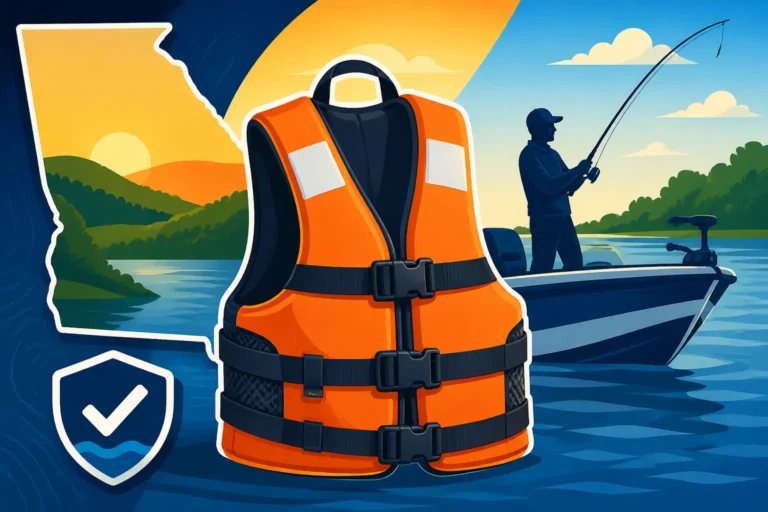
This is the biggest one, folks. A properly fitted, Coast Guard-approved Personal Flotation Device (PFD), or life jacket, is not just recommended; it's often a legal requirement and, more importantly, it's your lifeline. Even the strongest swimmers can be overcome by cold water shock, currents, or unexpected falls. In Georgia, every person on board a vessel, including a kayak, must have a readily accessible, serviceable, and properly sized US Coast Guard-approved PFD.
Furthermore, children under 13 years of age are legally required to wear a PFD at all times while on a moving vessel. This applies to kayaks as well! So, if you're paddling with kids, make sure they're not just wearing any old PFD, but one that fits them snugly and is approved for their weight and activity. You can find excellent options, including specialized kayaking PFDs with better arm mobility, at outdoor retailers like Bass Pro Shops or online through Amazon. Don't skimp on this essential piece of gear. Make sure to review the Life Jacket Requirements for Kids Under 13 in Georgia for detailed information.
Visual and Auditory Signals
Being seen and heard on the water is critical, especially in a low-profile vessel like a kayak.
- Navigational Lights: If you plan to be on the water between sunset and sunrise, or during periods of restricted visibility (like fog), your kayak must display proper navigation lights. For kayaks, this usually means a white light that is visible 360 degrees and is turned on in time to prevent collisions. A headlamp or a small battery-powered lantern often suffices, as long as it meets the visibility requirements. It's about ensuring other boaters can see you from all directions.
- Whistle or Sound-Producing Device: Every vessel, including a kayak, must have a sound-producing device on board. A simple whistle, attached to your PFD or kayak, is usually sufficient. This allows you to signal other boats, alert them to your presence, or signal for help in an emergency. It’s a small, inexpensive item that can make a huge difference in a critical situation. Imagine rounding a blind bend in a river and needing to warn an approaching boat – a whistle is your best friend.
Essential Kit for Every Trip
Beyond the mandatory items, a few other pieces of gear can significantly enhance your safety and enjoyment:
- Paddle Leash: A simple tether that connects your paddle to your kayak. If you capsize or drop your paddle, it won't float away. Trust me, trying to paddle a kayak without a paddle is a surprisingly difficult task.
- Bilge Pump or Sponge: Kayaks can take on water from splashes, rain, or small leaks. A small hand-operated bilge pump or even a large sponge can quickly remove water and keep your kayak buoyant and stable.
- First-Aid Kit: A compact, waterproof first-aid kit is crucial for treating minor scrapes, cuts, or bug bites. It's always better to be prepared for small mishaps.
- Communication Device: A fully charged cell phone in a waterproof bag, or even a marine-band VHF radio, allows you to call for help in an emergency. Make sure someone on shore knows your float plan.
- Sun Protection: Sunscreen, a wide-brimmed hat, and polarized sunglasses (especially useful for spotting fish!) are essential for protecting yourself from Georgia's strong sun exposure.
Preparation is Key
Before every outing, take a few minutes to prepare. Check the weather forecast for wind, storms, and water conditions. Tell someone your "float plan" – where you're going, your planned route, and when you expect to return. This way, if you don't check in, someone knows where to start looking. Remember, even though kayaks offer incredible freedom, responsible preparation is a non-negotiable part of that freedom.
Here's a quick rundown of kayak scenarios and whether a boater education card is typically needed in Georgia:
| Kayak Scenario | Legal Boater Education Card Requirement | Rationale |
|---|---|---|
| Paddle-powered kayak (no motor) | No | Exemption for non-motorized vessels. Propulsion is solely by human power. |
| Kayak with electric trolling motor | Yes (if born after Jan 1, 1998) | Any mechanical propulsion (even electric) classifies it as a motorized vessel. The standard age-based rule applies. |
| Kayak with a small gasoline engine | Yes (if born after Jan 1, 1998) | Similar to electric motors, any gas engine makes it motorized. |
| Pedal-drive kayak (no motor) | No | Propulsion is still human-powered (pedals instead of a paddle). |
| Tandem kayak (paddle-powered) | No | Still a non-motorized vessel. The number of occupants doesn't change the propulsion method. |
| Rental kayak (paddle-powered) | No | The legal requirement is based on vessel type and propulsion, not ownership or rental status. |
| Kayak used for fishing (paddle-only) | No | Fishing activity does not change the non-motorized status. (A separate Georgia Fishing License Guide is needed for fishing, of course!). |
| Kayak used in a river with strong current (paddle-only) | No | Environmental conditions do not change the non-motorized status, but heightened safety awareness and skill are critical. |
Remember, this table summarizes the legal requirement for the boater education card. The knowledge gained from a boater education course is always beneficial for safety, regardless of legal mandates.
Disclaimer
This article is for general informational purposes only and does not constitute professional advice. Laws, prices and regulations vary by location and change over time. Consult a qualified professional for guidance on your specific situation.