Georgia Fishing License Renewal Guide
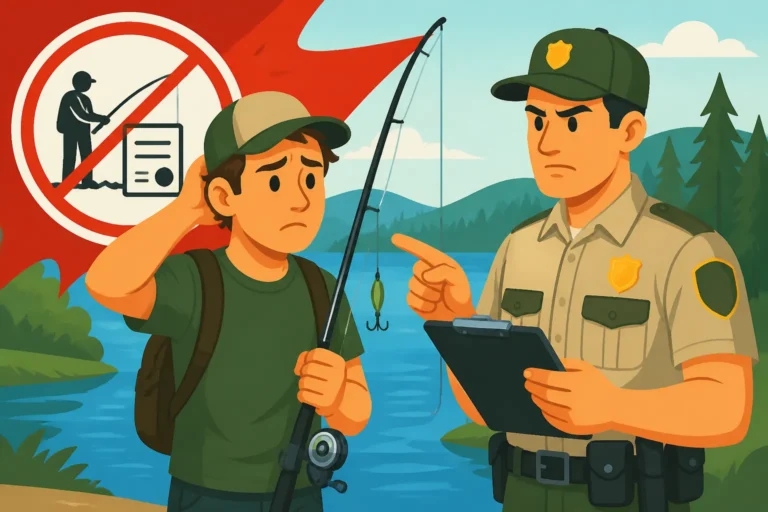
Oh, the dread of realizing your fishing license is about to expire, or worse, has expired right before a perfect weekend on the water! It’s a gut punch, isn't it? You’ve got your gear ready, the weather forecast looks perfect, and then that little voice in your head reminds you about that crucial piece of paper (or digital record). Nobody wants to face a fine or have their trip cut short because of a bureaucratic oversight. This comprehensive guide will walk you through everything you need to know about your Georgia Fishing License Renewal Guide, ensuring you stay legal and ready for your next big catch without any last-minute panic.
Understanding Your Georgia Fishing License Expiration
It's easy to lose track of time when you're busy with life, work, and dreaming about your next fishing adventure. But understanding the nuances of your Georgia fishing license's expiration is the first crucial step to avoiding an unwelcome surprise. Many anglers simply buy a license and forget about it until a new year rolls around, only to find out their license operates on a different cycle.
Annual vs. 365-Day Licenses: What's the Difference?
This is where a lot of confusion, and subsequent frustration, tends to crop up for Georgia anglers. For years, "annual" often meant a license that was valid for a calendar year, typically expiring on December 31st regardless of when you purchased it. However, Georgia, like many states, has largely moved to a more user-friendly system: the 365-day license. This means your license is valid for a full 365 days from the date of purchase. If you bought your license on July 15th, 2023, it will be good until July 14th, 2024. This change was a huge win for anglers because it meant you weren't "losing" months of fishing if you bought your license later in the year.
While the 365-day license is the most common and often the default, it's always wise to double-check the specific type of license you hold. Some specialized licenses or certain short-term options might still operate on a different schedule, though they are less common for general resident licenses. The main takeaway here is that you no longer have to rush to buy your license at the beginning of the year to get your money's worth. You get a full year of fishing no matter when you decide to purchase it. This distinction is vital for planning your renewal strategy and avoiding any periods where you might inadvertently be fishing without a valid license. For a deeper dive into these options, you might want to read about the Annual vs Short-Term Fishing License Options.
How to Check Your Current License Status
So, how do you actually figure out when your license is going to expire? It's much simpler than it used to be. The Georgia Department of Natural Resources (DNR) has made it incredibly convenient to check your license status online. You'll typically need your customer ID, which is usually your Georgia driver's license number, or sometimes a dedicated customer number assigned by the DNR. Head over to the Georgia DNR's licensing portal, and there should be a straightforward option to "Look Up License" or "Check Status."
Once you input your information, the system will display all your active licenses, their purchase dates, and their expiration dates. This is your definitive source of truth. Make it a habit to check this at least once a quarter, or set a reminder on your phone a month or two before your known expiration date. Don't rely solely on a faded paper copy in your wallet; the online system is always the most up-to-date. If you've never used the online portal before, don't worry, it's designed to be intuitive, even if you're not the most tech-savvy angler. You can also get this information if you renew by phone or visit an authorized agent.
The Importance of Timely Renewal
The consequences of fishing with an expired license in Georgia can range from a minor inconvenience to a significant headache, including fines and the potential confiscation of your gear. Enforcement officers are out there, especially during peak seasons and at popular fishing spots like Lake Lanier or the Chattahoochee River, and they do check licenses. Getting caught without one is a surefire way to ruin a perfectly good day on the water and hit your wallet. For a detailed breakdown of the repercussions, check out our guide on Penalties for Fishing Without a License in Georgia.
Beyond the legal ramifications, timely renewal simply ensures uninterrupted enjoyment of your favorite pastime. Imagine planning a long-anticipated trip to a North Georgia trout stream or a weekend bass fishing excursion on Lake Oconee, only to discover your license has expired. The scramble to renew then and there can be stressful, and it might even mean losing precious fishing time. By renewing proactively, you eliminate this stress, allowing you to focus purely on the joy of fishing. It's a small administrative task that pays dividends in peace of mind and hassle-free angling.
Methods for Renewing Your Georgia Fishing License
The Georgia DNR understands that anglers have different preferences and levels of access to technology. That's why they offer several convenient ways to renew your fishing license, ensuring that everyone can easily stay legal, whether you're a tech-savvy individual or prefer a more traditional approach. No matter your preferred method, the goal is always to make the process as smooth as possible so you can get back to what you love doing – fishing!
Online Renewal: The Quickest Way
For most people in this day and age, renewing your Georgia fishing license online is hands-down the easiest and fastest option. The Georgia DNR website (gooutdoorsgeorgia.com) is designed to be user-friendly, allowing you to complete the entire process from the comfort of your home, or even from your phone while you're sitting by the lake! You’ll typically need your customer ID (often your driver's license number) and a credit or debit card. The system guides you through selecting the licenses you wish to renew, adding any necessary endorsements like the Mountain Trout License Add-On in Georgia, and processing your payment securely.
One of the biggest advantages of online renewal is the instant gratification: once completed, you can often print a temporary license right away, or simply save the digital version to your phone. This means no waiting for mail and no special trips. It's available 24/7, which is perfect for those late-night realisations that your license is about to expire. The website even usually has prompts and reminders to make sure you don't miss any steps. For comprehensive instructions on this process, you can refer to How to Buy a Fishing License Online in Georgia.
Renewing by Phone: A Personal Touch
If you're not comfortable with online transactions or simply prefer talking to a real person, renewing your Georgia fishing license by phone is an excellent alternative. The Georgia DNR operates a dedicated licensing call center where knowledgeable staff can assist you with your renewal. You'll still need your identification information and payment details ready, but a representative will guide you through the options, answer any questions you might have about different license types or endorsements, and process your payment.
This method can be particularly helpful if you have specific questions about your license, such as eligibility for senior discounts or special permits, or if you're experiencing technical difficulties with the online system. While it might take a little longer than an online renewal due to potential wait times, the benefit of direct assistance and clarification can be invaluable for some anglers. Just make sure to call during business hours, which are typically listed on the DNR website. After your call, you'll usually receive an email confirmation that serves as proof of your renewed license, which you can then print or save.
In-Person Renewal at Authorized Agents
For those who prefer a face-to-face interaction or need to purchase a license while already out and about, renewing in person at an authorized license agent is still a popular option. These agents are typically found at bait and tackle shops, sporting goods stores (like some larger Cabela's or Bass Pro Shops locations), and even some convenience stores across the state. They are equipped with the DNR's licensing system and can process renewals just like the online portal or phone service.
Renewing at an agent allows you to ask local questions, grab some last-minute bait or tackle, and often receive a physical printout of your license on the spot. This can be great if you’re heading straight to the water. The human element can also be reassuring, especially if you have an unusual situation or need to clarify Georgia Fishing Regulations Explained. Before you head out, it's a good idea to check the DNR website for a list of Georgia License Agents Near You and their operating hours. Remember to bring your identification and payment method, just as you would for any other renewal method.
Step-by-Step Online Renewal Process
Renewing your Georgia fishing license online is generally a straightforward process, designed to get you back to fishing as quickly as possible. However, knowing what to expect and having your information ready can make it even smoother. Let's walk through the steps together, so you feel confident navigating the digital waters.
Navigating the Georgia DNR Website
Your first port of call is the Georgia Department of Natural Resources (DNR) licensing website, typically found at GoOutdoorsGeorgia.com. This is the official hub for all things related to hunting and fishing licenses in the state. Once you land on the homepage, look for a prominent section or link related to "Licenses" or "Buy/Renew License." The site is usually well-organized, with clear headings and menus. You might need to create an account if you're a first-time online user, but for renewals, you'll generally log in with your existing customer ID and password.
If you’ve forgotten your login details, don’t panic! There are typically options for "Forgot Customer ID" or "Forgot Password" that will guide you through retrieving or resetting them. It's often linked to your email address or the primary identification you used when first obtaining your license. Take your time to locate the correct links to ensure you’re on the right track and not accidentally creating a duplicate profile, which can sometimes lead to confusion down the line.
Required Information for Online Renewal
Once you've successfully logged in or navigated to the renewal section, you'll need to have a few key pieces of information readily available. This will typically include:
- Your Customer ID: This is usually your Georgia Driver's License number. If you don't have a Georgia Driver's License, it will be a unique customer number assigned to you by the DNR when you first purchased a license.
- Date of Birth: To confirm your identity.
- Current Address and Contact Information: The system will usually have this pre-filled from your previous license, but it’s crucial to verify it and update any changes. This ensures that any official communications or mailed permits reach you correctly.
- Payment Method: A valid credit or debit card (Visa, MasterCard, Discover, American Express are typically accepted).
The system will then display your eligible licenses for renewal. This is where you can select your basic fishing license, and also add any necessary endorsements. For example, if you plan on fishing for trout in designated mountain streams, you'll need to ensure you add the Mountain Trout License Add-On in Georgia. Similarly, if you fish Georgia's coast, you'll need to remember the Georgia Saltwater Information Permit Explained. Review your selections carefully before proceeding to payment to make sure you haven't forgotten anything, or accidentally added something you don't need.
Troubleshooting Common Online Issues
While the online renewal system is designed for ease of use, you might occasionally run into a snag. It happens to the best of us! Here are a few common issues and how to troubleshoot them:
- Login Problems: Double-check your customer ID and password. If still stuck, use the "Forgot ID/Password" options. Sometimes, using a different web browser (e.g., Chrome instead of Safari) can resolve compatibility issues.
- Payment Processing Errors: Ensure your credit card details are entered correctly (number, expiration date, CVV code). Verify that your billing address matches the one on file with your bank. If the problem persists, try a different card or contact your bank to check for any holds.
- Browser Compatibility: Outdated browsers or strict privacy settings (like ad blockers) can sometimes interfere with the site's functionality. Try clearing your browser's cache and cookies, or temporarily disabling extensions.
- Missing Licenses: If a license you expect to see for renewal isn't appearing, it could be for a few reasons. Perhaps it's a specialized license that has a different renewal process, or maybe it genuinely expired a while ago and you're looking for a fresh purchase rather than a renewal. In such cases, or if you're simply unsure, the best course of action is to contact the Georgia DNR's licensing customer service by phone. They can quickly look up your full history and guide you. Remember, having your renewed license available digitally means you can instantly resume fishing activities, even if you don't have a printer handy to print a Georgia Fishing License After Buying It Online.
Important Considerations for Your Renewal
Renewing your basic Georgia fishing license is just one piece of the puzzle for many anglers. Depending on where and how you plan to fish, you might need additional endorsements or qualify for specific license types. Taking these considerations into account during renewal can save you hassle and ensure you’re fully compliant with all regulations.
Adding Endorsements: Mountain Trout or Saltwater Information Permit
Georgia offers a rich diversity of fishing environments, from the cold, clear trout streams of the North Georgia mountains to the productive estuaries and coastal waters. To legally fish in these specific areas, you often need more than just a general fishing license.
- Mountain Trout License Add-On: If you dream of fly fishing for rainbow, brown, or native brook trout in Georgia's designated trout waters, you absolutely need this add-on. It's a separate endorsement that accompanies your basic fishing license. Without it, even with a valid general license, you could face fines for fishing in trout streams. When you renew your primary license online or by phone, you'll be prompted with the option to add this endorsement. It's a small additional cost but unlocks a whole world of fantastic fishing opportunities. Make sure you understand the specific requirements for trout fishing by reviewing the Georgia Trout Fishing License Requirements.
- Saltwater Information Permit (SIP): This is a critical one for anyone planning to fish in Georgia’s saltwater. Here's the twist: it’s free, but it’s still required. The Georgia Saltwater Information Permit Explained is designed to help the DNR gather crucial data on saltwater fishing effort, which in turn helps with conservation efforts and managing fish populations. Even if you're just casting a line off a pier or fishing inshore from a boat, if it's saltwater, you need this permit in addition to your basic fishing license. Like the trout endorsement, you can easily add this when renewing your primary license. Don't let the "free" aspect make you think it's optional – it's a must-have for coastal anglers.
Remember, adding these endorsements during your initial renewal process is the most efficient way to handle them. Trying to add them later requires another transaction, which, while possible, just adds another step to your to-do list.
Special Licenses: Senior, Disability, or Lifetime Renewals
Georgia is wonderfully supportive of its senior anglers and those with disabilities, offering special license options that make fishing more accessible and affordable.
- Senior Licenses: For Georgia residents, there are fantastic options available. Residents born before July 1, 1952, are often eligible for a free Senior Lifetime Sportsman's License in Georgia. While it's "lifetime," these licenses still need to be officially "renewed" in the system to remain active and verifiable. It's not a cost, but a process to ensure your information is current and your license status is active. For those born after the cutoff date, discounted annual or multi-year senior licenses are available once you reach age 65. It’s important to verify your eligibility and understand the application process, as it might differ slightly from a standard renewal. Details on this can be found under Senior Fishing License Rules in Georgia.
- Disability Licenses: Georgia also offers discounted licenses for residents with specific permanent disabilities. The eligibility criteria are strict and require documentation from a medical professional. If you qualify for one of these licenses, the renewal process will usually be similar to a standard annual renewal, but you'll need to ensure your disability status remains on file with the DNR. It's always best to contact the DNR directly if you're applying for the first time or have questions about renewing a disability license.
- Lifetime Licenses: Beyond senior lifetime options, Georgia offers lifetime licenses for all ages, which, once purchased, typically cover fishing (and often hunting) for the holder's entire life. While the initial investment is higher, it saves you the hassle of annual renewals and protects you from future price increases. Like the free senior lifetime license, these still need to be formally "renewed" in the system, usually annually, to keep your record current and confirm your continued eligibility. There's no fee, but it's a crucial administrative step. This ensures your license details are up-to-date in the state's system, and you remain compliant when asked for proof by a game warden.
Non-Resident Renewal Specifics
For our friends visiting from out of state, the renewal process for a Georgia fishing license has its own set of considerations. Non-residents typically pay higher fees than residents, and they also have various short-term options that residents might not frequently use.
- Nonresident Fishing License Prices in Georgia: When renewing, non-residents will select the appropriate license type (annual, 3-day, 7-day, etc.) and pay the corresponding nonresident fee. The 365-day license is still an option, but short-term licenses are very popular for vacations or quick trips. Always ensure you are selecting the correct non-resident category to avoid issues.
- Identification: Non-residents will need their out-of-state driver's license or other valid identification to complete the renewal process. The system will recognize your non-resident status and present you with the correct pricing and options.
- Endorsements: Just like residents, non-residents who plan to fish for trout or in saltwater will still need to purchase the appropriate endorsements. The Mountain Trout Add-On and the free Georgia Saltwater Information Permit apply to everyone, regardless of residency.
- Reciprocity: It's worth a quick mention that while Georgia does have some limited reciprocity agreements with neighboring states on certain shared border waters, this typically does not negate the need to renew your Georgia license if you plan to fish solely within Georgia's boundaries. Always check specific agreements if you frequently fish border waters.
By being mindful of these special considerations, you can ensure your Georgia fishing license renewal is comprehensive and covers all your angling needs, letting you focus on the fish, not the paperwork.
Costs and Fees Associated with Renewal
Let's be real, nobody enjoys paying fees, but they are a necessary part of ensuring that Georgia's fisheries are well-managed and conserved for future generations. Understanding the various costs associated with renewing your fishing license and its endorsements can help you budget and avoid any surprises.
Standard Resident and Non-Resident Renewal Fees
The cost of your Georgia fishing license varies significantly depending on whether you are a resident or a non-resident, and also on the duration of the license. The most common license for residents is the 365-day standard fishing license. This covers basic freshwater and saltwater fishing (though you still need the free Saltwater Information Permit for saltwater). For a comprehensive list, you can check the Georgia Fishing License Costs and Types guide.
For non-residents, the fees are higher, but Georgia offers flexible options like 1-day, 3-day, and 7-day licenses, which are perfect for visitors. An annual (365-day) non-resident license is also available for those who plan extended stays or frequent visits. It’s important to select the correct residency status and license duration during renewal to ensure you pay the correct fee. These fees directly support the Georgia Department of Natural Resources in stocking programs, habitat restoration, and enforcement efforts, so while it's a cost, it's an investment in the future of fishing in the state.
Additional Endorsement Costs
Beyond the basic fishing license, those specialized endorsements we talked about typically come with their own separate fees.
- Mountain Trout License: This is an add-on that costs extra on top of your base fishing license. It's a relatively small fee, but absolutely essential if you plan to target trout in Georgia's designated trout waters. Think of it as your passport to those pristine mountain streams.
- Saltwater Information Permit (SIP): As mentioned, this permit is free. However, don't let the lack of cost make you overlook it. It's still required for anyone fishing in Georgia's saltwater and needs to be obtained (or renewed in the system) alongside your basic fishing license. Its value is in data collection, not revenue.
- Other Potential Endorsements: Depending on specific activities, there might be other less common endorsements. Always review the options presented during your renewal process on the Go Outdoors Georgia website to ensure you're covered for all your intended activities.
It's a good practice to factor in the cost of these endorsements when you're budgeting for your annual fishing expenses. They might seem like small additional amounts, but they add up, and more importantly, they keep you legal in specific, often highly sought-after, fishing environments.
Avoiding Late Fees and Penalties
The good news is that Georgia doesn't typically impose "late fees" in the traditional sense for expired fishing licenses. Instead, the penalty for having an expired license is the same as fishing without one altogether. This means you could face a citation, significant fines, and potentially have your fishing equipment confiscated by a game warden. These penalties can quickly dwarf the cost of a simple license renewal.
The best way to avoid these unpleasant scenarios is proactive renewal. Set a reminder on your calendar or phone for a month before your license expiration date. Many online systems, including Georgia's, will also send email reminders if you opt-in for them. Don't wait until the last minute, especially if you're planning a trip. It's much easier to take a few minutes at home to renew your license than to deal with the stress and cost of a violation on the water. Renewing your Georgia fishing license is a simple, straightforward process that ensures your continued enjoyment of the state's incredible angling opportunities without any unnecessary headaches.
After You Renew: Printing and Proof of License
Congratulations! You've successfully renewed your Georgia fishing license. But the journey isn't quite over. The next crucial step is ensuring you have valid proof of your license readily available whenever you hit the water. This can sometimes be a point of confusion for anglers, especially with the shift towards digital options.
How to Print Your Renewed License
After completing your online or phone renewal, you'll typically receive a confirmation, often via email, that includes a link to your new license document. If you renewed online, the option to print a temporary license is usually available immediately on the confirmation page. It's always a good idea to click that print button right away. This gives you a physical copy to carry in your wallet, tackle box, or boat.
If you don't print it immediately, or if you need another copy later, you can always log back into your Go Outdoors Georgia account. Under your profile or license history, there should be an option to "Reprint License" or "View Licenses." You can then print as many copies as you need. A good quality printer and some durable paper can make a world of difference. Some anglers even laminate their paper licenses for extra protection against water and wear, a great little trick for keeping it safe from the elements you might encounter on a rainy day or near the splash of the boat. Remember, even if you keep a digital copy, a physical backup is never a bad idea. For more detailed steps, check out How to Print a Georgia Fishing License After Buying It Online.
Digital vs. Physical Proof: What's Accepted?
This is a question that comes up frequently: do I really need a paper copy? The good news is that in Georgia, a digital copy of your fishing license displayed on your smartphone or other mobile device is generally accepted as valid proof. This is a huge convenience for many anglers who prefer to minimize the amount of paper they carry. The digital copy should clearly show your name, license type, and expiration date.
However, there's a caveat: technology can fail. Batteries die, screens crack, and signals drop in remote areas. Imagine being deep in the wilderness of North Georgia's trout streams or far offshore, and your phone dies just as a game warden approaches. It's a nightmare scenario. While digital proof is accepted, having a physical backup is always a smart move. It provides peace of mind and ensures you're never caught off guard. Some anglers even take a screenshot of their digital license, saving it as an image in their photos, which can be accessed even without an internet connection.
Keeping Your License Safe and Accessible
Whether you prefer physical or digital, the key is to keep your license safe, protected, and easily accessible.
- For Physical Copies:
- Lamination: As mentioned, a simple lamination can protect your paper license from moisture, tears, and fading. You can find inexpensive laminating pouches and machines on Amazon, or many office supply stores offer laminating services.
- Waterproof Holder: Keep it in a waterproof wallet, a dedicated license holder, or a small sealed bag within your tackle box.
- Multiple Copies: Having one in your wallet, one in your tackle box, and one in your boat's glove compartment ensures you're almost always covered.
- For Digital Copies:
- Screenshot: Save a screenshot of your active license to your phone's photo gallery. This way, you don't need an internet connection to access it.
- Cloud Storage: Back up your license document to cloud storage (like Google Drive or Dropbox) so you can access it from any device if your primary phone is lost or damaged.
- Battery Management: Always ensure your phone is adequately charged when heading out. Consider carrying a portable power bank, which you can also find readily on Amazon, especially for longer trips or remote locations.
By taking these small steps, you can avoid any potential headaches on the water and ensure that your renewed Georgia fishing license is always at your fingertips when you need it most.
Common Questions and Renewal Misconceptions
Even with all the information out there, certain questions and misunderstandings about fishing license renewals in Georgia pop up time and again. Let’s tackle some of these common queries to provide absolute clarity and help you avoid any pitfalls.
What if I Let My License Expire?
This is perhaps the most common question, often accompanied by a tinge of panic. The straightforward answer is: if your Georgia fishing license has expired, you cannot legally fish. There isn't a "grace period" or a "late renewal" option in the sense of avoiding consequences. If you are caught fishing with an expired license, it is treated the same as fishing without any license at all.
The good news is that you don't need to apply for a "new" license from scratch. You can simply go through the standard renewal process, whether online, by phone, or in person, and purchase a new 365-day license. The system doesn't differentiate between renewing an active license and purchasing a license after a lapse; it simply issues a new one. However, the critical takeaway here is the period between your expiration date and your renewal date. During that time, you were technically fishing illegally. So, while you can easily renew, the past period of lapse means you were vulnerable to penalties. That's why those reminders are so important!
Can I Renew a Lapsed Lifetime License?
This is a specific point of confusion for holders of Georgia's lifetime licenses, especially the free Senior Lifetime Sportsman's License. The term "lifetime" often implies "set it and forget it." While the initial purchase (or qualification for free senior licenses) is indeed a one-time event that grants you fishing privileges for life, many of these lifetime licenses still require an annual "renewal" or activation in the system.
This isn't a financial renewal; there's no fee involved. Instead, it's an administrative step where you log into your Go Outdoors Georgia account or call the DNR, verify your details, and effectively "re-activate" your lifetime license for the current 365-day period. This process ensures your information is current, and your license status is active and verifiable by game wardens. It also allows the DNR to gather updated data on participation. So, yes, you can and must "renew" a lapsed lifetime license, even though it costs nothing. Failing to do so can still lead to issues if you're checked on the water, as your status might appear "inactive" in the system. Make sure you understand all the specifics regarding Senior Lifetime Sportsman's License in Georgia to avoid any misunderstandings.
Reciprocity and Renewing for Border Waters
Fishing along shared state borders can be tricky, and it’s a frequent source of questions. Does my Georgia license work in a lake shared with Alabama or South Carolina? Do I need to renew my license from both states?
Georgia has specific reciprocal agreements with neighboring states, particularly for certain shared border waters. For instance, there might be agreements for fishing the waters of the Savannah River that form the border with South Carolina, or specific lakes along the Alabama border like Lake Eufaula (Walter F. George Reservoir). In some cases, a valid fishing license from either state might be sufficient to fish those shared waters.
However, this reciprocity is highly specific and usually only applies to the shared waterbody itself, not the entire state. If you plan to fish entirely within Georgia’s jurisdiction (e.g., Lake Lanier, wholly within Georgia), you must have a valid Georgia fishing license. Conversely, if you plan to fish exclusively in South Carolina waters, you'll need a South Carolina license. When renewing, always consider where you'll be doing the majority of your fishing. If you frequent border areas, it's always safest to check the most current regulations for both states or simply possess valid licenses from both. Don't rely on old information or hearsay; verify the specific reciprocity rules for the body of water you intend to fish. Our guide on Fishing License Reciprocity for Georgia Anglers can provide more detailed information on this complex topic.
Here's a quick comparison of renewal methods:
| Feature | Online Renewal | Phone Renewal | In-Person Renewal at Agent |
|---|---|---|---|
| Convenience | Highest (24/7 from anywhere) | Medium (during business hours) | Medium (during store hours, requires travel) |
| Speed | Instant | Quick (after wait times) | Instant (physical printout) |
| Assistance | Self-service, FAQs available | Direct human assistance | Direct human assistance, local advice |
| Proof of License | Digital immediately, print-at-home | Email confirmation, print-at-home | Physical printout immediately |
| Payment Method | Credit/Debit Card | Credit/Debit Card | Credit/Debit Card, Cash (varies by agent) |
| Troubleshooting | Website issues, login problems | Potential hold times | Agent system issues, limited hours |
| Ideal For | Tech-savvy, busy anglers | Those preferring personal interaction, complex cases | Last-minute purchases, those needing physical copy, local info |
Understanding these common scenarios and renewal options will empower you to navigate the process confidently and keep your focus on the joy of fishing, rather than worrying about paperwork.
Maximizing Your Fishing Season with a Current License
Having a current Georgia fishing license is more than just a legal requirement; it's your all-access pass to countless hours of enjoyment on the water. By taking a proactive approach to your renewal and staying informed, you can truly maximize your fishing season, ensuring every trip is legal, well-planned, and ultimately, more successful.
Planning Ahead for Peak Seasons
Every angler knows that certain times of the year offer prime opportunities for specific species. Spring brings the frantic bass spawn on lakes like Lanier and Oconee, summer heats up for catfish on the Altamaha River, and fall is prime time for trout fishing in the cooler North Georgia streams. If your license is due to expire during one of these peak periods, a lapse could mean missing out on some of the best fishing of the year.
By renewing your license well in advance, you eliminate the risk of a last-minute scramble. You're free to focus on studying seasonal bass fishing patterns in Georgia, checking the Georgia trout stocking schedule, or researching the best fishing spots in Georgia without the nagging worry about your license status. Imagine knowing your license is good to go, allowing you to impulsively jump on a beautiful spring morning to hit your favorite crappie spot, or head out for some fall trout fishing when the leaves are turning. This proactive approach supports seamless transitions between fishing seasons and maximizes your time on the water.
Combining Renewal with Gear Updates
Your license renewal can be a perfect trigger for a mini "fishing season readiness" check-up. As you renew, take a moment to assess your gear. Do your reels need new line? Are your tackle boxes stocked with the right lures for the upcoming season? Is your PFD still in good condition?
This is also a great opportunity to explore new gear that might enhance your fishing experience. Maybe you've been eyeing a new fishing rod, or perhaps some upgraded waterproof outerwear. Checking out new fishing gadgets or replenishing your bait supply (like a fresh batch of lures or hooks from Amazon) can be part of the ritual of getting ready for another year of angling. By coupling your license renewal with a gear review, you ensure you're not just legally prepared, but also optimally equipped for whatever Georgia's waters throw your way. It transforms a mundane administrative task into an exciting precursor to your next adventure.
Staying Informed About Regulation Changes
Beyond the license itself, an essential part of maximizing your fishing season is staying up-to-date with Georgia Fishing Regulations Explained. Regulations regarding creel limits, size limits, and specific bait restrictions can change from year to year, or even seasonally for certain species or bodies of water. For instance, trout streams often have very specific regulations, as do particular reservoirs regarding bass size limits.
The Georgia DNR website is your best friend here. They publish annual fishing regulations guides and often post updates online. Following their social media channels or signing up for their email newsletters can also keep you in the loop. Why is this important? Because fishing legally means understanding not just if you can fish, but how you can fish. An expired license is one thing, but unknowingly violating a size or creel limit is another. By staying informed, you ensure that every fish you catch and keep is compliant, contributing to sustainable fishing practices and avoiding potential fines that can truly dampen your season. Make it a habit to check the latest rules when you renew your license, especially if you plan to visit a new body of water or target a different species.
Disclaimer
Please note that while this guide provides comprehensive information on Georgia fishing license renewal, regulations can change. It is always the angler's responsibility to consult the official Georgia Department of Natural Resources (DNR) website (GoOutdoorsGeorgia.com) or contact them directly for the most current and authoritative information regarding licenses, fees, and fishing regulations before heading out on the water. This guide is for informational purposes only and should not be considered legal advice.