Georgia’s Three State Fish: Bass, Trout, and Redfish
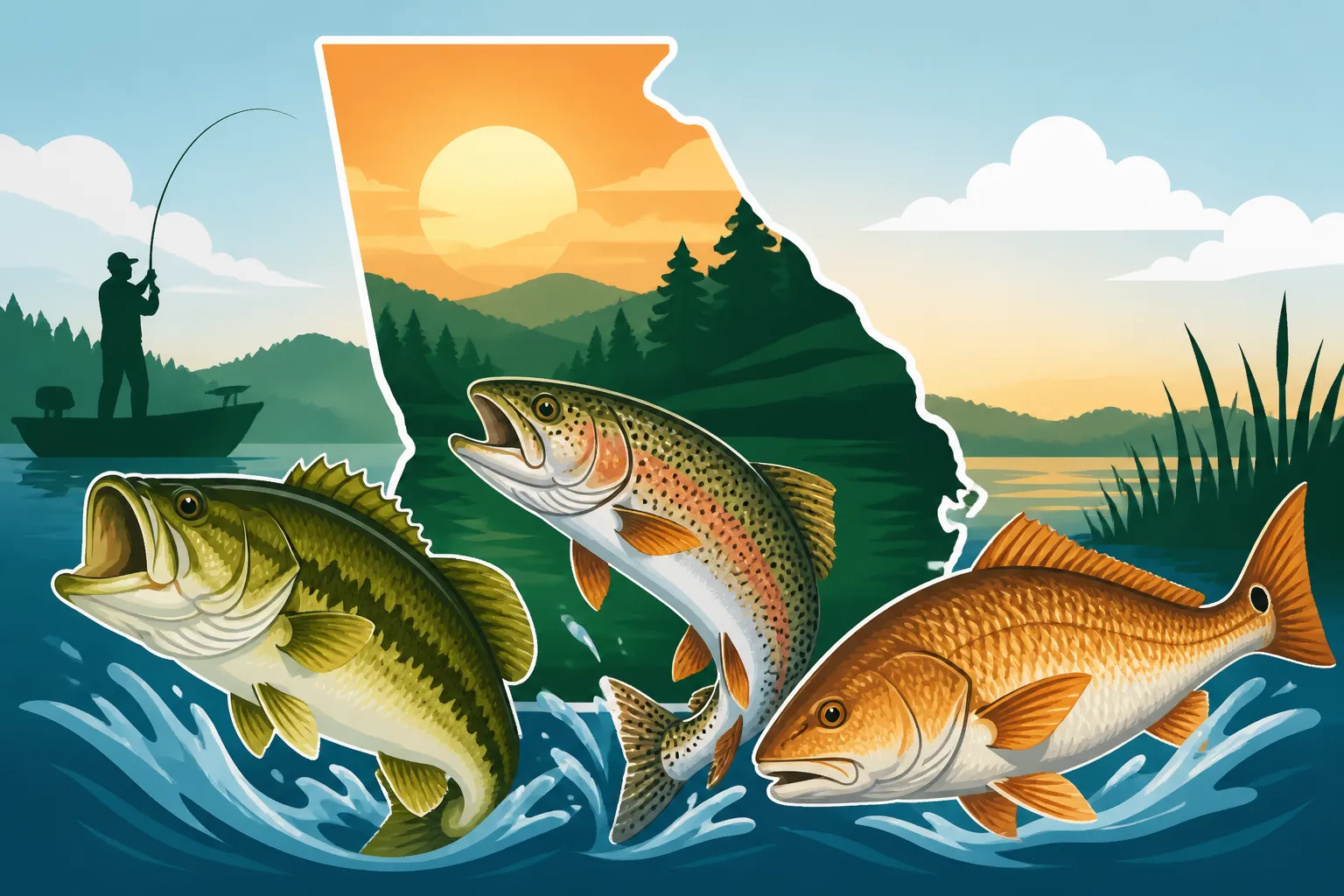
Ever wondered which fish truly represent the angling heart and soul of Georgia? For many, the sheer diversity of fishable waters in our state can be overwhelming, leading to confusion about which species are truly iconic and why. This guide will take you on a journey through Georgia's official state fish, revealing the distinct characteristics, preferred habitats, and cultural significance of the Largemouth Bass, Brook Trout, and Redfish, ensuring you understand why each holds a special place in our state's rich fishing heritage.
Meet Georgia's Aquatic Icons: The Three State Fish
Georgia is blessed with incredible natural beauty, from the Appalachian foothills to the expansive Atlantic coastline, and with it comes a diverse array of fish species. But when it comes to official recognition, three species stand out, each representing a distinct facet of our state's aquatic environments. These aren't just any fish; they are symbols, each with its own story, ecological role, and dedicated following among anglers.
The Largemouth Bass: A Freshwater Superstar
Ah, the Largemouth Bass! If there's one fish that probably leaps to mind when you think of freshwater fishing in Georgia, it's this magnificent creature. Known for its explosive strikes and powerful fights, the largemouth bass is undeniably a freshwater superstar. It's the fish that launched countless fishing careers, filled many a family photo album, and continues to be the target of passionate anglers across the state, from backyard ponds to vast reservoirs.
You'll find these green-and-bronze beauties thriving in a wide range of habitats, from the murky depths of southern impoundments like Lake Seminole to the clearer waters of northern lakes such as Lake Lanier. They love structure – think submerged timber, docks, weed beds, and rocky points – anything that provides cover for ambushing unsuspecting prey. Their adaptability is truly remarkable, allowing them to dominate many of Georgia's freshwater ecosystems. Whether you're a seasoned pro or just starting out, the thrill of hooking into a chunky largemouth never gets old. Many anglers dream of catching Where to Catch Trophy Largemouth Bass in Georgia, and our state certainly offers the opportunities.
Catching largemouth bass often involves a mix of art and science. Anglers employ a dizzying array of techniques, from throwing topwater frogs over lily pads at dawn to slowly dragging a Carolina rig along a deep creek channel. Soft plastic worms, spinnerbaits, crankbaits, and jigs are all staples in a bass angler's tackle box. The key is often matching the hatch – or at least, matching the conditions – and understanding seasonal patterns. For instance, during the spring spawn, bass can be found guarding nests in shallow coves, while in the heat of summer, they might retreat to deeper, cooler water. Getting the right gear is crucial, and you can find a vast selection of Best Rod and Reel Combo for Largemouth Bass in Georgia on platforms like Amazon, making it easy to stock up for your next outing.
The Brook Trout: A Glimpse into Wild North Georgia
Shift your focus from the sprawling lakes to the crisp, cold headwater streams of North Georgia, and you'll find our next state fish: the Brook Trout. This isn't just any trout; it's Georgia's only native trout species, a true emblem of our pristine mountain waters. With its intricate patterns of vermiculation, crimson spots, and iridescent fins, the brook trout is a jewel of the stream, embodying the wild beauty of the Appalachian ecosystem.
Brook trout thrive in the coldest, cleanest, most oxygenated waters, often in streams so small you can hop across them. They are highly sensitive to changes in water quality and temperature, making their presence a strong indicator of a healthy aquatic environment. Historically, over-logging and poor land management practices in the past took a toll on their populations, but today, dedicated conservation efforts are working to restore their habitats. These efforts include stream restoration projects and careful stocking programs for Where to Catch Native Brook Trout in Georgia, ensuring future generations can experience the magic of catching these wild beauties.
Fishing for brook trout is often a more intimate, solitary experience. It's less about power and more about stealth, precision, and a deep appreciation for nature. Fly fishing is a popular method, using small, delicate flies that imitate the insects found in these mountain streams. Spin anglers also find success with ultra-light gear and small spinners or natural baits. Remember, these fish are often smaller than their stocked rainbow and brown trout cousins, but what they lack in size, they make up for in beauty and the sheer joy of catching a truly wild, native species. Always be mindful of your impact on these fragile ecosystems when pursuing them. And make sure you understand, Do you need a separate trout license in Georgia? as an additional permit is usually required for fishing in designated trout waters.
The Redfish: Coastal Guardian and Angler's Delight
Now, let's cast our lines eastward to Georgia's stunning coastline and barrier islands, where the mighty Redfish reigns supreme. Also known as red drum or spottail bass, this robust saltwater species is a beloved game fish and a true icon of Georgia's inshore and nearshore waters. With its distinctive coppery bronze color and the tell-tale black "eye spot" at the base of its tail, the redfish is instantly recognizable and a prized catch for any coastal angler.
Redfish inhabit a variety of saltwater environments, from shallow tidal creeks and oyster beds to vast marsh flats and deeper channels. You'll often find them cruising the flats during high tide, their tails sometimes breaking the surface as they "tail" for crabs and shrimp. As the tide recedes, they might retreat to deeper pockets or creek mouths, waiting for the next feeding opportunity. Georgia's Golden Isles and the marshlands surrounding Brunswick and Savannah are prime hunting grounds for these powerful fish. If you're looking for St. Simons Island Redfish Fishing Spots, you'll find them in abundance in the shallow estuaries.
Angling for redfish is an exhilarating experience. They are known for their strong runs and dogged fight, especially when hooked in shallow water. Popular techniques include casting artificial lures like spoons, soft plastic swimbaits, and topwater plugs, especially during dawn and dusk. Live bait, such as shrimp, mud minnows, or finger mullet, fished on a simple Carolina rig, is also incredibly effective. The sheer thrill of sight-casting to a tailing redfish on a pristine marsh flat is something every angler should experience. When planning your coastal adventure, remember to check local regulations for size and creel limits, and don't forget to grab the Best Bait for Redfish for a successful trip!
Why These Species Hold a Special Place in Georgia's Heart
It's not just about their beauty or the thrill of the catch; Georgia's three state fish symbolize much more. Their designation reflects their profound ecological roles, their deep connection to our cultural identity, and their significant contribution to the state's economy.
Ecological Significance and Biodiversity
Each of Georgia's state fish acts as a vital component within its respective ecosystem. The Largemouth Bass, as a top predator in freshwater lakes and rivers, plays a critical role in maintaining the balance of fish populations, keeping forage species in check. A healthy largemouth population is often an indicator of a thriving freshwater system with a robust food web. Their broad diet and adaptable nature make them a keystone species in many environments.
Similarly, the Brook Trout serves as an ecological barometer for the health of our cleanest mountain streams. Their extreme sensitivity to pollution and temperature changes means that a flourishing brook trout population signals a pristine, well-oxygenated aquatic habitat. Protecting brook trout often means protecting the very headwaters that feed our larger rivers, benefiting countless other species downstream. Conservation efforts for brook trout, therefore, have far-reaching positive effects on Georgia's overall freshwater biodiversity.
The Redfish, in its coastal domain, plays a crucial role in the intricate marsh and estuary ecosystems. As a predator, they help control populations of crabs, shrimp, and smaller fish, contributing to the health and stability of these incredibly productive environments. The extensive marsh systems that redfish call home also act as natural filters for our coastal waters and provide vital nursery grounds for many other marine species. Protecting redfish habitats is synonymous with preserving the health of Georgia's entire coastal ecosystem.
Cultural Heritage and Angling Passion
Beyond their ecological importance, these three fish are woven into the very fabric of Georgia's cultural identity and angling tradition. For generations, Georgians have gathered on lake shores, hiked mountain trails, and navigated coastal waters in pursuit of these iconic species. They represent different facets of the outdoor experience that so many of us cherish.
The Largemouth Bass is synonymous with competitive angling, with countless tournaments held annually across Georgia's major reservoirs. It brings communities together, fosters a healthy spirit of competition, and drives innovation in tackle and techniques. For many, bass fishing is a family tradition, passed down through generations, creating lasting memories. The sheer passion for bass fishing in Georgia is undeniable, often seen in the dedication to learning Seasonal Bass Fishing Patterns in Georgia or mastering new techniques.
The Brook Trout represents a connection to the wild, untamed corners of our state. The pursuit of these native fish often involves solitude, reflection, and an appreciation for unspoiled nature. It's a quieter passion, but no less intense, appealing to those who seek a more primitive, rewarding fishing experience. The history of fly fishing in North Georgia is deeply tied to the pursuit of these beautiful wild trout.
The Redfish embodies the coastal lifestyle – the salty air, the ebb and flow of the tides, and the rich bounty of the ocean. It's a symbol of both sustenance and sport, celebrated in local festivals and cherished by charter captains and recreational anglers alike. Fishing for redfish often brings people closer to Georgia's unique maritime heritage and the vibrant coastal communities.
Planning Your Trip to Catch Georgia's State Fish
Ready to experience the thrill of catching one of Georgia's state fish? Planning is key, from understanding the legalities to gathering the right equipment and knowing where to go.
Essential Licenses and Regulations You Can't Ignore
Before you even think about casting a line, you absolutely need to make sure your fishing license is in order. It's not just a formality; it's the law, and it helps fund critical conservation efforts that keep our fish populations healthy. For any resident or non-resident over the age of 16, a valid Georgia fishing license is a must. You can easily purchase one online, by phone, or from a licensed agent. Take a look at the comprehensive Georgia Fishing License Guide for all the details.
Beyond the basic license, there are specific regulations you need to be aware of, especially for our state fish. For example, if you're planning to chase brook trout in certain designated mountain streams, you'll likely need a special trout stamp or add-on to your regular license. This additional permit specifically supports trout management and stocking programs. Similarly, there are often length limits and creel limits (the number of fish you can keep per day) that vary by species and even by specific body of water. For instance, Georgia Fish Size and Creel Limits can change, and what's allowed on one lake for largemouth bass might be different on another.
It's crucial to always check the most current regulations published by the Georgia Department of Natural Resources (DNR) before heading out. Ignorance of the law is no excuse, and wardens are diligent about enforcement. A quick check can save you a hefty fine and ensure you're fishing responsibly.
Gear Up for Success: Rods, Reels, and Tackle
Having the right gear makes all the difference, enhancing your chances of success and your enjoyment on the water. The equipment you choose will largely depend on which state fish you're targeting.
For Largemouth Bass, versatility is key. A medium-heavy action casting rod paired with a baitcasting reel is a popular choice for throwing larger lures like crankbaits and jigs. A medium action spinning rod and reel combo is excellent for lighter presentations, such as wacky-rigged worms or finesse jigs. You'll want a sturdy line, typically fluorocarbon or braided, to handle the powerful strikes and pull fish out of cover. Don't forget a selection of lures – soft plastics, spinnerbaits, and topwater lures are staples. Many anglers find great deals on a wide variety of bass fishing gear on Amazon.
When pursuing Brook Trout, finesse is the name of the game. For fly anglers, a lightweight 2-to-4 weight fly rod with a matching reel and floating line is ideal for delicate presentations on small streams. Spin anglers will do well with an ultra-light spinning rod and reel combo, spooled with 4-to-6 pound monofilament line. Small inline spinners, tiny spoons, or natural baits like worms are effective. Because these streams are often overgrown, a shorter rod can be easier to manage. You can often find specialized Fly Fishing Gear for North Georgia Trout on online retailers, ensuring you have the precise tools for these shy beauties.
For Redfish in the saltwater marshes, you'll need gear that can stand up to powerful runs and corrosive salt. A medium-heavy to heavy action spinning rod (7-8 feet long) paired with a reliable saltwater spinning reel spooled with 15-to-30 pound braided line is a solid setup. Leader material, typically fluorocarbon, is essential for abrasion resistance. Lure choices include weedless spoons, soft plastic paddletails, and topwater plugs. Live bait, especially shrimp or mullet, can be incredibly effective when presented on a circle hook with minimal weight. Finding durable, corrosion-resistant saltwater tackle is made easy by browsing the extensive selections available through online marketplaces such as Amazon.
Prime Locations: Where to Find Each State Fish
Knowing where to cast your line is half the battle. Georgia offers an incredible array of prime locations for each of its state fish.
For Largemouth Bass, your options are vast. Major reservoirs like Lake Lanier, Lake Oconee, West Point Lake, and Clarks Hill Lake (Lake Thurmond) are renowned for their bass fisheries. Smaller public fishing areas (PFAs) scattered across the state also provide excellent bank fishing opportunities. Each lake has its own unique characteristics, so researching specific areas like certain coves, points, or river channels within these lakes will increase your success. Check out Best Largemouth Bass Lakes in Georgia for more detailed information.
To find Brook Trout, you'll need to head to the cooler, higher elevations of North Georgia. The Chattahoochee National Forest is home to numerous pristine headwater streams, many of which are designated as wild trout waters. Look for smaller, shaded creeks that flow year-round and maintain cold temperatures, even in summer. Streams within the Blue Ridge Wildlife Management Area or Amicalola Falls State Park are good starting points. These are often walk-in access only, so be prepared for a hike. Remember, these fish are in fragile environments, so practicing How to Catch and Release Trout Properly is paramount.
For Redfish, Georgia's coast is your playground. The expansive salt marshes of the Golden Isles – including St. Simons Island, Jekyll Island, and Sea Island – are legendary. The tidal creeks, oyster rakes, and marsh flats around Brunswick, Darien, and Savannah offer incredible opportunities for inshore redfish. Access can be via kayak, small boat, or even wading the flats during low tide. The areas around the mouths of the Altamaha, Satilla, and St. Marys rivers also hold excellent redfish populations, particularly for larger "bull" reds.
Here's a quick comparison of Georgia's three state fish:
| Feature | Largemouth Bass | Brook Trout | Redfish |
|---|---|---|---|
| Habitat | Freshwater lakes, rivers, ponds, reservoirs | Cold, clear, oxygenated mountain streams | Coastal estuaries, marshes, tidal creeks, nearshore |
| Appearance | Dark green back, lighter sides, distinct lateral line, large mouth | Olive green back with worm-like patterns, red spots, white fin edges | Coppery bronze, prominent black spot on tail base |
| Native Status | Native to Georgia (and much of North America) | Native to Georgia (only native trout species) | Native to Georgia's coastal waters |
| Primary Angling | Sport fishing, tournaments, recreational | Fly fishing, ultra-light spin fishing, solitude | Inshore sport fishing, sight fishing |
| Typical Size | 1-5 lbs (trophy up to 10+ lbs) | 6-12 inches (larger in ideal conditions) | 1-15 lbs (bull reds 20-50+ lbs) |
| Food Quality | Excellent, firm white flesh | Excellent, delicate pink flesh | Excellent, firm white flesh |
Beyond the Big Three: Other Notable Georgia Fish
While the Largemouth Bass, Brook Trout, and Redfish hold the official titles, Georgia's waters are teeming with many other incredible fish that contribute significantly to the state's angling diversity and ecological health. It's impossible to talk about Georgia fishing without giving a nod to these other popular species.
Spotted Bass and Shoal Bass
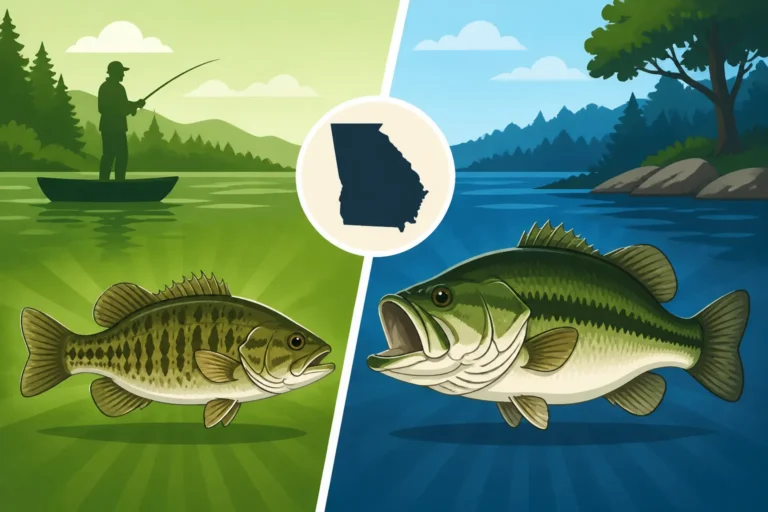
In the bass family, two other native species often compete for angler attention, especially in certain river systems: the Spotted Bass and the Shoal Bass. The Spotted Bass, often mistaken for a largemouth, typically has a smaller mouth that doesn't extend past its eye and a rough patch of teeth on its tongue. These fish are prolific in many of our reservoirs and river systems and are known for their strong fight, pound-for-pound. They often prefer clearer, rockier habitats than largemouths and can be a thrilling catch when you're targeting Spotted Bass Fishing in Georgia Lakes and Rivers.
The Shoal Bass is a true Georgia gem, largely confined to specific river systems like the Flint River, Chattahoochee, and Ocmulgee. It's a river specialist, preferring flowing water with rocky shoals and gravel bottoms. With its distinctive vertical bars and streamlined body, the shoal bass offers an incredible challenge and is prized by anglers who seek a unique, hard-fighting river fish. The Flint River Shoal Bass Fishing Guide is an essential resource for those looking to target this unique species. Both spotted and shoal bass contribute to the rich tapestry of Georgia's black bass fisheries, offering varied experiences for anglers across the state.
Crappie and Catfish
Beyond the bass and trout, panfish like crappie and robust bottom dwellers like catfish are incredibly popular throughout Georgia, providing accessible and often delicious fishing opportunities for families and seasoned anglers alike.
Crappie, both black and white varieties, are celebrated for their delicious white meat and can be found in abundance in many of Georgia's lakes and slow-moving rivers. Lakes like Sinclair, Oconee, and Clarks Hill are renowned for their crappie populations. They often congregate around brush piles, submerged timber, and bridge pilings, especially during cooler months and during their spring spawn. Jigging with small soft plastics or fishing with live minnows are classic and effective techniques for filling a cooler with these tasty panfish. Crappie fishing is a fantastic way to introduce new anglers, especially children, to the joys of fishing, as they can often be caught in large numbers.
Catfish — Channel, Blue, and Flathead — are the true workhorses of Georgia's rivers and reservoirs. They offer a different kind of angling challenge, often caught using heavier gear, stink baits, or live and cut bait fished on the bottom. Channel catfish are widespread and common, while blue catfish can grow to immense sizes in rivers like the Altamaha and the Savannah. Flathead catfish are powerful predators, often preferring live bait, and can be found lurking in deeper holes and around woody debris in rivers. Night fishing for catfish is particularly popular, offering a unique and often productive experience under the stars. They provide a fantastic food source and a powerful fight, making them a favorite for many recreational anglers.
So, while the Largemouth Bass, Brook Trout, and Redfish are our official emblems, remember that Georgia's waters hold a wealth of other incredible fish waiting to be discovered and enjoyed responsibly. Each species adds to the rich angling culture and ecological diversity that makes fishing in Georgia such a special experience.
Disclaimer
This article is for general informational purposes only and does not constitute professional advice. Laws, prices and regulations vary by location and change over time. Consult a qualified professional for guidance on your specific situation.