Georgia’s 265 Native Freshwater Fish Species Explained
It can feel a bit overwhelming, can't it? When you think about fishing in Georgia, you probably picture pulling a hefty largemouth bass from Lake Lanier or a beautiful rainbow trout from a North Georgia stream. But beyond those popular game fish lies a truly astonishing underwater world, a rich tapestry of biodiversity that often goes unnoticed by the casual angler. With a staggering 265 native freshwater fish species calling our rivers, creeks, and lakes home, understanding this incredible variety isn't just a matter of trivia – it's key to appreciating the unique ecosystems we fish in and becoming a more responsible, informed angler. This guide is here to shed some light on Georgia's immense freshwater fish diversity and help you understand what makes our state so special.
The Sheer Diversity: Why Georgia Boasts So Many Species
When you hear a number like "265 native freshwater fish species," it's natural to pause. That's a huge number, far more than many other states. It speaks to the unique geological history and varied landscapes of Georgia, creating a mosaic of habitats perfectly suited for a wide array of aquatic life. It's not just about the big fish we love to catch; it's about the tiny, colorful darters, the industrious minnows, and the ancient suckers that form the foundation of our aquatic food webs.
Understanding "Native" vs. "Introduced" Species
First, let's clarify what "native" truly means in this context. A native species is one that naturally occurs in a region without human intervention. They evolved here, adapted to our specific climate, water conditions, and ecological niches over thousands, even millions, of years. Think of our iconic Brook Trout: Georgia's Only Native Trout Species – a true gem of our mountain streams. On the other hand, "introduced" or "non-native" species are those brought in by people, either intentionally (like many game fish stocked for sport) or accidentally. While we love catching many introduced species, like rainbow trout or striped bass, their presence can sometimes impact native populations. This distinction is crucial for understanding conservation efforts and the delicate balance of our natural aquatic systems. When we talk about 265 species, we're talking about the incredible natural heritage that makes Georgia's waters unique.
Factors Contributing to Georgia's Rich Ichthyofauna
So, what makes Georgia such a hotspot for fish diversity? It's a fantastic confluence of several factors:
- Diverse Geography: Georgia is a fascinating state geologically. We have the cool, rocky Appalachian Mountains in the north, giving way to the rolling hills of the Piedmont, and finally flattening out into the vast, sandy Coastal Plain. Each of these regions offers vastly different aquatic habitats – from cold, oxygen-rich mountain streams to slow, warm, blackwater rivers and massive reservoirs. This variety in elevation, water temperature, flow, and substrate creates countless specialized niches, allowing different species to thrive in their preferred environments.
- Numerous River Basins: Georgia is crisscrossed by an impressive network of major river basins, each acting almost like its own mini-continent for aquatic life. The Chattahoochee, Savannah, Altamaha, Flint, and Ocmulgee rivers, among others, flow from the mountains to the sea (or into other large river systems). These distinct drainage systems, often isolated from one another for long periods, allowed unique species to evolve in specific areas, leading to what scientists call "endemism" – species found nowhere else on Earth.
- Climate Stability (Historically): While climates shift over geological time, Georgia's generally stable, temperate climate over long periods has allowed fish populations to diversify and adapt without being wiped out by extreme glaciations or desertification events that affected other parts of the continent. This long evolutionary runway contributed significantly to the sheer number of species we see today.
Key Native Fish Families You'll Encounter
While we can't delve into all 265 individual species here (that would be a book!), understanding the major families gives you a great overview of the types of fish swimming in our waters. You'll quickly see that the popular game fish are just a small fraction of the story. You can find excellent field guides, sometimes available on Amazon, that will help you identify many of these unique creatures.
The Iconic Black Bass Family (and their cousins)
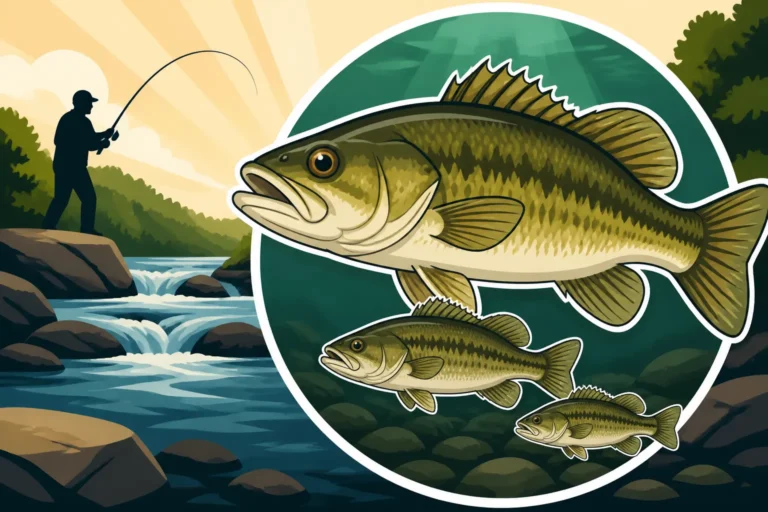
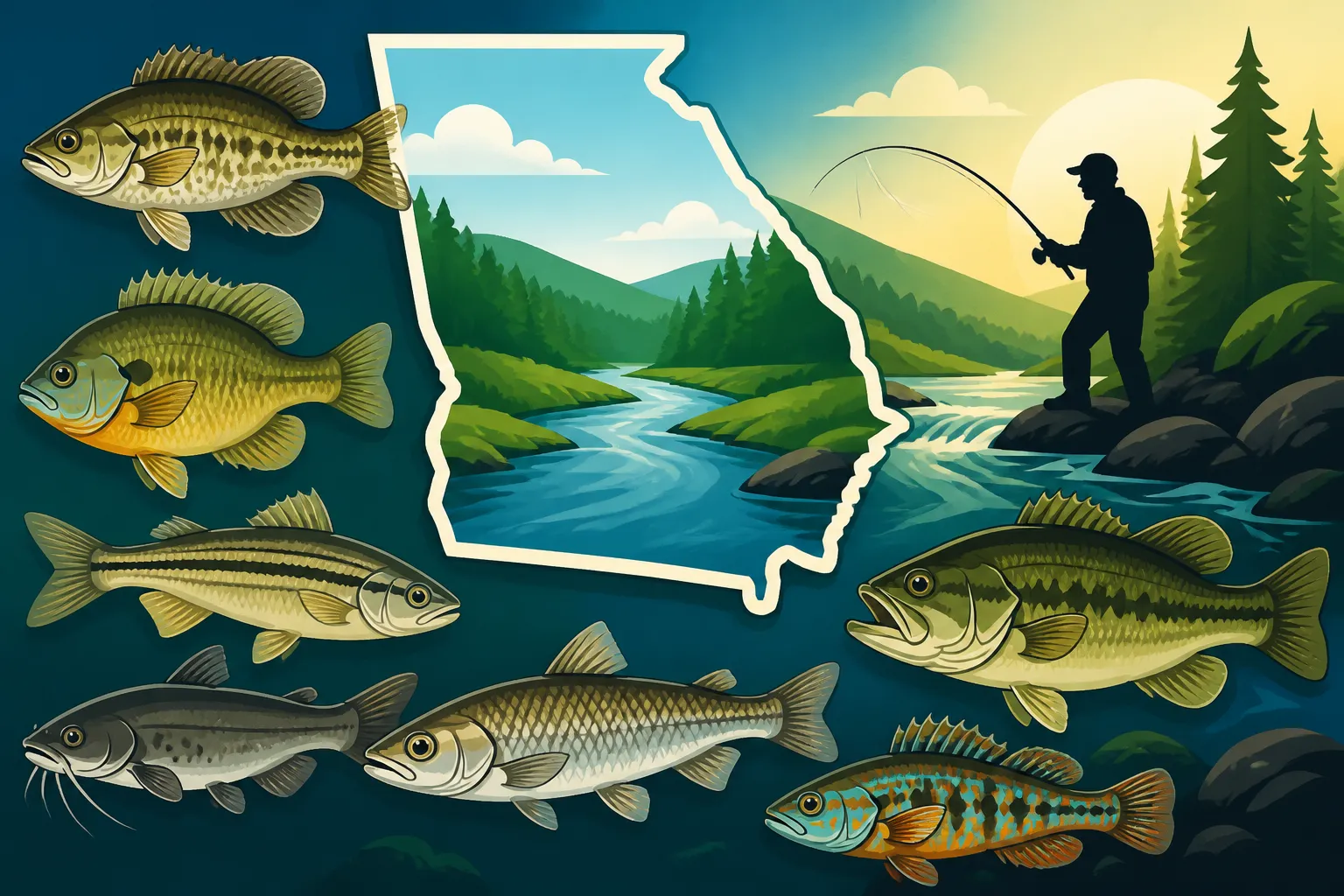
When most people think of Georgia's Native Bass Species: Largemouth, Spotted, and Shoal Bass, they immediately picture the largemouth. And for good reason – it's our state freshwater fish! But our black bass family is more diverse than you might think. Beyond the widespread largemouth, we have:
- Spotted Bass: Often mistaken for largemouth, these fish thrive in clear, rocky streams and reservoirs, especially in the Piedmont. They don't quite get as large as largemouth but offer a fantastic fight. Spotted Bass Fishing in Georgia Lakes and Rivers can be a real thrill.
- Shoal Bass: These are truly special. Primarily found in the Flint, Chattahoochee, and Ocmulgee River systems, shoal bass are river specialists, preferring clear, flowing water and rocky shoals – hence their name. They are incredibly strong fighters and a prized catch for many anglers seeking a unique challenge. You can learn more in Shoal Bass: Georgia's River-Specialist Black Bass.
- Redeye Bass: A beautiful, smaller species found in the upper reaches of some river systems, known for its distinct red eye. They prefer cooler, clearer streams and are often targeted by fly anglers.
And let's not forget the larger sunfish, often considered cousins, like the Bluegill, Redbreast Sunfish, and Warmouth, which are also native and provide endless fun, especially for kids. These panfish are abundant in nearly every freshwater system across the state and are foundational to the ecosystem. Bream and Sunfish Guide for Georgia Anglers offers more detail on these common catches.
The Understated Darters and Minnows
This is where a huge portion of that 265 species count comes from. Darters and minnows might not be on an angler's typical target list, but they are critically important for healthy aquatic ecosystems.
- Darters: Georgia is home to an incredible diversity of darters – small, bottom-dwelling fish known for their often vibrant colors and unique patterns. They "dart" from rock to rock on the streambed, feeding on tiny invertebrates. Many species are endemic to specific river systems, making them incredibly special and, unfortunately, often vulnerable to habitat changes. They are like the jewels of our streambeds, often unseen but vital.
- Minnows: This broad family includes many small, schooling fish that are vital forage for larger game fish. From shiners to chubs, minnows are the backbone of the food chain, converting algae and small invertebrates into protein for bass, trout, and other predators. Their sheer abundance and variety underscore the health of our aquatic systems. While you might not target them directly, a healthy minnow population means a healthy ecosystem for everything else, including your prized game fish.
Catfish, Suckers, and Other Bottom Dwellers
Beyond the sleek, fast-moving game fish and the tiny darters, Georgia's native waters are teeming with fascinating bottom-dwelling species that play crucial roles in keeping our waterways clean and productive.
- Catfish: While many anglers think of blue or channel catfish (which are popular, and some populations are native), Georgia also has native populations of smaller bullhead catfishes and the incredibly unique flathead catfish. The Catfish Species Guide: Channel, Blue, and Flathead Catfish gives a great overview. These fish are nature's cleanup crew, scavenging the bottom and contributing to nutrient cycling. They can grow to impressive sizes and provide a powerful fight for those targeting them.
- Suckers: These fish, characterized by their downward-facing, fleshy lips adapted for sucking food off the bottom, are often overlooked but are highly diverse and abundant in Georgia. Species like the robust Redhorse Suckers or the smaller Hog Suckers are native to our rivers and streams. They are excellent indicators of water quality and serve as an important food source for predators, even if they aren't typically sought after by recreational anglers.
- Pikes and Mudminnows: While northern pike aren't native to Georgia, our native Chain Pickerel is a fierce predator found in sluggish waters, often with heavy vegetation. And in smaller, slower-moving streams and swamps, you'll find native Mudminnows, hardy little fish that can even survive in low-oxygen conditions.
| Native Fish Family | Common Examples | Typical Habitat | Fun Fact |
|---|---|---|---|
| Black Bass/Sunfish | Largemouth Bass, Shoal Bass, Bluegill | Lakes, slow rivers, rocky shoals, ponds | Largemouth Bass is Georgia's state freshwater fish. |
| Trout | Brook Trout | Cold, clear mountain streams | Brook Trout is Georgia's only native trout species. |
| Darters | Tessellated Darter, Redline Darter | Rocky stream beds, clean gravel bottom | "Dart" from rock to rock, rarely swim in open water. |
| Minnows/Chubs | Creek Chub, Rosyside Dace, various Shiners | Streams, rivers, lake margins | Form the base of the food chain for many larger species. |
| Catfish | Channel Catfish, Flathead Catfish, Bullheads | Rivers, lakes, ponds (often in deeper areas) | Possess barbels ("whiskers") for sensing food in murky water. |
| Suckers | Redhorse Sucker, Hog Sucker | River and stream bottoms, often in currents | Have downward-facing mouths for feeding on bottom organisms. |
| Pike/Pickerel | Chain Pickerel | Vegetated areas of slow rivers, ponds, swamps | Ambush predators with sharp teeth. |
Conservation and the Future of Georgia's Native Fish
Understanding the incredible diversity of Georgia's native freshwater fish species naturally leads to thinking about their future. It's a heavy responsibility, but one that anglers, conservationists, and everyday citizens share. The continued health of these 265 species depends on how we manage and protect their habitats.
Threats to Native Fish Populations
Even with such robust diversity, native fish populations face numerous challenges. It’s not just about overfishing, which is often regulated through licenses and Georgia Fish Size and Creel Limits; it’s about broader environmental pressures.
- Habitat Loss and Degradation: This is perhaps the biggest threat. Development, urbanization, and agriculture can lead to the destruction or alteration of crucial habitats through dredging, dam construction, and channelization of streams. Sedimentation from construction sites can smother spawning beds, and loss of riparian buffers (the vegetation along stream banks) increases water temperature and pollution.
- Water Quality Impairment: Runoff from farms, lawns, and urban areas can introduce pollutants like pesticides, herbicides, excess nutrients (leading to algal blooms and low oxygen), and heavy metals into our waterways. These pollutants can be deadly to sensitive native species or impact their ability to reproduce and thrive.
- Introduced Species: While many introduced game fish provide excellent angling opportunities, some non-native species can outcompete native fish for food and habitat, introduce diseases, or even prey on them. Managing these interactions is a constant challenge for wildlife agencies.
- Climate Change: Changes in rainfall patterns, increased water temperatures, and more frequent extreme weather events can stress native fish populations, particularly those adapted to cooler, more stable environments like our mountain trout streams.
What Anglers Can Do to Help
As anglers, we're often the first to notice changes in our local waterways. We also have a significant role to play in protecting these precious resources.
- Practice Catch and Release: For sensitive native species, or if you're not planning to eat your catch, practicing proper catch and release techniques significantly reduces stress and mortality. Handle fish gently, minimize their time out of water, and use appropriate tackle.
- Support Conservation Organizations: Many local and statewide organizations are dedicated to protecting Georgia's aquatic ecosystems. Their work often involves habitat restoration, scientific research, and advocating for stronger environmental protections. You can often find great resources and educational materials through these groups, and even fishing literature on Amazon from conservation groups.
- Be Mindful of Your Impact: Simple actions like properly disposing of trash, using lead-free tackle, and cleaning your boat and gear between waterways (to prevent the spread of invasive species) can make a huge difference. Even something as basic as being aware of Georgia Freshwater Fishing Rules helps protect fish populations.
- Report Pollution and Poaching: If you see something that looks wrong – unusual fish kills, obvious pollution, or illegal fishing activities – report it to the Georgia Department of Natural Resources. They are our frontline defenders.
State and Federal Conservation Efforts
Georgia’s Department of Natural Resources (DNR), specifically the Wildlife Resources Division, plays a vital role in managing and conserving our native fish populations. Their work is multifaceted:
- Fisheries Management: This includes conducting surveys to monitor fish populations, setting appropriate fishing regulations (like daily creel limits and size restrictions) to ensure sustainable harvests, and managing public fishing areas.
- Habitat Protection and Restoration: The DNR works on projects to restore degraded stream habitats, remove barriers to fish migration, and protect critical spawning areas. This can involve working with private landowners and other state and federal agencies.
- Research and Monitoring: Scientists continuously study our native fish species to understand their biology, habitat needs, and population dynamics. This research provides the data necessary for informed management decisions.
- Public Education: The DNR also educates the public about Georgia's aquatic resources, the importance of conservation, and responsible angling practices. Programs like "Angler R's" promote ethical fishing behavior.
Many of these efforts are supported by the sale of fishing licenses. When you purchase your Georgia Fishing License Guide, a portion of that fee goes directly back into these vital conservation programs, ensuring that the incredible diversity of Georgia’s freshwater fish species will be here for future generations to enjoy.
Exploring Georgia's Unique Freshwater Habitats
The reason Georgia has such a vast array of native fish species is directly tied to the incredible diversity of its freshwater habitats. Each region offers a unique set of conditions that have shaped the evolution of its aquatic inhabitants. To truly appreciate our fish, we need to appreciate the waters they call home.
Mountain Streams and Their Unique Inhabitants
Head into the North Georgia mountains, and you'll find a different world of clear, cold, fast-flowing streams. These waters are high in oxygen and often have rocky or gravel bottoms, creating ideal conditions for specific native species.
- Brook Trout Heaven: As mentioned earlier, Brook Trout: Georgia's Only Native Trout Species are the undisputed kings of these high-elevation waters. They are beautifully colored fish, perfectly adapted to the cold, pristine conditions. Fishing for them often means hiking into remote areas, but the reward of catching a native brook trout is unparalleled. You can learn more about where to find them in Where to Catch Native Brook Trout in Georgia.
- Darters and Dace: These smaller fish also thrive in mountain streams. Many species of darters, with their vibrant colors and bottom-dwelling habits, can be found clinging to rocks in the swift current. Various dace and shiners also inhabit these waters, providing a crucial food source for the trout. The cleanliness and natural flow of these streams are paramount for these sensitive species.
- Threats and Conservation: These habitats are particularly vulnerable to sedimentation from logging or construction, and pollution. Maintaining healthy riparian zones (the vegetation along stream banks) is critical for keeping water temperatures cool and filtering runoff, which benefits both the fish and the overall water quality in these important headwater streams.
Piedmont Rivers and Reservoirs
Moving south from the mountains, you enter the Piedmont region, characterized by rolling hills and larger, often muddier rivers, as well as the numerous man-made reservoirs that define much of Georgia's angling landscape.
- Bass Strongholds: The Piedmont is truly the heartland of black bass fishing in Georgia. While largemouth thrive, it's also where you'll find excellent populations of native spotted bass in the clearer, rockier sections of rivers and some reservoirs. The Flint River Fishing Guide, Georgia is famous for its shoal bass, a true native gem. These rivers also host various species of sunfish, catfish, and suckers adapted to the more varied conditions.
- Reservoir Ecology: While many of Georgia's largest reservoirs like Lake Lanier or Lake Oconee were created by damming rivers, they have developed their own unique ecosystems, blending native and introduced species. The original riverine species often persist in the tributary arms or the river sections above and below the dams, while the open water of the reservoirs provides habitat for species like crappie and various sunfish.
- Interconnectedness: The rivers of the Piedmont are vital corridors, connecting the mountain streams to the coastal plain. Maintaining healthy stretches of these rivers, free from excessive pollution and with natural flow regimes, is crucial for the health of fish populations throughout the entire watershed.
Coastal Plain Rivers and Swamps
Further south, the landscape flattens into the Coastal Plain, home to slow-moving, often blackwater rivers and vast cypress swamps. These unique habitats are some of the most ecologically rich and distinctive in the state.
- Blackwater Specialists: These rivers, stained dark by tannins from decaying vegetation, are often characterized by sandy bottoms and abundant submerged structure. They are home to species uniquely adapted to these conditions. You'll find a fantastic diversity of sunfish (like the redbreast sunfish), various native catfishes, and chain pickerel lurking in the vegetation. The Altamaha River Fishing Guide and Ocmulgee River Fishing Spots in Georgia are prime examples of these rich environments.
- Swamp Dwellers: The true swamps, with their dense vegetation and often low-oxygen conditions, host incredibly hardy and specialized native fish. Mudminnows, various killifish, and even some species of topminnows are perfectly at home here. These often-overlooked species are vital components of these unique wetland ecosystems.
- Coastal Plain Connectivity: These rivers eventually flow into the estuaries and then the Atlantic Ocean, creating a continuum that some migratory species utilize. The health of these freshwater systems is directly linked to the health of our coastal fisheries. Preserving the natural flow and water quality of these systems is essential for their incredible biodiversity.
Exploring Georgia's native freshwater fish species isn't just a biological lesson; it's a journey through the heart of our state's natural beauty and ecological wonder. Each species, from the tiniest darter to the mightiest shoal bass, plays a role in the intricate dance of life that defines our waterways. By understanding and respecting this diversity, we become better anglers and more dedicated stewards of Georgia's irreplaceable natural heritage.
Disclaimer
This article is for general informational purposes only and does not constitute professional advice. Laws, prices and regulations vary by location and change over time. Consult a qualified professional for guidance on your specific situation.