Is Bluegill Good to Eat?
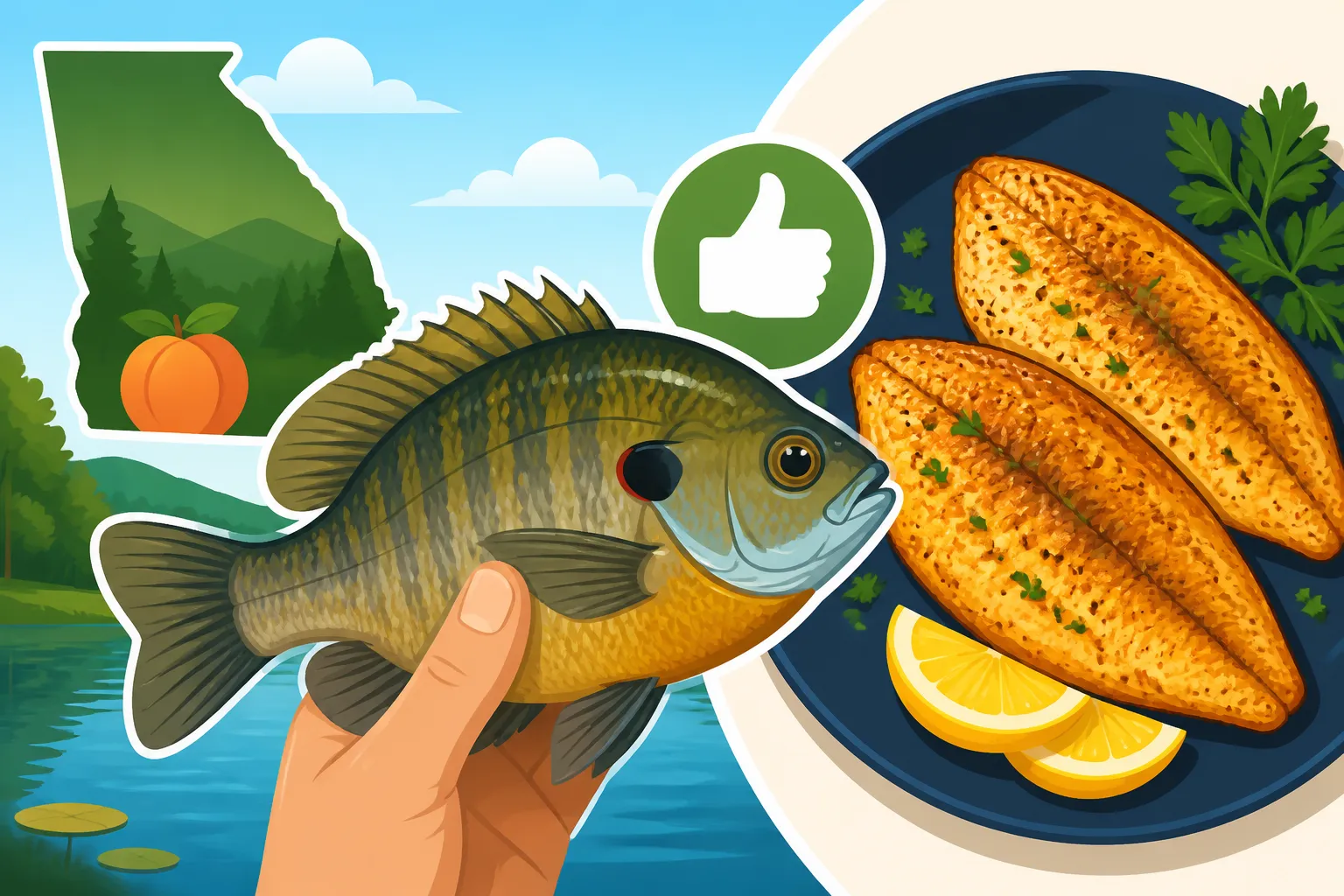
There's nothing quite like the excitement of pulling a feisty bluegill from a Georgia pond, its vibrant colors flashing in the sunlight. But after the initial thrill, many new anglers, and even some seasoned ones, often wonder: "Is this little fighter actually good to eat?" The good news is, bluegill aren't just a blast to catch; they're also a genuinely delicious panfish, making them a fantastic target for anyone looking to bring home a tasty meal. This guide will walk you through why bluegill are a culinary treat, how to prepare them, and what makes them such a popular choice for dinner tables across Georgia.
The Verdict: Is Bluegill a Delicious Catch?
Let's cut right to the chase: yes, bluegill are absolutely fantastic to eat. In fact, for many, they are among the finest freshwater fish you can put on your plate. If you've never tried them, you're truly missing out on a simple, yet incredibly satisfying, fishing experience that culminates in a delightful meal.
Why Bluegill are a Favorite for the Frying Pan
Bluegill are renowned for their delicate, flaky white meat and mild flavor. Unlike some other freshwater species that can have a stronger, "fishier" taste, bluegill offer a clean, sweet profile that appeals to even the most discerning palates. This makes them a perfect fish for those who might be hesitant about eating freshwater species. Their small size means they cook quickly, and their mildness makes them incredibly versatile in the kitchen.
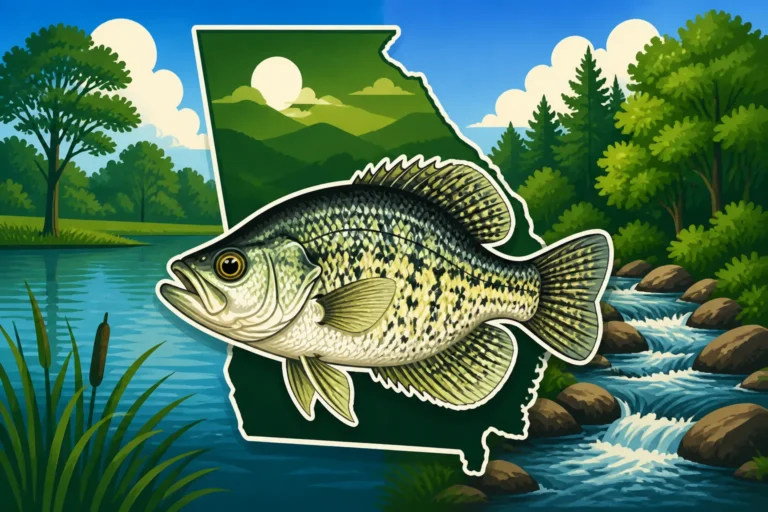
Think about it: a fresh bluegill, just pulled from a clean Georgia lake, has a tenderness that melts in your mouth. There's no heavy, oily texture here, just pure, lean protein that's easy to digest and incredibly satisfying. Many folks compare the taste of bluegill to that of crappie or even some saltwater whitefish, making it a highly desirable catch. It's the kind of fish that makes you want to go out and catch more, not just for the sport, but for the sheer joy of eating them. They are truly one of Georgia's everyday culinary treasures.
Debunking Common Misconceptions About Bluegill
Sometimes, bluegill get a bit of a bad rap. You might hear whispers that they're "trash fish" or that they're too small to bother with. Let's clear the air on that right now! These misconceptions couldn't be further from the truth. The idea of them being "trash fish" likely comes from their abundance and ease of catching, leading some to overlook their delicious qualities. However, any angler who has actually taken the time to clean and cook a bluegill will tell you otherwise.
As for size, while bluegill typically don't grow as large as a largemouth bass, their "panfish" designation is exactly why they're so beloved. They're the perfect size for a single serving, which means less work filleting and more fish per plate. A mess of 8-10 inch bluegill can provide a fantastic meal for a family, and they are generally abundant enough in Georgia's Best Lakes for Fishing that catching a good number isn't too challenging. Don't let their smaller stature fool you; what they lack in individual size, they more than make up for in flavor and fun.
Preparing Your Bluegill for the Plate
Bringing your catch from the water to the dinner table is a crucial step in enjoying bluegill. Proper handling, cleaning, and cooking methods can make all the difference in maximizing their delicious flavor.
The Importance of Proper Cleaning and Filleting
The moment a bluegill comes out of the water, its freshness clock starts ticking. To ensure the best possible taste, it's vital to get your fish on ice as quickly as possible. A cooler with plenty of ice should be your best friend when you're out fishing. Once you're ready to clean them, a sharp fillet knife is essential. You can find a good, affordable one on sites like Amazon, which will make the process much smoother.
There are generally two approaches to cleaning bluegill: scaling and gutting them whole, or filleting them.
- Scaling and Gutting: This method is straightforward. You simply scale the fish (a scaler or the back of a knife works well), cut open the belly to remove the entrails, and then rinse thoroughly. Many traditionalists prefer this as it keeps the bones in, which some believe adds flavor during cooking.
- Filleting: This is often preferred for bluegill because it removes all the bones, leaving you with pure, boneless meat. It might seem daunting at first with smaller fish, but with a little practice, you'll be zipping through them. You make a cut behind the gill plate, down to the spine, then turn the knife and run it along the backbone towards the tail. Flip the fillet, remove the ribs, and then skin it. You'll be surprised how much meat you can get from even a modest-sized bluegill!
A clean fish is a tasty fish, so make sure to rinse your fillets or whole fish under cold water to remove any lingering scales, blood, or membranes. This attention to detail will pay off immensely when you sit down to eat.
Simple & Delicious Cooking Methods for Bluegill
Bluegill's mild flavor and flaky texture make them incredibly versatile for cooking. Here are a few simple methods that really let their natural deliciousness shine:
- Pan-Frying: This is the classic, go-to method for panfish like bluegill, and for good reason. Dredge your fillets (or whole, cleaned fish) in a seasoned cornmeal or flour mixture, then fry them in hot oil (vegetable, canola, or peanut oil works great) until golden brown and crispy. The key is hot oil, around 350-375°F, to get that perfect crunch without overcooking the delicate flesh. Serve with a squeeze of lemon and some tartar sauce.
- Baking: For a lighter option, bluegill fillets can be baked. Place them on a baking sheet, drizzle with olive oil, season with salt, pepper, garlic powder, and paprika, then bake at 375°F (190°C) for about 10-15 minutes, or until the fish flakes easily with a fork. You can even add a sprinkle of fresh herbs like dill or parsley for extra flavor.
- Grilling: If you're out camping or just enjoying a beautiful day, grilling bluegill is a fantastic choice. For whole fish, create a foil packet with butter, lemon slices, and herbs, then grill until cooked through. Fillets can be brushed with oil and placed directly on a well-oiled grill grate for a few minutes per side, but be careful as they are delicate.
No matter your chosen method, the goal is not to overcook them. Bluegill cook quickly, and overcooked fish can become dry and less flavorful. Aim for that perfect flaky tenderness.
Factors Affecting Bluegill Taste and Quality
While bluegill are generally delicious, their flavor and texture can be influenced by several environmental and handling factors. Understanding these can help you maximize your dining experience.
Water Quality and Habitat
Just like any other food source, "you are what you eat," and the same goes for fish. The water quality and diet of a bluegill play a huge role in its taste. Bluegill caught from clean, clear waters, such as those found in many well-maintained Georgia state parks or the pristine Toccoa River Trout Fishing in Georgia areas (though bluegill prefer warmer water than trout), tend to have the best flavor. These fish feed on natural invertebrates and small aquatic insects, which contribute to their mild, sweet meat.
Conversely, bluegill caught from murky, stagnant, or heavily polluted waters might occasionally have an "off" taste, sometimes described as muddy or earthy. This is usually due to their diet in such environments, or absorption of flavors from the water itself. While this isn't always the case, if you have a choice, opt for bluegill from waters known for their clarity and health. This is one reason why public fishing areas and well-managed reservoirs are often great spots to find tasty bluegill. When you're fishing in Georgia, consider the source to ensure you're getting the best possible catch.
Size Matters Sometimes
When it comes to bluegill, there's a sweet spot for eating size. While technically any legal-sized bluegill can be eaten, most anglers agree that fish between 6 and 10 inches are ideal. These are often referred to as "pan-sized" because they fit perfectly in a frying pan and yield a good amount of meat without being overly bony.
Fish smaller than 6 inches might have less meat relative to their bones, making them a bit more work for a smaller reward. However, even smaller bluegill can be delicious for pickling or when cooked whole and eaten off the bone. On the other end, very large, older bluegill (which are less common) can sometimes have slightly tougher meat or a stronger flavor. The perfect bluegill for the table is usually that healthy, robust 7-8 inch specimen that's been thriving in a good habitat. Knowing Bluegill Size: What to Expect from Georgia Panfish can help you select the best ones for your dinner.
Handling Your Catch: From the Hook to the Cooler
The journey from the hook to the plate is critical. How you handle your bluegill immediately after catching them will significantly impact their quality and taste.
- Icing Down Immediately: This is perhaps the most important step. Once you've caught a bluegill you intend to keep, get it into a cooler full of ice (or an ice-slurry) as quickly as possible. This chills the fish rapidly, slowing down spoilage and firming up the flesh. Don't just toss them into a bucket of water; ice is key.
- Bleeding (Optional but Recommended): Some anglers choose to bleed their fish by making a quick cut to the gills immediately after catching them, then placing them on ice. This helps remove blood from the meat, resulting in an even cleaner, milder flavor. For smaller fish like bluegill, this isn't strictly necessary but can enhance the quality.
- Clean Quickly: Try to clean your fish as soon as you're off the water or back home. The longer they sit uncleaned, even on ice, the more the quality can degrade. If you can't clean them right away, ensure they are thoroughly covered in ice and kept very cold. Investing in a good cooler, available through retailers like Amazon, can make a huge difference in preserving your catch.
By following these simple steps, you'll ensure that the bluegill you bring home are as fresh and delicious as possible.
Beyond the Frying Pan: Other Ways to Enjoy Bluegill
While pan-fried bluegill is a cherished classic, there are other wonderful ways to appreciate this versatile fish, especially when introducing new anglers to the joys of fishing.
Bluegill for Kids: A Fun and Tasty Introduction to Fishing
Bluegill are often the very first fish many children catch, and for good reason! They are abundant, relatively easy to hook, and put up a fun fight for their size. This accessibility makes them the perfect "gateway fish" for young anglers. But their appeal doesn't stop at the catching; it extends right to the dinner table.
Their mild flavor makes them incredibly kid-friendly, far less "fishy" than some other species. Preparing them boneless (filleting) means kids can enjoy them without the fuss of navigating around bones. Imagine the pride a child feels when they catch a fish, help clean it (safely, of course), and then get to eat their very own catch for dinner! It's an experience that fosters a lifelong love for fishing and the outdoors. This is why Bluegill Fishing: A Beginner's Guide for Georgia Kids always highlights their importance. Consider taking your little ones to one of Georgia State Parks with the Best Fishing Ponds for a perfect bluegill adventure.
Creative Recipes and Culinary Inspiration
While simple pan-frying is fantastic, don't be afraid to get a little creative with your bluegill! Their mild flavor allows them to soak up other spices and sauces beautifully.
- Bluegill Tacos: Flake cooked bluegill into soft tortillas, add some crisp cabbage slaw, a squeeze of lime, and a drizzle of crema for fantastic fish tacos.
- Fish Sandwiches: Lightly breaded and fried fillets make an excellent fish sandwich on a soft bun with lettuce, tomato, and your favorite sauce.
- Fish Cakes: Mix flaked bluegill with mashed potatoes, herbs, and breadcrumbs, form into patties, and pan-fry until golden.
- Ceviche: For the adventurous, if you have exceptionally fresh bluegill fillets, you can cube them and "cook" them in citrus juice with fresh vegetables and spices for a refreshing ceviche.
The possibilities are truly endless. A simple search online for "panfish recipes" will yield a treasure trove of ideas, many of which are perfectly suited for bluegill. Don't forget that Best Bait for Bluegill Fishing can help you catch more of these delicious fish, ensuring you have plenty for experimentation in the kitchen!
Popular Bluegill Cooking Methods Comparison
Here's a quick comparison of some popular ways to prepare your bluegill, highlighting their benefits:
| Cooking Method | Description | Pros | Cons | Best For |
|---|---|---|---|---|
| Pan-Frying | Dredged in seasoned coating, fried in shallow oil | Crispy exterior, moist interior, quick cooking | Can be greasy if oil isn't hot enough, requires attention | Classic taste, quick weeknight meal |
| Baking | Seasoned, drizzled with oil, baked in oven | Lighter, healthier, less messy, hands-off cooking | Less crispy than frying, can dry out if overcooked | Health-conscious, preparing multiple fillets |
| Grilling | Whole fish in foil or fillets on grate | Smoky flavor, great for outdoor cooking, easy cleanup | Fillets can stick or break if not handled carefully | Outdoor gatherings, adding smoky flavor |
| Deep-Frying | Fully submerged in hot oil | Very crispy, evenly cooked, popular for gatherings | Requires more oil, specialized equipment, higher calories | Large batches, achieving ultimate crispiness |
Experiment with these methods to find your personal favorite, or mix it up depending on your mood and the occasion. You might find that a simple seasoning blend from your local grocery or even Amazon can elevate the natural taste of your bluegill.
Disclaimer
This article is for general informational purposes only and does not constitute professional advice. Laws, prices and regulations vary by location and change over time. Consult a qualified professional for guidance on your specific situation.