Channel Catfish vs Blue Catfish: Key Differences
It's a common scene on a Georgia fishing trip: you've just reeled in a nice catfish, and as you hold it up, a nagging question creeps into your mind – is this a channel cat or a blue cat? Many anglers, even experienced ones, find themselves scratching their heads because these two popular species can look remarkably similar at first glance. This guide is here to clear up that confusion once and for all, helping you confidently identify your catch and understand the distinct behaviors and preferences of channel catfish versus blue catfish in Georgia's diverse waters.
The Core Distinctions: Appearance and Anatomy
When you're trying to figure out if you've landed a channel catfish or a blue catfish, the first thing to do is look at their physical features. While they both have that classic whiskered, scaleless catfish look, there are several key anatomical differences that, once you know them, make identification much easier. It's not just about size; subtle details in their fins, tails, and overall body shape are your best clues.
Fin, Tail, and Body Shape Clues
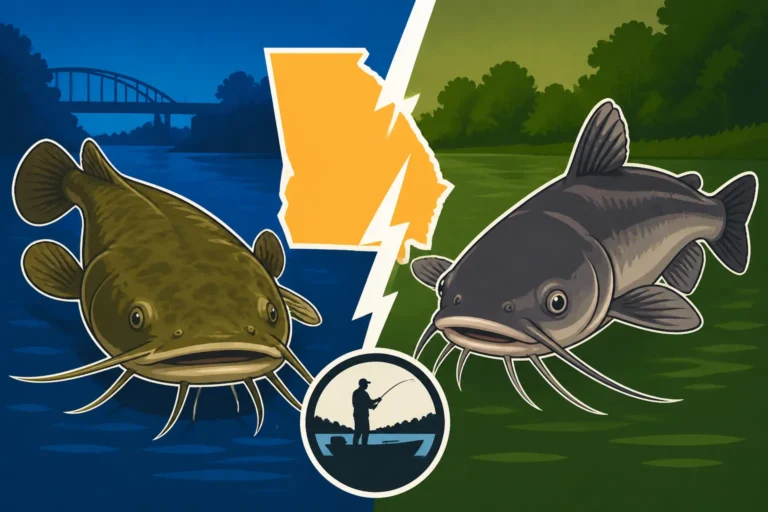
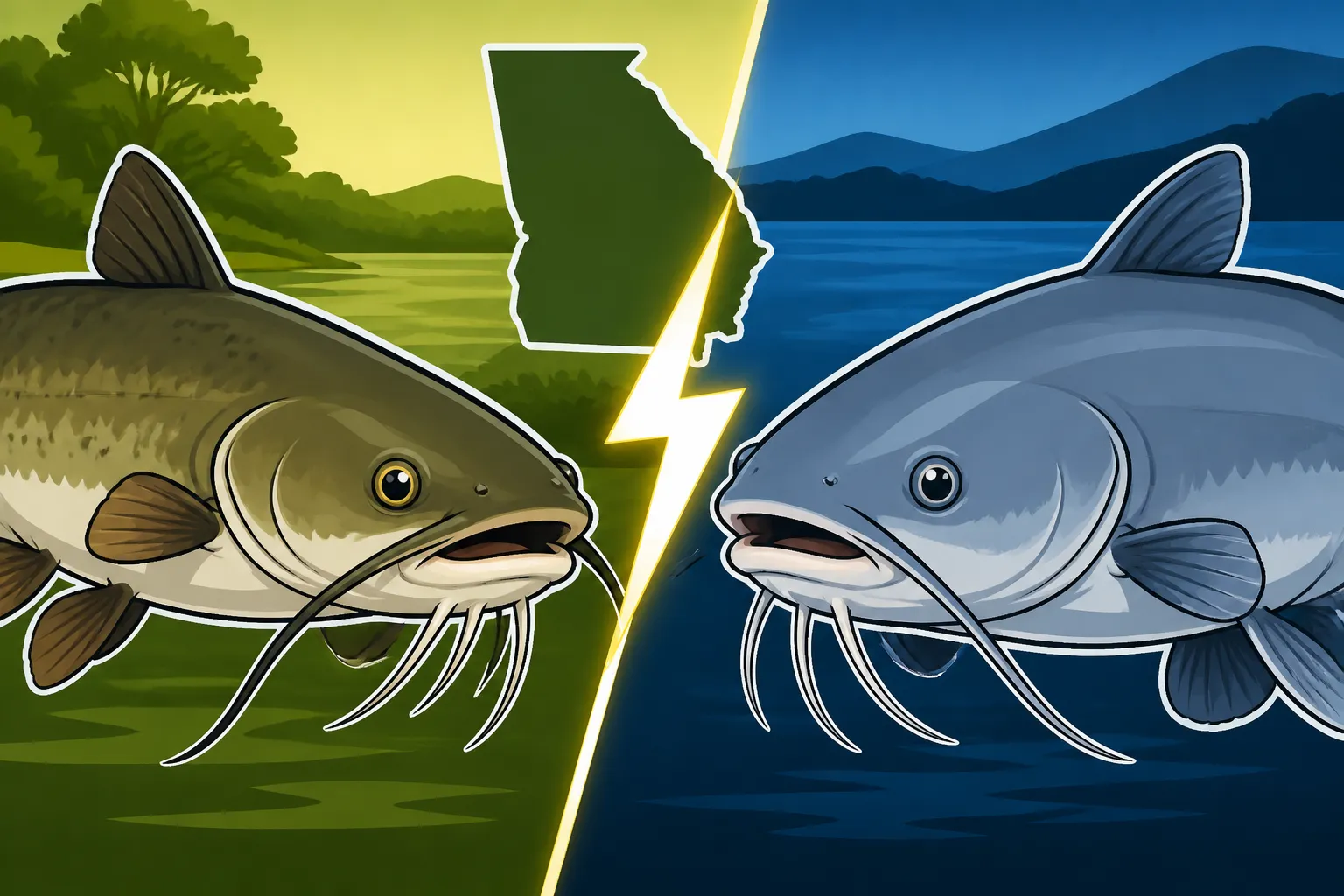
One of the most reliable ways to tell these two species apart lies in their fins, particularly the anal fin, and the shape of their tail. Channel catfish, scientifically known as Ictalurus punctatus, typically have a noticeably rounded or convex anal fin with a count of 24-29 rays. When you look at it, it will curve outwards slightly. Their tail is deeply forked, almost like a swallow's tail, and this fork is often one of the first features people notice. Their body tends to be more slender, especially when they're younger or smaller, giving them a streamlined appearance.
In contrast, the blue catfish, Ictalurus furcatus, boasts a very distinctive anal fin that is much longer and has a straight edge, or sometimes even a slightly concave curve, with 30-36 rays. This straight-edged fin is arguably the most consistent identifier for a blue cat. Their tail is also deeply forked, much like the channel cat's, but sometimes the lobes can appear a bit more pointed or symmetrical. Blue catfish generally have a more robust, heavier-bodied build, especially as they grow larger, often with a prominent hump just behind their head, giving them a powerful, almost bulldog-like appearance in their larger specimens.
It's important to remember that these characteristics can sometimes be subtle, particularly in smaller fish or when examining hybrids (though hybrids are less common between these two species in Georgia). However, if you focus on the anal fin ray count and shape, coupled with the overall body profile, you'll be well on your way to making an accurate identification. For serious anglers or those just keen on knowing exactly what they've caught, counting those anal fin rays is the definitive method.
Coloration and Skin Texture
Beyond fins and body shape, the color and texture of a catfish's skin can also offer helpful hints, though these can be more variable depending on the fish's age, diet, and the water conditions. Channel catfish generally display a color palette ranging from olive-brown to a lighter gray, sometimes with a greenish tint on their backs. Younger channel cats, in particular, are often adorned with distinct black spots along their sides, which tend to fade or disappear as they mature. Their skin often feels relatively smooth to the touch.
Blue catfish, on the other hand, live up to their name with a more silvery-blue to slate gray coloration on their flanks and back. This blue-gray hue is usually quite uniform, and they typically lack the distinct spots that often characterize younger channel catfish. Their bellies are usually white or cream-colored, similar to channel cats. The skin of a blue catfish can sometimes feel a bit tougher or more coarse compared to a channel cat, though this is a less scientific identifier.
Keep in mind that factors like water clarity, sediment, and even the fish's stress levels can influence its exact shade. A channel cat living in muddy water might appear darker than one from a clear reservoir. Similarly, a blue cat from a deep, clear river might show off its striking blue tones more vividly. Therefore, while color can be a good supporting clue, it should always be considered alongside the more definitive anatomical features like the anal fin ray count.
Habitat Preferences and Behavior in Georgia
Knowing the physical differences between channel and blue catfish is a huge step, but understanding where they like to hang out in Georgia's waters is equally important for both identification and successful fishing. These two species, despite their similarities, have distinct preferences when it comes to their aquatic homes, which impacts how and where you'll encounter them.
Where to Find Channel Catfish
Channel catfish are incredibly adaptable and are arguably the most widespread catfish species across Georgia. You can find them in nearly every type of freshwater environment, from large reservoirs like Lake Lanier and Lake Oconee to smaller farm ponds, slow-moving rivers, and even larger creeks. They are quite tolerant of varying water quality and current, which contributes to their ubiquitous presence. They truly are the everyman's catfish in Georgia.
These opportunistic feeders often prefer areas with some form of cover, whether it's submerged timber, rock piles, ledges, or even weed beds. You'll frequently find them in calmer waters such as coves, creek arms, and the slower sections of rivers. When fishing from the bank, channel catfish are often the most likely catch, as they readily forage in shallower areas, especially during low light conditions or at night. Their versatility makes them a favorite target for many anglers, whether you're using conventional tackle or simply a cane pole in a quiet pond. Best Catfish Fishing Spots in Georgia often feature prime channel cat habitat.
For anglers keen on targeting channel cats, look for them around structure in areas with moderate current or still water. They are less particular than blue cats about needing deep, swift-moving water. This means they are often accessible to shore anglers and those in smaller boats, making them a fantastic fish for beginners and seasoned pros alike who want a reliable bend in their rod. Remember, these fish are truly everywhere, making a Channel Catfish Identification and Habits crucial for any Georgia angler.
Where Blue Catfish Thrive
Blue catfish, while present in many of Georgia's larger water bodies, tend to have more specific habitat preferences than their channel cat cousins. They are primarily a big-river and large-reservoir species, preferring deep, open water with significant current. Think of major river systems like the Savannah River, Altamaha River, or the Chattahoochee River's lower stretches, and large impoundments like Clarks Hill Lake or Lake Eufaula (Walter F. George Reservoir). In these environments, blue cats typically gravitate towards the main river channel, deep humps, ledges, and major bends where currents funnel baitfish.
Unlike the channel cat that might nose around in a shallow cove, blue catfish are masters of the deep. They use the current to their advantage, often holding near structure in deep water, waiting to ambush prey. This preference for deeper, more powerful water means that catching large blue catfish often requires a boat equipped with sonar to locate them, and stout tackle to handle their size and strength in heavy current. While you can catch smaller blues closer to shore in some instances, the trophy specimens are almost exclusively found in the deeper, more challenging parts of their domain.
If you're heading out specifically for blue catfish, focus your efforts on the main lake basins, especially near the old river channels, deep holes, and significant drop-offs. Look for subtle current seams and large schools of baitfish, as these big predators will rarely be far from their food source. Understanding these distinct habitat preferences is key to a successful outing, saving you time and ensuring you're fishing in the right spots with the right gear. For those targeting them in specific large bodies of water, exploring a Blue Catfish Identification and Size guide is a great next step.
Diet, Growth, and Fishing Strategies
Beyond identification and habitat, understanding what channel and blue catfish eat, how big they get, and the best ways to catch them reveals further key differences. These distinctions directly influence your bait choice, tackle setup, and overall fishing strategy. It's like knowing whether you're hunting deer or bears – both are big game, but you'd use very different approaches!
What Each Catfish Eats
The dietary preferences of channel catfish versus blue catfish represent one of their most significant behavioral distinctions. Channel catfish are renowned for being omnivorous scavengers. This means they'll eat pretty much anything they can get their mouths on! Their diet includes a wide array of items: insects, worms, crawfish, small fish, aquatic vegetation, and even dead organic matter. This generalist approach makes them relatively easy to catch, as they're attracted to a huge variety of baits. Think about popular choices like chicken livers, cut bait (like shad or mullet), shrimp, hot dogs, dough balls, and even commercially prepared stink baits. Their willingness to scavenge is why they're so often found near the bottom, picking up whatever morsels are available.
Blue catfish, especially as they grow into larger adults, are much more predatory, making them primarily piscivorous. This means their diet consists overwhelmingly of other fish. They actively hunt and consume shad, herring, sunfish, carp, and any other baitfish present in their environment. While a smaller blue cat might occasionally take a worm or an insect, the bigger ones are looking for a meal with some heft. Therefore, when targeting large blue catfish, fresh cut bait is almost always the go-to choice. Think about fresh-cut shad, herring, or even chunks of carp. This predatory nature influences their behavior; they're less likely to be attracted to highly scented processed baits and more interested in the smell and sight of actual prey.
This difference in diet fundamentally shapes how anglers approach each species. For channel cats, a variety of potent-smelling baits will often do the trick. For blue cats, however, freshness and realism (in terms of cut bait) are paramount. This distinction is so important that many anglers carry different bait coolers or bags depending on which species they are specifically targeting for the day. For more on specific bait recommendations, you might find a guide like Best Bait for Channel Catfish or Best Bait for Blue Catfish in Georgia Rivers incredibly helpful.
Size and Growth Potential
When it comes to bragging rights, the size difference between channel catfish and blue catfish is often the most striking. While a big channel cat is certainly an impressive catch, a large blue cat is in a league of its own, particularly in Georgia. Channel catfish typically range from 1 to 10 pounds in most recreational catches. A channel cat pushing 20 pounds is considered a trophy, and while they can grow larger, catches exceeding 30 pounds are quite rare in Georgia waters. They grow at a moderate rate and have a decent lifespan, but their genetic potential for sheer mass doesn't quite match that of the blue catfish.
Blue catfish, on the other hand, are Georgia's largest freshwater fish species, capable of growing to immense sizes. It's not uncommon for anglers targeting blue cats in major reservoirs and rivers to pull in fish weighing 20, 30, or even 50 pounds. The potential for true giants is what draws many anglers specifically to blue cats, with state records pushing well over 100 pounds. These fish grow rapidly and live for many years, constantly adding mass. Their sheer power and bulk make them an incredible challenge on the end of a line, often requiring specialized heavy-duty tackle to land successfully.
This difference in size dictates the gear you'll need. If you're casually fishing for channel cats, medium-heavy tackle is usually sufficient. But if you're seriously hunting for a monster blue, you'll need to upgrade to heavy rods, reels with excellent drag systems, and strong line. Knowing this distinction helps you manage expectations and ensures you're properly equipped to handle whatever might bite. Where to Catch Trophy Blue Catfish in Georgia is a topic many dedicated anglers study.
Tailoring Your Fishing Approach
Given their distinct preferences in diet, habitat, and size, it's clear that fishing for channel catfish and blue catfish often requires different tactics. For channel catfish, versatility is key. Since they're found in various habitats and eat almost anything, a simple bottom rig with a slip sinker, a swivel, and a hook is often all you need. Baits like chicken liver, cut bait, shrimp, or a nightcrawler fished directly on the bottom or suspended slightly off it will attract their attention. They're excellent targets for bank anglers, fishing around submerged logs, brush piles, or slower-moving eddies in rivers. Targeting them at dawn, dusk, or throughout the night can be particularly productive, as these are peak feeding times for channel cats.
When it comes to blue catfish, you'll need to step up your game, especially if you're after the bigger ones. Heavy tackle is essential – think stout rods, robust baitcasting reels, and strong monofilament or braided line (e.g., 50-80 lb test). Your bait should almost exclusively be fresh cut bait: whole or cut shad, herring, carp, or even larger bluegill. Fish these baits on sturdy Carolina rigs or similar bottom rigs designed to present a large offering near the bottom in deep water, often with heavy weights (e.g., 3-8 ounces) to hold against strong currents. Boat fishing is often necessary to access the deep river channels and open reservoir areas where large blues congregate. Using a fish finder to locate deep structure, bait balls, and potential blue cat holding areas will dramatically increase your success. Patience is also a virtue, as these large predators can take their time finding and deciding to strike your bait. Understanding Deep Water Techniques for Striped Bass can also be applicable to blue cat fishing in some deep reservoir settings, given similar challenges.
| Feature | Channel Catfish | Blue Catfish |
|---|---|---|
| Anal Fin | Rounded/convex edge, 24-29 rays | Straight/concave edge, 30-36 rays |
| Tail | Deeply forked | Deeply forked, often more symmetrical pointed lobes |
| Body Shape | More slender, streamlined | More robust, heavier build, often with a hump |
| Coloration | Olive-brown to gray, young often spotted | Silvery-blue to slate gray, no spots |
| Diet | Omnivorous (insects, worms, small fish, detritus) | Primarily piscivorous (fish-eater) as adults |
| Preferred Bait | Chicken liver, stink bait, worms, cut bait, shrimp | Fresh cut bait (shad, herring, carp) |
| Typical Size | 1-10 lbs (trophy up to 30 lbs) | 20-50+ lbs (potential for over 100 lbs) |
| Habitat | Rivers, lakes, ponds, varied current, cover | Large rivers & reservoirs, deep channels, strong current |
| Tackle | Medium-heavy | Heavy to extra-heavy |
Georgia-Specific Regulations and Management
Fishing in Georgia, regardless of the species, always comes with rules and regulations designed to protect our fisheries and ensure sustainable angling for generations to come. When you're dealing with species like channel catfish and blue catfish, it's particularly important to be aware of any specific guidelines, as their management can sometimes differ based on their population health and ecological impact.
Creel and Size Limits
For most of Georgia's general regulation waters, both channel and blue catfish fall under fairly broad statewide rules. Often, there isn't a specific daily creel limit or size restriction for these species, which means you can typically keep as many as you can legally catch. This is largely because both species, particularly channel cats, are prolific breeders and are generally abundant across the state. However, it is absolutely paramount to check the current Georgia Department of Natural Resources (DNR) fishing regulations every year, as rules can and do change. Specific bodies of water, such as Public Fishing Areas (PFAs), might have unique regulations that differ from statewide norms to manage their particular fisheries.
For instance, while a general reservoir might have no limit, a PFA could implement a daily creel limit for certain species to enhance fishing quality or manage population density. Always grab a copy of the latest Georgia Sport Fishing Regulations booklet, or check the DNR's website before heading out. Overlooking a local rule could lead to an unexpected penalty, and trust me, nobody wants that when they're just trying to enjoy a peaceful day on the water. While Georgia Fishing Regulations Explained covers many general topics, always double-check specific details for your chosen fishing spot.
Conservation and Invasive Concerns
While channel catfish are native to much of North America, including Georgia, and are a well-loved and well-managed sport fish, the blue catfish has a more complex history in some of Georgia's waterways. Blue catfish are native to the Mississippi River Basin, but they have been introduced to many other river systems, including some in Georgia, often for sport fishing purposes. In their non-native ranges, blue catfish can sometimes become an invasive species. Their large size, predatory nature, and rapid growth allow them to outcompete and prey upon native fish species, potentially altering ecosystems.
Because of this potential for ecological impact, managing blue catfish populations can involve different strategies than those for channel cats. In some waters where they are considered invasive, there may be no possession limits, encouraging anglers to keep all the blue catfish they catch to help control their numbers. This is a topic that fishery biologists continually monitor. As an angler, you play a role in conservation. Always be aware of the species you're catching and release responsibly (if allowed and desired) or harvest within regulations. If you're ever in doubt about the status of blue catfish in a particular Georgia river or lake, checking with the Georgia DNR is your best bet. Being informed helps you be a responsible steward of Georgia's precious aquatic resources.
Disclaimer
This article is for general informational purposes only and does not constitute professional advice. Laws, prices and regulations vary by location and change over time. Consult a qualified professional for guidance on your specific situation.