Where to Catch Black Crappie in Local Lakes and Ponds
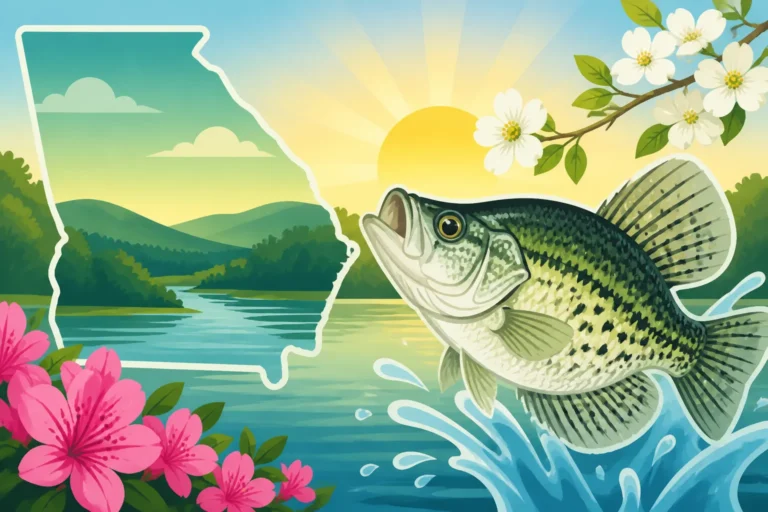
There's nothing quite like the thrill of feeling that subtle tap on your line and knowing you've hooked into a feisty black crappie. If you're anything like me, you've probably spent countless hours wondering just where these speckled beauties like to hide in our Georgia lakes and ponds. It can be frustrating to know they're out there, but not know how to consistently find them. This guide is all about helping you unlock those secrets, giving you the insider scoop on their preferred hideouts and how to effectively target them in both your local community ponds and our larger reservoirs.
Understanding Black Crappie Habits in Georgia's Local Waters
Black crappie are fascinating fish, and understanding their behavior is truly the first step to consistently finding them. They're not just swimming around aimlessly; they have preferences, patterns, and specific needs that dictate where they'll be. Think of them as creatures of habit, always looking for comfort, food, and safety.
Preferred Habitats: Structure is Key
If there's one golden rule for finding black crappie, it's this: structure, structure, structure! These fish are absolute magnets for anything that offers cover, shade, or an ambush point. We're talking about everything from brush piles and submerged timber to old dock pilings, bridge supports, and even subtle changes in the bottom contour like creek channels.
Why do they love structure so much? Well, it's a multi-purpose haven. First, it offers protection from predators like largemouth bass or even birds of prey. Second, it's a prime ambush point for their favorite prey – small baitfish like shad and minnows. Imagine a crappie tucked into a dense brush pile, waiting for an unsuspecting school of bait to swim by. It's an easy meal. Third, structure often provides shade, which is crucial on bright sunny days, especially during warmer months. In smaller ponds, this could be a cluster of lily pads or the shade cast by an overhanging tree limb. In larger lakes, you're looking for deeper, more complex underwater features. Getting a feel for how crappie relate to these elements is a game-changer.
Seasonal Movements and Depths
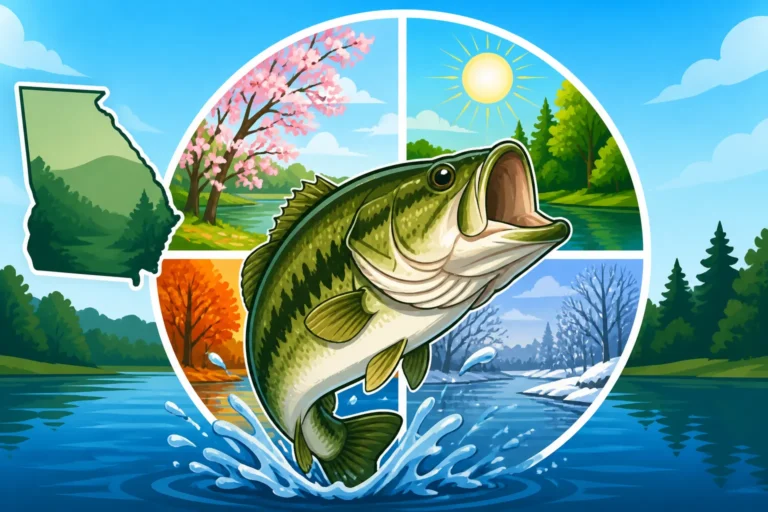
Black crappie are constantly on the move, but their movements are largely predictable and tied to the seasons and water temperature. Knowing these patterns will help you narrow down your search.
- Spring Spawn: Ah, springtime! This is when crappie become a lot more accessible, often moving into shallower waters to spawn. You'll find them around flooded timber, weed lines, shallow brush, and even rip-rap banks. They're looking for hard bottom areas, usually in water anywhere from 2 to 8 feet deep, depending on the clarity and temperature. This is a fantastic time for bank anglers, as the fish are close to shore. You might find them in the same shallow coves year after year.
- Summer Patterns: As the water warms up and the spawn concludes, crappie transition to deeper, cooler waters. They'll often suspend in the water column over creek channels or relate to deep brush piles, submerged roadbeds, or bridge pilings in 15 to 25 feet of water, or even deeper. The key here is to find the thermocline – the depth where the water temperature changes rapidly – as crappie often hold just above or within this zone where oxygen levels are good. This is where your electronics really come into play.
- Fall Feeding Frenzy: Once those cooler autumn temperatures start to set in, crappie become incredibly active again. They're trying to fatten up for winter, and this often brings them back to shallower waters, especially during early mornings and late evenings. They'll still relate to structure, but they might be spread out more, chasing baitfish that are also moving shallower. Look for baitfish schools on your sonar, and you'll likely find crappie nearby.
- Winter Depths: During the cold winter months, crappie generally retreat to deeper water, often suspending over main lake channels or congregating in large schools around deep brush piles. They become less active, so your presentation needs to be slow and subtle. Don't be surprised to find them in 20, 30, or even 40 feet of water, often suspended halfway down. Many anglers have success vertical jigging over these deep schools, sometimes finding massive congregations of fish.
Prime Locations for Black Crappie in Georgia's Ponds
For many of us, our local pond or a nearby community lake is our most accessible fishing spot. These smaller waters can be absolute crappie goldmines if you know what to look for! They might not have the grand scale of our big reservoirs, but they often hold surprisingly healthy populations.
Farm Ponds and Small Community Lakes
Don't underestimate the power of a quiet farm pond or a small community lake. These often-overlooked gems can be fantastic for black crappie, especially if they have good forage and structure. The beauty of these smaller waters is their accessibility – sometimes you can walk right up to a promising spot.
When you're looking at a pond, scan for visible signs of crappie habitat. Fallen trees that have created natural brush piles are prime real estate. Old stumps protruding from the water, or even just submerged, are excellent holding areas. The dam area, especially where there's rip-rap or a drop-off, can also be a hotspot. Often, crappie will hang just off the deeper side of these features. Remember, if you're fishing on private property, always, always ask for permission first. It's not just polite, it's essential. For those looking for publicly accessible waters, many local parks and state properties offer designated fishing ponds that are managed for good fishing. You might even find some Public fishing area bass size limit in Georgia information that applies to these spots, which can give you clues about the management.
Identifying Crappie Hotspots in Ponds
In ponds, visual cues are your best friend. Look for any signs of baitfish activity – ripples on the surface, small splashes, or birds diving. Where there's bait, there are usually crappie not far behind. Heavy vegetation like lily pads or cattails along the edges can provide shade and cover, especially where the edge drops off into deeper water. Overhanging trees or large bushes create invaluable shade and often have submerged root systems that crappie adore.
While you might not have a fancy boat with advanced sonar in a small pond, even a portable fish finder can make a huge difference. These small devices can help you locate depth changes, submerged structure, and even schools of fish you might otherwise miss. If you're fishing from a small boat or kayak, you can slowly cruise around, looking for these indicators. A popular technique for covering water in smaller craft, often called "spider rigging," involves using multiple rods spread out from the boat, each with a different bait or jig, to quickly find the crappie's preferred depth and offering. You can often find compact, effective fish finders and multiple rod holders for this setup on Amazon.
Targeting Black Crappie in Georgia's Larger Lakes and Reservoirs
Georgia is blessed with an abundance of fantastic large lakes and reservoirs, many of which are renowned for their crappie fishing. These vast waters present different challenges and opportunities compared to smaller ponds, but the core principle of finding structure remains the same.
Major Lake Hotspots for Black Crappie
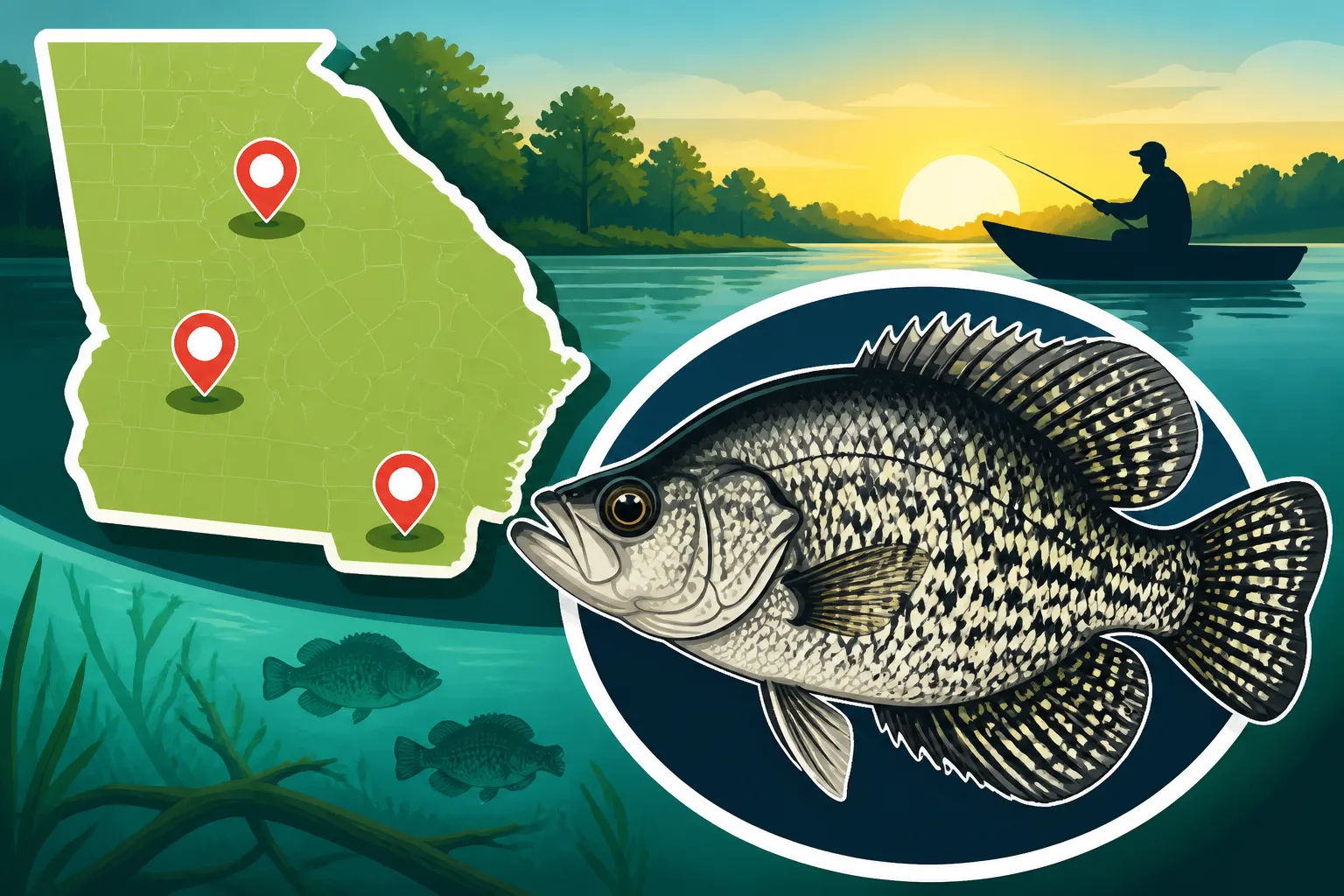
When we talk about larger Georgia lakes, names like Lake Sinclair, Lake Oconee, Clarks Hill Lake (also known as Lake Thurmond), and even Lake Lanier come to mind. While some are more famous for bass or stripers, they all hold healthy populations of black crappie, especially if you know where to look. Best Crappie Lakes in Georgia are often those with extensive standing timber, submerged creek channels, or historical brush pile programs.
- Lake Sinclair is a classic example, known for its fantastic crappie fishing. Anglers often find success around the many docks, bridge pilings, and the numerous brush piles placed by local anglers. Lake Sinclair Fishing Spots are often centered around these man-made structures.
- Lake Oconee also offers great crappie opportunities, particularly in its many coves and along creek channels. You'll find crappie relating to the abundant docks and submerged timber. Check out a detailed Lake Oconee Fishing Guide, Georgia for more specifics.
- Clarks Hill Lake (Lake Thurmond) boasts an incredible crappie fishery with vast areas of standing timber, especially in the upper arms of the lake. It's a prime example of how crappie thrive in extensive woody cover. A Clarks Hill Lake Fishing Guide, Georgia will show you the best areas.
- Even Lake Lanier, while famous for its stripers and bass, has a decent black crappie population that often gets overlooked. They'll be found around deep bridge pilings, submerged brush, and deep docks, especially in the lower lake. If you're planning a trip, a Lake Lanier Fishing Guide, Georgia might have some crappie tips.
Man-Made Structure and Deep Water Tactics
On these big lakes, man-made structures become incredibly important. Bridge pilings, especially those in deep water, are prime crappie real estate. The crappie will often suspend around the pilings, relating to the depth that offers optimal conditions. Deep docks, particularly those with brush piles placed underneath them by homeowners, are also excellent. Many anglers have permission to fish these private docks, or you can find public dock access.
Beyond visible structures, pay close attention to submerged features. Old roadbeds that were flooded when the lake was created are fantastic crappie highways, often holding fish in ditches and along the edges. Creek channels, especially where they meander and feature drop-offs or stumps, are also major holding areas. This is where good sonar and GPS become invaluable tools, allowing you to mark and return to productive spots.
When fishing these deeper, larger lake areas, techniques like vertical jigging or slow trolling with small jigs or live minnows are highly effective. Vertical jigging means positioning your boat directly over the structure and dropping your bait straight down, keeping it in the strike zone. Trolling allows you to cover more water, presenting your bait to suspended crappie. Learning How to Jig for Crappie and How to Tightline for Crappie can significantly boost your success. Using a variety of Best Jig Colors for Crappie Fishing can also help you dial in what the fish prefer on any given day.
Essential Gear and Best Practices for Black Crappie Success
Having the right gear and understanding a few best practices can make all the difference between a frustrating day and a successful crappie outing. You don't need the most expensive equipment, but matching your gear to the target species is crucial.
Rods, Reels, and Line for Crappie
For black crappie, finesse is key. You're looking for light tackle that allows you to feel those incredibly subtle bites.
- Rods: A light to ultralight spinning rod, typically 5 to 7 feet in length, is ideal. The most important feature is a sensitive tip that will telegraph even the faintest tap from a crappie. A longer rod can also help with casting lighter jigs and absorbing sudden runs. For more specifics, check out guides on Best Rods for Crappie Fishing in Georgia.
- Reels: Pair your sensitive rod with a small, lightweight spinning reel. A 1000 or 2000 series reel is usually perfect. The key is smooth drag and a comfortable feel, as you'll be making many casts and retrieves. You can find excellent options for both beginner and experienced anglers on Amazon.
- Line: Light line is paramount for crappie. Monofilament or fluorocarbon in 4 to 6-pound test is usually sufficient. Lighter line allows for better casting distance with small baits, better sensitivity, and a more natural presentation. Some anglers even use super-braid lines for maximum sensitivity, often with a fluorocarbon leader.
Baits, Lures, and Presentation
Crappie are not usually aggressive feeders, so your bait, lure, and presentation need to be spot on.
- Live Minnows: Often considered the gold standard for crappie, live minnows are incredibly effective. A small minnow hooked lightly through the back or lips, fished under a bobber or on a tight line, is often irresistible. Understanding How to Rig a Minnow for Crappie properly can increase your hook-up ratio.
- Small Jigs: Tiny jigs, typically 1/16th to 1/32nd ounce, are hugely popular. They come in a vast array of colors and styles, often tipped with a soft plastic body or a small piece of live bait. Pink, chartreuse, white, and black are common go-to colors. Experimentation is key to finding what they want on a given day. Our guide on Best Bait for Black Crappie in Georgia delves deeper into popular choices.
- Soft Plastics: These imitation baits are incredibly versatile. Tiny tube jigs, grubs, and small minnow imitations can be deadly. The key is to impart subtle action – a slow retrieve, a slight twitch, or a gentle lift-and-drop.
- Presentation: Crappie often bite on the fall, so pay close attention as your bait sinks. Keep your rod tip up and feel for any change in pressure. When fishing structure, try to present your bait just above or right in the middle of the cover. Often, they'll be suspended a foot or two off the bottom or off the structure, waiting for an easy meal.
Crappie Fishing Etiquette and Conservation
As responsible anglers, we all play a part in preserving our fisheries.
- Respect Private Property: If you're fishing a private pond, always ensure you have explicit permission from the landowner. It maintains good relationships and ensures continued access for everyone.
- Proper Handling and Release: If you're catching and releasing, handle crappie gently. Wet your hands before touching them to protect their protective slime coat. Quickly release fish you don't intend to keep.
- Know the Regulations: Always be aware of the current Georgia Fish Size and Creel Limits for crappie in the waters you're fishing. Regulations are in place to ensure healthy populations for future generations.
- Leave No Trace: Pack out everything you pack in. Don't leave trash, discarded line, or bait containers. Let's keep our beautiful Georgia lakes and ponds pristine.
- Respect the Structure: If you're fishing a brush pile that someone else has placed, treat it with respect. Don't damage it or remove it. These features benefit everyone.
| Habitat Type | Spring (Spawn) | Summer (Post-Spawn) | Fall (Feeding) | Winter (Dormant) |
|---|---|---|---|---|
| Ponds & Small Lakes | Shallow brush, lily pads, old stumps, dam banks, creek mouths (2-8 ft) | Deeper brush, pond center, shade from overhanging trees (8-15 ft) | Shallow-to-mid depth brush, points, baitfish schools (5-12 ft) | Deepest areas, creek channels, suspended (12-25+ ft) |
| Large Lakes/Reservoirs | Flooded timber, shallow coves, main lake points, bridge pilings (3-10 ft) | Deep brush piles, creek channels, bridge pilings, submerged roadbeds, thermocline (15-30+ ft) | Mid-depth brush, main lake points, chasing bait in coves (8-20 ft) | Deepest structure, suspended over main channels, dense brush piles (25-40+ ft) |
Disclaimer
This article is for general informational purposes only and does not constitute professional advice. Laws, prices and regulations vary by location and change over time. Consult a qualified professional for guidance on your specific situation.