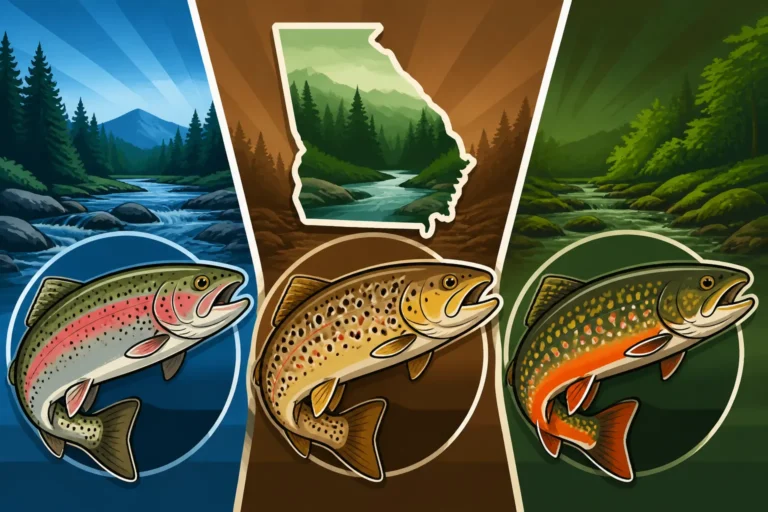
Brook Trout: Georgia’s Native Trout Species
There's a special magic in chasing Georgia's brook trout, a feeling that connects you to something truly wild and ancient in our North Georgia mountains. Many anglers dream of catching these beautiful, vibrant fish, but often find it challenging to locate them or understand their unique needs. This guide will walk you through everything you need to know about Georgia's brook trout, from their distinct characteristics and preferred habitats to the specialized techniques and mindset required to successfully — and ethically — pursue this precious native species.
Understanding Georgia's Native Trout: The Brookie's Story
When we talk about trout in Georgia, most folks immediately think of rainbow and brown trout, often found in our larger, more accessible rivers and lakes after being stocked. But tucked away in the highest, most pristine reaches of our mountain streams, you'll find a true gem: the brook trout. These aren't just any trout; they are Georgia's only native trout species, meaning they've been here long before any human intervention or stocking programs began. They are a testament to the wild beauty and ecological richness of our state's headwaters.
What Makes Brook Trout Native to Georgia?
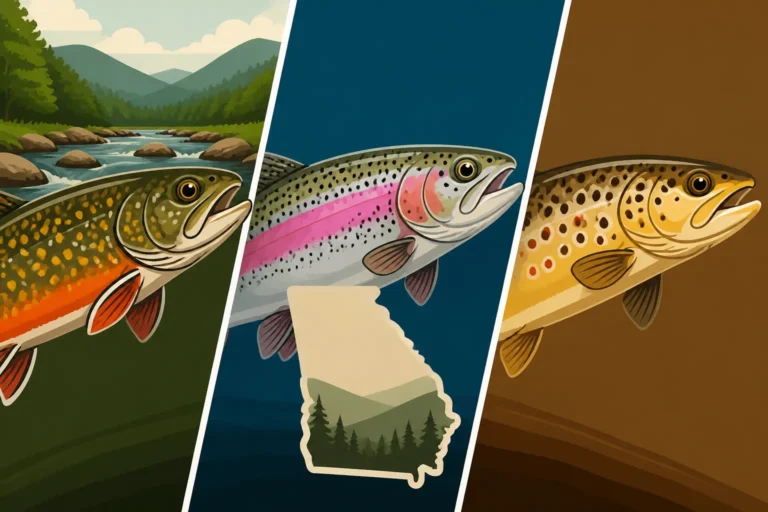
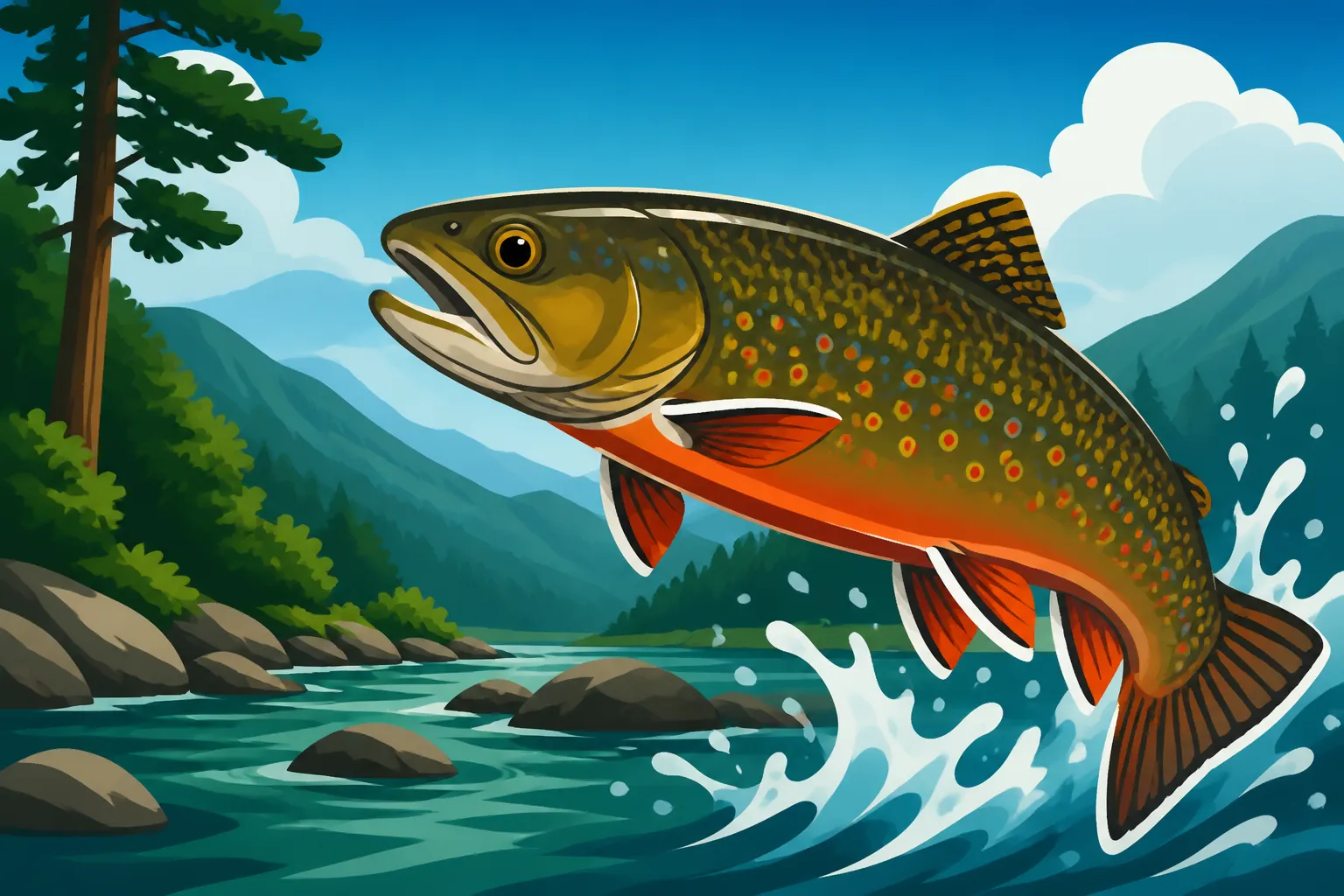
Brook trout, or "brookies" as they're affectionately known, are a species of char, not a true trout, though they’re grouped with them for fishing purposes. Their presence in Georgia dates back to the last Ice Age, when their ancestors migrated south as glaciers retreated, finding refuge in the cold, clear, high-altitude streams of the Appalachian Mountains. Over millennia, these populations adapted specifically to the unique conditions of Georgia's watersheds, evolving into a distinct and resilient strain. They're typically smaller than their rainbow and brown cousins, but their beauty is unmatched, with a dark, marbled pattern on their backs, vivid red and orange spots haloed with blue, and striking white leading edges on their fins. Their coloring is a natural camouflage, allowing them to blend seamlessly into the dappled light and rocky bottoms of their home waters.
These fish are living relics, perfectly suited to the specific environment they inhabit. Their survival is intrinsically linked to the health of these delicate ecosystems. Unlike stocked trout, which are raised in hatcheries and often released into easily accessible waters, native brook trout exist in a fragile balance with their surroundings, making them incredibly sensitive to changes in water quality, temperature, and habitat. Understanding their native status helps us appreciate their importance and the responsibility we have as anglers to protect them.
The Difference Between Native and Stocked Trout
It’s easy to assume all trout are created equal, but there's a world of difference between a wild, native brook trout and a hatchery-raised rainbow or brown. Stocked trout, while providing fantastic angling opportunities in many of our rivers and lakes, are often more accustomed to human presence and readily take a variety of baits. They are bred for growth and survival in controlled environments, and their genetic makeup can be quite different from wild strains.
Native brook trout, on the other hand, are the epitome of wildness. They are inherently shyer, more cautious, and demand a much more subtle approach. Their diet consists primarily of native insects, small crustaceans, and even tiny amphibians found naturally in their undisturbed habitats. Their genetic purity is crucial for the long-term health and resilience of the species. When we fish for brook trout, we are engaging with an untouched piece of Georgia's natural heritage. This is why conservation practices, especially The Importance of Catch and Release, are so vital when pursuing brookies. Anglers often find that the fight of a wild brook trout, though smaller in stature, is fierce and incredibly rewarding, a true testament to its untamed spirit.
Where to Find Georgia's Elusive Brook Trout
Finding native brook trout in Georgia isn't like heading to your local stocked pond. It requires effort, a sense of adventure, and a willingness to venture off the beaten path. These fish are habitat specialists, living in places that demand certain conditions, conditions that are often remote and physically challenging to reach. But the reward? A truly unforgettable experience in some of the most stunning, untouched wilderness Georgia has to offer.
Identifying Prime Brook Trout Habitats
Brook trout thrive in very specific environments: the coldest, cleanest, and highest elevation headwater streams of the North Georgia mountains. Think small, narrow creeks with dense overhead canopy cover that keeps the water temperatures consistently low, even in the peak of summer. These streams are usually steep, with plenty of natural cover like fallen logs, submerged rocks, and undercut banks where brookies can hide from predators and ambush prey. They need a pristine environment, free from pollution and excessive sedimentation, which can choke out their spawning grounds.
You're not going to find many brook trout in the wide, slower-moving sections of larger rivers. Instead, you'll be looking for tributaries, often just tiny rivulets that feed into bigger streams, high up in areas like the Chattahoochee National Forest or various Wildlife Management Areas. These spots might not even be named on a conventional map, requiring keen observation and sometimes a bit of bushwhacking. The water here is typically crystal clear, revealing a rocky bottom composed of gravel, cobble, and bedrock, all essential for successful spawning and insect production. When you find these tiny, cold gems, you know you're in brook trout country. For more on specific areas, you might check out Best Small Streams for Brook Trout in North Georgia.
Navigating the North Georgia Wilderness
Accessing these prime brook trout habitats often means leaving the paved roads and even the well-worn hiking trails behind. Many of the best spots are found deep within wilderness areas, requiring considerable hiking, sometimes over rugged terrain. This is not a casual afternoon stroll. You might encounter steep inclines, dense rhododendron thickets, slippery rocks, and numerous stream crossings. Physical fitness is a definite plus, and sturdy hiking boots are an absolute must.
The remoteness is part of the appeal, though, as it ensures these fragile ecosystems remain relatively undisturbed. You’ll need to be self-sufficient, carrying all your water, snacks, and emergency supplies. A good topographical map, a compass or GPS device, and a fully charged phone (though service can be spotty) are indispensable. Always let someone know where you're going and when you expect to return. While these trips can be demanding, the solitude and the chance to connect with nature on such an intimate level, far from the crowds, are truly priceless. Remember, the journey itself is often as rewarding as the fishing, offering unparalleled opportunities to observe Georgia's native wildlife and immerse yourself in its pristine beauty. For broader trout fishing areas, consider exploring Toccoa River Trout Fishing in Georgia or Chattahoochee River Headwaters Trout Fishing for different experiences.
Essential Gear and Techniques for Catching Georgia Brook Trout
Catching native brook trout is less about brute force and more about finesse, stealth, and a deep understanding of their cautious nature. Forget your heavy bass gear; brookies demand a lighter touch and a more delicate approach. The right equipment, combined with patient and precise techniques, will greatly increase your chances of success and minimize stress on these precious fish.
Light Tackle and Stealth for Mountain Streams
When targeting brook trout, think ultra-light. A short, ultra-light spinning rod (4 to 5 feet) paired with a small spinning reel spooled with 2-4 pound test monofilament or fluorocarbon line is ideal. This setup allows for accurate, delicate presentations in tight quarters and reduces the chance of spooking these wary fish. For fly anglers, a 1- or 2-weight fly rod, 6 to 7.5 feet long, with a light floating line and a fine leader/tippet combination (5X or 6X) is perfect. The delicate nature of this gear matches the delicate environment and the size of the fish you're targeting. You can find excellent options for these setups on online retailers like Amazon, offering a wide range of brands and price points to suit any budget.
Stealth is paramount. These streams are often shallow and clear, meaning fish can spot you long before you spot them. Approach the stream cautiously, staying low and using streamside vegetation for cover. Avoid heavy footsteps or casting shadows over the water. A good rule of thumb is to cast upstream and allow your bait or fly to drift naturally downstream, retrieving as it passes your position. This allows you to present your offering to undisturbed fish and keeps you out of their direct line of sight.
Best Baits and Lures for Georgia Brookies
Brook trout aren't terribly picky if the presentation is right, but they respond best to small, natural offerings that mimic their typical diet. For spin fishing, tiny inline spinners (1/32 to 1/16 ounce) in natural colors like black, brown, or silver, or small spoons, are incredibly effective. Worms, particularly small red wigglers or pieces of nightcrawlers, are also a classic choice, presented on a small hook (size 10-14) with minimal weight. A small split shot a foot or so above the hook is usually all you need to get your bait down.
For fly fishing, attractor patterns like a Royal Wulff, Adams, or Elk Hair Caddis in sizes 14-18 are often productive on the surface, especially when there's a hatch. Underneath, small nymph patterns such as a Hare's Ear, Pheasant Tail, or a tiny Woolly Bugger (size 12-16) can be deadly. Terrestrial patterns like ant or beetle imitations work wonders, particularly in late summer and fall when insects fall from the overhanging vegetation. When buying these specialized baits and lures, many anglers find a good selection available through online sporting goods sections of sites like Amazon, which can be convenient if you don't have a local fly shop nearby. This is a very different game than chasing larger trout species; you can learn more about specific techniques in How to Fly Fish for Trout as a Beginner or How to Spin Fish for Trout.
Here's a quick comparison of common trout fishing gear:
| Gear Type | Recommended for Brook Trout | Generally Used for Larger Trout/Stocked Waters |
|---|---|---|
| Rod | Ultra-light spinning (4-5 ft) / 1-2 wt fly rod (6-7.5 ft) | Medium-light spinning (6-7.5 ft) / 4-6 wt fly rod (8.5-9 ft) |
| Line | 2-4 lb test mono/fluoro (spinning) / WF1F-WF2F (fly) | 6-8 lb test mono/fluoro (spinning) / WF4F-WF6F (fly) |
| Leader/Tippet | 5X-6X (fly) | 3X-5X (fly) |
| Lures | 1/32-1/16 oz inline spinners, small spoons | 1/8-1/4 oz spinners, larger spoons, crankbaits, jigs |
| Baits | Small red wigglers, small pieces of nightcrawlers | Whole nightcrawlers, corn, powerbait, salmon eggs |
| Hooks | Size 10-14 | Size 6-8 |
Mastering the Art of Presentation
The key to consistently catching brook trout isn't just what you use, but how you present it. These fish are incredibly sensitive to unnatural movements. Your casts should be short, accurate, and gentle, aiming to land your lure or fly softly on the water without a splash that would alarm them. A delicate drift is crucial, especially when fly fishing with nymphs or dry flies. You want your offering to look like a natural insect or worm floating effortlessly downstream, not something being dragged unnaturally by your line. This often means learning to "mend" your line to counteract currents and achieve a drag-free drift.
Pay close attention to the water. Look for pockets behind rocks, undercut banks, and the edges of current seams – these are prime holding spots for brook trout. Don't be afraid to cast into tight spaces; brookies often hide in incredibly small, overlooked areas. After your cast, maintain contact with your bait or fly so you can feel the slightest tap, as brook trout bites can be very subtle. A quick, gentle hook set is usually all that's needed. Remember, patience is a virtue, and many of these small streams require careful wading and slow, deliberate movements. Rushing through a section will likely spook more fish than you catch. You can refine your stream reading skills by checking out How to Fish for Trout in a Mountain Stream.
Conservation and Ethical Angling for Brook Trout
Because Georgia's brook trout are a native, wild, and often fragile resource, angling for them comes with a profound responsibility. These aren't endless populations, and every fish caught and released, or unfortunately lost, has a direct impact on their future. Ethical angling and a strong commitment to conservation are not just good practices; they are essential for ensuring that future generations can experience the magic of catching a Georgia brookie.
The Importance of Catch and Release
For most brook trout angling, catch and release is not just a suggestion; it's a strongly recommended practice. While Georgia allows for a daily creel limit on general trout waters, many anglers voluntarily practice 100% catch and release for native brook trout to help protect their delicate populations. These fish often live in smaller, more isolated streams, making them particularly vulnerable to overfishing. Their growth rates are slower than stocked trout, and larger, older brookies are vital for successful spawning and maintaining genetic diversity.
When practicing catch and release, handle the fish as little as possible. Use a barbless hook, or gently pinch down the barb on your existing hooks, to make removal easier and reduce injury. Wet your hands before touching the fish to protect its delicate slime coat, which is crucial for disease resistance. Support the fish horizontally, avoiding squeezing its body, and remove the hook quickly with forceps or a hemostat. If the fish is deeply hooked, it's often best to cut the line as close to the hook as possible rather than tearing its throat. Allow the fish to recover in the water, supporting it until it swims away under its own power. Every healthy release contributes to the survival of this precious native species. This practice is even more critical in Delayed Harvest Trout Streams in Georgia, which have specific catch-and-release seasons.
Protecting Their Fragile Habitats
The biggest threat to Georgia's native brook trout isn't just fishing pressure, but habitat degradation. These fish are living indicators of environmental health; if the brook trout populations are struggling, it often points to larger issues in the watershed. Protecting their fragile habitats means being mindful of our impact on the surrounding wilderness. Avoid disturbing stream banks, which can lead to erosion and increased sediment in the water, a major problem for trout spawning. Pack out all trash, and if you see litter, consider packing that out too. Even small actions can make a big difference.
Support conservation efforts through organizations that work to protect cold water fisheries and restore native brook trout populations. This could involve volunteering for stream cleanups, advocating for responsible land management, or simply spreading awareness about the unique needs of these fish. Climate change also poses a significant threat, as warming water temperatures can push brook trout out of their already limited habitats. By understanding and respecting the delicate balance of these mountain ecosystems, we can all play a part in safeguarding Georgia's native brook trout for generations to come. Your fishing adventure can be more than just a day on the water; it can be an act of stewardship for one of Georgia's most cherished natural treasures.
Disclaimer
This article is for general informational purposes only and does not constitute professional advice. Laws, prices and regulations vary by location and change over time. Consult a qualified professional for guidance on your specific situation.