Stocked vs Wild Rainbow Trout in Georgia
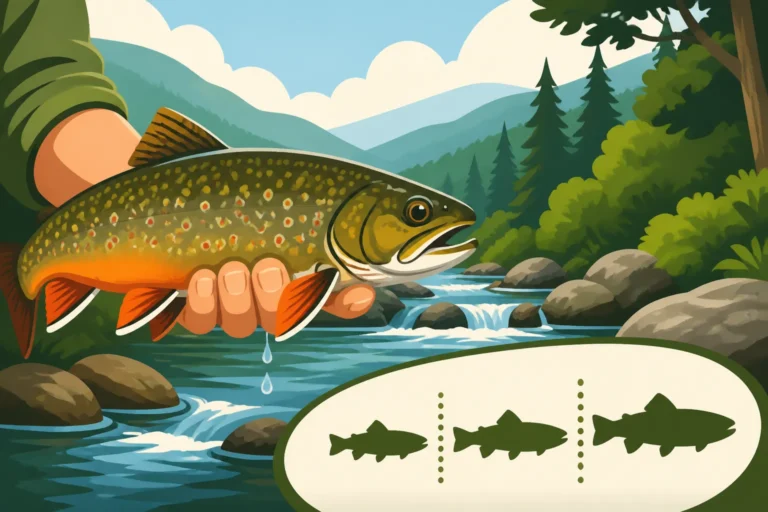
It's a common scenario in Georgia: you've just landed a beautiful rainbow trout, its sides shimmering in the sunlight, and you can't help but wonder, "Is this fish a true wild inhabitant of these waters, or was it stocked here for me to catch?" This question is more than just curiosity; understanding the difference between stocked and wild rainbow trout is absolutely crucial for any angler who wants to improve their success, choose the right gear, and fish ethically. This guide will help you identify the tell-tale signs of each and offer tailored strategies to help you connect with both types of magnificent fish.
Identifying Stocked Rainbow Trout in Georgia
Stocked rainbow trout are the backbone of many recreational fisheries in Georgia, particularly in easily accessible streams and rivers that receive regular introductions from the state's hatcheries. These fish are raised in controlled environments and released specifically to provide angling opportunities. Because of their upbringing, they often display distinct physical and behavioral characteristics.
Physical Appearance and Condition of Stocked Trout
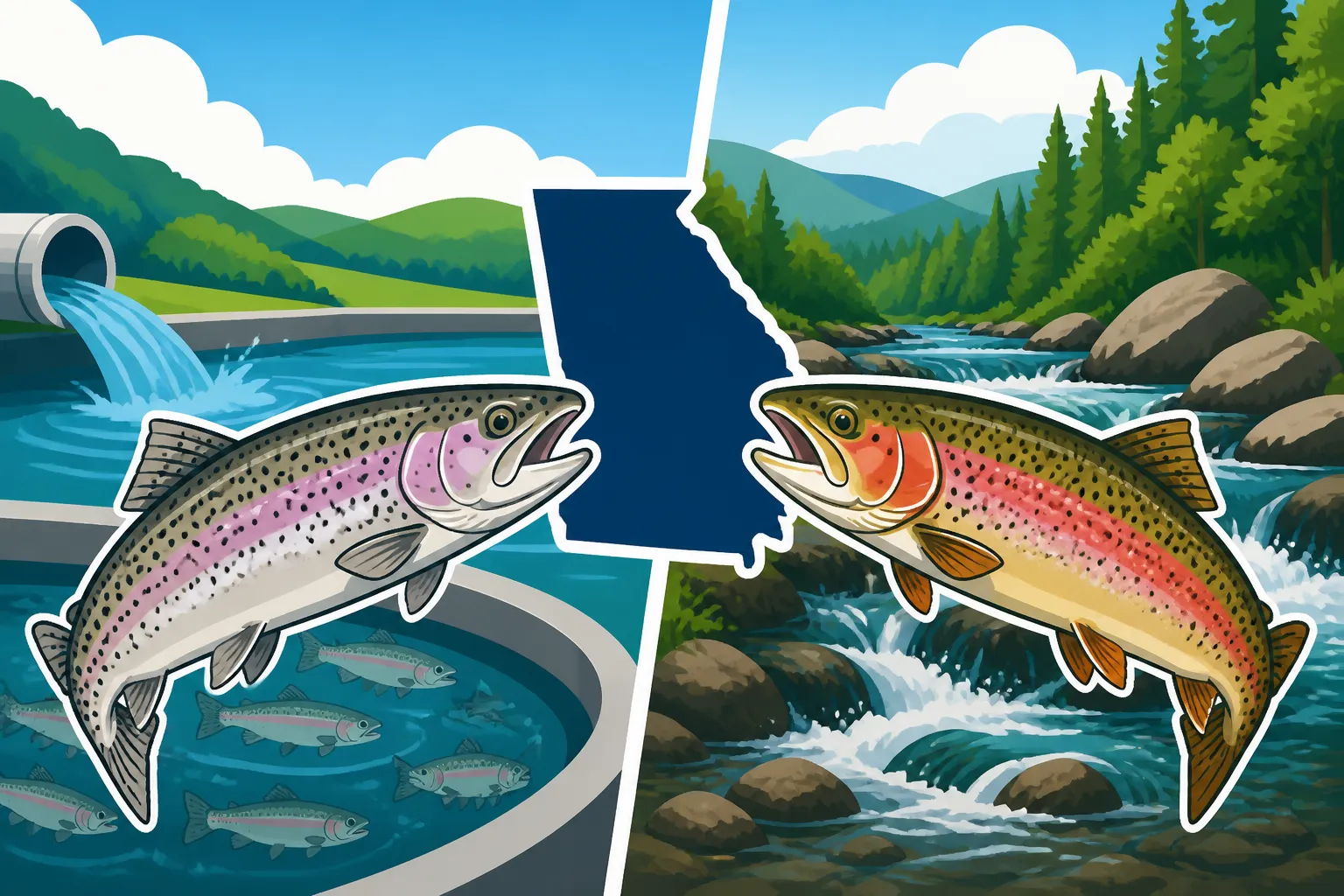
When you pull a stocked rainbow trout out of the water, the first thing many experienced anglers notice is its overall condition, which can be quite different from a wild fish. Stocked trout often have a more uniform appearance, both in size and coloration. They're typically raised in crowded hatchery raceways, which, while efficient for production, can leave its mark. You might notice fins that are a bit worn down, particularly the dorsal fin and tail. These fins can appear frayed, rounded, or even clipped from bumping against the concrete walls and other fish. The colors on a stocked trout can also be less vibrant, sometimes appearing a bit duller or more washed out compared to their wild counterparts. While still beautiful, they might lack the intense, iridescent hues you'd expect from a fish that has spent its entire life navigating natural currents and foraging in diverse ecosystems. Their bodies might also be a bit chunkier, a result of a consistent, high-protein diet in the hatchery.
Behavior and Feeding Habits of Stocked Trout
The way a stocked rainbow trout behaves in the water, especially when it comes to feeding, is another major giveaway. Having been fed a steady diet of pellets in the hatchery, these fish often act like they're still on the clock. When they're first introduced to a stream, they tend to be less wary of predators and human presence. They'll often feed aggressively and somewhat indiscriminately on just about anything that looks remotely edible, from brightly colored PowerBait to corn, cheese, or even small shiny spoons. They haven't had to develop the same instinctual caution as wild fish, who survive by being elusive and selective. This means they're often found in more open, easily accessible areas of a stream, and they might congregate in larger schools, sometimes right near where they were initially released. This behavior can make them relatively easier to catch, which is precisely why they're stocked – to provide a high-success fishing experience for anglers of all skill levels. You can often find them in areas listed on the Georgia Trout Stocking Schedule.
Identifying Wild Rainbow Trout in Georgia
Wild rainbow trout are truly special. These are the fish that have been born and raised in the very streams you're fishing, surviving on their wits and the natural bounty of their environment. Finding and catching a wild rainbow trout is often considered a higher achievement by many anglers, precisely because of the challenge and the pristine beauty of these fish.
Physical Appearance and Condition of Wild Trout
A wild rainbow trout is a testament to its environment. They possess a lean, athletic build, honed by constantly fighting currents and chasing natural prey. Their fins are typically perfect – sharp, fully formed, and undamaged, as they've never been confined in a hatchery. Their coloration is usually much more vivid and intense than a stocked fish, reflecting the specific diet and water conditions of their home stream. You'll often see dazzling iridescent bands of pink, red, and purple along their lateral lines, blending seamlessly into dark spots that are crisper and more defined. Their bellies might be creamier, and their backs a deeper olive or blue-green. These fish often vary much more in size, from small, fingerling-sized youngsters to truly impressive, older fish that have survived multiple seasons. Each wild trout often feels like a unique individual, perfectly adapted to its surroundings. If you're wondering how they stack up against other trout, check out Trout Species Compared: Rainbow vs Brown vs Brook in Georgia.
Behavior and Feeding Habits of Wild Trout
The behavior of a wild rainbow trout is a masterclass in survival. They are incredibly wary and skittish, instantly spooked by sudden movements, shadows, or unnatural presentations of bait or lures. They're masters of camouflage and cover, often holding in deep pools, undercuts, behind rocks, or in the shade of overhanging vegetation, using the natural environment to their advantage. Their feeding habits are also far more refined. They primarily feed on insects, small crustaceans, and other aquatic organisms naturally found in the stream, exhibiting a keen selectivity. They'll often "inspect" a potential meal before deciding to strike, and they can be incredibly particular about size, color, and presentation. This means an angler needs to be much more stealthy, patient, and precise with their techniques and bait choices. Catching a wild trout is a rewarding experience that requires you to truly understand the stream and the fish itself. Understanding How to Identify a Rainbow Trout is key.
Key Differences Between Stocked and Wild Rainbow Trout
To make it easier to visualize the distinctions, here's a quick comparison of the characteristics we've discussed. Keep in mind these are general guidelines, and individual fish can always show variations.
| Feature | Stocked Rainbow Trout | Wild Rainbow Trout |
|---|---|---|
| Fins | Often worn, rounded, frayed, or clipped | Pristine, sharp, fully formed, undamaged |
| Coloration | Generally duller, less vibrant, uniform | Vivid, iridescent, intense, reflects environment |
| Spots | Can be less distinct, sometimes faded | Crisp, dark, well-defined |
| Body Shape | Can be chunkier, more uniform in size | Lean, athletic, varied in size |
| Wary Behavior | Less wary, less easily spooked | Extremely wary, easily spooked by shadows/movement |
| Feeding Habits | Aggressive, less selective, will take various baits | Selective, natural feeders, prefers specific prey |
| Typical Habitat | Often found near stocking points, open areas | Hides in deep pools, undercuts, complex cover |
| Survival Instinct | Lower, less honed by natural predation | High, developed through natural selection |
This table should give you a good visual aid when you're out on the water.
Fishing Strategies for Stocked Rainbow Trout
Since stocked trout are less wary and more accustomed to an artificial diet, your approach to catching them can be a bit more straightforward, especially if you're introducing someone new to fishing or just want to guarantee some action.
Bait and Lure Choices for Stocked Trout
When it comes to bait, stocked rainbows are often quite eager to bite on prepared baits they associate with their hatchery diet. This is where things like bright-colored dough baits, often called PowerBait, really shine. Corn kernels, small marshmallows, or even chunks of cheese can also be incredibly effective. The key is often the scent and the bright, unnatural colors that catch their eye. For lures, shiny spinners and small spoons are fantastic. Think about a #0 or #1 Mepps Aglia or a Panther Martin; the flash and vibration mimic fleeing baitfish, and stocked trout often react instinctively. You can find a huge variety of these baits and lures on Amazon, making it easy to stock up before your trip. For more specific ideas, check out Best Bait for Stocked Trout and Best Lures for Stocked Trout.
Techniques and Locations for Stocked Trout
The "where" and "how" of fishing for stocked trout is often about convenience and directness. You'll typically find them in publicly accessible areas of streams and rivers that are known stocking points. These might be near bridges, accessible banks, or designated public fishing areas. Stocked trout tend to congregate in slower-moving pools or runs where the current isn't too strong, making it easier for them to conserve energy and spot easy meals.
When using bait, a simple setup with a small hook, a bit of split shot, and a bobber or bottom rig is often all you need. Cast your bait upstream and let it drift naturally down through a likely holding area. For lures, cast across or slightly upstream and retrieve slowly, allowing the lure to flash and wobble enticingly. Patience isn't always as critical with stocked trout as it is with wild fish; if they're there and hungry, they'll often bite quickly. If you're not getting bites, try moving downstream a bit to another likely spot.
Fishing Strategies for Wild Rainbow Trout
Targeting wild rainbow trout is a different game entirely, requiring a more refined approach, stealth, and a deep understanding of trout behavior and their environment. This is where the art of trout fishing truly comes alive.
Bait and Lure Choices for Wild Trout
With wild trout, "matching the hatch" is often the name of the game, especially for fly anglers. This means selecting flies or lures that closely imitate the natural insects (mayflies, caddis, stoneflies) or small baitfish present in the stream at that particular time. Small, realistic artificial flies are incredibly effective, whether you're drifting dry flies on the surface, nymphing subsurface, or stripping streamers. For spin fishermen, tiny inline spinners with duller, more natural colors, or small, realistic minnow imitations work well. Ultra-light tackle is key here to cast these smaller presentations and maintain a stealthy approach. Natural baits like small worms or insect larvae (if legal and available) can also be effective, but presentation is paramount. You might consider looking for specialized fly boxes or specific natural imitation lures on Amazon to enhance your wild trout arsenal. If you're new to fly fishing, a resource like Fly Fishing Basics for Trout can be incredibly helpful.
Techniques and Locations for Wild Trout
Fishing for wild trout is about being a hunter, not just a gatherer. Stealth is absolutely non-negotiable. Approach the stream quietly, keeping a low profile, and avoid casting shadows over the water. Wild trout will bolt at the slightest disturbance. You'll want to target complex holding areas: deep pools with plenty of cover, undercut banks, fallen logs, large boulders that break the current, and riffles that transition into deeper runs. These spots offer wild trout protection from predators and a steady supply of drifting food.
Your presentation needs to be incredibly subtle and natural. For fly fishing, perfect drifts are essential, ensuring your fly floats or tumbles without drag. For spin fishing, cast accurately to your target and retrieve just fast enough to impart action without looking artificial. Repeated casting to the same spot will often spook wild fish, so make your first cast count. Moving upstream is often preferred, as trout typically face upstream into the current, making it harder for them to see you approaching from behind. Pay close attention to water temperature and conditions; understanding How Water Temperature Affects Fish Behavior can greatly increase your odds. For those who prefer spinning reels, How to Spin Fish for Trout offers valuable guidance.
Remember, whether you're chasing the lively spirit of a stocked rainbow or the elusive beauty of a wild one, the joy of Georgia fishing lies in the experience, the challenge, and the connection to nature. Understanding these differences will not only make you a more successful angler but also deepen your appreciation for the diverse fisheries we have here in our beautiful state. Good luck out there!
Disclaimer
This article is for general informational purposes only and does not constitute professional advice. Laws, prices and regulations vary by location and change over time. Consult a qualified professional for guidance on your specific situation.