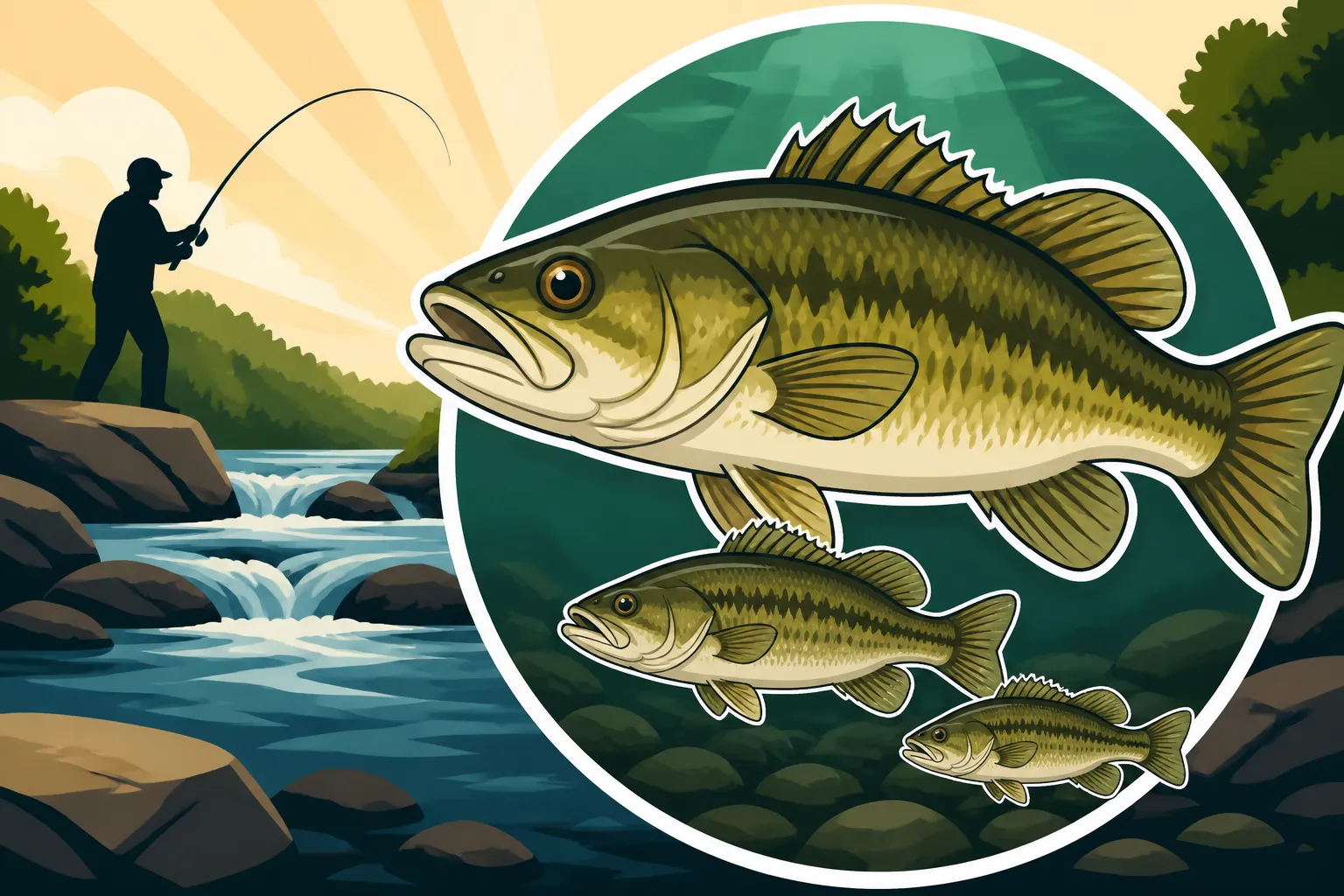
Shoal Bass Size: What to Expect on the Flint River
If you've ever dreamt of battling a powerful, feisty fish in the pristine waters of a Georgia river, chances are you've imagined the shoal bass. These incredible fish offer an exhilarating challenge, but many anglers wonder about their size, especially when heading to the legendary Flint River. This comprehensive guide will dive deep into what you can realistically expect when it comes to shoal bass size, helping you understand their growth, habitat, and the regulations designed to protect them.
Understanding Shoal Bass and Their Unique Habitat
The shoal bass isn't just any bass; it's a true Georgia native, specially adapted to thrive in the swift, rocky currents of our clear-flowing rivers. When you're out on the water, particularly on a river like the Flint, knowing what makes these fish tick is key to finding and appreciating their unique size characteristics.
What Makes Shoal Bass Different?
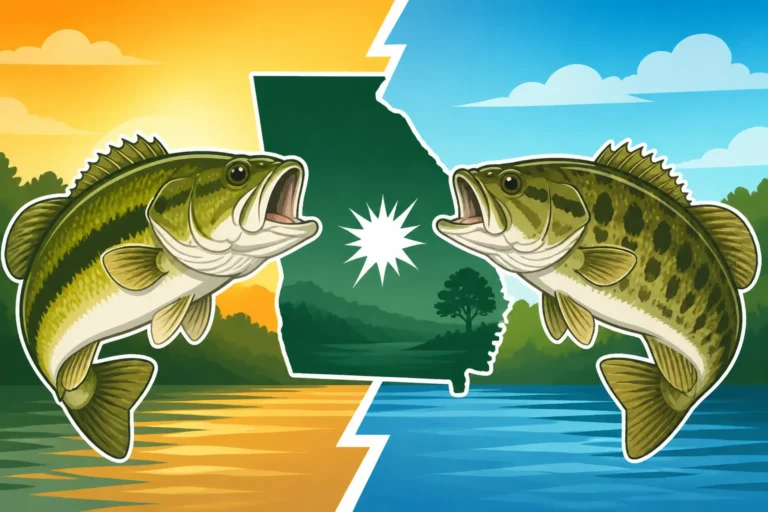
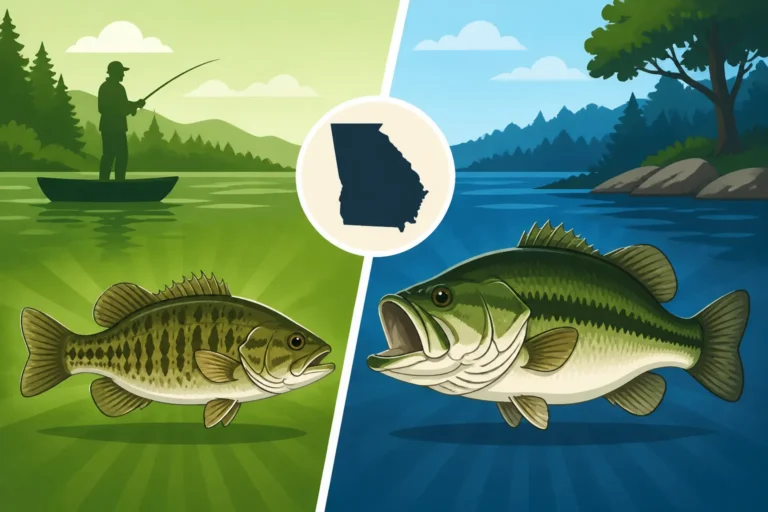
Think of a shoal bass, and you should picture a lean, muscular fighter. Unlike their largemouth cousins, which prefer slower, weed-filled waters, shoal bass are built for speed and power in moving water. They typically have a more torpedo-shaped body, which allows them to cut through strong currents, and often display a beautiful mosaic of dark lateral blotches that can sometimes look like vertical bars. Their coloring can vary from olive green to bronze, often with a striking golden sheen, allowing them to blend seamlessly with the rocky river bottom. Identifying them correctly is crucial, not just for bragging rights, but also for adhering to specific regulations that apply to this unique species. How to Identify a Shoal Bass is a great resource if you're ever unsure.
Beyond their appearance, their behavior sets them apart. Shoal bass are aggressive predators, perfectly at home ambush hunting around rocky shoals, fallen timber, and current breaks. They're opportunistic feeders, munching on crayfish, hellgrammites, and smaller fish. This diet and lifestyle contribute to their robust, hard-fighting nature, making every catch an memorable experience. You'll rarely find a lazy shoal bass; they are constantly working, constantly moving, and that energy translates directly into their impressive fighting capabilities, regardless of their exact size.
Why the Flint River is Prime Shoal Bass Territory
The Flint River is practically synonymous with shoal bass fishing in Georgia, and for good reason. This river system provides the ideal environment for these specialized fish to not only survive but truly flourish. Its diverse structure, characterized by long stretches of swift current, exposed rock shoals, deep pools, and gravel bars, creates a perfect mosaic of habitats where shoal bass can feed, spawn, and find refuge. The river’s natural flow and relatively clear water, especially in its upper and middle sections, are exactly what shoal bass prefer.
The Flint River's unique geology and hydrology offer countless ambush points and foraging opportunities. Imagine a massive, natural obstacle course where the current rushes over ancient bedrock, creating eddies and slack water pockets that are irresistible to these river dwellers. This intricate environment fosters a healthy ecosystem with an abundance of prey, from scuttling crayfish under rocks to schools of minnows hiding in submerged vegetation. It's not just a river; it's a living, breathing laboratory for shoal bass, allowing them to reach sizes that might surprise those accustomed to lake-dwelling bass. A thorough Flint River Shoal Bass Fishing Guide can really help you understand the nuances of this incredible fishery.
Shoal Bass Size Expectations on the Flint River
When you're targeting shoal bass on the Flint River, knowing what size to realistically expect can help manage your expectations and celebrate every catch, whether it's a feisty youngster or a true river monster.
Average Sizes and What Constitutes a "Good" Catch
Most of the shoal bass you'll encounter on the Flint River will likely fall into the 12 to 18-inch range. These are vibrant, healthy fish that put up an incredible fight for their size, often feeling much larger than they actually are due to the strong current they inhabit. A 14-inch shoal bass, lean and powerful, can feel like a 3-pound largemouth in a lake, bending your rod and peeling line off your reel with impressive runs. These are the bread-and-butter fish that make a day on the Flint so enjoyable and keep you coming back for more.
What constitutes a "good" catch really depends on your perspective, but most experienced shoal bass anglers consider anything over 18 inches to be a fantastic fish. When you start getting into the 20-inch range, you're talking about a truly exceptional specimen. These larger fish are typically older, wiser, and have navigated countless challenges in the river's dynamic environment. Catching one is a testament not only to your skill but also to the health and vitality of the Flint River ecosystem. Don't be discouraged if you're not pulling in giants every cast; the consistent action with those average-sized fighters is often just as rewarding.
Factors Influencing Shoal Bass Growth
Several factors play into how large a shoal bass can grow on the Flint River. Like all fish, genetics certainly play a role, but environmental conditions are incredibly impactful. A steady and abundant food supply is paramount. Rivers rich in crayfish, the shoal bass's primary forage, tend to produce larger, healthier fish. This is why the Flint River, with its clear waters that support robust crayfish populations, is such a renowned fishery.
Water temperature and flow also influence growth rates. Consistent, moderate water temperatures allow fish to feed and grow steadily throughout the year. Extreme floods or droughts can stress fish and impact their growth. Furthermore, the sheer amount of quality habitat available, with plenty of deep pools, current breaks, and rocky crevices for protection and feeding, directly correlates to a healthy, thriving population with the potential for larger individuals. A river with diverse structure simply provides more opportunities for fish to grow old and large.
The Thrill of a Trophy Shoal Bass
While the average catch provides plenty of excitement, the thought of a trophy shoal bass is what truly fuels the passion of many anglers. On the Flint River, a "trophy" shoal bass is generally considered to be anything pushing or exceeding 5 pounds, which typically translates to a length of 20 inches or more. These are truly rare, special fish that represent years of survival and growth in a challenging environment. The state record shoal bass itself is a magnificent fish, showcasing the incredible potential of this species.
Catching a trophy shoal bass is not just about its size; it's about the challenge. These are incredibly powerful fish, using the strong current to their advantage, making every run feel like a tug-of-war. They demand strong tackle, careful presentation, and often a good dose of luck. When you finally get one of these beauties to the boat, its broad shoulders and vibrant colors are a sight to behold. It’s an experience that stays with you, a highlight of any angling career, and a testament to the incredible fishery that is the Flint River.
Navigating Shoal Bass Size Regulations on the Flint River
Understanding and respecting fishing regulations is not just about avoiding penalties; it's about being a responsible steward of our natural resources. Shoal bass, being a unique and somewhat localized species, often have specific rules in place to ensure their populations remain healthy for generations to come. Shoal bass minimum length in Georgia is something every angler should familiarize themselves with.
Current Size Limits and Creel Limits
Georgia's wildlife resources division implements specific regulations for shoal bass, particularly in their native river systems like the Flint. These regulations often include both a minimum size limit and a daily creel limit. The minimum size limit is designed to allow younger fish to mature and reproduce at least once before they can be legally harvested, ensuring the sustainability of the population. For instance, there might be a rule that says you can't keep a shoal bass smaller than a certain length. It's always crucial to check the most up-to-date regulations before you head out, as they can change to adapt to the health of the fishery.
Creel limits, on the other hand, restrict the number of fish you can keep in a single day. This prevents overfishing and ensures that plenty of fish remain in the river to continue breeding and growing. Sometimes, you might even find specific exceptions for certain stretches of the river or particular seasons. For example, Is the shoal bass limit different on the Flint River? is a question often asked, and the answer can sometimes be yes, depending on conservation goals for specific river sections. Always carry a copy of the regulations, or have them easily accessible on your phone, to ensure you're compliant.
Why Regulations Matter for Shoal Bass Conservation
Regulations aren't put in place to make fishing harder; they're vital tools for conservation. Shoal bass, with their specific habitat requirements and somewhat restricted range, are particularly susceptible to environmental pressures. Overfishing, habitat degradation, and pollution can all take a toll on their populations. By implementing size and creel limits, wildlife agencies aim to balance recreational fishing opportunities with the long-term health of the species.
These rules ensure that enough fish survive to reproductive age, contributing to future generations of shoal bass. They also help maintain a healthy age structure within the population, which is crucial for ecological balance. A diverse population with fish of all ages is more resilient to environmental changes. As anglers, we have a responsibility to support these conservation efforts. Practicing proper catch and release, especially for larger, older fish that are significant breeders, goes hand-in-hand with adhering to regulations. Every fish we release contributes to the future of this incredible fishery. You might even find specific rules, like Shoal bass rules below Warwick Dam, that highlight particularly sensitive or productive areas requiring extra care.
Best Practices for Catching and Releasing Shoal Bass
So, you've hooked a beautiful shoal bass on the Flint River – fantastic! Now it's time to handle it with care, ensure you're compliant with regulations, and release it safely back into its watery home. This not only preserves the fishery but also respects the incredible fight these fish provide.
Measuring Your Catch Accurately
When dealing with size limits, accurate measurement is key. It's not just about a quick guess; it's about precision. The standard way to measure a fish in Georgia is from the tip of its nose to the tip of its tail (often with the tail squeezed together). This "total length" measurement should be taken carefully. A sturdy, non-stretchable measuring board or tape is essential. Don't rely on a flimsy tape measure or a mark on your paddle. Many anglers find specialized fish rulers, often made of durable plastic or aluminum, to be invaluable. You can find excellent options on Amazon that lay flat for easy, accurate measurements.
When measuring, try to keep the fish horizontal and calm. A wet hand or glove can protect its slime coat, which is vital for its health. If the fish is too active, a quick photo against your measuring device can sometimes work, but always prioritize the fish's safety and quick release over a perfect picture. A good quality digital scale, also available on Amazon, can help you get an accurate weight if you're chasing personal bests, but remember that length is usually the primary factor for regulation purposes.
Responsible Catch and Release for Future Generations
Practicing responsible catch and release is one of the most impactful things we can do as anglers to ensure the longevity of the shoal bass fishery on the Flint River. These fish fight hard, and that exertion can take a toll. Minimize handling time as much as possible. Have your camera ready, your measuring device handy, and your release plan in mind before you even bring the fish to the boat or bank.
Use barbless hooks or crimp down the barbs on your hooks. This makes removal much easier and less damaging to the fish's mouth. When handling the fish, support its body horizontally, avoiding vertical holds by the jaw that can damage its spine and internal organs, especially with larger fish. If you must hold it for a photo, keep it wet, be quick, and support its weight. After measurement and photo, gently place the fish back into the water, headfirst, and hold it until it swims away on its own power. Sometimes a gentle push forward or side-to-side motion can help water flow over its gills and revive it. Remember, these practices ensure that the next angler, or perhaps even you, can enjoy catching that same feisty shoal bass again. If you're looking for Best Bait and Lures for Shoal Bass Fishing, considering options that minimize harm to the fish upon release is a thoughtful approach.
Shoal Bass Size on the Flint River: A Quick Reference
To give you a clearer picture of what to expect, here's a table summarizing the general size categories for shoal bass on the Flint River. Remember, these are general guidelines, and individual fish can always surprise you!
| Size Category | Typical Length Range (Inches) | Typical Weight Range (Pounds) | Fight Intensity | Commonality |
|---|---|---|---|---|
| Fingerlings/Young | 4-10 | Less than 0.5 | Moderate | Very Common |
| Average Catch | 10-18 | 0.5 – 3 | Strong | Most Common |
| Good Catch | 18-20 | 3 – 5 | Very Strong | Less Common |
| Trophy Potential | 20+ | 5+ | Exhilarating | Rare |
This table provides a snapshot, but the true joy of fishing the Flint River for shoal bass lies in the anticipation and the fight, no matter the final measurement. Just make sure you understand the Shoal bass minimum length in Georgia to stay compliant!
Disclaimer
This article is for general informational purposes only and does not constitute professional advice. Laws, prices and regulations vary by location and change over time. Consult a qualified professional for guidance on your specific situation.