Shoal bass rules below Warwick Dam
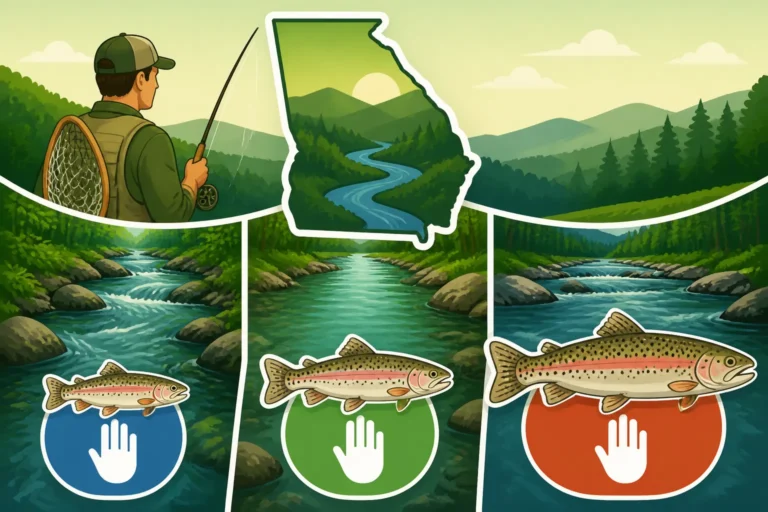
It can be incredibly frustrating to head out to a favorite fishing spot, only to second-guess whether you truly understand the specific regulations for that particular stretch of water. Georgia's fishing rules, especially for unique species like shoal bass, can vary from statewide guidelines, making it tough to stay compliant. This comprehensive guide is here to untangle the specific shoal bass regulations that apply to the Flint River downstream of Warwick Dam, ensuring you're fishing by the book and contributing to the health of this amazing fishery.
Understanding Shoal Bass and Their Unique Habitat Below Warwick Dam
Shoal bass are a true treasure of Georgia's rivers, offering a distinct fishing experience that sets them apart from their more common largemouth and spotted bass cousins. Their preference for specific habitats makes understanding their environment crucial, especially in a unique spot like the Flint River below Warwick Dam.
Why Shoal Bass Are Special in Georgia
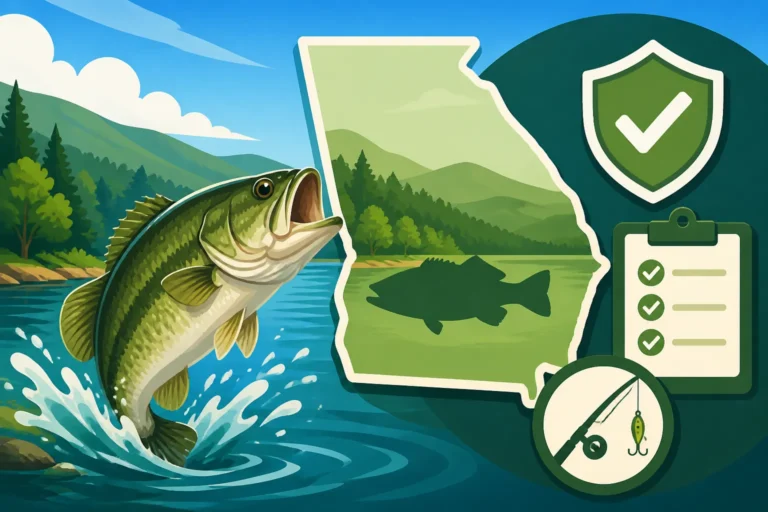
Shoal bass, often called "river bass," are a native black bass species found predominantly in certain river systems in Georgia, Florida, and Alabama. What makes them so special to us here in Georgia is their incredible fighting spirit and their habitat preferences. Unlike largemouth bass that love slow-moving, vegetated waters, shoal bass thrive in currents, around rocky shoals, and over gravel bottoms. They're powerful, streamlined fish that use the river's flow to their advantage, making for an exhilarating fight when hooked. Anglers often describe catching a shoal bass as feeling more akin to a smallmouth bass than a largemouth due to their acrobatic leaps and relentless tug-of-war. The Flint River is renowned for its incredible shoal bass fishery, a fact that makes preserving it even more important. Understanding Shoal Bass: Georgia's River-Specialist Black Bass is key to appreciating these magnificent fish.
The Specific Environment Below Warwick Dam
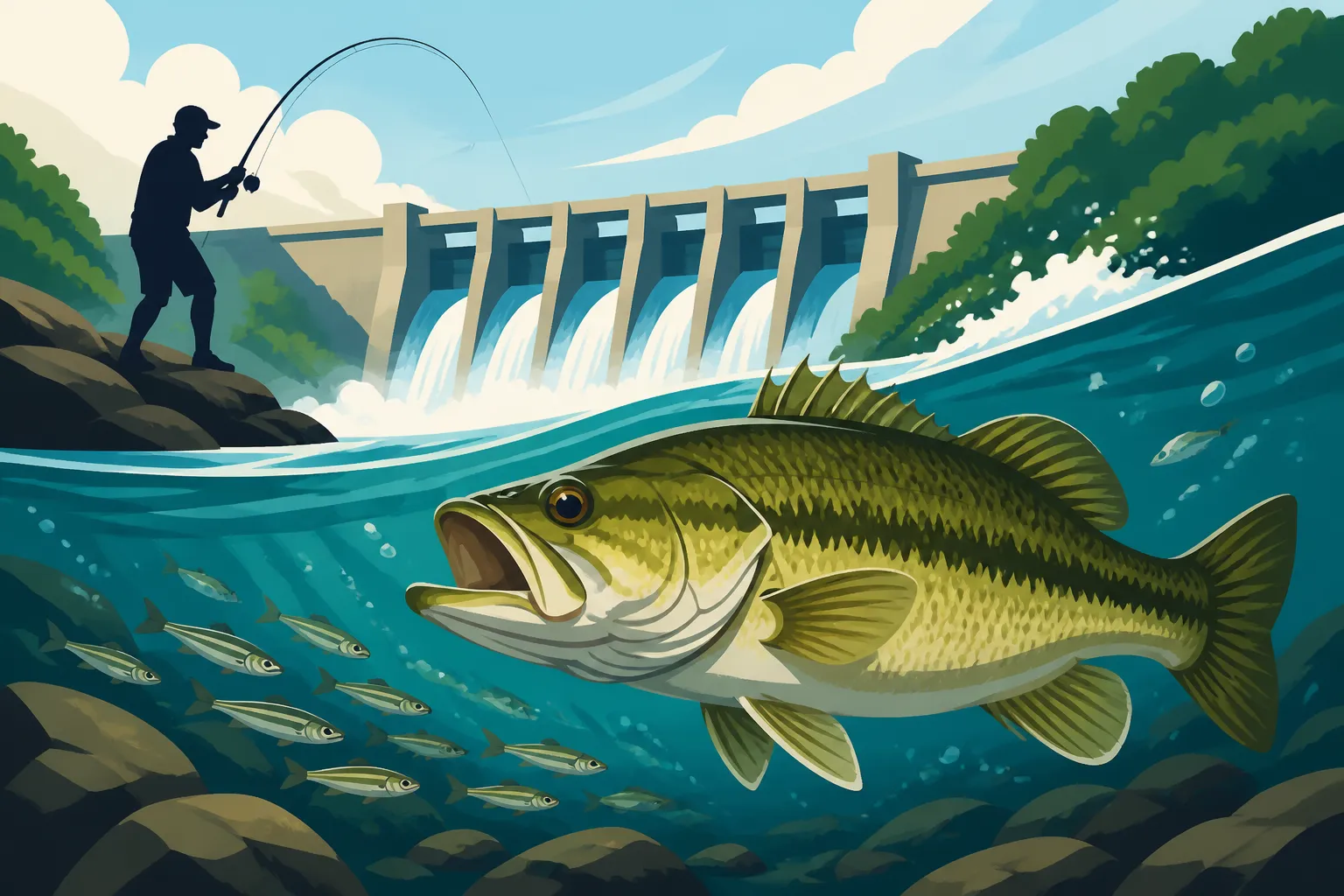
The stretch of the Flint River immediately downstream of Warwick Dam presents a prime habitat for shoal bass. Dams fundamentally alter river ecosystems, and below Warwick Dam, you'll find a dynamic environment. The water released from the dam creates consistent current, which is exactly what shoal bass love. This area often features deeper pools interspersed with rocky shoals and gravel runs, providing ideal ambush points for these predatory fish. The dam itself can act as a barrier, concentrating fish upstream or downstream, and creating unique flow patterns. This mix of current, structure, and depth creates a perfect feeding ground and refuge for shoal bass, making it a hotspot for anglers looking to target this specific species. It's a truly wild and scenic stretch, often feeling miles away from civilization, even if it's not.
Georgia's Statewide Shoal Bass Regulations vs. Local Exceptions
Navigating Georgia's fishing regulations can sometimes feel like trying to untangle a bird's nest of fishing line. While there are general rules that apply across the state, certain bodies of water, or even specific stretches of rivers, often have unique exceptions. For shoal bass, especially in critical areas like the Flint River below Warwick Dam, these specific rules are incredibly important for conservation.
General Shoal Bass Size and Creel Limits
First, let's talk about the broader picture. For black bass species generally, which includes largemouth, spotted, and shoal bass, Georgia often has a statewide minimum size limit of 12 inches and a daily creel limit of 10 fish in aggregate. This means you can keep up to 10 black bass total per day, as long as they meet the 12-inch minimum. However, and this is where it gets tricky, the Georgia Department of Natural Resources (GADNR) often implements special regulations for specific rivers or lakes to manage particular fisheries more effectively. These are designed to protect unique populations or allow certain fish to reach spawning size. Always remember to check Georgia Fishing Regulations Explained before you head out, as rules can change.
The Warwick Dam Exception: What Makes it Different
Now, let's get to the heart of the matter for our shoal bass enthusiasts. The Flint River, especially the productive waters below Warwick Dam, is recognized as a vital fishery that needs extra protection to ensure its long-term health. Because of this, the GADNR has established specific regulations that supersede the general statewide black bass limits for shoal bass in this area.
Specifically, for the Flint River and its tributaries, from Warwick Dam downstream to the Georgia-Florida line, there's a special regulation for shoal bass:
- Minimum Size Limit: 12 inches
- Daily Creel Limit: 5 shoal bass
This is a critical distinction! While the minimum size remains 12 inches, the daily creel limit is reduced to 5 shoal bass in this specific stretch of the Flint River. This reduction is a deliberate conservation effort. It's designed to reduce fishing pressure on shoal bass in these prime habitats, allowing more fish to survive, grow to larger sizes, and contribute to the spawning population. By limiting the number of fish an angler can keep, the GADNR aims to maintain a healthy and robust shoal bass population for future generations of anglers. It’s an example of Flint River Shoal Bass Size Limit Exception in action, proving how vital localized management is.
Here’s a quick comparison of the rules to make it crystal clear:
| Regulation Type | General Statewide Black Bass Limit (Aggregate) | Shoal Bass Limit Below Warwick Dam (Flint River) |
|---|---|---|
| Minimum Size Limit | 12 inches | 12 inches |
| Daily Creel Limit | 10 fish | 5 fish |
As you can see, while the minimum size is consistent, the creel limit is halved for shoal bass in the Warwick Dam stretch of the Flint River. This table clearly illustrates why knowing your exact location and the specific species you're targeting is non-negotiable.
Navigating the Regulations and Responsible Angling
Understanding the rules is one thing, but applying them correctly on the water and adopting responsible angling practices is what truly makes a difference. Fishing the Flint River below Warwick Dam for shoal bass isn't just about catching fish; it's about being a steward of a unique natural resource.
Practical Application of the Rules
When you're out on the Flint River below Warwick Dam, the 12-inch minimum and 5-fish creel limit for shoal bass should always be top of mind. This means every shoal bass you catch needs to be measured carefully. It's not uncommon for anglers to keep a small ruler or a measuring tape permanently attached to their kayak, boat, or tackle box. If a fish doesn't quite make that 12-inch mark, it needs to be released immediately and gently back into the water.
Imagine this scenario: you've had an incredible day, and you've already kept five legal-sized shoal bass. You then hook into another beautiful, chunky 15-inch shoal bass. According to the rules, even though it's well over the minimum size, you've already hit your daily creel limit of five. That magnificent fish must be released. It can be tough, especially when you're on a hot bite, but adhering to these limits is crucial for the sustainability of the fishery. Always prioritize healthy release practices for any fish you're not keeping. Knowing Shoal Bass Size: What to Expect on the Flint River can help you manage expectations.
Before every trip, especially when targeting specific areas with special regulations, I always recommend a quick check of the official Georgia Department of Natural Resources (GADNR) website. Regulations can be updated, and it's always better to be proactive than to find yourself in a sticky situation. You can even call their regional offices if you have any lingering doubts.
Essential Gear and Techniques for Shoal Bass Below Warwick Dam
Targeting shoal bass in a riverine environment like the Flint River below Warwick Dam requires a slightly different approach than lake fishing. These fish are powerful and reside in current, so your gear needs to match their tenacity.
For rods and reels, you'll want something with a good backbone to handle strong pulls and to quickly bring fish out of heavy current or cover. A medium-heavy to heavy action spinning or baitcasting rod, typically 6'6" to 7'6" long, paired with a reliable reel spooled with 12-17 lb fluorocarbon or braided line, is a good starting point. You can find excellent options for specific river fishing setups on Amazon, ensuring you have the right tools for the job.
When it comes to lures, shoal bass are aggressive and respond well to presentations that mimic their natural prey or trigger a reaction strike. Here are a few types that consistently produce results:
- Crankbaits: Medium-diving crankbaits that deflect off rocks and timber are excellent for covering water and provoking strikes in current. Look for natural baitfish patterns.
- Jigs: Both football jigs and swim jigs work wonders. Tip them with creature baits or crawfish imitations. Jigs are fantastic for probing deeper pools and the base of current breaks.
- Soft Plastics: Texas-rigged worms or creature baits, especially in darker colors, can be very effective when pitched into eddies or around submerged structure.
- Topwater Lures: During low light conditions, or when fish are particularly active, topwater poppers, walk-the-dog baits, and prop baits can lead to explosive strikes. There's nothing quite like a shoal bass blowing up on a topwater!
Remember that presentation is key in current. You often want to cast upstream and allow your lure to drift naturally with the current, retrieving it just fast enough to impart action. Vary your retrieve speed and pause often to mimic injured prey. When trying to decide what to tie on, consider Best Bait and Lures for Shoal Bass Fishing. If you're looking to explore this stunning river, remember to check out resources like the Flint River Fishing Guide, Georgia. Many anglers looking for quality, durable lures for river fishing start by browsing trusted brands available on Amazon. Furthermore, if you're venturing out in a smaller vessel, a sturdy Best Jon Boat for Georgia Rivers can be incredibly useful for navigating these waters, and you might find useful accessories like a good anchor on Amazon as well.
Staying Informed and Respecting the Resource
Fishing is more than just a hobby; it’s a connection to nature, and it comes with a responsibility to protect the very resources we enjoy. Understanding and abiding by the shoal bass regulations below Warwick Dam on the Flint River is a perfect example of this.
It's tempting to think that one or two extra fish won't make a difference, but consistent adherence to these limits by every angler collectively safeguards the future of this unique fishery. These regulations aren't just arbitrary rules; they are scientifically determined measures put in place by the GADNR to ensure that the populations of incredible fish like the shoal bass remain healthy and abundant for generations to come.
So, the next time you head out to the Flint River below Warwick Dam, cast your line with confidence, knowing you're fully aware of the specific 12-inch minimum and 5-fish daily creel limit for shoal bass. Enjoy the thrill of the fight, appreciate the beauty of this native Georgia fish, and always practice responsible angling. You'll not only be following the law, but you'll also be a true conservationist at heart.
Disclaimer
Please remember that fishing regulations, including size and creel limits, can change. Always consult the latest official regulations from the Georgia Department of Natural Resources (GADNR) before you go fishing. This article is intended for informational purposes only and should not be considered a substitute for current official regulations.