Where shoal bass rules differ from statewide limits in Georgia
It can be incredibly frustrating to head out for a peaceful day of fishing in Georgia, only to realize that the rules you know for largemouth bass might not apply to every species or every river. Specifically, when it comes to the feisty shoal bass, many anglers find themselves scratching their heads, wondering if the statewide limits they've memorized are actually valid. This comprehensive guide is here to untangle those confusing regulations and clearly explain where shoal bass rules differ from general statewide limits in Georgia, ensuring you're always fishing within the law.
Understanding Georgia's Statewide Bass Regulations
Before we dive into the specifics of shoal bass, let's lay the groundwork by understanding the general bass fishing regulations that apply across most of Georgia's freshwater systems. These are the rules that most anglers become familiar with when they start chasing those iconic bucketmouths.
General Largemouth and Spotted Bass Limits
For the vast majority of lakes, reservoirs, and rivers throughout Georgia, if you're targeting popular species like largemouth bass and spotted bass, the Georgia Department of Natural Resources (DNR) has established a common set of guidelines. The statewide daily creel limit for these two species combined is generally 10 fish. This means you can keep a total of ten largemouth and spotted bass per day, regardless of the mix. This regulation is designed to manage the overall harvest and maintain healthy populations across our diverse waterways, from the sprawling expanse of Lake Eufaula to smaller community ponds.
However, it's crucial to remember that while the creel limit is often consistent, size limits can sometimes vary. For instance, many of Georgia's premier fishing destinations, such as Lake Lanier or Lake Oconee, often implement a 14-inch minimum length limit for largemouth bass. These specific lake-by-lake regulations, which you can learn more about in our guide on Statewide Largemouth Bass Size Limits in Georgia, are put in place to protect juvenile fish and allow them to grow to a reproductive age, ultimately fostering a more robust fishery for everyone. Always double-check the signs at the boat ramp or consult the current Georgia fishing regulations for the specific body of water you plan to visit.
Why Species-Specific Rules Exist
You might wonder why certain fish, like the shoal bass, get special treatment when it comes to regulations. It's not just to make things complicated for anglers, I promise! The reason behind these species-specific rules is deeply rooted in ecological conservation and the unique biological characteristics of each fish. Different species have distinct habitats, growth rates, reproductive patterns, and vulnerability to fishing pressure.
For example, a species might be native to only a handful of rivers, making its population more susceptible to overfishing than a widespread species like the largemouth bass, which thrives in a vast array of environments. Implementing tailored regulations, such as different size or creel limits, allows wildlife managers to specifically protect these more vulnerable or unique populations. It's a way of ensuring that future generations can continue to enjoy fishing for these incredible creatures, preserving biodiversity and the natural heritage of Georgia's waterways. These rules are a vital part of the broader Georgia Fishing Regulations Explained effort to manage our precious natural resources responsibly.
The Unique World of Shoal Bass in Georgia
Now, let's talk about the star of the show: the magnificent shoal bass. This isn't your average largemouth, and their unique characteristics demand unique management.
Where Shoal Bass Thrive
Shoal bass are truly special residents of Georgia's river systems. Unlike their lake-loving cousins, these powerful fish prefer clear, flowing water with rocky bottoms, swift currents, and plenty of shoals (hence their name!). They are primarily native to the Apalachicola-Chattahoochee-Flint river basin, with the Flint River being perhaps their most famous stronghold. If you're looking to catch a true wild Georgia native, finding a pristine stretch of the Flint River where these fish thrive is an experience unlike any other. They are incredibly strong fighters, perfectly adapted to their challenging riverine environment, making them a prized catch for many anglers.
When you venture into these specific river habitats, you'll quickly notice the difference from typical lake fishing. The currents are stronger, the bottom is rockier, and the cover often consists of large boulders, downed trees, and natural ledges. These areas provide the perfect ambush points for shoal bass to feed on crayfish and baitfish swept downstream. Understanding these preferences is key to both finding them and appreciating why their conservation is so critical. For more on where to find these incredible fish, check out our Flint River Shoal Bass Fishing Guide.
Distinct Shoal Bass Size and Creel Limits
This is where the rubber meets the road and the regulations for shoal bass truly diverge from the statewide bass limits. While the general rule for largemouth and spotted bass might be a 10-fish creel limit, shoal bass often have much more restrictive rules, particularly on the Flint River. These specific regulations are designed to protect and enhance this native species, which doesn't proliferate as quickly or widely as other bass species.
For much of the Flint River and its tributaries, anglers often face a strict minimum size limit, commonly around 12 or 14 inches, and a reduced daily creel limit, sometimes as low as one or two fish per day. These limits are considerably tighter than the general bass regulations you might find on a large reservoir. The exact numbers can change, so consulting the current regulations for Shoal Bass Size Limit Rules, Georgia is always your best bet. These rules reflect the DNR's commitment to ensuring sustainable populations of this unique and ecologically significant fish.
The Flint River Exception
The Flint River is arguably the most important stronghold for shoal bass in Georgia, and as such, it's the prime example of where regulations specifically target this species. For extensive stretches of the Flint River, the rules for shoal bass are distinct and often stricter than anywhere else in the state. This isn't just an arbitrary decision; it's a carefully considered conservation strategy. The Flint River is a unique ecosystem, offering the perfect blend of habitat necessary for shoal bass to flourish naturally.
These special regulations on the Flint River often include a specific minimum length, frequently 12 or 14 inches, and a reduced creel limit, sometimes as low as one or two fish per day, which might even have its own slot limits depending on the specific section of the river. These are significant departures from the standard 10-fish statewide bass limit. This focus on protecting the shoal bass in its native habitat helps ensure the genetic integrity and overall health of the species. It’s a testament to the river’s importance as a premier destination for those seeking to catch this magnificent fish. When planning a trip to this river, always assume there will be specific rules for shoal bass and verify them with the latest Georgia fishing regulations.
Navigating Regulations for a Successful Trip
With differing rules for various bass species and locations, staying informed is key to a responsible and enjoyable fishing experience. Let's make sure you're always prepared.
Key Differences to Remember
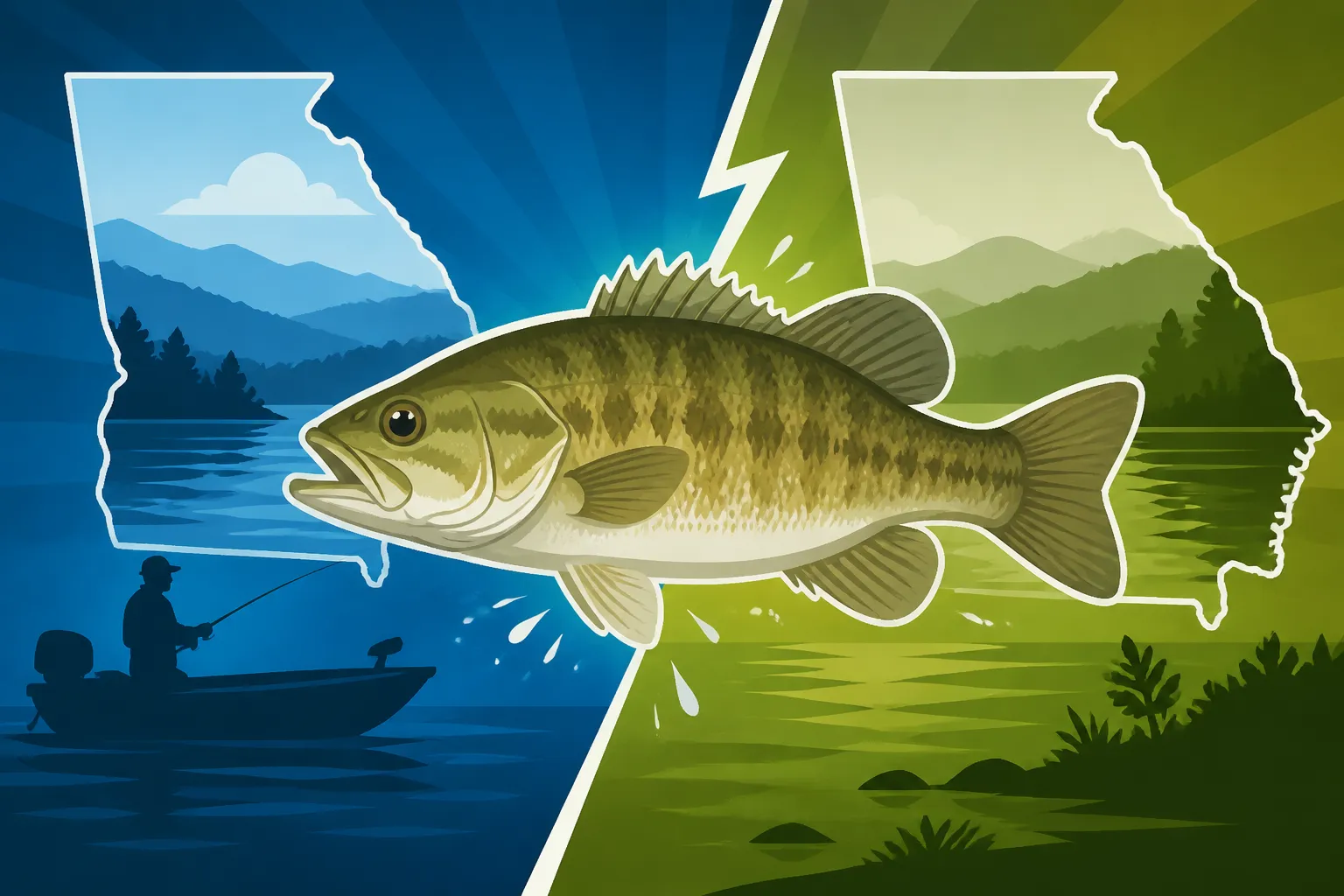
To help clarify the distinctions between general statewide bass limits and the specific rules for shoal bass, especially on the Flint River, here's a handy comparison table. This isn't exhaustive for every single body of water, but it provides a clear picture of the typical differences you'll encounter.
| Regulation Category | General Statewide Bass (Largemouth/Spotted) | Shoal Bass (Primarily Flint River) |
|---|---|---|
| Primary Habitat | Lakes, Reservoirs, Slower Rivers | Clear, Fast-Flowing, Rocky Rivers |
| Daily Creel Limit | 10 fish (in combination) | Often 1-2 fish |
| Minimum Size Limit | Often none, or 12-14 inches on specific lakes | Frequently 12-14 inches (or more) |
| Special Restrictions | Reservoir-specific limits apply | Specific river sections may have slot limits or catch-and-release only |
| Conservation Focus | General population management | Species-specific preservation |
This table underscores that while you might be accustomed to a generous creel limit for largemouth bass in many areas, targeting shoal bass, particularly on iconic waters like the Flint River, requires a much more conservative approach. Respecting these boundaries is crucial for the long-term health of this unique fishery.
How to Stay Informed and Compliant
The single most important piece of advice for any angler is to always check the most current regulations before you hit the water. Regulations can and do change, sometimes annually, sometimes mid-season if a critical conservation need arises. The official source for all Georgia fishing regulations is the Georgia Department of Natural Resources (DNR) Wildlife Resources Division. Their website is typically updated with the latest information, and they also publish an annual fishing regulations guide, which you can usually pick up at most tackle shops or download digitally.
Before your trip, a quick search on their website for "Georgia fishing regulations" will lead you to the most accurate and up-to-date information. If you're heading to a specific river, like the Flint, make sure you look up regulations specific to that waterway. Sometimes local bait and tackle shops near your fishing destination can also be invaluable resources, as they often have the latest local knowledge. Many anglers also like to keep a compact fishing guide in their tackle box, and you can often find excellent, detailed guides that cover species-specific regulations and local tips on platforms like Amazon. Having this information readily accessible ensures you're always compliant and helps you focus on the joy of fishing.
Gear Considerations for Shoal Bass
Fishing for shoal bass isn't just about different rules; it often calls for slightly different gear and tactics than you might use for lake bass. Because shoal bass live in moving water and are incredibly powerful for their size, your tackle needs to be robust enough to handle strong currents and hard-fighting fish. A medium-heavy spinning or casting rod, typically 6'6" to 7'6" in length, paired with a reel spooled with 10-15 lb fluorocarbon or braided line, is a good starting point. This setup provides the backbone needed to wrestle fish out of current and away from snags, yet still offers enough sensitivity for detecting subtle bites.
When it comes to lures, shoal bass have a particular fondness for presentations that mimic crayfish, their primary food source, or smaller baitfish. Jig-and-trailer combinations, small crankbaits that dive into the rocky bottom, and soft plastic tubes or creature baits fished on Texas or Carolina rigs are often highly effective. Topwater lures can also produce explosive strikes in the mornings and evenings. You can find a fantastic selection of these specialized lures and rods on Amazon, often with detailed reviews from other anglers who target similar river species. Adapting your gear to the unique demands of the shoal bass habitat will significantly increase your chances of success.
Conservation and the Future of Shoal Bass Fishing
The existence of specific, often stricter, regulations for shoal bass highlights a critical aspect of angling: conservation. Our actions today directly impact the fisheries of tomorrow.
The Importance of Protecting Native Species
Native species like the shoal bass play an invaluable role in the ecological balance of their unique habitats. They are a part of the natural heritage of Georgia, having evolved over millennia to thrive in specific river conditions. Protecting them goes beyond just ensuring there are fish to catch; it's about preserving biodiversity and the health of the entire river ecosystem. When we protect a native species, we're also protecting the intricate web of life that supports it – the water quality, the invertebrate populations, and the overall ecological integrity of the river.
Overfishing, habitat degradation, and the introduction of non-native species can all pose significant threats to these delicate populations. That's why the Georgia DNR invests considerable effort into studying and managing native species, including the shoal bass. By adhering to the specific regulations for shoal bass, anglers become active partners in these conservation efforts, contributing directly to the long-term health and survival of this magnificent fish. It's a shared responsibility that ensures the wild beauty and vibrant fisheries of Georgia remain for generations to come.
Catch and Release Practices
Given the often-strict creel limits and the conservation status of shoal bass, mastering proper catch and release techniques is more important than ever. Even if you're allowed to keep one or two fish, practicing selective harvest and releasing most of your catches, especially larger breeding-sized fish, helps maintain robust populations. When releasing a shoal bass, handle it gently with wet hands, supporting its body. Avoid touching its gills or eyes, and minimize its time out of the water.
If the fish has swallowed the hook deeply, it's often best to cut the line as close to the hook as possible rather than trying to rip it out, which can cause internal damage. A good pair of long-nosed pliers or dehooking tools can be invaluable, especially if you're fishing with treble hooks. Many responsible anglers choose to use single, barbless hooks for easier release. Watching a healthy shoal bass swim strongly back into the current is a deeply satisfying experience, knowing you've done your part to ensure others can enjoy the same thrill in the future. For general best practices that apply to many species, you might want to review tips on How to Catch and Release Trout Properly and adapt them for bass.
Disclaimer
The information provided in this guide is for general informational purposes only and does not constitute legal advice. Fishing regulations can change frequently. Always consult the most current official regulations published by the Georgia Department of Natural Resources (DNR) or other relevant authorities before engaging in any fishing activities. Compliance with all applicable laws and regulations is the sole responsibility of the angler.