What to Keep in a Boat Emergency Kit
There’s nothing quite like a peaceful day out on Georgia’s beautiful waters, whether you’re casting for bass on Lake Lanier or enjoying the calm of a coastal marsh. But let’s be real – even the most serene fishing trip can take an unexpected turn. A sudden storm, an engine hiccup, or a forgotten piece of gear can quickly change your mood from relaxed to stressed. That’s why having a well-stocked boat emergency kit isn't just a good idea; it's a non-negotiable part of responsible angling. This guide will walk you through exactly what you need to keep on board to ensure your safety and peace of mind on every outing.
Why a Boat Emergency Kit Isn't Just "Nice to Have" – It's Essential
I've seen it happen too many times: a beautiful day turns ugly, a small mechanical issue becomes a big problem, or someone simply slips and gets a nasty cut. In those moments, wishing you had something isn't going to help. Being prepared is about taking control of potential hazards and ensuring that you, your passengers, and your vessel can handle whatever unexpected challenges come your way. It’s not about paranoia; it’s about practicality and respect for the power of nature.
Understanding Georgia's Boating Safety Regulations
First off, let’s talk brass tacks: many items in an emergency kit aren’t just recommended; they’re often legally required by Georgia and federal boating regulations. The U.S. Coast Guard sets minimum safety equipment requirements for all recreational vessels, and Georgia's Department of Natural Resources (DNR) enforces these and adds its own specific rules. Failing to meet these requirements can lead to fines and a ruined day, but more importantly, it puts lives at risk. You absolutely need to know Georgia Life Jacket Laws for Boaters and Kids and understand What Safety Equipment Is Required on a Georgia Boat.
For instance, proper flotation devices are a must for everyone on board. If someone goes overboard unexpectedly, especially in cold water or if they're injured, having a readily accessible, Coast Guard-approved life jacket can be the difference between a scary moment and a tragedy. Similarly, visual distress signals, like flares, are required for certain types of vessels and waters, ensuring you can signal for help if you're stranded. Knowing these rules is the foundation of any good emergency kit, because many of its components are simply meeting legal obligations.
Common Scenarios Where a Kit Saves the Day
Think about these real-life situations. You’re miles offshore on the coast, or deep in a sprawling reservoir like Lake Hartwell, and your engine sputters and dies. Cell service is spotty, and nobody knows exactly where you are. What then? A marine radio, signal flares, and a reliable anchor become your best friends. Or perhaps you're cruising on the Chattahoochee River, and someone on board gets a hook stuck in their hand or suffers a severe allergic reaction. A comprehensive first aid kit is critical for immediate care until professional help can arrive.
Even smaller incidents, like a sudden downpour soaking all your gear or a fishing line getting hopelessly tangled in the prop, can be mitigated with the right items. A dry bag for electronics, a multi-tool for quick repairs, or even extra layers of clothing can turn a miserable situation into a manageable inconvenience. The value of an emergency kit isn't just for life-threatening events; it's for all those annoying, frustrating, and potentially dangerous hiccups that can happen on the water.
The Core Components: What Absolutely Needs to Be In There
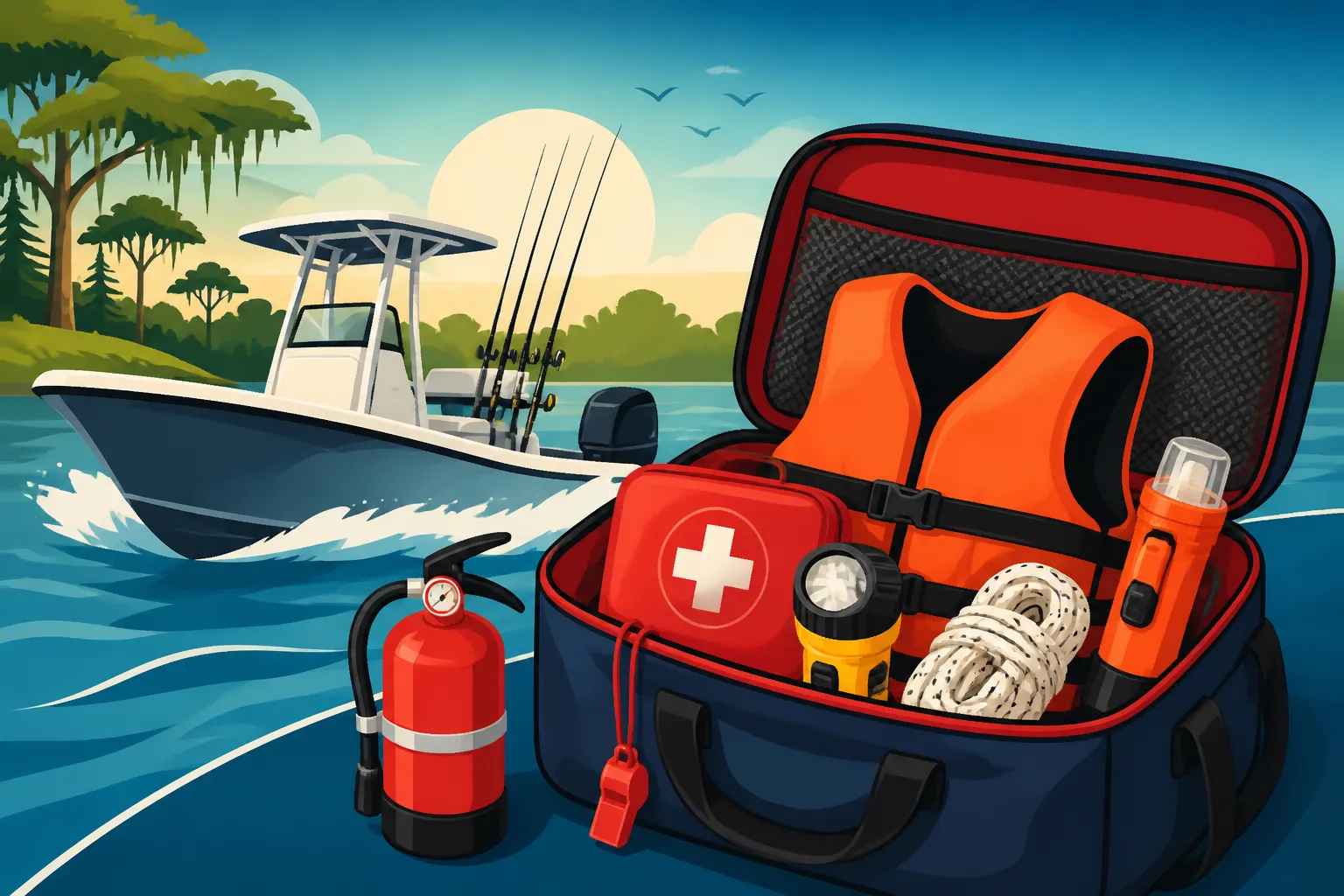
Building your boat emergency kit doesn't have to be overwhelming. Think of it in categories: communication, repair, and personal safety. Each category addresses different types of potential problems, and when combined, they form a robust safety net. You'll find many of these crucial items readily available at reputable outdoor retailers like Bass Pro Shops or conveniently online through retailers like Amazon.
Communication and Signaling Devices
In an emergency, the first thing you need to do is call for help. Your cell phone is a start, but it's not enough on its own, especially in remote areas or if it gets wet.
- VHF Marine Radio: This is your primary line of communication on the water. It allows you to hail other boats, communicate with marine patrol, and send distress calls. Get one that’s fixed-mount if you have power, or a handheld waterproof model as a backup. Make sure you know how to use it!
- Visual Distress Signals (Flares): Essential for signaling for help, especially at night or over long distances. Check the expiration dates regularly and keep them in a waterproof container. You might need both aerial and handheld flares.
- Whistle or Air Horn: For audible signals. A whistle is simple, effective, and doesn't run out of batteries. An air horn has greater range for alerting nearby vessels or shore.
- Mirror (Signaling): A small, reflective mirror can be surprisingly effective for signaling aircraft or distant boats during daylight hours by reflecting sunlight.
- EPIRB or PLB (Emergency Position Indicating Radio Beacon / Personal Locator Beacon): These devices send out a distress signal with your exact location to rescue authorities. An EPIRB is registered to your boat, a PLB to an individual. They are truly lifesaaving for serious emergencies, especially when offshore.
- Waterproof Cell Phone Case/Charger: While not a primary emergency device, a protected phone can be invaluable for non-urgent calls or checking weather updates if it still has service. A small portable power bank for charging can also extend its life.
Essential Tools and Repair Items
A lot of common boating problems can be fixed with a little ingenuity and the right tools. Don’t get stuck helpless when a loose bolt or a cut line is the culprit.
- Multi-tool or Basic Tool Kit: Pliers, screwdrivers, a knife – these are indispensable. From tightening a loose terminal to cutting a tangled line, a good multi-tool can save the day. A small adjustable wrench set is also a smart addition for engine issues.
- Duct Tape & Electrical Tape: The universal fix-alls! Duct tape can patch a small leak, secure a flapping cover, or even act as an impromptu bandage. Electrical tape is vital for securing wires or insulating connections.
- Zip Ties: Great for securing loose items, temporary repairs, or organizing gear.
- Extra Rope/Line: A good length of sturdy rope can be used for towing, mooring, making a temporary repair, or even as an emergency anchor line.
- Engine Spares (if applicable): Spark plugs, fuel filter, spare fuses, and a propeller nut wrench are smart to carry if you have an outboard engine. Know how to make basic repairs.
- Bailing Device: A bucket or a hand bilge pump is crucial if you start taking on water. Even a small leak can turn serious without a way to remove the water.
- Anchor with Adequate Rode (Rope/Chain): If your engine dies, you need to be able to hold your position, especially in current or wind. Ensure your anchor is appropriately sized for your boat and the waters you fish.
First Aid and Personal Safety Gear
This category is about protecting yourself and your crew from injuries and environmental hazards. A properly stocked first-aid kit is non-negotiable.
- Comprehensive First-Aid Kit: Don’t just grab a tiny kit from a convenience store. You need bandages, antiseptic wipes, pain relievers, anti-itch cream, burn cream, gauze, medical tape, scissors, tweezers, and gloves. Consider an additional kit specifically for snake bite treatment if you frequent river systems where water moccasins are common.
- Sunscreen and Insect Repellent: Dehydration, sunburn, and insect bites can ruin a trip and, in extreme cases, lead to more serious health issues.
- Emergency Blanket: A thermal blanket is small, lightweight, and can provide warmth for someone suffering from hypothermia or shock.
- Waterproof Flashlight/Headlamp with Extra Batteries: Essential for navigating, making repairs, or signaling after dark. A headlamp keeps your hands free.
- Personal Flotation Devices (PFDs): As mentioned, everyone on board needs a properly fitting, Coast Guard-approved life jacket. Make sure they are easily accessible.
- Knife: A sharp, easily accessible knife is essential for cutting lines, ropes, or even clothing in an emergency. A dedicated fishing knife or a sturdy pocket knife will do.
| Category | Essential Items | Why It's Crucial |
|---|---|---|
| Communication | VHF Marine Radio, Flares, Whistle/Air Horn, Signaling Mirror, EPIRB/PLB, Phone | Call for help, signal distress, get weather updates, stay in contact. |
| Tools & Repair | Multi-tool, Duct/Electrical Tape, Zip Ties, Rope, Engine Spares, Bailing Device, Anchor | Fix minor mechanical issues, secure items, prevent drifting, remove water. |
| First Aid & Safety | First-Aid Kit, Sunscreen, Insect Repellent, Emergency Blanket, Flashlight, PFDs, Knife | Address injuries, protect from elements, provide warmth, ensure flotation. |
| Navigation | Waterproof Charts, Compass, GPS Device | Stay on course, find your way back if electronics fail, avoid hazards. |
| Survival/Comfort | Water, Non-perishable Snacks, Rain Gear, Warm Layers, Dry Bag | Prevent dehydration/hunger, stay dry/warm, protect electronics from water damage. |
| Documentation | License, Registration, Insurance, Emergency Contacts | Legal compliance, proof of ownership, quick access to vital information. |
Beyond the Basics: Smart Additions for Georgia Anglers
While the core components cover most general emergencies, Georgia’s diverse fishing environments – from the high-country trout streams to the vast coastal estuaries – present unique challenges. Smart anglers tailor their kits to their specific adventures.
Weather Preparedness for Georgia's Unpredictable Conditions
Georgia weather can be famously unpredictable, especially during spring and summer. A clear morning can quickly turn into an afternoon thunderstorm with heavy rain, lightning, and strong winds. Being ready for these rapid changes is crucial for safety and comfort.
- Rain Gear: A good quality, waterproof rain suit (jacket and pants) will make a huge difference if you get caught in a downpour. Staying dry can prevent hypothermia, even in mild temperatures, and keeps you comfortable enough to focus on getting back to safety. It's not just about staying dry; it's about maintaining core body temperature.
- Warm Layers: Even on a hot day, if you get wet and the wind picks up, your core temperature can drop rapidly. Pack a dry change of clothes or at least some warm, non-cotton layers (fleece or wool are excellent) in a Best Dry Bag for Kayak Fishing Trips. These can be lifesavers if you unexpectedly end up in the water or just get soaked by a rogue wave.
- Weather Radio (Handheld): A dedicated weather radio provides crucial updates, especially if your cell signal is weak or your phone dies. It can alert you to severe weather warnings long before the storm is visible. NOAA weather radio broadcasts are a vital resource for boaters.
- Hat and Sunglasses: Sun protection is paramount on Georgia’s waters, preventing sunburn, glare, and long-term eye damage. These are easy to overlook but critical for comfort and safety during extended exposure.
Comfort and Convenience Items for Unexpected Delays
Sometimes, an emergency isn't life-threatening but simply means you'll be stranded longer than anticipated. Having some comfort items can make a huge difference in morale and overall well-being.
- Plenty of Water and Non-Perishable Snacks: Dehydration and hunger can set in quickly, affecting judgment and energy levels. Always carry more water than you think you'll need. Granola bars, nuts, and dried fruit are excellent non-perishable options.
- Trash Bags: Not just for garbage, these can also be used as emergency rain ponchos, to protect gear from water, or even as makeshift signaling flags. They're surprisingly versatile.
- Small Shovel or Entrenching Tool: If you ever find yourself grounded on a sandbar or stuck in mud, a small shovel can be invaluable for digging yourself out. This is especially true if you’re exploring shallower areas or fishing along riverbanks.
- Charger for Electronics: Beyond your phone, consider a power bank or even a small solar charger for other essential electronics like a handheld GPS or a fish finder if you rely heavily on them. For more insights on marine electronics, you might want to read about Best Electronics for Bass Boats.
Documentation and Important Information
In any incident, having immediate access to critical documents and information can streamline the process, whether it's dealing with emergency services or insurance claims.
- Boat Registration and Insurance Information: Keep physical copies in a waterproof bag. You might also want to read up on Georgia Boat Registration Requirements Explained. This ensures you can prove ownership and fulfill legal requirements if stopped by marine patrol or involved in an accident.
- Fishing License: Make sure your Georgia Fishing License Guide is current and accessible. You definitely don’t want a ticket adding to the stress of an emergency situation.
- Emergency Contact List: Don't rely solely on your phone. Have a laminated card with contact numbers for family, friends, and anyone else who should be notified in an emergency. Include information about any medical conditions or allergies for yourself or regular passengers.
- Map/Chart of the Area: Even with GPS, a waterproof paper map or chart can be invaluable if your electronics fail. Knowing the local waterways, depth contours, and potential hazards manually can guide you to safety. Consider Best Fish Finders for Georgia Reservoir Fishing for electronic navigation, but always have a backup.
Maintaining Your Kit: Readiness is Key
Having a boat emergency kit is only half the battle. A kit that’s tucked away, forgotten, or filled with expired items is almost as useless as no kit at all. Regular maintenance and smart storage are crucial for ensuring your kit is ready when you truly need it.
Storage Solutions to Keep Your Kit Dry and Accessible
The best gear in the world won’t help if it’s waterlogged or buried under a pile of tackle. Where and how you store your kit is vital.
- Waterproof Container: Invest in a sturdy, waterproof dry box or bag for your main emergency kit. This protects contents from spray, rain, and accidental submersion. Look for bright colors (like orange or yellow) to make it easy to spot. Some anglers prefer a floating container, which is an excellent idea if there's any risk of it going overboard.
- Designated, Accessible Location: Your kit should be stored in a consistent spot that’s easily reachable by anyone on board, even in a hurry or in rough conditions. Avoid stashing it in a remote locker that's difficult to open or might be blocked by other gear. Many boats have a dedicated compartment under the helm or a seat, making it quickly available.
- Individual Dry Bags for Sub-Kits: Within your main kit, consider organizing items into smaller, color-coded dry bags. For example, all first aid items in a red bag, communication gear in a blue one, and repair tools in a green. This prevents everything from getting jumbled and makes it faster to find what you need. This also helps if you need to quickly grab just a portion of your kit for a specific situation.
Regular Checks and Replenishments
An emergency kit isn't a "set it and forget it" item. It needs periodic attention to remain effective. Make it a routine, perhaps at the start of each fishing season or every few months, especially if you use components from it.
- Check Expiration Dates: Flares, certain medications in your first aid kit, and even some emergency food items have expiration dates. Replace them well before they expire. Nothing's worse than needing a flare and finding it's a decade old and useless.
- Test Batteries: Flashlights, handheld radios, and any other battery-powered devices need fresh batteries. Check them, and keep a spare set in a waterproof bag. Consider swapping them out annually, even if they seem fine, to ensure maximum reliability.
- Inspect Condition of Items: Look for rust on tools, cracks in waterproof containers, or damage to ropes and lines. Replace anything that shows signs of wear and tear. A frayed tow rope won't do you much good in a real emergency.
- Review Contents After Each Trip: If you used anything from the kit, restock it immediately. Don't wait until the next trip; you might forget. This includes simple things like band-aids or antiseptic wipes. You also need to keep an eye on your PFDs and know How Many Life Jackets Do You Need on a Boat in Georgia.
- Clean and Dry: After inspecting, ensure all items are clean and thoroughly dry before returning them to the kit to prevent mold, mildew, and corrosion.
Customizing Your Kit for Specific Trips
While a baseline kit is essential, the beauty of being a responsible angler is that you can adapt your kit to the specific nature of your trip. Are you heading for a quick afternoon trip on a familiar lake, or a multi-day excursion into a remote section of the Altamaha River?
- Coastal vs. Inland: If you're fishing saltwater along the Georgia coast, you might prioritize a more robust VHF radio, a more powerful anchor for stronger currents, and potentially specific marine repair items that differ from freshwater needs. On inland lakes, navigation tools for specific reservoir features might be more important.
- Duration of Trip: A quick two-hour outing requires less in terms of food, water, and extensive spares than a full-day or overnight trip. Adjust quantities accordingly, always erring on the side of having more.
- Number of Passengers: Your first aid kit should be scaled to the number of people on board. More people means more potential for injuries and more need for resources. Also, confirm everyone has a PFD.
- Type of Fishing: Fly fishing a remote trout stream like the Toccoa River might mean adding specific items for wading safety or a smaller, more portable kit. Bass fishing on a large reservoir like Lake Sinclair might call for extra tools for electric motors or specialized lures, so your general kit should still be onboard.
By regularly checking, maintaining, and intelligently customizing your boat emergency kit, you're not just buying peace of mind; you're actively investing in the safety of everyone on board and ensuring that your love for Georgia fishing can continue without unnecessary risks.
Disclaimer
This article is for general informational purposes only and does not constitute professional advice. Laws, prices and regulations vary by location and change over time. Consult a qualified professional for guidance on your specific situation.