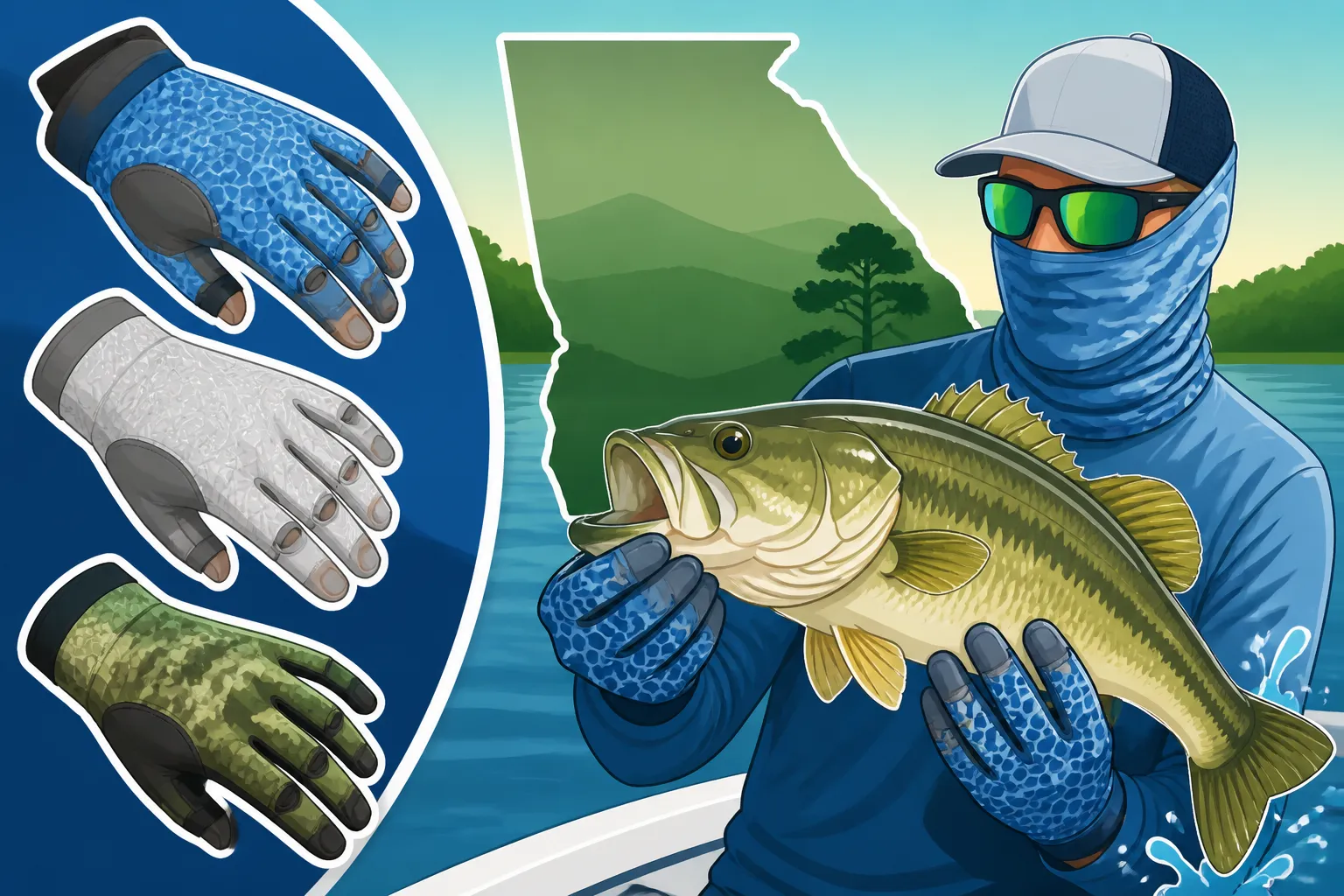
Best Gloves for Handling Fish on the Water
There's nothing quite like the thrill of feeling a strong tug on your line, the bend in your rod, and the surge of adrenaline as you reel in a hard-fighting fish. But let's be honest, that excitement can quickly turn to a wince when it comes time to actually handle your catch. From the razor-sharp gill plates of a feisty largemouth to the venomous spines of a catfish or the slippery, squirming body of a crappie, getting a good, safe grip can be a real challenge, leading to lost fish or, worse, painful injuries. This comprehensive guide will walk you through everything you need to know about choosing the best gloves for handling fish on the water, ensuring both your safety and a smoother release for your prized catches here in Georgia.
Why Fishing Gloves Are a Game Changer for Georgia Anglers
Fishing is an experience that engages all your senses – the smell of the lake, the sound of the reel, the feel of the bite. But when it comes to handling fish, a little protection goes a very long way. Investing in a good pair of fishing gloves isn't just about looking the part; it's about practical safety, better fish handling, and ultimately, a more enjoyable day on the water.
Protecting Your Hands from Teeth, Fins, and Spines
The waters of Georgia are home to an incredible variety of fish, and while they're all fantastic to catch, many come equipped with defenses that can make handling them tricky, if not downright dangerous. Think about the powerful jaws and rough gill plates of a big Largemouth Bass Fishing in Georgia: The Complete Species Guide, especially when they give that last powerful head shake right at the boat. Without protection, those gill plates can slice through skin like butter.
Then there are the catfish – channel, blue, and flathead – notorious for their sharp, serrated dorsal and pectoral spines. A quick jab from one of these can be incredibly painful, leaving you with a throbbing, aching hand that can spoil the rest of your trip. Even smaller panfish like crappie and bluegill have surprisingly sharp dorsal fins that can give you a nasty poke if you're not careful. Gloves provide that crucial barrier, allowing you to confidently grip fish without fear of punctures, cuts, or scrapes.
Improving Your Grip on Slippery Catches
Fish are, by nature, incredibly slippery creatures. Their protective slime coat, essential for their health, makes them notoriously difficult to hold onto, especially when they're flopping and fighting right at the boat or shore. How many times have you had a beautiful bass or a decent-sized striped bass slip from your grasp just as you were about to admire it, leading to frustration and sometimes even a tangled mess?
Gloves with textured palms, often made from rubberized or synthetic materials, dramatically improve your grip. This enhanced control isn't just about preventing lost fish; it's also vital for practicing responsible catch and release. A secure grip means you can handle the fish more gently and efficiently, minimizing the time it spends out of the water. This is particularly important for species like trout in our colder North Georgia streams, where quick, careful handling is key to their survival.
Guarding Against Sun, Cold, and Line Burns
Beyond the fish itself, the elements can take a toll on your hands. Out on Lake Lanier or Clarks Hill Lake on a bright summer day, your hands are constantly exposed to harmful UV rays. Sun protection gloves, often made with UPF-rated fabrics, are a smart way to prevent sunburn, skin damage, and even premature aging. Just like you slather on sunscreen, protecting your hands is a critical part of a safe day outdoors.
Conversely, when you're out fishing in the cooler months, perhaps pursuing Winter Fishing Patterns on Georgia's Reservoirs or Best Months to Fish Georgia's Mountain Streams for trout, cold hands can quickly become uncomfortable and reduce your dexterity. Some fishing gloves offer light insulation, keeping your hands warm enough to tie knots and handle gear without becoming bulky. Finally, consider line burns. A strong fish making a sudden run can cause braided or even monofilament line to slice into an unprotected finger, leaving a painful groove. Gloves, even thin ones, provide a protective layer against this common angler's woe.
Different Types of Fishing Gloves and What They're Best For
Just like you wouldn't use a bass rod for fly fishing, not all fishing gloves are created equal. Different types are designed for specific tasks and offer varying levels of protection and functionality. Understanding these differences will help you pick the perfect pair for your style of fishing here in Georgia.
Fillet and Cut-Resistant Gloves
These gloves are your best friend once the fishing is done and it's time to process your catch. If you enjoy taking home your limit of crappie from Lake Sinclair or a mess of catfish from the Ocmulgee River, you know that cleaning fish can be a slippery and knife-intensive process. Fillet gloves, often made with high-performance materials like Kevlar or other synthetic blends, are specifically designed to resist cuts and punctures from sharp knives and fish bones.
They usually offer excellent grip, even when wet and slimy, allowing you to maintain control over your fish as you clean it. While they might be too bulky for actual fishing, they are an absolute essential for safety at the cleaning station or even when you're just prepping your catches for the cooler. Think of them as an extra layer of peace of mind when you're handling those sharp edges, ensuring you can enjoy your meal without any trips to the emergency room.
Grip and Handling Gloves
This category covers the general-purpose fishing gloves you'd wear while actively casting, reeling, and fighting fish. Their primary purpose is to provide a secure grip on slippery fish and protect your hands from minor scrapes, spines, and line burns. They come in various designs, from full-finger models that offer maximum protection to fingerless or convertible options that allow for better dexterity for tasks like tying knots or baiting hooks.
These gloves often feature textured rubberized or synthetic leather palms for superior grip, even when wet. They're fantastic for handling feisty bass, pike, or even those larger Georgia's Top Striped Bass Fishing Spots that might require a firmer hold. Many anglers prefer fingerless versions for their ability to maintain tactile feel, which is crucial for sensitive bites or intricate rigging. They strike a balance between protection and practicality, making them a go-to choice for most everyday fishing scenarios.
Sun Protection and All-Weather Gloves
For those long, sun-drenched days on the water, especially during Georgia's hot summers, sun protection gloves are invaluable. These are typically made from lightweight, breathable, and quick-drying fabrics with a high UPF (Ultraviolet Protection Factor) rating. They effectively block harmful UV rays, protecting your hands from sunburn and long-term skin damage, which is a real concern for any dedicated angler.
Beyond just sun protection, many of these gloves fall into an "all-weather" category. While they might not be heavily insulated for freezing temperatures, they can offer a bit of warmth on a cool spring morning or provide a wind barrier. Their quick-drying properties are also a huge plus, as wet hands can quickly get chilled or uncomfortable. Some designs even feature integrated cooling technologies to help regulate hand temperature, making them perfect for those scorching Georgia afternoons spent chasing Best Largemouth Bass Lakes in Georgia.
Key Features to Look For in Georgia Fishing Gloves
Choosing the right pair of fishing gloves isn't just about picking any old pair off the shelf. To truly get the most out of them, especially with the diverse fishing opportunities and varying weather conditions we experience in Georgia, you'll want to consider several key features.
Material and Durability
The material of your fishing gloves directly impacts their durability, comfort, and protective qualities. You'll often find gloves made from a combination of synthetic fabrics like neoprene, polyester, nylon, and synthetic leather, often with rubberized coatings on the palms.
- Neoprene: Excellent for insulation and water resistance, making it a good choice for colder weather or frequent submersion. However, it can be a bit bulky and less breathable in warmer conditions.
- Synthetic Leather/Suede: Offers good grip and abrasion resistance, often used on the palms and fingers for added durability and feel. These typically dry quicker than natural leather.
- Polyester/Nylon Blends: Common in sun protection gloves, these are lightweight, breathable, quick-drying, and often have a high UPF rating. They might not offer as much cut protection but excel in comfort and sun defense.
- Rubberized Coatings: Found on the palms of many handling gloves, these provide superior grip on wet, slimy surfaces. Look for durable, non-slip patterns that won't wear off quickly.
For Georgia anglers, a glove that offers a good balance of durability for handling fish and resisting wear from casting, combined with quick-drying properties, is usually ideal. You want something that can stand up to repeated exposure to water, fish slime, and the rigors of a full day of fishing.
Fit and Dexterity
A glove is only useful if it fits well and allows you to perform essential fishing tasks. There's nothing more frustrating than trying to tie a knot or adjust your reel with clumsy, ill-fitting gloves.
- Snug, Not Tight: The ideal fit is snug enough to prevent bunching and maintain feel, but not so tight that it restricts circulation or causes discomfort.
- Pre-Curved Fingers: Many quality gloves are designed with pre-curved fingers, mimicking the natural resting position of your hand. This reduces fatigue and makes gripping easier.
- Fingerless vs. Full-Finger: This is a personal preference. Full-finger gloves offer maximum protection against cuts, sun, and cold. Fingerless or convertible (mitten-style) gloves, however, provide superior dexterity for delicate tasks like tying a Basic Fishing Techniques Every Beginner Should Know knot, baiting a hook, or using a touchscreen on your fish finder. Many anglers keep both types on hand, switching as needed.
- Touchscreen Compatibility: With modern electronics becoming more prevalent on the water, gloves with touchscreen-compatible fingertips are a huge convenience, allowing you to use your phone or fish finder without removing your gloves.
Water Resistance and Quick Drying
Let's face it, fishing in Georgia means dealing with water – whether it's splashing from a fighting fish, a sudden rain shower, or simply dipping your hands into the lake. Your gloves need to handle this.
- Water Resistance: While fully waterproof gloves can be bulky, good fishing gloves should offer some level of water resistance to shed light rain or splashes. This prevents them from becoming waterlogged and heavy.
- Quick Drying: More important than being completely waterproof for many scenarios is the ability to dry quickly. Gloves that stay wet for too long can become uncomfortable, clammy, and even start to smell. Fast-drying materials help maintain comfort and hygiene throughout your trip, especially if you're hitting multiple spots like those around the Best Fishing Spots in Georgia.
Special Features for Specific Fishing Styles
Depending on the type of fishing you do most often, some specialized features can make a big difference.
- Reinforced Palms and Fingers: For anglers who do a lot of heavy casting, jigging, or trolling, extra reinforcement on the palms and fingers can prevent blisters and extend the life of the gloves. This is particularly useful when you're battling big Striped Bass and Hybrid Striped Bass in Georgia Waters that put immense pressure on your hands.
- Extended Cuffs: Gloves with longer cuffs offer additional sun protection for your wrists, a frequently exposed area that often gets overlooked. They can also help prevent water from running down into your sleeves.
- Pull Tabs: Small loops on the fingers or wrist make it much easier to pull off wet gloves, a surprisingly helpful feature when your hands are slippery.
- Ventilation: For hot, humid Georgia days, gloves with mesh panels or perforations can significantly improve breathability, keeping your hands cooler and preventing excessive sweating.
Here's a quick comparison of glove types to help you decide:
| Glove Type | Primary Use | Key Benefits | Best For Georgia Fishing Scenarios |
|---|---|---|---|
| Fillet/Cut-Resistant | Fish cleaning and processing | Protects from knives, bones; excellent grip | Post-fishing at the cleaning station, handling sharp edges. |
| Grip & Handling (Full) | General fishing, heavy fish handling | Max protection from spines/teeth, strong grip | Catching bass, catfish, pike, or when maximum hand protection is desired. |
| Grip & Handling (Fingerless) | General fishing, dexterity crucial | Good grip, allows knot tying, tactile feel | All-around fishing, when precision tasks are frequent (e.g., fly fishing trout in the Toccoa River Trout Fishing in Georgia). |
| Sun Protection | Warm weather, high sun exposure | Blocks UV rays, breathable, quick-drying | Long summer days on open lakes like Lake Oconee or Lake Lanier. |
| Insulated/Cold Weather | Cold weather fishing | Warmth, wind protection, decent grip | Winter fishing, early spring mornings, mountain trout fishing. |
Brands and Where to Find Your Perfect Pair
The market is flooded with fishing gear, and gloves are no exception. While many brands offer a variety of options, focusing on reputable names can give you a better starting point. The good news is that finding quality gloves for your Georgia fishing adventures is easier than ever.
Popular Fishing Glove Brands
When you start looking for fishing gloves, you'll notice some names pop up repeatedly, and for good reason. These brands have built a reputation for quality, innovation, and understanding the needs of anglers. While I can't name specific product lines or prices, I can tell you that places like Bass Pro Shops and even large online retailers like Amazon carry a huge selection from many of these popular manufacturers.
Many of these brands offer a full spectrum of gloves, from lightweight sun protection models perfect for a sweltering July day on the Flint River chasing shoal bass, to more robust handling gloves designed for the rigors of landing big blue catfish. They often incorporate advanced materials and ergonomic designs, ensuring that their gloves offer both protection and comfort. It's always a good idea to check out reviews from other anglers to see how different gloves perform in real-world fishing situations.
Shopping Tips for Georgia Anglers
Finding the right gloves is a bit like finding the right fishing rod – it needs to feel right in your hands.
- Try Them On (If Possible): If you can visit a physical store, try on several pairs. Flex your hands, pretend to hold a rod, and even try to tie a simple knot. This will give you a real sense of the fit and dexterity. Different brands and styles will fit differently.
- Consider Your Target Species: Are you mostly targeting bass and crappie? Then general grip and handling gloves will be perfect. If you're a dedicated catfish angler, you might prioritize gloves with extra puncture resistance. For trout fishing in smaller streams, dexterity for fly tying might be paramount, so fingerless gloves or a very thin, flexible full-finger option would be better.
- Think About the Season: A lightweight sun glove is useless in December, and heavily insulated gloves will make your hands sweat in July. Consider the primary season you'll be using them. Many anglers own a couple of different pairs for different conditions, just like they have different types of bait or lures for Choosing Lures by Season.
- Read Reviews: Online reviews can be incredibly helpful. Look for feedback on durability, grip in wet conditions, and how well they hold up over time. Pay attention to comments from anglers who fish in similar conditions to Georgia's diverse climate.
- Don't Forget About Storage: Keep your gloves clean and dry after each outing. Many are machine washable, which is a huge plus for getting rid of fish slime and odor. Proper care will extend their lifespan and keep them performing their best.
By keeping these tips in mind, you'll be well on your way to finding the perfect pair of fishing gloves that enhance your comfort, safety, and success on Georgia's beautiful waters. From the smallest bluegill to the largest bass, you'll be ready to handle whatever bites. Georgia Fishing License Guide
Disclaimer
This article is for general informational purposes only and does not constitute professional advice. Laws, prices and regulations vary by location and change over time. Consult a qualified professional for guidance on your specific situation.