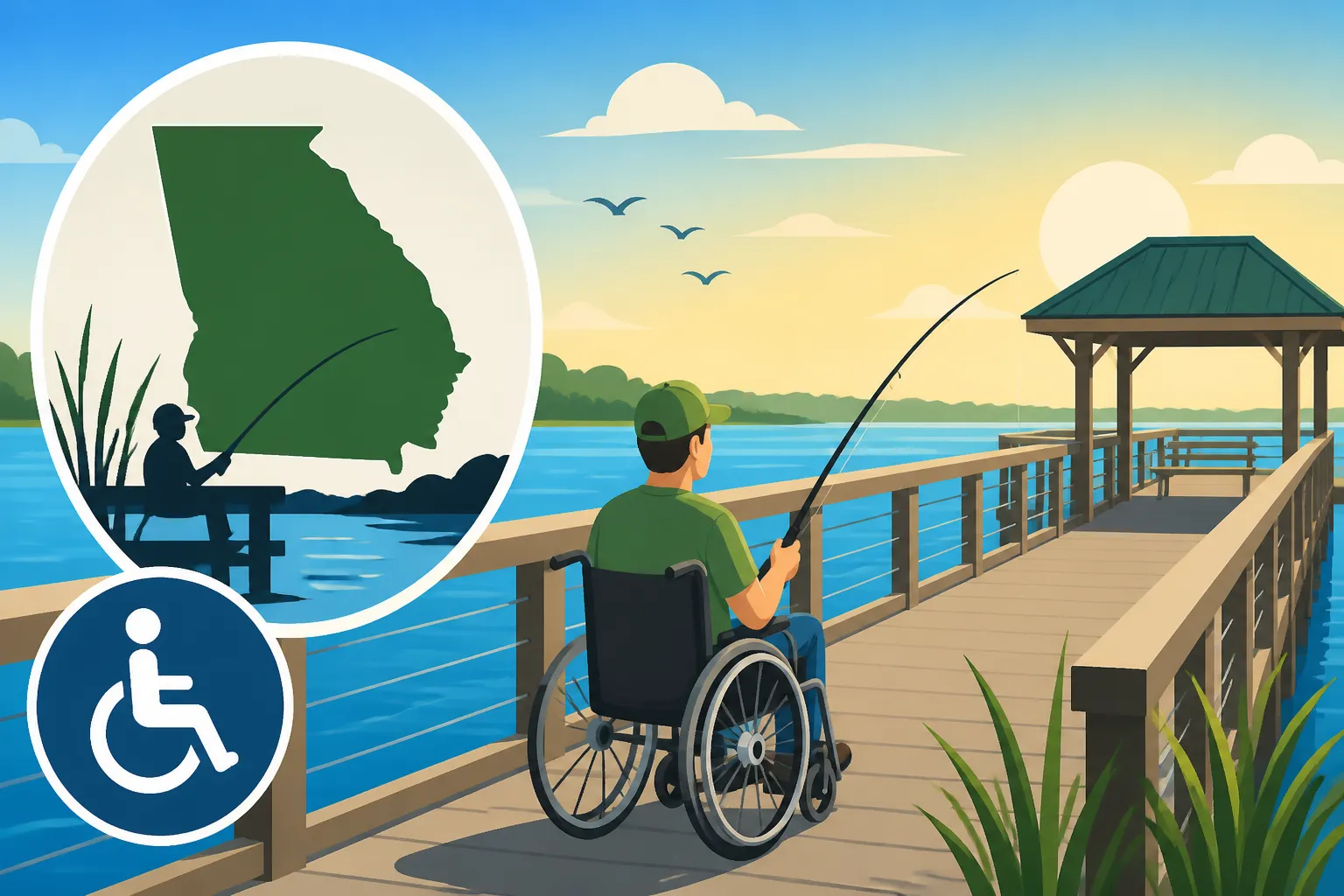
Best Handicap-Accessible Fishing Piers in Georgia
It’s incredibly frustrating when you want to get out and enjoy a peaceful day of fishing, but finding a spot that’s truly accessible feels like an uphill battle. Uneven terrain, steep banks, or piers without proper railings can turn a relaxing outing into a stressful ordeal. This guide is here to help you navigate Georgia's waters, highlighting the best handicap-accessible fishing piers so everyone can enjoy the joy of reeling in a catch.
Understanding What Makes a Fishing Pier Truly Accessible
When we talk about "accessible" fishing, it’s about so much more than just having a paved parking lot. True accessibility means that an individual with a mobility challenge, whether they use a wheelchair, scooter, walker, or just need stable support, can fully participate in the fishing experience with dignity and ease. It’s a thoughtful design that anticipates needs rather than merely meeting minimum requirements.
More Than Just a Ramp
A common misconception is that if a fishing pier has a ramp, it's automatically accessible. While a ramp is certainly a good start, it's only one piece of the puzzle. Imagine rolling onto a pier only to find that the railings are too high to fish over comfortably from a seated position, or the pier itself is narrow, making it difficult to turn around or pass another angler. These seemingly small details can make a huge difference in someone's ability to truly enjoy their time on the water.
A truly accessible pier considers the entire experience. This includes smooth, non-slip surfaces that are free of cracks or significant gaps, allowing for safe and comfortable travel. The slope of any ramps should be gentle, adhering to ADA guidelines, ensuring that manual wheelchairs can be propelled easily and power chairs won't struggle. It's about creating an environment where the focus remains on the fish, not on overcoming physical barriers.
Key Features of a Truly Accessible Pier
When you’re seeking out a fantastic accessible fishing spot, keep an eye out for these crucial features. They are the hallmarks of a pier designed with everyone in mind, transforming a basic structure into a welcoming haven for all anglers.
- Low Railings or Cutouts: This is perhaps the most critical feature for many anglers with mobility limitations. Traditional pier railings can be chest-high or higher when seated, making it impossible to cast, retrieve, or even see the water clearly. Accessible piers often feature sections with lower railings, or even strategic cutouts, sometimes with a solid knee wall, allowing a wheelchair user to roll right up and fish comfortably.
- Ample Space and Turning Radii: Piers should be wide enough to accommodate two wheelchairs passing each other without difficulty. End sections should have sufficient turning space, typically a 60-inch diameter clear space, so anglers can easily reposition themselves or turn around. This also prevents feelings of being hemmed in or trapped.
- Stable, Non-Slip Surface: The decking material is vital. Treated wood with wide gaps, gravel, or uneven asphalt can be treacherous. Look for piers with smooth concrete, composite decking, or tightly spaced, slip-resistant wood planks that provide a stable surface for wheels and feet, even when wet.
- Accessible Restrooms Nearby: The joy of fishing can be quickly diminished if accessible restroom facilities are not within reasonable proximity. True accessibility extends to the entire visitor experience, not just the fishing platform itself.
- Designated Accessible Parking: Clear, properly marked accessible parking spaces, with van-accessible aisles, should be available close to the pier entrance. This minimizes the distance and effort required to get from your vehicle to the fishing spot.
- Shade and Seating: While not strictly an ADA requirement, built-in seating (especially bench-style with backrests) and shaded areas can significantly enhance comfort, particularly during Georgia's warm summers. Some accessible piers might even have designated areas with picnic tables that are wheelchair-friendly.
Top Handicap-Accessible Fishing Piers in Georgia
Georgia is home to some fantastic fishing, and thankfully, more and more locations are recognizing the importance of providing accessible options. From the cool mountain streams to the vast central lakes and the brackish coastal estuaries, you can find spots designed for ease and enjoyment.
North Georgia Mountain Region
The North Georgia mountains offer some of the state's most picturesque fishing, particularly for trout. While the terrain can be challenging, several state parks have made an effort to ensure everyone can experience this beauty.
- Vogel State Park (Blairsville): Tucked away in the Chattahoochee National Forest, Vogel State Park is one of Georgia's oldest and most beloved state parks. It boasts an accessible fishing pier on Lake Trahlyta, a beautiful mountain lake known for its bass and bream. The pier typically features wide access and lower railings in key sections, offering stunning views of Blood Mountain. It’s a fantastic spot for a relaxing day, especially if you're looking for a peaceful mountain retreat. If you’re interested in trout fishing nearby, remember that specific regulations apply; a Mountain Trout License Add-On in Georgia is often required in designated trout waters.
- Unicoi State Park & Lodge (Helen): Just a stone's throw from the charming Bavarian-themed town of Helen, Unicoi State Park offers an accessible fishing pier on Unicoi Lake. This pier provides easy access to the lake’s abundant bass and bream. The park itself is committed to accessibility, and the pier reflects this with a gentle approach and features designed for comfortable fishing from a seated position. It’s a perfect spot to combine a fishing trip with a scenic mountain getaway.
- Don Carter State Park (Lake Lanier, Gainesville): While technically on the edge of the mountains, Don Carter State Park offers excellent accessible opportunities on the vast waters of Lake Lanier. This state-of-the-art park features a fantastic accessible fishing pier that extends into the lake, providing access to bass, crappie, and stripers. The pier is wide, has very low fishing access points, and connects to accessible restrooms and parking. It’s truly one of the best examples of accessible design in Georgia, making it a prime spot to explore Best Spots for Bass Fishing on Lake Lanier.
Central Georgia Lakes and Rivers
The heart of Georgia is dotted with massive reservoirs and winding rivers, offering diverse fishing opportunities. Many of these larger bodies of water also feature excellent accessible facilities.
- Marben Farm Public Fishing Area (PFA, Mansfield): Part of the Charlie Elliott Wildlife Center, Marben Farm PFA is renowned for its excellent fishing and outstanding accessibility. It features numerous accessible fishing piers on several of its ponds, meticulously maintained for ease of use. These piers are often wide, with low railings and even paved pathways leading directly to them from accessible parking. This PFA is a fantastic option for catching bass, crappie, and catfish, and it's a great example of Georgia State Park Fishing Spots that go above and beyond for accessibility.
- High Falls State Park (Jackson): Located on the Towaliga River, High Falls State Park offers an accessible fishing pier below the scenic waterfall. While the river fishing can be dynamic, the pier provides a stable and accessible platform for anglers. The park’s commitment to providing outdoor access makes this a worthy stop for those seeking both beauty and ease.
- Panola Mountain State Park (Stockbridge): Close to Atlanta, Panola Mountain State Park offers a serene natural escape with an accessible fishing pier on its lake. The pier is well-maintained and provides a peaceful setting for catching panfish and bass. It’s a testament to how natural spaces can be made welcoming for everyone, offering a quiet escape without venturing too far from the city.
Coastal Georgia Accessible Spots
Georgia’s coast offers a completely different fishing experience, with saltwater species and stunning marsh views. While some traditional piers might have older designs, there are still great accessible options.
- Tybee Island Pier and Pavilion (Tybee Island): This iconic pier stretches out into the Atlantic Ocean and is generally considered accessible. It’s wide and flat, making it easy to navigate. While the railing height might be standard in some areas, the sheer size and popularity mean there's usually enough room to find a comfortable spot. You'll often find anglers here targeting whiting, red drum, and flounder. It's an energetic spot, and don't forget that you'll need a Georgia Saltwater Fishing Permit Explained for coastal fishing, which is often free for residents but still required.
- St. Simons Island Pier (St. Simons Island): Another popular coastal destination, the St. Simons Island Pier is well-maintained and provides relatively good accessibility. It's a large, bustling pier where you can catch a variety of saltwater species. The flat, wide surface makes it manageable for mobility devices, and the lively atmosphere adds to the experience. For those looking for guided trips, services like FishingBooker can help you find accessible charters operating out of coastal towns like Brunswick or St. Simons if you prefer to fish from a boat.
Here’s a quick overview of some of these fantastic accessible spots:
| Location | Key Fish Species | Accessible Features | Notes |
|---|---|---|---|
| Vogel State Park | Bass, Bream | Accessible pier on Lake Trahlyta, low railings in sections, accessible parking/restrooms. | Beautiful mountain setting. Check for Georgia Fishing Regulations Explained before you go. |
| Unicoi State Park | Bass, Bream | Accessible pier on Unicoi Lake, gentle approach, accessible restrooms. | Close to Helen, great for a combined trip. |
| Don Carter State Park | Bass, Crappie, Stripers | State-of-the-art accessible pier on Lake Lanier, very low fishing access, paved paths. | Excellent example of modern accessible design. |
| Marben Farm PFA | Bass, Crappie, Catfish | Multiple wide, low-railing piers on various ponds, paved access paths, accessible restrooms. | Part of Charlie Elliott Wildlife Center, known for overall accessibility and great fishing. |
| Tybee Island Pier | Whiting, Red Drum, Flounder | Wide, flat pier surface, accessible parking/restrooms near entrance. | Popular ocean pier, can be busy. Georgia's Free Saltwater Fishing Permit is needed. |
| St. Simons Island Pier | Various Saltwater | Wide, well-maintained pier, accessible parking/restrooms nearby. | Lively coastal atmosphere, good for people-watching too. |
Planning Your Accessible Fishing Trip
A successful and enjoyable fishing trip, especially when accessibility is a factor, requires a bit of thoughtful planning. It’s not just about knowing where to go, but also what to bring and how to prepare for a smooth day on the water.
Essential Gear and Preparations
Bringing the right gear can make all the difference in comfort and success. For anglers with mobility challenges, this might mean a few specialized items or simply making smart choices about standard equipment.
- Comfortable Seating and Support: If you’re not in a wheelchair, consider a portable, stable fishing chair with a backrest. For wheelchair users, ensure your chair is properly maintained and comfortable for extended periods. A tray or attachment for holding bait, tools, and drinks can be incredibly useful.
- Adaptable Rod Holders: Hands-free fishing can be a game-changer. Look for rod holders that can clamp onto a pier railing or your chair, allowing you to rest your rod while waiting for a bite or when you need to adjust your setup. This is a great way to enjoy Basic Fishing Techniques Every Beginner Should Know without constant arm strain.
- Lightweight and Easy-to-Handle Tackle: Choose rods and reels that are easy to manage. Shorter rods (5-7 feet) can be less cumbersome on a pier, and spinning reels are generally user-friendly. Ensure your tackle box is organized and lightweight enough to be easily accessed or moved. For specific fish, understanding How to Choose the Right Bait and Lure for the Season is crucial, so pack accordingly.
- Sun and Weather Protection: Georgia weather can be unpredictable. Pack hats, sunglasses, sunscreen, and layers of clothing. A wide-brimmed hat is excellent for sun protection, and a lightweight rain jacket can save the day if an unexpected shower rolls through.
- Hydration and Snacks: Always bring plenty of water and easy-to-eat snacks. Staying hydrated is important for everyone, but especially when spending hours outdoors.
- First-Aid Kit: A basic first-aid kit with bandages, antiseptic wipes, pain relievers, and any personal medications is a must-have for any outing.
Checking Conditions and Resources
Before you head out, a little research can prevent disappointment. Conditions can change rapidly, and knowing what to expect will help ensure a pleasant experience.
- Call Ahead: Always call the park or PFA office beforehand. While websites usually list accessibility, talking to a ranger can provide real-time updates on conditions, construction, or temporary closures. They can confirm specific features like railing heights or restroom availability.
- Weather Check: Monitor the weather forecast closely. Wind, rain, and extreme temperatures can significantly impact comfort and safety, especially on an open pier.
- License and Permits: Double-check that your Georgia Fishing License Guide is current and that you have any necessary endorsements, such as a trout stamp for specific areas or the free saltwater information permit for coastal fishing. You can often purchase or renew licenses online, or check if Georgia License Agents Near You are available.
- Utilizing FishingBooker: If you're looking for an accessible boat-based fishing experience, platforms like FishingBooker can be invaluable. You can filter for charter captains who advertise accessible boats or are willing to accommodate specific needs. This might be a great option for exploring deeper waters or targeting species less accessible from a pier. A quick call to the captain to discuss your specific requirements is always recommended.
Tips for a Rewarding Accessible Fishing Experience
Fishing is a patient pursuit, and with a few thoughtful approaches, your accessible fishing experience can be incredibly rewarding. It’s about adapting, enjoying the moment, and connecting with the nature around you.
Adapting Techniques for Accessible Fishing
You don't need to reinvent the wheel, but a few adjustments to common fishing techniques can make a big difference when fishing from an accessible pier.
- Shorter Casts, Strategic Placement: Long, powerful casts aren't always necessary or even feasible from a seated position or with limited mobility. Focus on shorter, accurate casts near the pier pilings, drop-offs, or any visible structure. Often, fish congregate right under or near the pier itself. Many accessible piers are strategically placed in prime fishing areas, so fish are often closer than you think.
- Bottom Fishing and Bobber Fishing: These techniques are generally very effective and require less active casting and retrieving. For bottom fishing, a simple slip-sinker rig with bait (worms, corn, cut bait) is excellent for targeting catfish, bream, and even some bass. For panfish like bluegill, a small hook with a worm under a bobber is a classic and highly effective method, perfect for Bream and Bluegill Fishing for Beginners.
- Experiment with Live Bait: Live bait, such as minnows or worms, is often irresistible to fish and requires less skill in presentation than artificial lures. They do the "work" for you by attracting fish naturally.
- Bring a Fishing Buddy: Not only does a fishing companion offer great company, but they can also provide invaluable assistance with baiting hooks, netting fish, or untangling lines, making the experience more relaxing for everyone. This can be especially helpful if you’re fishing with younger anglers; remember to check Do Kids Need a Fishing License in Georgia? based on their age.
- Patience is Key: Fishing, regardless of ability, requires patience. Don't get discouraged if the bites aren't immediate. Enjoy the tranquility, the sounds of nature, and the company (or solitude). Sometimes the best part of fishing isn't even catching a fish, but simply being out there.
Embracing the Experience and Community
Fishing from an accessible pier isn't just about the act of fishing; it's about connecting with the outdoors and becoming part of a welcoming community.
- Observe and Learn: Pay attention to what other anglers on the pier are doing. What baits are they using? Where are they casting? Don't be shy about striking up a conversation and asking for tips – most anglers are happy to share their knowledge, especially on a friendly pier.
- Share Your Successes: When you do reel in a fish, take a moment to appreciate it! Capture a picture (if you plan to release), and share your excitement. There’s nothing quite like the thrill of a fish on the line, and it’s a feeling that should be accessible to everyone.
- Respect the Environment and Fellow Anglers: Always practice "leave no trace" principles, packing out everything you pack in. Be mindful of casting space, noise levels, and other anglers’ lines. A respectful environment ensures everyone has a pleasant day. Many of these piers are popular Shore Fishing Access Points in Georgia, so courtesy goes a long way.
- Consider a FishingBooker Guide for a Deeper Dive: If you're looking to really enhance your skills or target specific species, consider booking a trip with a guide through FishingBooker. Many guides are passionate about making fishing accessible to everyone and can offer personalized instruction and assistance. It’s a great way to learn new techniques and explore different waters with expert guidance.
Fishing is a timeless activity that brings peace, excitement, and a unique connection to nature. With the increasing number of truly accessible fishing piers across Georgia, these joys are becoming more widely available to everyone. So, pack your gear, plan your trip, and get ready to cast a line into some of Georgia's beautiful and welcoming waters!
Disclaimer
Please note that while this guide aims to provide accurate and up-to-date information, accessibility features and park regulations can change. Always confirm details directly with park management or the Georgia Department of Natural Resources (DNR) before planning your trip to ensure the most current information.