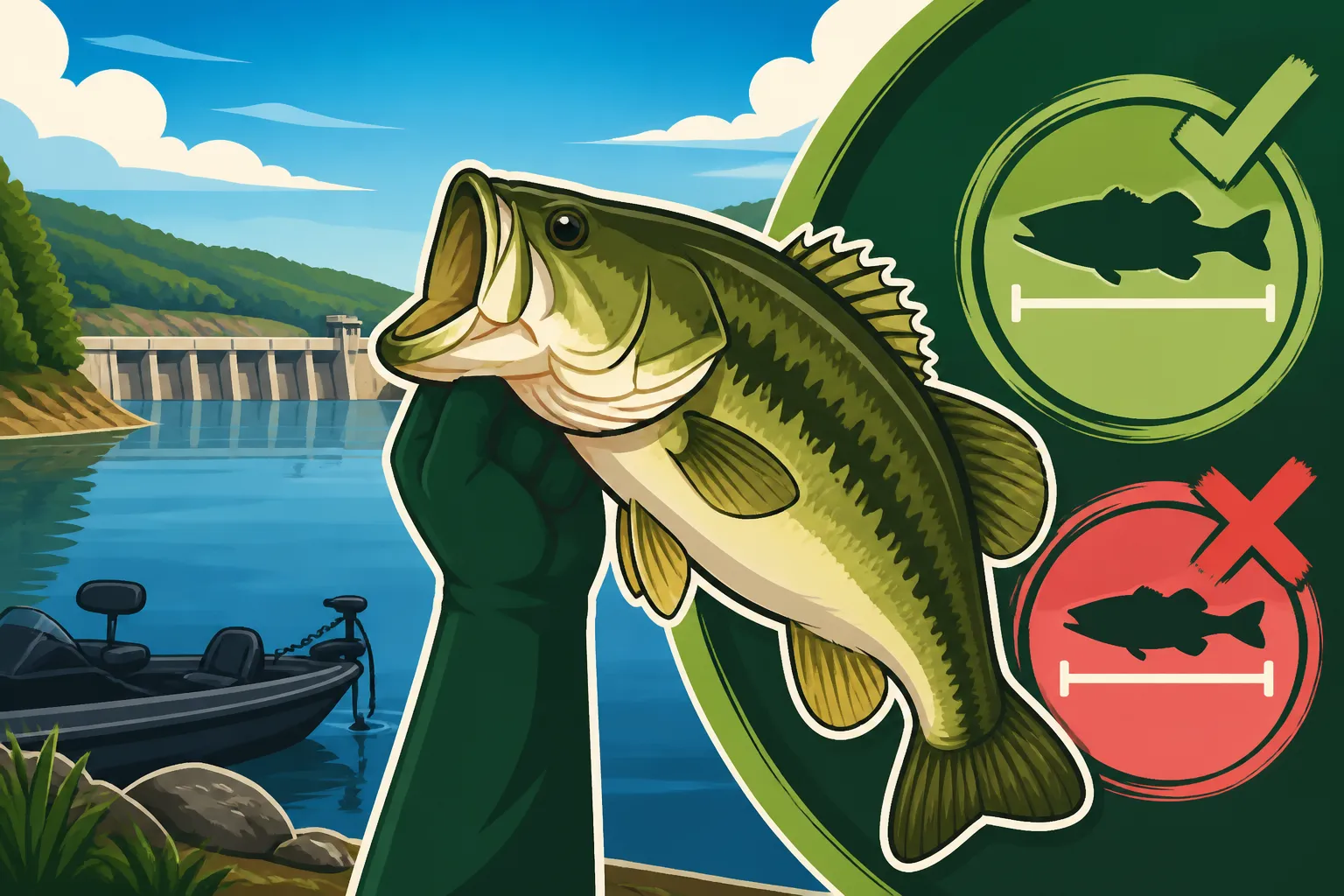
Walter F. George Reservoir bass size rules
It can be incredibly frustrating to head out for a relaxing day of fishing, only to worry if you're keeping legal fish. The rules and regulations for Georgia's many incredible fishing spots can feel like a maze, especially when a large, popular reservoir like Walter F. George has its own specific set of guidelines. This guide is here to untangle those rules, specifically focusing on the bass size limits at Walter F. George Reservoir, so you can fish with confidence and enjoy your time on the water.
Understanding the Bass Size Rules at Walter F. George Reservoir
Walter F. George Reservoir, affectionately known to many as Lake Eufaula, is a true gem straddling the Georgia-Alabama border. This impressive body of water is renowned for its incredible bass fishing, attracting anglers from all over. However, like many large reservoirs managed for optimal fish populations, it doesn't always follow the statewide general regulations. Knowing these specific rules is crucial for any angler hoping to keep a legal catch.
The primary goal of these specific regulations is to promote a healthy and sustainable bass population, ensuring that fish have a chance to grow to a mature size and spawn before they are harvested. Without these rules, the lake could quickly become overfished, leading to smaller, less numerous bass. It’s a conservation effort that directly benefits everyone who enjoys fishing this beautiful lake.
So, let's get down to the specifics. For largemouth bass and spotted bass in Walter F. George Reservoir, there's a specific size and creel limit that anglers must adhere to. This isn't just a suggestion; it's a hard-and-fast rule designed to protect the fishery.
The 14-Inch Minimum Length Limit
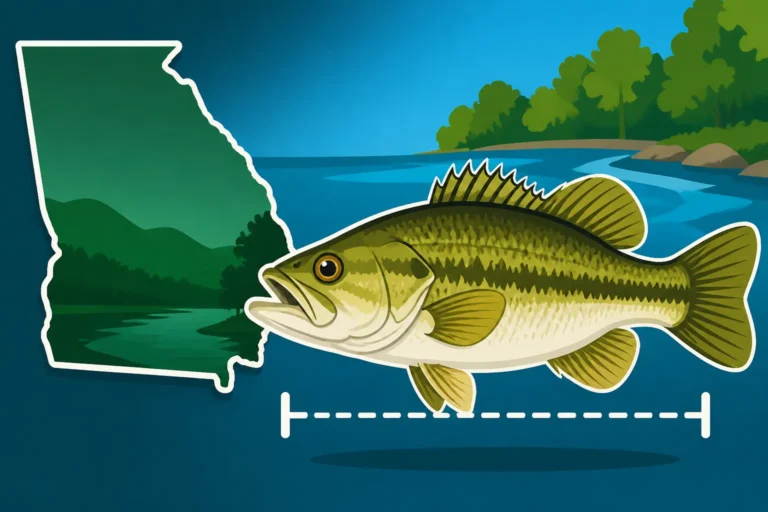
Unlike some general statewide regulations, Walter F. George Reservoir implements a 14-inch minimum length limit for both largemouth and spotted bass. This means any bass you catch that measures less than 14 inches from the tip of its snout to the tip of its tail (with the tail compressed) must be immediately returned to the water. This rule is designed to allow juvenile fish to grow into larger, more productive adults.
Imagine you're out on the lake, maybe around the Standing Boy Creek area or down near the dam, and you've got your favorite crankbait in the water. You feel that satisfying tug, reel it in, and it's a beautiful largemouth! Your heart races a bit, but before you think about putting it in the livewell, grab your measuring board. If that fish is, say, 12 inches long, it's a short one, and back into the water it goes. It might be a bummer in the moment, but you're contributing to the future of the fishery, which is a pretty great feeling when you think about it. For accurate measurement, many anglers find it helpful to have a reliable measuring board, often available on platforms like Amazon, attached to their boat or tackle box. This makes checking fish sizes quick and efficient.
The 10-Fish Combined Daily Creel Limit
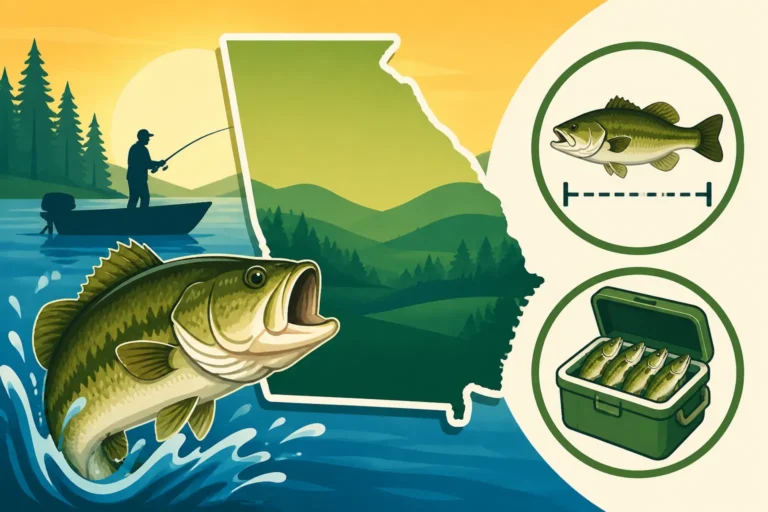
In addition to the length limit, there's also a daily creel limit for bass on Walter F. George. Anglers are permitted to keep a combined total of 10 largemouth and spotted bass per day. This means your total take of both species combined cannot exceed 10 fish in a single day. This limit is in place to prevent overharvesting, even of legal-sized fish, and ensures that plenty of breeding stock remains in the lake.
Let's say you're having an absolutely banner day, pulling in bass left and right. You've caught five 14-inch largemouths and five 15-inch spotted bass. That's ten legal fish, and that's your limit for the day. Any additional legal-sized bass you catch after that must be released. It's a good problem to have, right? But it's important to keep track. This combined limit emphasizes the interconnectedness of the bass populations and helps manage the overall ecosystem of the reservoir. For a broader understanding of how these limits fit into the bigger picture, you might find our guide on Georgia Fish Size and Creel Limits helpful.
Why Specific Lake Regulations Exist
It's common for anglers to wonder why different lakes have different rules. Why isn't there just one blanket rule for all bass fishing in Georgia? The truth is, every body of water is a unique ecosystem, and fishery managers employ targeted strategies to best manage each one. Walter F. George Reservoir is a prime example of a fishery that benefits from tailored regulations, considering its size, popularity, and unique environmental factors.
Understanding the "why" behind these rules can make compliance much easier and more intuitive. It’s not about making things complicated; it’s about making things effective for the long-term health of the fish and the fishing experience.
Managing for Optimal Fish Health and Growth
Fishery biologists closely monitor the health of fish populations in specific lakes. Factors like growth rates, reproduction success, food availability, and angling pressure all play a role. For a lake like Walter F. George, which experiences significant fishing pressure and has a reputation for producing quality bass, a 14-inch minimum length limit encourages fish to reach a more productive size before they are harvested.
Think of it like farming. You wouldn't harvest a crop before it's fully mature if you want the best yield. Similarly, letting bass grow past a certain size allows them to contribute more to the lake's genetics and overall biomass. This results in a higher likelihood of catching larger, healthier fish in the future. Our article on How the statewide bass limit compares to reservoir limits in Georgia goes into more detail about how these local rules differ from general state guidelines and why. These regulations are a living, breathing part of wildlife management, constantly being reviewed and adjusted to reflect the current state of the fishery.
Cross-State Border Lake Considerations
Walter F. George Reservoir's unique position as a border lake between Georgia and Alabama adds another layer of complexity. To ensure continuity and ease of access for anglers, both states typically work together to establish consistent regulations across the main body of the lake. This reciprocal agreement often extends to fishing licenses as well, meaning a valid license from either Georgia or Alabama is usually recognized on the shared waters of the reservoir.
This collaboration is vital for seamless fishing. Imagine the confusion if you had to remember one set of rules on the Georgia side of the lake and another on the Alabama side! It would be a headache for everyone involved. While the licensing aspect is generally reciprocal, anglers should always double-check the latest regulations from both the Georgia Department of Natural Resources (DNR) and the Alabama Department of Conservation and Natural Resources to ensure full compliance. This shared management helps maintain consistency for anglers who might be fishing both sides of the state line, perhaps using a Georgia-purchased license, but are still expected to follow the lake's specific size and creel limits.
Practical Tips for Angling on Walter F. George Reservoir
Fishing on Walter F. George Reservoir can be incredibly rewarding, especially when you're confident in the rules. Beyond just knowing the bass size limits, a few practical tips can make your trip even more successful and ensure you stay on the right side of the regulations. From proper measurement to understanding potential penalties, being prepared is key.
Remember, the goal is to enjoy the process, reel in some great fish, and do your part to conserve this fantastic resource for years to come.
Proper Fish Measurement and Release Techniques
Measuring your catch accurately is paramount. Always use a reliable measuring device. Lay the fish flat on the board, with its mouth closed and resting against the bumper or end of the ruler. The measurement is taken to the tip of the tail, with the tail lobes gently squeezed together to achieve maximum length. If there's any doubt, it's always best to err on the side of caution and release the fish. A good, rigid measuring board is a wise investment, and many anglers prefer those made of durable plastic or aluminum for their longevity.
When releasing fish, especially those under the 14-inch minimum or any fish you decide not to keep after reaching your creel limit, handle them with care. Minimize air exposure, wet your hands before touching the fish to protect its slime coat, and use de-hooking tools if the hook is deep. Gently place the fish back in the water, allowing it to swim away on its own power. Sometimes, a fish might need a moment to regain its strength, so hold it upright in the water until it kicks off. This ensures a higher survival rate for released fish, contributing to the healthy population of bass in the reservoir.
Staying Updated and Avoiding Penalties
Fishing regulations, while generally stable, can sometimes change. It's an angler's responsibility to stay informed about the most current rules and regulations. The Georgia Department of Natural Resources (DNR) website is an excellent resource, as are official fishing guides published annually. You can even check with local bait and tackle shops around the reservoir, as they often have the most up-to-date information and understand local nuances.
Failing to adhere to the regulations can result in significant penalties, including fines and potential loss of fishing privileges. Nobody wants that, especially when you're just trying to enjoy a hobby. Ignorance of the law is generally not a valid defense. So, before each trip, particularly to a lake with specific rules like Walter F. George, take a few minutes to review the latest guidelines. You can even download a digital copy of the fishing regulations to your phone; just make sure you have a waterproof case for it, readily available on platforms like Amazon, for use on the water! To understand the broader implications of non-compliance, you might want to read about the Penalties for Fishing Without a License in Georgia, which often extend to other regulation violations as well.
Comparing Walter F. George Rules to Other Georgia Reservoirs
It's helpful to see how Walter F. George Reservoir's bass size rules stack up against other popular fishing destinations in Georgia. This comparison really highlights that these lake-specific regulations are not arbitrary but are carefully designed to suit the unique characteristics and management goals of each individual body of water.
Many of Georgia's major reservoirs, especially those with significant angling pressure and robust bass populations, have adopted special regulations to foster trophy potential and ensure sustainable fisheries. Understanding these differences can help you plan your trips effectively and adapt your expectations.
Reservoirs with a 14-Inch Bass Minimum
Walter F. George Reservoir isn't alone in having a 14-inch minimum length limit for bass. Many other prominent Georgia lakes share this regulation, indicating a common management strategy for high-value bass fisheries. This often includes lakes known for their excellent largemouth and spotted bass populations.
For instance, other large, popular reservoirs like Lake Lanier and West Point Lake also have a 14-inch minimum length limit for largemouth bass. This consistent approach across several major lakes helps to create larger, healthier bass fisheries by allowing younger fish to grow past their initial maturity. It's a proven method for enhancing the overall quality of bass fishing. If you're curious about other lakes, our comprehensive article on Which Georgia reservoirs have a 14-inch bass minimum? provides a detailed list and explanation. The table below illustrates some of these comparisons.
| Reservoir/Water Body | Species | Minimum Length Limit | Daily Creel Limit (Combined) | Notes |
|---|---|---|---|---|
| Walter F. George Reservoir | Largemouth/Spotted | 14 inches | 10 | Shared with Alabama; reciprocal license agreement |
| Lake Lanier | Largemouth/Spotted | 14 inches | 10 | Popular for spotted bass |
| West Point Lake | Largemouth/Spotted | 14 inches | 10 | Border lake with Alabama |
| Lake Oconee | Largemouth | 14 inches | 10 | Popular for hybrid striped bass too |
| Statewide General | Largemouth | 12 inches (often) | 10 | Varies by specific water body |
Unique Slot Limits and Other Exceptions
While the 14-inch minimum is common, some Georgia lakes have even more specific or unique regulations, such as slot limits. A slot limit allows anglers to keep fish below a certain size and above another, but fish within a "slot" (e.g., 15-22 inches) must be released. These types of regulations are often implemented in specific fisheries to protect a certain size class of fish, usually the larger, more productive spawners, while still allowing for harvest of smaller fish.
An excellent example of this is Lake Lindsay Grace, which famously employs a slot limit to manage its bass population. This highlights just how varied and specific these regulations can get, emphasizing the importance of checking the rules for each specific water body you plan to fish. These highly customized rules are a testament to the dedicated efforts of Georgia's fisheries biologists to create world-class fishing opportunities. Always remember to check Georgia Fishing Regulations Explained for the most up-to-date and specific information before you head out, because an unexpected rule could definitely catch you off guard.
Disclaimer
Please remember that fishing regulations can change. While every effort has been made to provide accurate and up-to-date information, it is the angler's sole responsibility to consult the official Georgia Department of Natural Resources (DNR) website or their current fishing regulations guide before fishing. Always verify the most recent rules to ensure compliance.