West Point Lake Shore Fishing Access, Georgia
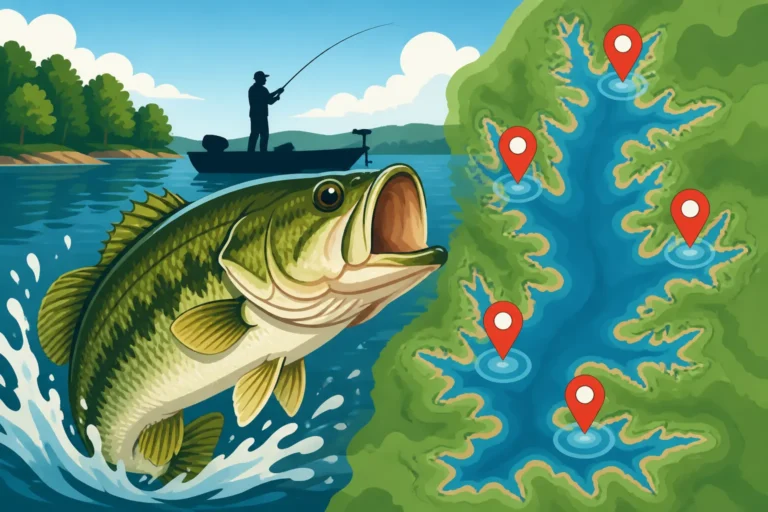
Finding quality shore fishing access on a massive reservoir like West Point Lake can feel like searching for a needle in a haystack. Many large lakes are dominated by private property or require a boat to reach the best spots, leaving bank anglers feeling left out. This comprehensive guide is designed to cut through that frustration, providing you with detailed insights into the accessible and productive shore fishing locations around West Point Lake, along with the best strategies to make your next trip a success.
Understanding West Point Lake's Shoreline for Anglers
West Point Lake, straddling the Georgia-Alabama border, is a sprawling Corps of Engineers impoundment of the Chattahoochee River, famous for its excellent bass and crappie fishing. While it boasts hundreds of miles of shoreline, not all of it is easily accessible to the angler without a boat. Understanding the nature of this particular shoreline is key to finding success from the bank.
The Challenge of Reservoir Shorelines
Unlike natural lakes or smaller ponds, large reservoirs like West Point are often characterized by fluctuating water levels due to dam operations. This means that what might be a perfect casting spot one week could be a muddy, exposed bank the next, or completely submerged. The steep banks and dense timber that characterize much of West Point's edges, especially in the upper reaches, can also make walking and casting from shore a real challenge. You'll often find yourself contending with thick brush, slippery clay, or deep drops close to the bank, which can be fantastic for fish but frustrating for the angler on foot. The sheer size of the lake also means that productive areas can be far apart, requiring some planning and often driving between different access points.
Prime Opportunities for Bank Anglers
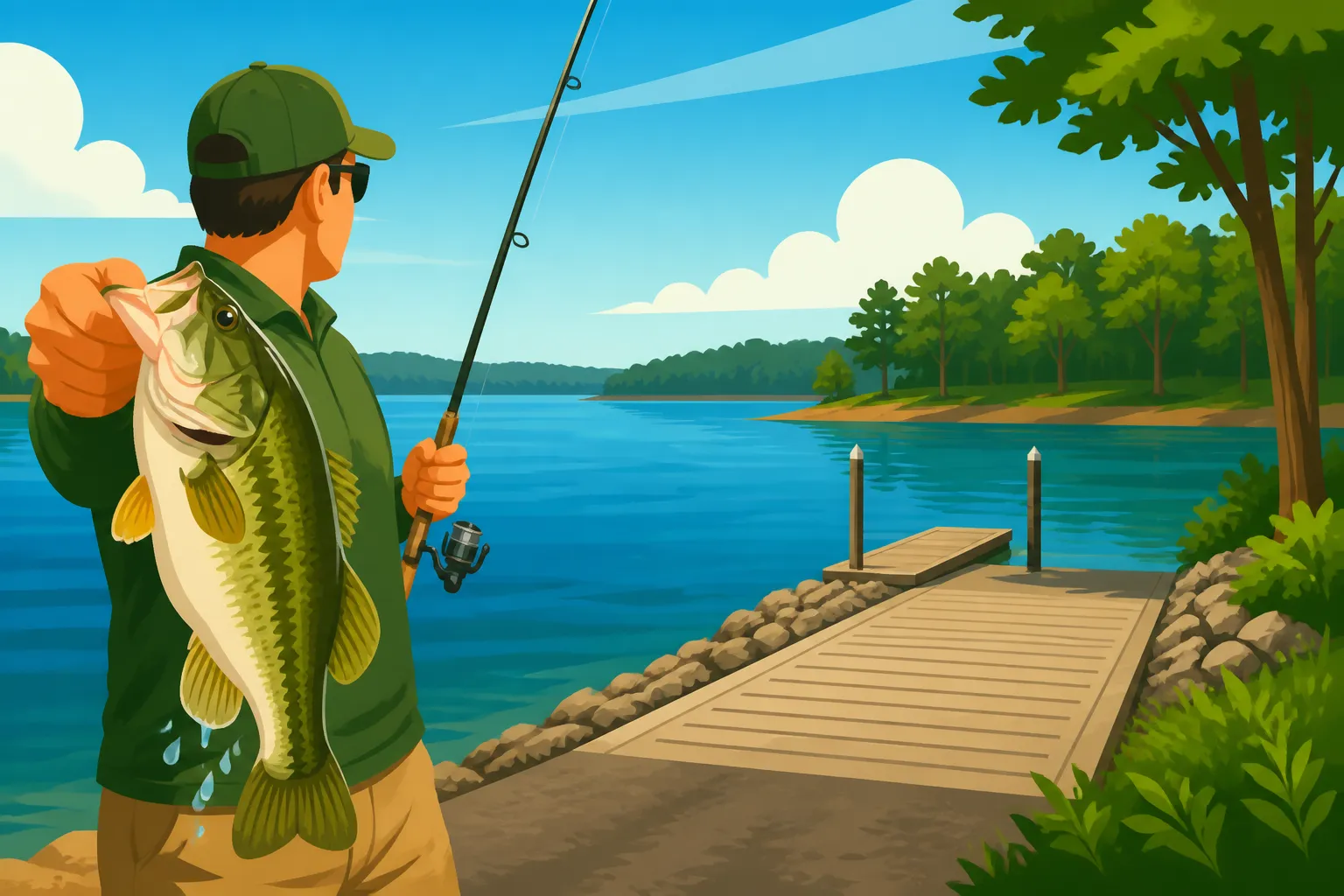
Despite these challenges, West Point Lake offers fantastic opportunities for those willing to explore its public access areas. The U.S. Army Corps of Engineers manages numerous parks, recreation areas, and public boat ramps that often include designated fishing piers, maintained bank access, and picnic areas perfect for a family fishing day. These spots are typically well-maintained and offer relatively easy access to the water's edge, sometimes even featuring paved paths or grassy banks. Many of these areas are specifically designed to accommodate recreational users, including anglers, and provide amenities like restrooms and parking. Furthermore, the numerous feeder creeks and coves around the lake offer more sheltered, stable conditions for shore fishing, especially when the main lake is windy or experiencing significant current. These calmer areas are often teeming with baitfish, attracting predatory species close to the bank, making them ideal targets for your casting efforts.
Key Public Shore Fishing Access Points on West Point Lake
When it comes to finding a spot to wet a line from the bank on West Point Lake, you've got several excellent options, primarily centered around the managed recreation areas. These spots offer a mix of amenities and varying fishing experiences, so it's worth checking a few out to see what suits your style.
Popular Parks and Recreation Areas
The U.S. Army Corps of Engineers maintains several fantastic parks and recreation areas around West Point Lake that are prime candidates for shore fishing. These are typically well-marked and have good signage.
- Whitesburg Bridge Recreation Area (Whitesburg, GA): Located on the northern end of the lake, this area offers diverse fishing opportunities. You'll find access along the old bridge pilings and the surrounding banks, which can be excellent for striped bass and catfish, especially during periods of current. There's also plenty of room to spread out.
- McIntosh Reserve Park (Whitesburg, GA): While primarily a historical and camping park, McIntosh Reserve offers good bank access along the Chattahoochee River arm of the lake. The riverine section can be very productive for bass and crappie, particularly in the spring and fall. The diverse habitat here, including some rocky areas and submerged timber, holds a variety of species.
- Hardley Creek Park (LaGrange, GA): This is a popular spot with excellent facilities, including a boat ramp, picnic areas, and ample bank access. The shoreline around Hardley Creek offers a mix of depths and structure, making it a reliable choice for bass, crappie, and bream. The coves here can be particularly good during spawning seasons.
- Pyne Road Park (LaGrange, GA): Another fantastic option, Pyne Road Park offers multiple fishing piers, which are a real blessing for shore anglers. These piers extend into deeper water, giving you access to areas usually reserved for boaters. The surrounding banks also provide good casting opportunities. Expect to find crappie, bream, and bass around the piers and adjacent riprap.
- Yellow Jacket Creek Park (LaGrange, GA): Known for its camping and boating, Yellow Jacket Creek also provides accessible shorelines. The creek arm itself offers calmer water and can be a hot spot for crappie and bass, especially when they move into shallower water. The areas near the boat ramps often have riprap which attracts baitfish and predators.
When visiting any of these parks, be sure to check for any day-use fees or specific park hours. Most of these areas are part of the Corps of Engineers system, and general rules apply.
Hidden Gems and Lesser-Known Spots
Beyond the main parks, there are some other spots that might require a bit more exploration but can yield great results, especially if you're looking to avoid crowds.
- Roadside Pull-offs and Bridge Crossings: Drive the roads that crisscross the lake, especially State Route 109 and other county roads that get close to the water. You might find small, informal pull-offs or areas under bridges that offer decent bank access. These spots often lack amenities but can be excellent for targeting fish that congregate around bridge pilings or natural choke points in the lake. Just be mindful of private property signs and always park safely off the road. Fishing under bridges can be especially fruitful for crappie and striped bass, which often seek shade and structure.
- Georgia State Parks: While not directly on West Point, nearby state parks like Franklin D. Roosevelt State Park offer fishing ponds that are well-stocked and can be a great alternative or addition to your trip, especially if you have younger anglers. While not on West Point, these offer a different type of shore fishing experience. For those interested in expanding their fishing adventures across Georgia, exploring different options and even chartering a trip can provide unique experiences. Platforms like FishingBooker can help you find guided trips, though for West Point shore fishing, local knowledge and these access points are usually sufficient.
- Corps of Engineers Primitive Access Points: Occasionally, the Corps of Engineers manages small, undeveloped access points that might just be a gravel parking lot and a path to the water. These are usually less crowded and offer a more natural bank fishing experience. Keep an eye out for these on Corps maps or by simply driving around the less developed areas of the lake. These often provide excellent opportunities for a quiet day of fishing.
Remember, always respect private property and leave no trace when exploring these lesser-known spots.
Access Considerations and Facilities
Before heading out, it’s always a good idea to check the specific amenities available at each access point. While many main parks have restrooms and picnic tables, some of the smaller pull-offs won’t. Also, be aware of the varying terrain. Some areas might have gentle, grassy slopes perfect for setting up a chair, while others could have steeper, rockier banks that require more careful footing. Consider bringing a sturdy pair of shoes and possibly a lightweight fishing backpack to carry your gear if you anticipate walking a bit to your chosen spot. For families, selecting parks with piers or very gentle slopes might be preferable.
Here's a quick overview of common access facilities you might encounter:
| Access Type | Typical Facilities | Best For | Considerations |
|---|---|---|---|
| Major Recreation Area | Restrooms, picnic tables, paved parking, fishing piers, boat ramps | Families, beginners, longer fishing sessions | Can be crowded on weekends, potential day-use fees |
| Minor Park/Boat Ramp | Basic restrooms, gravel parking, boat ramp, limited bank access | Anglers seeking specific fish near ramps | Less amenities, focus more on fishing |
| Roadside Pull-off | None | Experienced anglers, quick stops | No facilities, variable terrain, watch for private property |
| Fishing Pier | Handrails, often lighted, sometimes benches | Crappie, catfish, children | Limited space, popular, often deeper water access |
Always carry enough water, snacks, and sun protection, as shade can be sparse at many bank fishing locations.
Targeted Species and Effective Techniques for Shore Fishing
West Point Lake is a truly diverse fishery, and even from the bank, you have a real shot at catching some impressive fish. Knowing what to target and how to approach it will significantly boost your success.
What You Can Expect to Catch from the Bank
The beauty of West Point Lake from shore is the variety. You're not just limited to one type of fish.
- Largemouth Bass: These are the superstars of West Point. They cruise the shallow banks, especially during the spring spawn and fall feeding frenzy. Look for them around any visible cover like fallen trees, brush piles, or rocky banks. They'll also patrol points and coves. Many anglers target these aggressive fish. To learn more about specific regulations, check out the Georgia Fish Size and Creel Limits.
- Crappie (Black and White): Crappie are abundant and highly sought after. They often school up around structure, particularly submerged timber, bridge pilings, and brush piles in coves. Fishing piers are often built over these structures specifically to give anglers access to crappie.
- Catfish (Channel, Blue, and Flathead): West Point is home to a healthy population of catfish. From the bank, you're most likely to encounter channel and blue catfish, especially in the deeper channels near creek mouths or where currents flow. They are excellent targets for night fishing. If you're wondering about the best gear, our guide on Best Catfish Gear for Georgia Rivers and Lakes has you covered.
- Bream and Sunfish (Bluegill, Redear, etc.): These panfish are everywhere and are perfect for beginner anglers or those looking for consistent action. They love shallow, vegetated areas, docks, and rocky banks. They're also fantastic table fare. For beginners, a simple worm under a bobber can lead to a ton of fun with these feisty little fish. Our article on Best Bait for Bluegill Fishing offers some great tips.
- Striped Bass and Hybrid Striped Bass: While typically caught from boats in open water, stripers and hybrids will occasionally push baitfish into shallow coves or near current areas, especially in the cooler months or early mornings. Targeting them from bridges or areas with strong current can sometimes yield surprising results.
Essential Rigs and Baits for Shore Success
Matching your tackle to your target species and the specific conditions is paramount for successful shore fishing.
- For Bass: Your go-to setup should include a medium-heavy spinning or baitcasting rod (6'6" to 7'2") with 10-17 lb monofilament or fluorocarbon line, or 20-30 lb braided line with a fluorocarbon leader. Lures like lipless crankbaits, spinnerbaits, chatterbaits, and soft plastics (Texas rigs, shaky heads, Senkos) are incredibly effective. A simple plastic worm Texas rigged can be deadly when flipped into cover. For more specific techniques, consider checking out our guide on How to Fish a Texas Rig for Bass. Topwater lures can be thrilling during low-light conditions.
- For Crappie: A light or ultralight spinning rod (5' to 7') with 4-6 lb monofilament or braided line is ideal. Small jigs (1/16 oz to 1/8 oz) tipped with a minnow or a crappie tube/grub are staples. A slip bobber rig allows you to present your bait at a precise depth, which is crucial when crappie are suspended around brush. Minnows fished under a small bobber are also classic and highly effective.
- For Catfish: A medium-heavy to heavy rod (7' to 9') with 15-30 lb monofilament or braided line is recommended for these hard-fighting fish. A simple bottom rig with an egg sinker (1/2 oz to 2 oz, depending on current) above a swivel, and an 8-12 inch leader with a circle hook (size 2/0 to 5/0), is standard. Baits like cut shad, chicken liver, prepared stink baits, or even hot dogs are excellent choices. For more details on what works, our guide on Best Bait for Channel Catfish is a great resource.
- For Bream/Panfish: An ultralight rod and reel combo with 2-6 lb line is perfect. Small hooks (size 8-12) with a tiny split shot weight and a bobber are all you need. Live worms (red wigglers or crickets) are irresistible to them. Small jigs or spinners can also be productive.
Always remember to use appropriate hooks to ensure clean hooksets and make catch-and-release easier if you're not planning to keep your catch.
Seasonal Strategies for West Point Lake
Fish behavior changes dramatically with the seasons, and understanding these patterns will greatly improve your shore fishing success.
- Spring (March-May): This is prime time! As water temperatures rise, fish move shallow to spawn. Bass will be on beds in protected coves, crappie will be around shallow brush, and bream will be fanning beds. Look for warmer water pockets and focus on the backs of creeks and coves. This is when aggressive presentations with crankbaits and jigs for bass, and minnows/jigs for crappie, really shine.
- Summer (June-August): As temperatures soar, many fish move deeper during the day. Early morning and late evening (or even night fishing for catfish) become the most productive times. Target shaded areas, deep drop-offs near the bank, or fishing piers that extend into deeper water. For bass, try Texas rigs and Carolina rigs fished slowly along the bottom. For crappie, probe deeper brush piles.
- Fall (September-November): The fish go on a feeding frenzy as water temperatures begin to cool, stocking up for winter. This is another excellent time for shore fishing. Bass will chase baitfish in shallow coves and along points. Crappie will start schooling up and moving to deeper creek channels. Cover lots of water with moving baits like spinnerbaits and crankbaits for bass, and target crappie with vertical jigging.
- Winter (December-February): Fishing can be tougher but still rewarding. Fish are generally slower and hold in deeper, more stable water. Focus on slow presentations and patience. Bass might hold on deep points or channel swings. Crappie will be in tight schools in deep brush or suspended over main lake channels. Live bait or very slow jigging is often key. Remember that a sudden cold front can really shut things down, so understanding how to adapt your approach is vital. Our guide on How to Fish After a Cold Front can help you adjust.
Navigating Regulations and Enhancing Your Trip
A successful fishing trip isn't just about catching fish; it's also about being prepared, safe, and respectful of the rules and environment.
Important Georgia Fishing Regulations to Know
Before you even cast a line, make sure you're properly licensed. Anyone 16 years or older needs a valid Georgia fishing license. You can purchase these online through the Georgia Department of Natural Resources (DNR) website, at a local license agent, or over the phone. Make sure to understand the different types of licenses available, as explained in the Georgia Fishing License Guide.
Beyond the license, it's crucial to be aware of the specific regulations for West Point Lake:
- Statewide Regulations: Generally, statewide Georgia Fishing Regulations Explained apply to West Point Lake. This includes daily creel limits (the number of fish you can keep) and size limits (the minimum or maximum length a fish must be to keep).
- Species-Specific Limits: Pay close attention to the limits for popular species like largemouth bass, crappie, and catfish. For example, there's a specific Statewide Largemouth Bass Size Limits in Georgia, and West Point Lake often adheres to the 14-inch minimum length for bass in many reservoirs to promote a healthy fishery. Always double-check the current Georgia DNR fishing guide for any lake-specific exceptions or updates.
- Trout Stamp: While West Point Lake isn't typically known as a trout fishery, if you plan to visit any trout streams in North Georgia on the same trip, remember you'll need a separate Mountain Trout License Add-On in Georgia in addition to your basic fishing license.
Always carry a copy of your license and be familiar with the regulations. Ignorance of the law is not an excuse. This not only keeps you legal but also helps protect the fishery for future generations.
Safety First: Tips for a Smooth Shore Fishing Experience
Safety should always be your top priority, especially when fishing from the bank.
- Know Your Surroundings: West Point Lake has varying terrain. Watch for slippery banks, steep drop-offs, and unexpected hazards like snakes or poison ivy. Dress appropriately with closed-toe shoes and long pants if venturing into brushy areas.
- Weather Awareness: Georgia weather can change rapidly. Check the forecast before you go and be prepared for sudden storms, especially during summer. Seek shelter immediately if lightning is present.
- Sun Protection: Even on cloudy days, the sun's UV rays are powerful. Wear a hat, sunglasses, and apply sunscreen regularly.
- Hydration: Bring plenty of water, especially during the warmer months. Dehydration can quickly turn a fun day into a miserable one.
- First Aid Kit: A basic first aid kit with band-aids, antiseptic wipes, pain relievers, and any personal medications is always a good idea. Hooks can get tangled, and minor scrapes happen.
- Respect the Environment: Pack out everything you pack in. Dispose of all trash, including fishing line and bait containers, properly. Monofilament fishing line can be particularly harmful to wildlife if left behind.
- Fishing with Others: If possible, fish with a buddy. It's not only more fun, but it also provides an extra layer of safety in case of an emergency. If you're going alone, let someone know where you're going and when you expect to return.
By adhering to regulations and practicing safe angling habits, your shore fishing trips to West Point Lake will be enjoyable and responsible.
Disclaimer
Please be aware that fishing regulations, conditions, and access points can change. Always consult the latest Georgia Department of Natural Resources (DNR) fishing guide and local signage for the most up-to-date information before planning your trip. The information provided here is for general guidance and informational purposes only.