Why Lake Sinclair Fishes Better in Winter Than Other Georgia Lakes
Lake Sinclair offers better winter fishing than other Georgia lakes because power plant thermal discharge keeps its water warm.

Lake Sinclair offers better winter fishing than other Georgia lakes because power plant thermal discharge keeps its water warm.
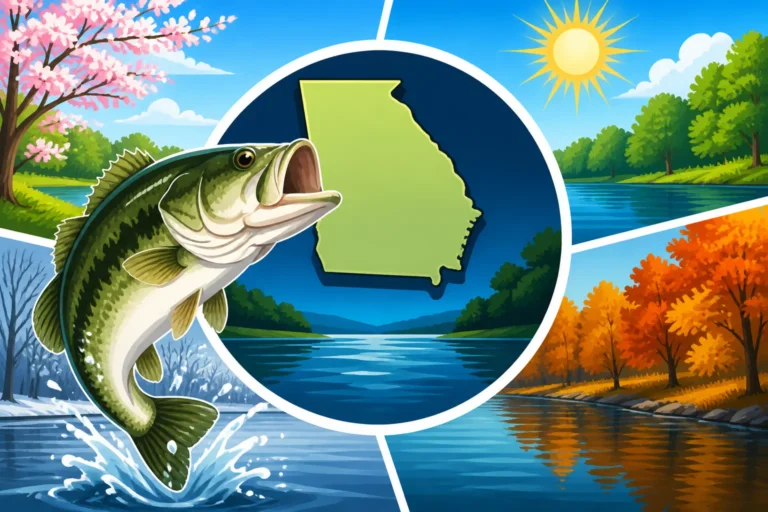
Seasonal bass fishing patterns at Clarks Hill Lake explain how water temperature and forage affect largemouth and spotted bass.

Season-by-season bass fishing breakdown for Lake Sinclair, detailing largemouth and spotted bass patterns influenced by warm water discharge.

Warm water from Georgia Power’s Wallace Dam thermal plant and a forage base of threadfin shad, gizzard shad and blueback herring shape bass fishing on Oconee.
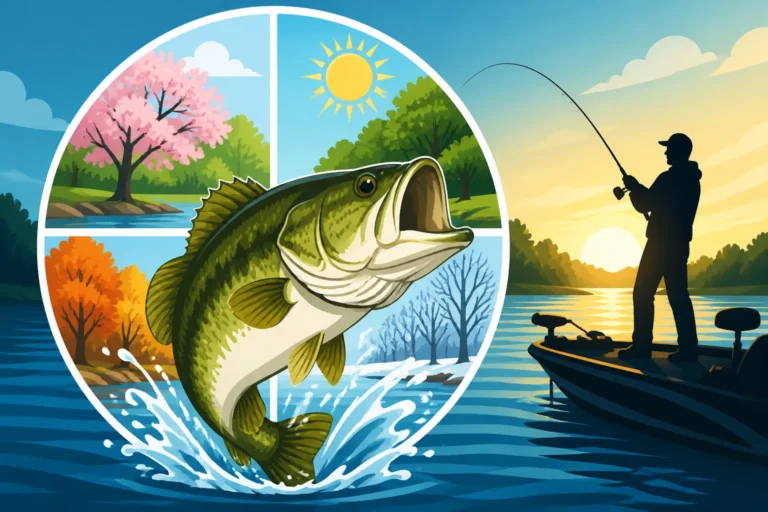
Seasonal patterns and fish behavior on Lake Lanier in Georgia explain the best time to catch largemouth and spotted bass.
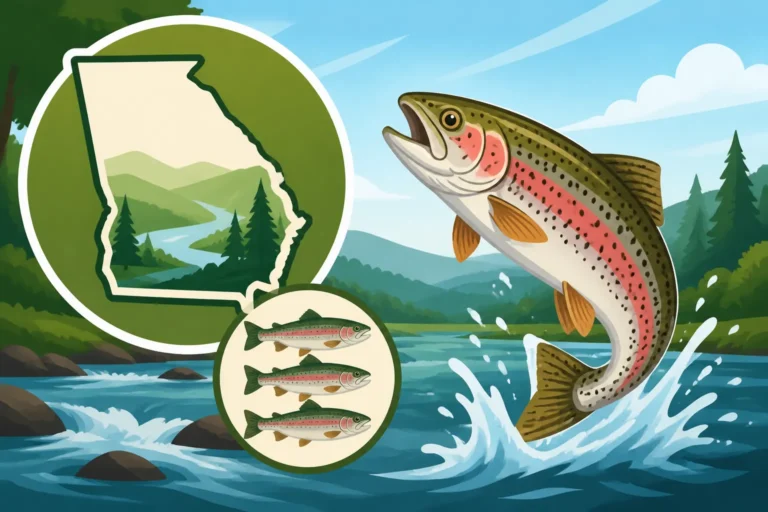
Georgia fishing regulations establish a standard daily creel limit of eight trout per person across general state waters.
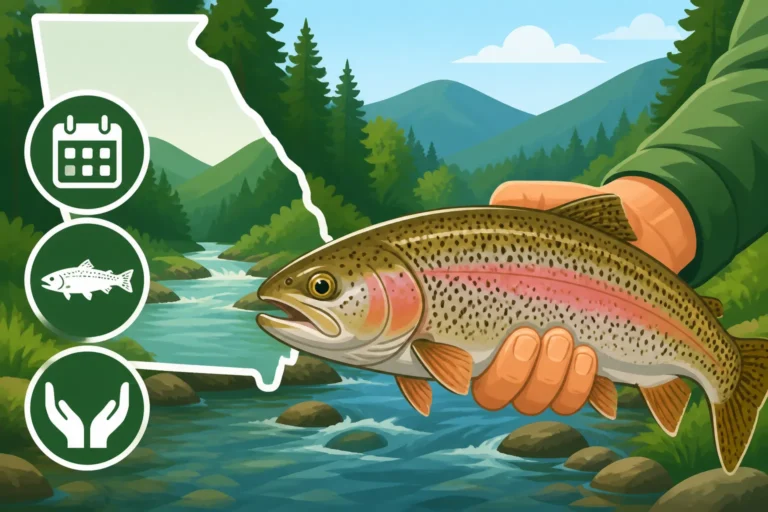
Georgia trout regulations for Delayed Harvest streams explain exactly when anglers can legally harvest fish from November through May.
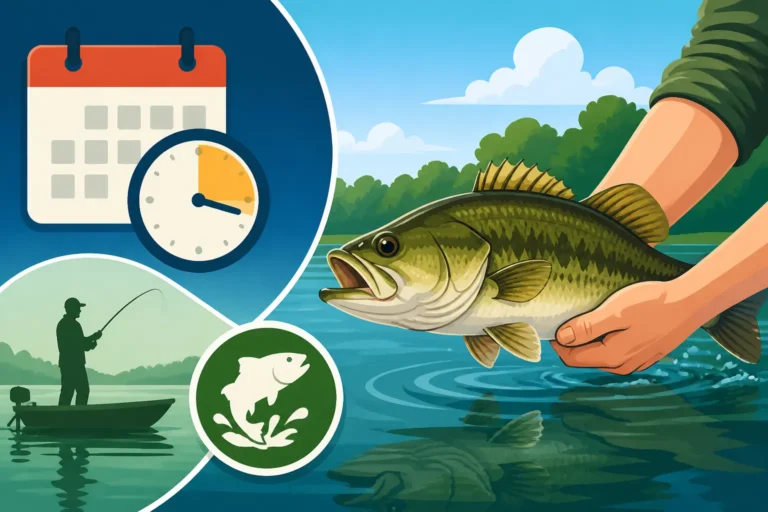
Georgia trout streams under delayed harvest rules require catch and release using artificial lures from November through May.
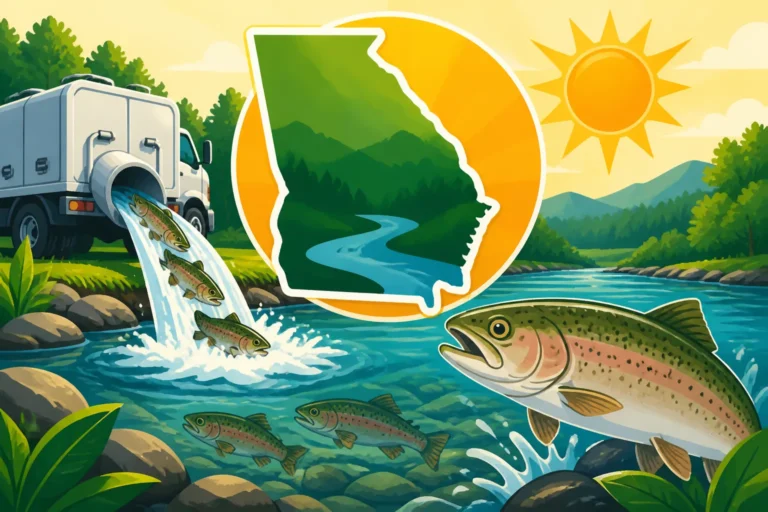
Georgia DNR hatcheries raise tens of thousands of trout a year, mostly rainbow, and summer stocking follows stream conditions, water temperature and oxygen.
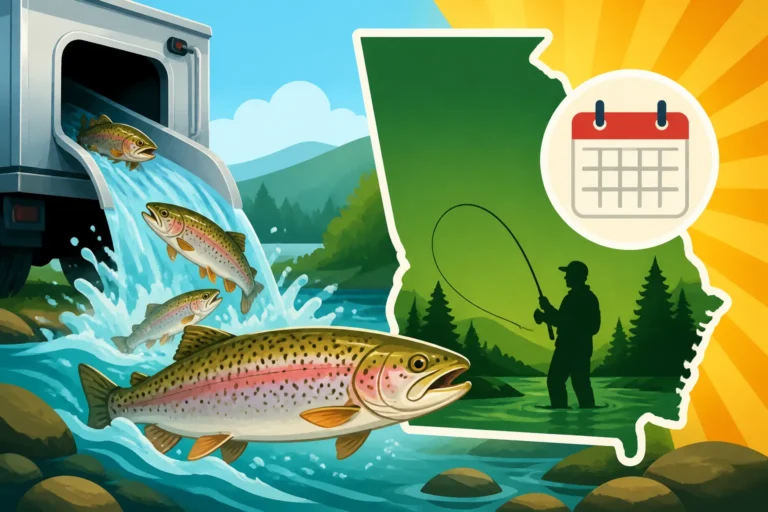
Georgia trout stocking schedules, controlled by the Department of Natural Resources, depend on water temperatures, seasonal demand, and fish availability.