Best Techniques Right Before a Storm
There's nothing quite like that feeling when you're out on the water, the air gets heavy, the wind starts to pick up just a little, and you glance at the sky to see those dark clouds rolling in. Most folks think, "Time to pack it in!" But seasoned Georgia anglers know that sometimes, just sometimes, the moments right before a storm can offer some of the most electric, fast-paced fishing opportunities of the day. This guide will walk you through how to understand this phenomenon, read the signs, and deploy the right techniques to take advantage of that pre-storm bite, all while prioritizing your safety.
Why Fish Bite Before a Storm: Understanding Barometric Pressure and Fish Behavior
It might seem counterintuitive to stick it out when the weather starts to look threatening, but there's a real science behind why fish often go on a feeding frenzy right before a storm hits. It all comes down to changes in atmospheric pressure and how those changes affect the aquatic environment and, consequently, the fish themselves.
The Science of Dropping Pressure
Think of it like this: when clear, sunny skies dominate, the atmospheric pressure is usually high and stable. This high pressure pushes down on the water, which in turn compresses the swim bladders of fish. Fish are incredibly sensitive to these subtle changes in pressure. As a storm front approaches, the barometric pressure begins to drop. This decrease in pressure alleviates some of that downward push on the water and the fish, making them feel more comfortable and often more active. It's a subtle but significant shift that signals a change in their environment. This drop often means a period of instability, and fish, being opportunistic creatures, often respond by feeding actively to "stock up" before conditions potentially become tougher during and after the storm. They sense the coming change and instinctively know that prime feeding windows might become scarce for a while. You can often see the impact of this phenomenon in how fish react; a calm, sluggish bite might suddenly turn into an aggressive feeding spree. If you want to dive deeper into this fascinating topic, check out our article on How Barometric Pressure Affects Fish Activity.
How Fish React to Atmospheric Changes
Different species might react in slightly different ways, but a common theme is increased activity. Largemouth bass, for instance, which are often ambush predators, might become more bold, moving from deeper cover into shallower areas to hunt for prey. Their metabolism might kick into a higher gear, prompting them to strike at anything that looks like an easy meal. Crappie and other panfish, which tend to be more sensitive, might also move into more accessible feeding lanes. This is often because the dropping pressure can cause baitfish to become more active or disoriented, making them easier targets. You'll often notice a sudden increase in surface activity, or baitfish flickering nervously, which is a great indicator that the predators below are starting to get aggressive. It's a short window, but if you're prepared, it can be incredibly rewarding. Understanding How Water Temperature Changes Affect Fish Behavior can also give you further insights into how fish react to environmental shifts.
Reading the Signs: Identifying the Perfect Pre-Storm Window
Knowing why fish bite before a storm is one thing, but actually identifying that prime window in real-time is an art form. It requires a keen eye for nature's cues and a smart use of modern tools.
Visual Cues and Weather Apps
One of the most immediate signs is the sky itself. Look for dark, heavy clouds rolling in, especially those with an anvil shape or rapidly changing formations, which can indicate thunderstorms. The wind often picks up, sometimes becoming gusty, and the air can feel noticeably cooler or heavier. You might also observe changes in the water, such as increased ripples or choppy conditions where it was calm just moments before. However, relying solely on visual cues can be risky, especially in Georgia where storms can materialize quickly. This is where technology becomes your best friend. A reliable weather app on your smartphone, especially one with a radar feature, is invaluable. It allows you to track the storm's direction, speed, and intensity, giving you a precious head start. Always be checking the radar every 15-30 minutes when you suspect a storm is brewing. This vigilant monitoring helps you decide when to push your luck and when to call it a day for safety.
The Calm Before the Storm
Often, the most productive pre-storm fishing occurs during what many call "the calm before the storm." This isn't necessarily a period of dead stillness, but rather that window when the pressure has begun to drop, the clouds are building, but the heavy rain, lightning, and strong winds haven't quite arrived yet. It's that moment when the air feels electric, almost anticipatory. You might notice the wind changing direction or becoming more erratic. This is typically when fish are at their most active. The bite can turn on suddenly, with fish aggressively striking lures they might have ignored just an hour earlier. This golden window can last anywhere from 30 minutes to a couple of hours, depending on the speed and intensity of the approaching front. Learning to recognize this specific phase, perhaps by noticing a sudden surge in insect activity or a change in bird behavior, coupled with your weather app's prediction, is key to maximizing your success. It’s a delicate balance of observation and timing, much like knowing the Best Time of Day to Fish for Bass.
Go-To Techniques: Lures and Strategies for Pre-Storm Success
Once you've identified that sweet spot right before a storm, it's time to adjust your techniques to match the fish's heightened aggression. This isn't the time for finesse; it's often a call for power fishing.
Aggressive Presentations for Bass
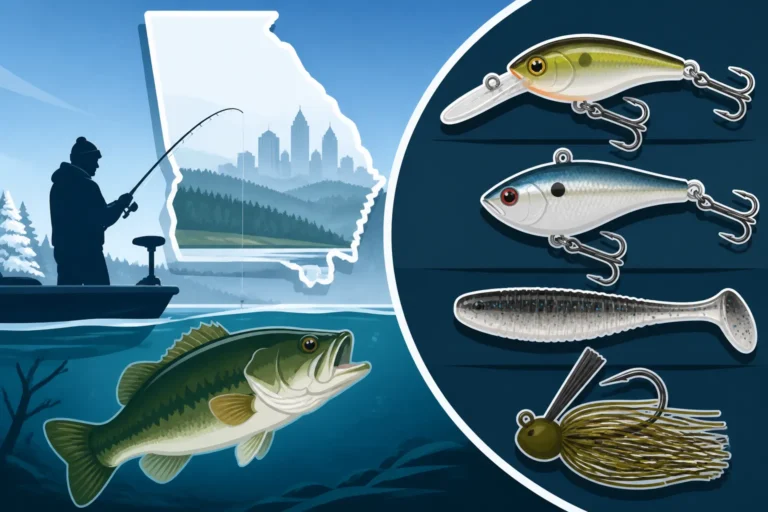
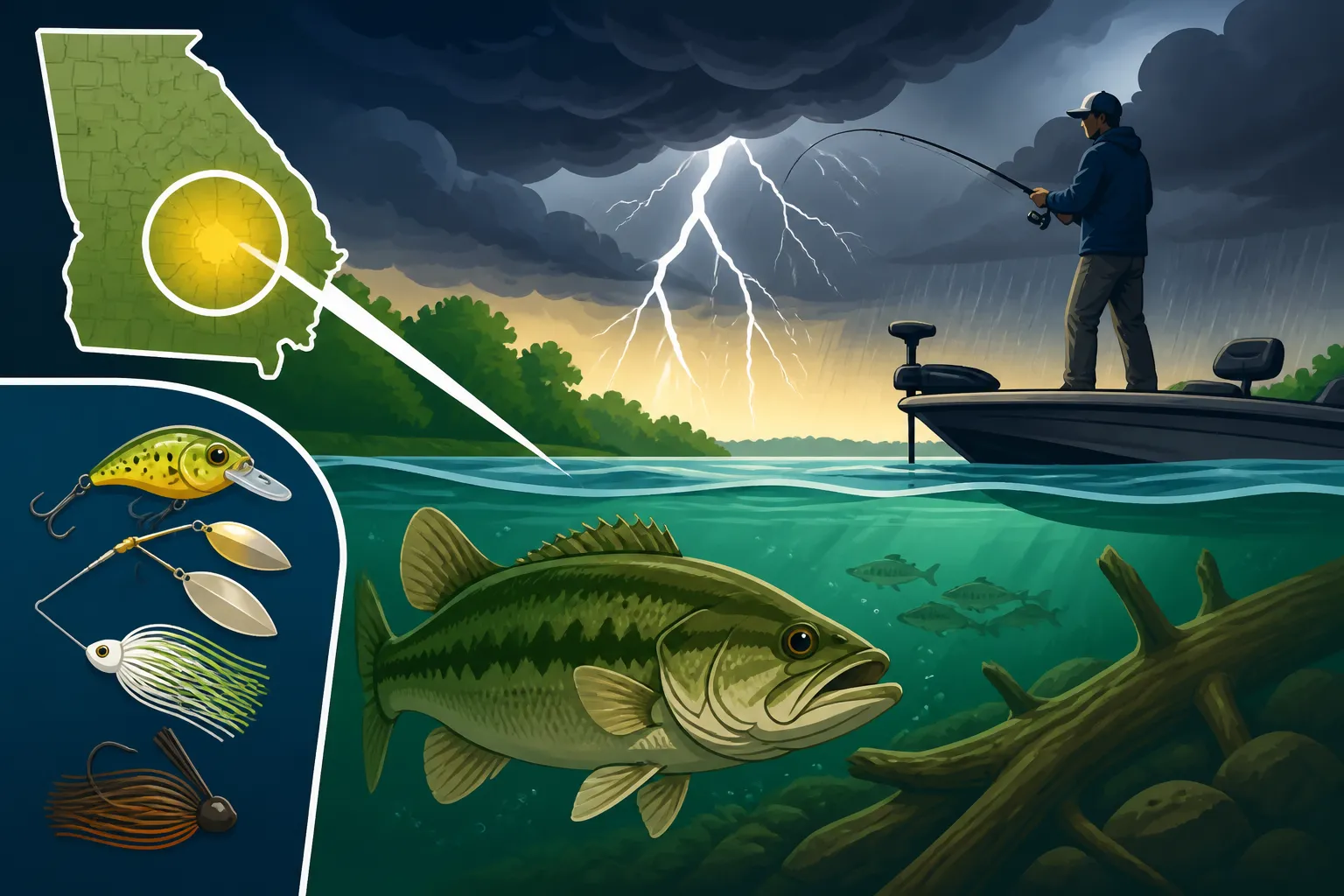
For largemouth and spotted bass, the pre-storm bite is often all about capitalizing on their increased metabolism and willingness to chase. Forget those slow, subtle presentations you might use on a tough day. This is the time to throw moving baits with a lot of flash, vibration, or displacement. Think crankbaits, spinnerbaits, and chatterbaits.
- Crankbaits: Deep-diving crankbaits can be fantastic for probing submerged structure or ledges where bass might be staging before the storm. Medium-diving options work well in shallower water, banging off rocks or stumps to trigger reaction strikes. Choose bright, contrasting colors or natural baitfish patterns depending on water clarity. The erratic wobble of a crankbait often mimics a fleeing baitfish, perfect for an opportunistic predator.
- Spinnerbaits & Chatterbaits: These lures offer a combination of flash and vibration that can be irresistible. A big, thumping spinnerbait with tandem blades can cover a lot of water quickly, attracting bass from a distance. Chatterbaits, with their distinct vibrating blade, create a unique action and sound that bass often can't resist. Work them at a brisk retrieve, bumping into cover whenever possible.
- Topwater Lures: If the conditions are right – overcast, little wind, and that "electric" feeling in the air – topwater action can be explosive. Frogs over matted vegetation, walking baits over open water, or poppers near docks can draw some truly heart-stopping strikes. Bass are often looking up during this time, so don't be shy about throwing a big profile. For more ideas on what to throw, check out Best Lures for Georgia Largemouth Bass. Having a variety ready in your tackle box, maybe picked up easily from Amazon, means you won't miss a beat when that window opens.
Targeting Crappie and Panfish in Shallows
It's not just bass that get active. Crappie and other panfish (like bluegill and shellcrackers) also sense the pressure drop and can move into shallower water to feed, often becoming much less skittish.
- Jigging: This is a classic crappie technique that really shines before a storm. Use small jigs (1/16 to 1/8 ounce) tipped with soft plastics in bright colors like chartreuse, white, or electric chicken. Fish them around brush piles, submerged timber, or dock pilings. The crappie might be holding tighter to cover, but their aggression means they'll be quicker to strike. You can vertical jig directly over structure or cast and retrieve with a slow, steady twitch. For a detailed guide on this, read How to Jig for Crappie.
- Live Minnows Under a Bobber: Sometimes the simplest approach is the best. A small live minnow under a slip bobber set to the appropriate depth (often 3-6 feet in the pre-storm bite) can be deadly. The bobber acts as a visual strike indicator, and the minnow's natural movement is often irresistible. This is especially good for kids or beginners, as it's an easy and often very effective method.
- Small Spinnerbaits/In-line Spinners: For bluegill and shellcrackers, small spinnerbaits or in-line spinners can work wonders. The flash and vibration can mimic fleeing insects or tiny baitfish, drawing aggressive strikes from panfish that are looking to fill their bellies. Fish these around weed lines or lily pads where panfish often congregate.
Catfish and Stripers Reacting to Instability
Even bottom dwellers and schooling fish like catfish and striped bass can respond positively to pre-storm conditions, albeit with slightly different triggers.
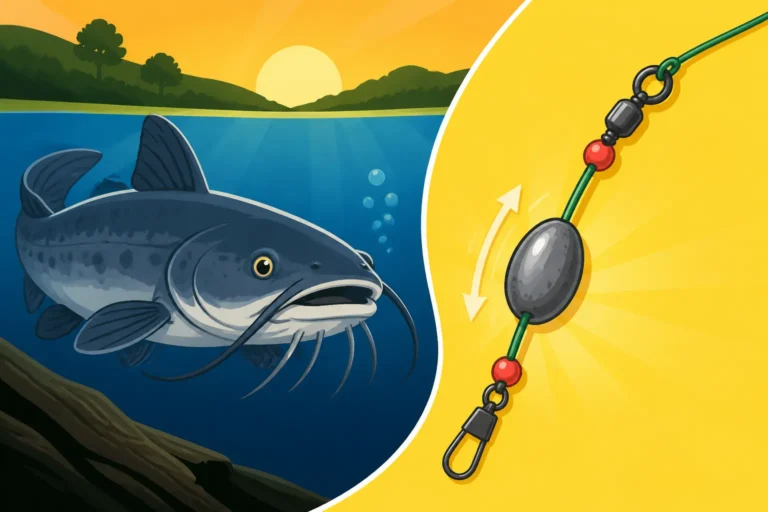
- Catfish Bottom Fishing: Catfish, especially channel and blue catfish, often become very active as pressure drops. They sense the increased movement of baitfish and crustaceans, and the slightly reduced light penetration from cloud cover can also make them bolder. This is an excellent time for traditional bottom fishing with cut bait, chicken livers, or dough balls. Look for them in deeper holes in rivers or along the edges of channels in lakes. The scent trail of your bait will be carried more effectively by increased currents or water movement, drawing them in. For specific advice, our guide Best Bait for Channel Catfish has excellent tips.
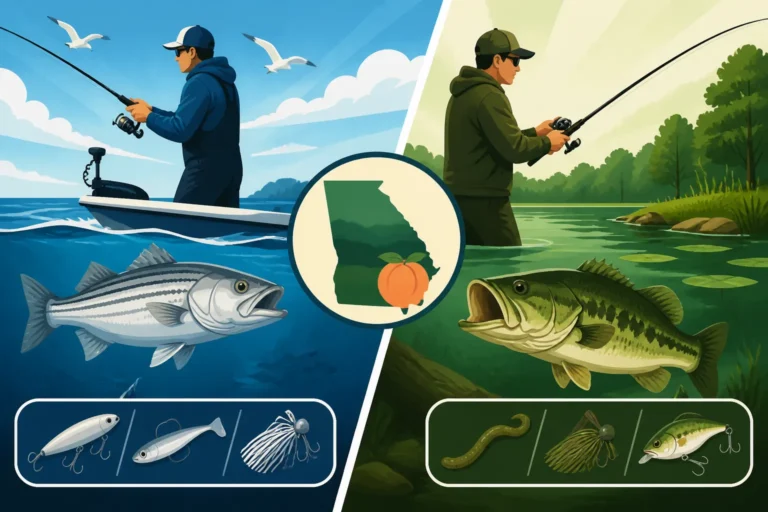
- Striped Bass in Open Water: Stripers and hybrid stripers are highly sensitive to changes in barometric pressure. They often move up in the water column and become very aggressive, chasing baitfish in open water. This can lead to incredible topwater explosions or intense schooling action. Keep an eye on your fish finder for schools of baitfish being pushed to the surface. Trolling with large crankbaits or bucktail jigs can be very effective, especially if you're targeting areas where stripers are known to congregate. Consider using Best Live Bait for Striped Bass Fishing if you have access to fresh shad or herring. The key is to cover water and present something that mimics a frantic baitfish trying to escape.
Safety First: Essential Precautions When Fishing Before a Storm
While the pre-storm bite can be exhilarating, it's absolutely crucial to prioritize your safety above all else. No fish is worth putting yourself or your fishing partners at undue risk.
Monitoring Weather and Having an Exit Strategy
As mentioned earlier, your phone's weather app and radar are your lifeline. Always keep a close eye on the forecast and radar updates. Storms, especially in Georgia, can pop up and intensify with alarming speed. Pay attention not just to rain, but to lightning warnings. If you hear thunder, lightning is dangerously close, and it's time to head in immediately.
Have an exit strategy firmly in mind before you even launch or start fishing. Know your nearest boat ramp, sheltered cove, or safe spot on shore. If you're on a large lake like Lanier or Oconee, strong winds can whip up dangerous waves in minutes, making travel difficult and risky. Don't wait until the storm is directly overhead to make your move. If the radar shows a cell approaching fast, even if it's still 30 minutes out, start heading back to safety. It's always better to be safely on shore, watching the rain from your truck, than to be caught in a violent squall.
Essential Gear for Unpredictable Conditions
Being prepared with the right gear can make all the difference in comfort and safety when the weather turns unexpectedly. Don't just pack for sunny skies.
- Rain Gear: This is a non-negotiable. A good quality waterproof jacket and pants will keep you dry and comfortable, allowing you to fish longer in light rain or stay warmer if a cold front pushes through. There are many excellent options available, and you might want to check out highly-rated rain gear options on Amazon ahead of time. Nobody likes being soaked to the bone, and staying dry also helps prevent hypothermia if temperatures drop suddenly.
- Extra Layers: Even if it's warm, having a dry long-sleeved shirt, a fleece, or a sweatshirt can be a lifesaver if the temperature drops after a cold front passes or if you get unexpectedly wet.
- Communication Device: Your cell phone is crucial, but ensure it's fully charged and kept in a waterproof bag or case. Consider a portable charger or power bank for extended trips. For peace of mind, make sure your emergency kit is complete – items like a marine-grade first-aid kit or an extra power bank for your phone are easily found on Amazon.
- Safety Equipment (Boaters): If you're on a boat, ensure all required safety equipment is onboard and easily accessible. This includes Coast Guard-approved life jackets for everyone (especially children), a throwable flotation device, a whistle or horn, and working navigation lights if there's any chance you'll be out near dusk or in low visibility. Regularly reviewing your Safety Gear Checklist for a Day on Lake Lanier is a smart move.
- First-Aid Kit: A well-stocked first-aid kit is essential for any outing, but especially when dealing with unpredictable weather conditions. Slips, cuts, and scrapes can happen more easily on wet surfaces.
- Sun Protection: Even with storm clouds, UV rays can still be strong. Don't forget sunscreen, a hat, and polarized sunglasses.
By combining an understanding of fish behavior with a vigilant approach to safety and preparation, you can transform a potentially scary weather event into one of the most memorable and productive fishing experiences you'll have in Georgia. Remember, the fish will always be there, but your safety is paramount. When in doubt, head for shore.
Table: Pre-Storm Fishing Tactics at a Glance
| Fish Species | Pre-Storm Behavior | Recommended Lures/Baits | Key Strategy | Safety Note |
|---|---|---|---|---|
| Largemouth/Spotted Bass | Increased aggression, move shallower, actively hunt. | Crankbaits, Spinnerbaits, Chatterbaits, Topwater | Power fish, cover water quickly, target active predators. | Watch for lightning; rapid changes in wind. |
| Crappie | Move shallower, less skittish, feed actively around cover. | Small Jigs, Live Minnows, Tiny Spinnerbaits | Vertical jig or cast around brush/docks; slow retrieves. | Head to shore if heavy rain starts impacting visibility. |
| Panfish (Bluegill, Bream) | More active in shallow, weedy areas. | Worms, Crickets, Small In-line Spinners, Micro Jigs | Target weed lines and lily pads; easy targets for kids. | Good for bank fishing if conditions allow; safer option. |
| Catfish | Increased activity, respond to bait scent. | Cut Bait, Chicken Livers, Dough Balls | Bottom fish in deeper holes or channel edges. | Strong currents and debris during heavy rain can be dangerous. |
| Striped/Hybrid Bass | Schooling, chase baitfish in open water or near structure. | Large Crankbaits, Bucktail Jigs, Live Herring/Shad | Troll or cast in open water; watch for surface activity. | Large waves can make boat control difficult on big lakes. |
Disclaimer
This article is for general informational purposes only and does not constitute professional advice. Laws, prices and regulations vary by location and change over time. Consult a qualified professional for guidance on your specific situation.