How to Fish for Bass at Dusk
If you've spent frustrating hours under the blazing Georgia sun, casting your heart out only to find bass completely uninterested, you know the struggle. Midday heat and bright light often send these elusive fish deep into cover, making them tough to tempt. But when that golden hour descends, and the sun begins its slow dip below the horizon, a magical shift occurs on the water. This guide is all about helping you unlock the incredible potential of bass fishing at dusk, transforming those challenging daytime trips into memorable, action-packed evenings.
Why Dusk is Prime Time for Bass Fishing in Georgia
There's something truly special about those last few hours before darkness fully sets in. It’s not just about the beautiful colors in the sky; for bass anglers, it's about a fundamental change in how the fish behave. The transition from day to night often triggers a feeding frenzy that you won't see at other times. Understanding why this happens is key to exploiting it.
The Golden Hour Advantage
As the sun begins its descent, two crucial environmental factors start to work in an angler's favor: light intensity and water temperature. During the peak of the day, especially in Georgia's warmer months, the bright overhead sun can penetrate deep into the water, making bass feel exposed. They'll often retreat to the darkest, deepest cover they can find – thick hydrilla beds, deep timber, or shaded drop-offs. But as the light fades, that intense penetration diminishes. The water column becomes a cloak of shadows, offering bass the comfort and concealment they crave to hunt effectively.
Simultaneously, the scorching surface water temperatures of the day begin to cool down. While this effect is more pronounced after a full night of cooling, even a slight dip in surface temperature at dusk can stimulate bass activity. They might move up from deeper, cooler water or emerge from dense cover, feeling more comfortable in the slightly cooler conditions. This makes them much more willing to chase and strike, particularly near the surface. You'll find that these subtle changes often align with the seasonal patterns you'd expect to see, making dusk a consistent window of opportunity. For more insights on how these factors play out over the year, check out our guide on Seasonal Bass Fishing Patterns in Georgia.
Increased Forage Activity
It's not just the bass that feel more confident under the cloak of twilight. Their primary food sources – baitfish like shad and shiners, as well as various insects and amphibians – also become more active. Think about it: during the bright day, these smaller creatures are constantly on alert for predators. But as visibility decreases, they become bolder, often moving into shallower water to feed on algae or small invertebrates. This creates a perfect storm for bass.
Imagine a school of shad, nervously holding in deeper water all day, now venturing closer to the bank as the shadows lengthen. This sudden increase in available forage near strategic ambush points is like ringing a dinner bell for hungry bass. They know that this is their best chance to gorge before the full darkness of night, when different predatory patterns might emerge. The heightened activity of baitfish often brings bass right out of their daytime hiding spots and into aggressive feeding modes, making your job as an angler much easier and more exciting.
Bass Ambush Points
With reduced light and increased baitfish activity, bass strategically position themselves in areas where they can ambush their prey with maximum efficiency. These aren't necessarily the same deep-water haunts they occupied during the day. At dusk, bass will often move closer to the banks, to the edges of weed lines, around submerged timber, or near rocky points that offer both cover and a clear attack lane. They use the low light to their advantage, becoming nearly invisible to unsuspecting baitfish.
For example, a shallow coves that was barren during the midday sun might suddenly become alive with schooling baitfish, and consequently, actively feeding bass. Look for areas where shadow lines meet open water, or where structure provides a dark backdrop. The bass will hold in these shadowy zones, waiting for an easy meal to swim by. Understanding this behavioral shift means you're not just casting aimlessly; you're casting to where the fish are actively hunting, greatly increasing your chances of a hook-up.
Essential Gear and Lures for Dusk Bass Fishing
Fishing at dusk requires a bit of a shift in your gear selection and approach. While your trusty daytime tackle will still work, optimizing for low light conditions can dramatically improve your success rate. Thinking about visibility, vibration, and silhouette will guide your choices.
Low-Light Lures
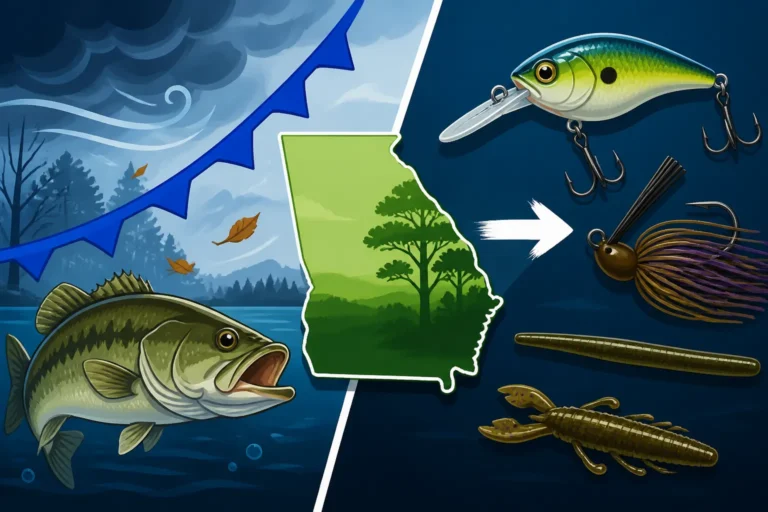
When the light starts to fade, bright, flashy colors that might work well under a high sun can become less effective. Instead, you want lures that create a strong silhouette against the fading light or produce significant vibration to attract bass that are relying more on their lateral line. Darker colors like black, blue, purple, or junebug are excellent choices because they create a clear, defined outline that bass can easily spot from below. Even in near darkness, a black topwater frog presents a stark contrast against the last vestiges of light on the surface.
Topwater lures truly shine at dusk. Frogs, poppers, and walking baits thrown near lily pads, grass lines, or over submerged cover can elicit explosive strikes as bass confidently attack the surface. For subsurface presentations, spinnerbaits with dark skirts and large Colorado blades, or chatterbaits, are fantastic because they generate a lot of thumping vibration that bass can home in on. For slower, more deliberate presentations, creature baits or soft plastic worms in dark colors can be rigged weedless and worked through cover. You can find a fantastic selection of these specialized lures, perfect for low-light conditions, on sites like Amazon.
Terminal Tackle and Line
Stealth remains crucial even as visibility diminishes. While bass might be more aggressive, they aren't necessarily careless. Using fluorocarbon line for your leaders can be a good idea, as its low visibility underwater still gives you an edge. For main lines, many anglers prefer braided line for its sensitivity and strength, especially when fishing around heavy cover. The lack of stretch in braid means you can feel even the subtlest tap in low light, and its abrasion resistance is invaluable when a big bass burrows into a submerged brush pile.
Consider your hook sizes carefully. When fishing topwaters, ensure your hooks are sharp and correctly sized for the bait to maximize hook-up ratios on those often-violent surface strikes. For soft plastics, offset worm hooks or wide gap hooks are essential for a good presentation and solid hook set. Always carry extra hooks and weights, as snags are more common when you can't see exactly where your lure is going. You never want to be caught unprepared when the bass are biting!
Lighting and Safety Gear
As dusk turns to twilight and then to night, proper lighting isn't just a convenience – it's a safety necessity. A good quality headlamp with both a white and red light option is invaluable. The white light is perfect for tying knots or rummaging through your tackle box, while the red light preserves your night vision and is less likely to spook fish. Many anglers opt for rechargeable headlamps for convenience, and you can find a wide range of reliable options on Amazon.
Beyond lighting, never forget basic boating safety if you're on the water. Ensure your boat's navigation lights are working, and always have appropriate personal flotation devices (life jackets) readily accessible. Bank anglers should be aware of their surroundings, particularly uneven terrain or potential hazards near the water's edge. Bring insect repellent, especially in Georgia, as mosquitoes become much more active at dusk. A fully charged phone for emergencies is also a must. Being prepared ensures your dusk fishing adventure is both productive and safe.
Effective Techniques for Dusk Bass Fishing
Once you've got your gear dialed in, it's time to talk tactics. Dusk fishing allows for some of the most exciting and visual bass fishing experiences, particularly with topwater presentations. But having a versatile approach will serve you best.
Topwater Explosions
There is arguably no more thrilling way to catch a bass than on a topwater lure, and dusk is absolutely prime time for it. As the light fades and bass move shallow to feed, they become much more willing to smash a bait on the surface. Frogs, poppers, walking baits, and buzzbaits are all excellent choices. Cast these lures close to cover – weed edges, fallen trees, docks, or rocky banks. The key is to make a realistic presentation that mimics a struggling baitfish or an unsuspecting amphibian.
For a frog or walking bait, a "walk-the-dog" retrieve is often deadly. This involves a series of short twitches of the rod tip, allowing the bait to sashay side to side. For poppers, experiment with a "pop-and-pause" retrieve, letting the lure sit motionless for several seconds after each pop. Bass will often strike during the pause. The crucial thing is to be patient and resist the urge to set the hook immediately when you see a splash. Wait until you feel the weight of the fish before reeling down and setting the hook hard. If you want to refine your topwater game, check out our detailed guide on How to Fish Topwater Lures for Bass.
Subsurface Attacks
While topwater action can be incredible, sometimes bass are just a few inches or feet below the surface. This is where subsurface lures that create vibration or a strong silhouette come into play. Spinnerbaits and chatterbaits are outstanding choices for covering water quickly and drawing reaction strikes. Use darker colored skirts – black, blue, purple – and opt for larger Colorado or Indiana blades on your spinnerbaits, which displace more water and create a stronger thump in low light.
Cast these lures parallel to weed lines, over submerged stumps, or along rocky transitions. A steady retrieve is often all it takes, but don't be afraid to experiment with slight pauses or changes in speed. The idea is to make the lure look like a frantic baitfish trying to escape. Swim jigs, often tipped with a plastic craw or grub, are another excellent option. These can be slowly reeled through sparse cover or allowed to fall into pockets, imitating a crawfish or a bulky baitfish. For more ideas on effective presentations, our article on How to Work a Spinnerbait for Bass offers great tips.
Slow and Steady Approaches
Even when bass are aggressively feeding at dusk, sometimes a slower, more deliberate approach is what it takes to trigger a bite, especially if the fish are still holding tight to cover. Soft plastics like Texas-rigged worms, creature baits, or jigs can be incredibly effective when worked slowly through prime ambush points. These presentations mimic injured prey or crawfish, making them irresistible to bass that might be a bit more hesitant.
Cast your soft plastic or jig into dense cover – laydowns, brush piles, or thick grass. Let it sink naturally, paying close attention to your line for any subtle taps or jumps. Work it back with short hops, drags, and pauses. The beauty of these lures is their versatility; they can be fished at various depths and through almost any type of cover. In low light, the natural profile and subtle action can often convince a wary bass to commit. If you're looking to master this technique, our guide on How to Fish a Texas Rig for Bass provides comprehensive instructions.
Reading the Water and Adapting Your Approach
Dusk fishing, like any form of angling, is about more than just casting lures. It's about understanding the environment, anticipating fish behavior, and being willing to adapt your strategy as conditions change. The fading light itself becomes a critical element to observe.
Identifying Prime Dusk Locations
As we've discussed, bass move from their midday holding patterns to different areas at dusk. Your job is to predict these movements. Look for shallow flats adjacent to deeper water, points that extend into the main lake, the edges of submerged grass beds, or areas with a mix of cover like timber and rocks. These transition zones are bass highways at dusk. For instance, many anglers find success on Lake Lanier by targeting specific shallow coves and points that become active as the sun dips.
Consider the wind and current as well. Even light breezes can push baitfish into certain areas, and bass will follow. If there's a slight current, bass will often position themselves downstream of structure, waiting for food to be washed past. Don't be afraid to try different spots even if your usual daytime honey holes aren't producing. The best bass fishing lakes in Georgia offer a variety of structures that become prime at dusk, so explore!
Understanding Bass Feeding Patterns
Bass feeding patterns can vary even within the dusk period. Some evenings, they'll smash topwaters for the first 30-45 minutes of fading light, then suddenly shut down on surface baits and require a subsurface approach. Other times, they might start deeper and move progressively shallower as it gets darker. Paying attention to these subtle shifts is what separates a good angler from a great one.
Watch for signs of baitfish activity. Are you seeing splashes on the surface? Are there shad flipping? These are clear indicators that bass are likely in the area and actively feeding. If the topwater bite slows, immediately switch to a spinnerbait or a jig to explore slightly deeper water or denser cover. Don't get stuck on one presentation if it's not working. Bass are opportunistic, and their preferences can change quickly with the diminishing light. Our guide on How Water Temperature Affects Fish Behavior can provide further context on how environmental cues influence these patterns.
Adapting to Changing Conditions
The beauty and challenge of dusk fishing lie in its constantly changing conditions. The light levels are steadily decreasing, and often, the wind might pick up or die down. Be prepared to change your lure choice, retrieve speed, and even your fishing location multiple times. Carrying a versatile rod and reel combo, such as those recommended in our Best Rod and Reel Combo for Largemouth Bass in Georgia article, can allow for quick transitions between different lure types.
For example, if the wind dies and the water becomes slick, a subtle walking bait or a weightless worm might be more effective than a noisy buzzbait. If a cloud cover rolls in, plunging the area into deeper twilight faster, the topwater bite might last longer, or a darker, more vibrant lure might become more noticeable. Always remember to check your line frequently for frays, especially when fishing around cover in low light. A small headlamp can be a lifesaver for quick reties. Adapting quickly to what the fish are telling you is the ultimate key to consistent success during the magical hours of dusk.
Dusk Fishing Lure Comparison Chart
To help you quickly decide what to tie on as the sun sets, here's a handy comparison of popular dusk bass fishing lures.
| Lure Type | Best Conditions | Retrieve Speed | Key Characteristics & Tips |
|---|---|---|---|
| Topwater Frog | Heavy cover (mats, lily pads), slick water | Slow to Medium | Weedless, mimics frog or mouse. Wait for the splash, then reel down to feel the fish before setting the hook. Dark colors best. |
| Popper | Open water near cover, calm to light chop | Slow (pop & pause) | Creates disturbance and sound. Excellent for drawing fish from slightly deeper water. Experiment with pause length. |
| Walking Bait | Open water near cover, calm to light chop | Medium (walk-the-dog) | Gliding, side-to-side action. Mimics wounded baitfish. Requires practice to master retrieve. |
| Spinnerbait | Scattered cover, open water, any chop | Medium to Fast | Creates flash and vibration. Good for covering water. Use dark skirts, large Colorado blades for maximum thud. |
| Chatterbait | Around sparse cover, grass lines, open water | Medium to Fast | Unique vibrating action and sound. Can be worked similarly to a spinnerbait but with a different feel. Add a trailer for bulk. |
| Swim Jig | Wood cover, grass, docks, deeper pockets | Slow to Medium | Versatile, mimics baitfish or crawfish. Tip with plastic trailer. Can be reeled or hopped. |
| Texas-Rigged Worm/Creature | Heavy cover (timber, brush), subtle presentations | Slow (drag & hop) | Excellent for targeting precise spots in dense cover. Weedless. Focus on feel for bites. Use dark, natural colors. Learn more from How to Fish a Texas Rig for Bass. |
Final Thoughts on Catching Bass at Dusk
Fishing for bass at dusk is more than just a technique; it's an experience. There's a certain tranquility that settles over the water as the day fades, often followed by explosive, heart-pounding strikes that make all the daytime struggles melt away. Remember that bass are opportunistic predators, and the low light, cooling temperatures, and increased baitfish activity create a perfect storm for them to feed aggressively.
Don't be afraid to experiment with your lure choices – often, the biggest, loudest, or darkest lure will get the most attention. And always prioritize safety as the light truly fades. Whether you're casting from the bank or from a boat, always be aware of your surroundings and have the right lighting and safety gear. For those of you who prefer shore fishing, our guide on Best Gear for Bank Fishing in Georgia has some excellent advice to complement your dusk angling efforts. So next time the sun starts to dip below the horizon, don't pack up your gear. Instead, embrace the magic of dusk, and get ready for some of the most exciting bass fishing Georgia has to offer.
Disclaimer
This article is for general informational purposes only and does not constitute professional advice. Laws, prices and regulations vary by location and change over time. Consult a qualified professional for guidance on your specific situation.