How to Teach a Kid to Fish for Bluegill
There's nothing quite like introducing a child to the magic of fishing. However, we've all been there: visions of peaceful bonding quickly turn into tangled lines, frustrated sighs, and an abrupt demand for snacks. Teaching a kid to fish, especially for bluegill, doesn't have to be a battle against boredom and knots. This comprehensive guide is here to walk you through making that first fishing trip an unforgettable, joy-filled experience, focusing on simple techniques and the perfect target species for little anglers here in Georgia.
Why Bluegill Are Your Best Bet for Young Anglers
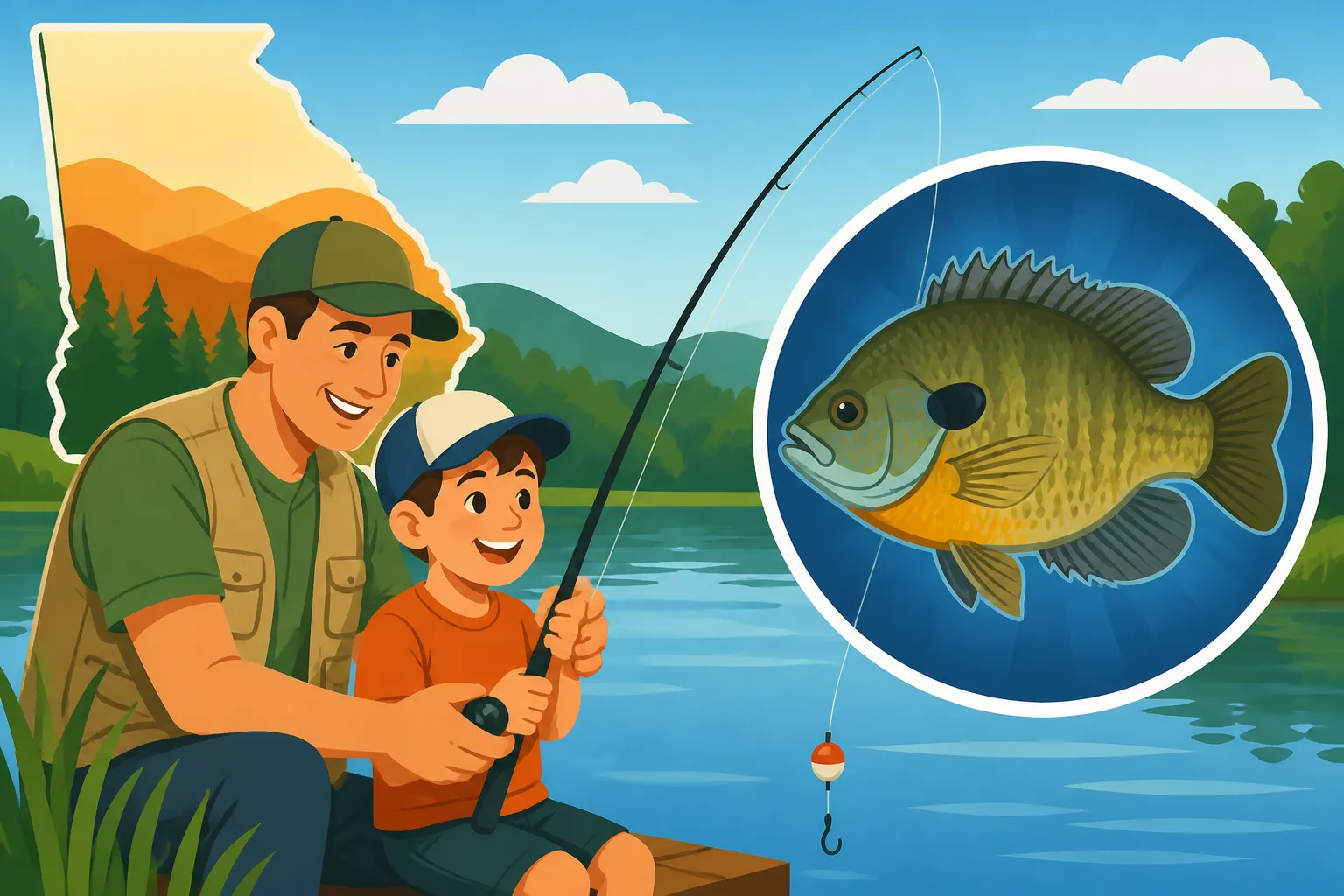
When you're thinking about that first fishing experience for a child, choosing the right fish species makes all the difference in the world. You want something that's plentiful, eager to bite, and relatively easy to handle. That's where bluegill truly shine, making them the undisputed champions for introducing kids to the sport right here in Georgia.
Abundant and Eager Biters in Georgia Waters
One of the biggest hurdles when fishing with kids is the waiting game. Children have notoriously short attention spans, and long stretches of no action can quickly lead to disinterest. This is precisely where bluegill become your secret weapon. These feisty little sunfish are incredibly abundant in almost every pond, lake, and slow-moving creek across Georgia. Seriously, if there's water, there's a good chance there are bluegill.
They're not picky eaters either. Bluegill are opportunistic feeders, always on the lookout for a snack. This means they are often very aggressive biters, which is fantastic news for a child just learning to feel that tug on the line. Imagine the pure excitement in their eyes when they feel that first wiggle and pull! It instills confidence and keeps them engaged, making them want to cast again and again. Their sheer numbers mean that even if one spot isn't producing, a slight move along the bank or dock can put you right back on top of them, ensuring plenty of opportunities for success. For a more in-depth look at this species, you might find our Bream and Sunfish Guide for Georgia Anglers helpful.
Manageable Size for Little Hands
While catching a giant bass or a trophy catfish might be your ultimate goal, for a child, wrestling a huge fish can be intimidating and even overwhelming. Bluegill, on the other hand, are the perfect size. They're big enough to put up a fun fight, giving the child the thrill of reeling something in, but small enough that they can easily handle the fish once it's landed.
Think about it: a bluegill typically ranges from a few ounces to a pound or so, fitting perfectly into small hands. This allows your child to take pride in holding their catch (with a little supervision, of course) without the struggle of a larger, stronger fish. This manageable size translates to less fumbling, fewer dropped fish, and ultimately, a more positive and empowering experience. They learn the process from bite to land to release, all on a scale that’s just right for them.
Safe and Simple Handling
Another concern parents often have is safety, especially when it comes to sharp hooks or prickly fish fins. Bluegill are relatively docile fish. While they do have some spines on their dorsal fin, they are generally not overly sharp or dangerous, especially compared to some other species. With a little guidance, kids can learn to safely handle bluegill by gently gripping them behind the gills or supporting their belly.
Teaching them proper handling from the start reinforces respect for the fish and the environment. You can demonstrate how to remove the hook carefully, or better yet, use barbed hooks that make de-hooking a breeze. It's a fantastic opportunity to teach them about the delicate balance of nature and the importance of catch and release, or if you choose to keep a few, how to properly care for them. Their simple nature makes the entire process, from catching to releasing, a lot less stressful for both parent and child.
Essential Gear for Kid-Friendly Bluegill Fishing
When it comes to getting set up, the temptation might be to go all-out with fancy gear. But trust me, for a child's first fishing trip, simplicity is absolutely key. Overly complicated equipment leads to frustration for both of you. We're aiming for easy-to-use, robust, and effective tools that make the learning curve gentle and the experience fun.
The Right Rod and Reel: Spincast Combos are King
Forget about baitcasters or complex spinning reels for now. The unsung hero of beginner fishing is the spincast combo. These are those wonderful "push-button" reels that are incredibly intuitive for little fingers to operate. They minimize tangles, make casting much simpler, and generally reduce the learning curve dramatically.
Look for a combo that comes with a rod around 4 to 5 feet long. This length is manageable for most children to swing without hitting themselves or others, yet long enough to cast a decent distance. The reel should already be spooled with some light monofilament line, typically 4-6 pound test. This is perfect for bluegill and forgiving enough for a few snags. Brands like Zebco (often their "33" series or similar) are classic choices and have been introducing generations to fishing. You can usually find a great selection of these beginner-friendly spincast combos on sites like Amazon, which is super convenient for getting everything delivered right to your door before your big adventure. Investing in one of these makes a world of difference in your child's early fishing success.
Simple Tackle Box Basics
Your child's first tackle box doesn't need to be overflowing with gadgets. In fact, a small, simple box with just a few essentials is perfect. The goal is to avoid overwhelming them with too many choices or complicated setups.
Here's what you'll want to have on hand:
- Small Bobbers: The classic red and white plastic bobbers are perfect. They're highly visible, letting kids easily see when a fish is biting. Keep it simple; clip-on bobbers are the easiest to use.
- Small Hooks: Size 8 or 10 Aberdeen or bait-holder hooks are ideal for bluegill. They're small enough to fit in their mouths but sturdy enough to hold the fish. Barbless hooks are also an option, making catch and release even easier.
- Small Split Shot Sinkers: These tiny lead-free weights (you'll want lead-free for environmental reasons) simply crimp onto the line a few inches above the hook. They help cast your bait a bit further and get it down to where the fish are.
- Needle-Nose Pliers or Hemostats: These are for you to help with hook removal, especially if a fish swallows the hook. Keep them handy and demonstrate safe handling.
- Small Cooler with Ice: Essential for keeping any kept fish fresh, or for snacks and drinks!
You can often find pre-made "beginner" or "kid's fishing" kits that include many of these items, often available at local sporting goods stores or through online retailers like Amazon. This streamlines the process and ensures you have all the basics covered without overthinking it.
Best Baits for Bluegill
This is where bluegill really earn their "easiest fish to catch" reputation! They're not particular, and some of the best baits are incredibly simple and readily available.
- Worms: The undisputed champion of bluegill bait. Red wigglers or nightcrawlers (cut into smaller pieces for smaller hooks) are irresistible to bluegill. They stay on the hook well and are easy for kids to handle and bait, especially if you show them how.
- Crickets: Another fantastic option, especially if you want to teach them how to gently put a cricket on a hook. Bluegill love them!
- Corn: Believe it or not, a kernel or two of canned sweet corn can be incredibly effective. It's cheap, clean, and easy for kids to bait. Plus, it's safe if they accidentally taste it.
- Small Lures/Jigs (Optional): If your child gets the hang of it and wants to try something a bit different, tiny jigs tipped with a small piece of worm or a micro-soft plastic can work. But for pure catching success, stick with natural baits first.
The goal is high success rates, and these simple baits deliver. For more ideas on what tempts these eager panfish, check out our guide on the Best Bait for Bluegill Fishing.
Step-by-Step: How to Set Up and Cast with Confidence
Now that you have your gear and chosen your location, it's time to get down to the exciting part: actually fishing! This is where you, the patient mentor, come in. Break down each step into simple, digestible actions, and celebrate every small victory.
Rigging Up Made Easy for Little Anglers
Keep the rig as simple as possible. You want to minimize tangles and maximize the chance of a bite. Here’s a tried-and-true setup:
- Tie on your hook: Use a simple knot like an Improved Clinch Knot. If your child is old enough and interested, you can show them, but for most, this is your job.
- Add split shot: About 4-6 inches above the hook, crimp on one or two small lead-free split shot sinkers. This helps get your bait down faster and makes casting a bit easier.
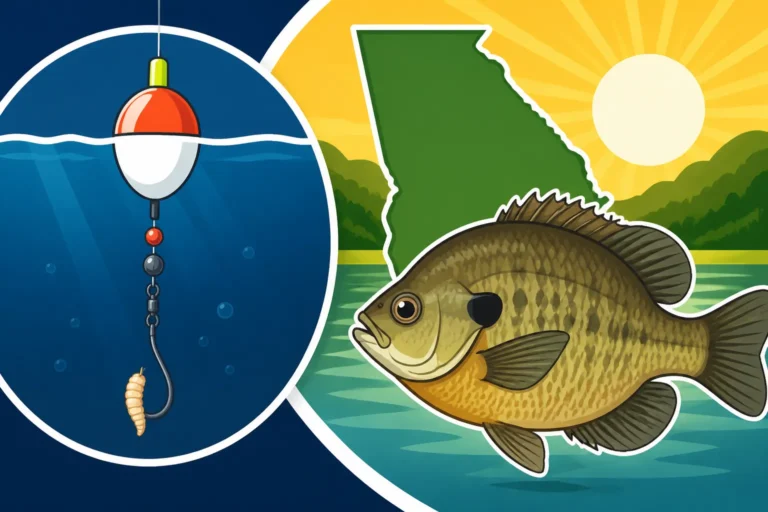
- Attach the bobber: Place your bobber about 12-24 inches above the sinker. The depth depends on where you think the fish are. If they're feeding closer to the surface, keep it shallower. If you're fishing deeper water, set it deeper. The bobber is crucial because it suspends the bait and, most importantly, provides a visual cue when a fish bites!
Here’s a quick visual of a basic bluegill rig:
| Component | Purpose | Placement |
|---|---|---|
| Rod & Reel | Casting and retrieving | Holds the line |
| Fishing Line | Connects all components to the rod | Runs from reel through rod guides |
| Bobber | Indicates bites, suspends bait at depth | 12-24 inches above sinker/hook |
| Split Shot | Adds weight for casting, sinks bait | 4-6 inches above the hook |
| Hook (Size 8-10) | Holds the bait, catches the fish | Tied to the end of the line |
| Bait | Attracts the fish | On the hook |
We actually have a detailed guide on How to Rig a Bobber for Bream which might be a fantastic visual aid for you and your young angler!
Mastering the Push-Button Cast
The push-button spincast reel is a game-changer for kids. Show them these simple steps:
- Hold the rod: One hand on the reel, thumb resting on the push-button.
- Press the button: Keep it pressed down. This releases the line.
- Bring the rod back: Like they're checking a watch, bring the rod back over their shoulder, keeping an eye on where the bait is.
- Swing forward: In one smooth motion, swing the rod forward towards the target.
- Release the button: Just as the rod tip is pointing at the target, release the button. The bait should fly out.
- Catch the line (optional): Teach them to lightly tap the button again or crank the handle once the bobber hits the water. This re-engages the reel and stops the line from spooling out further.
Practice without a hook or bait in the backyard first, maybe casting into a bucket. Make it a fun game! It builds muscle memory and confidence before you even get to the water. This is a great example of Basic Fishing Techniques Every Beginner Should Know that applies directly to this situation.
What to Do When They Get a Bite
This is the moment of truth! Explain to your child what to look for:
- The bobber goes down: It might dip, wiggle, or completely disappear under the water. That's a bite!
- Set the hook: When the bobber goes down, tell them to gently lift the rod tip straight up (not a huge, wild swing). This sets the hook in the fish's mouth.
- Reel it in: Once the hook is set, they can start slowly reeling the fish in. Remind them to keep the rod tip up to maintain tension on the line.
Celebrate every nibble, every bump, and every fish, no matter how small. The joy of feeling that tug and bringing in their very first fish is an experience that will stay with them forever.
Finding the Best Spots and Keeping Them Engaged
You've got the gear, you've got the skills (or you're learning them!), now you need to put it all together in the right location with the right mindset. Fishing with kids isn't just about catching fish; it's about fostering a love for the outdoors and creating lasting memories.
Prime Bluegill Habitats in Georgia
Knowing where bluegill like to hang out significantly increases your chances of success. In Georgia, these little fish are pretty predictable.
- Docks and Piers: Any public fishing dock or pier on a lake or pond is a bluegill magnet. The structure provides shade and cover, attracting baitfish and insects, which in turn attract bluegill. Often, you can just drop a line straight down beside a dock piling and get a bite.
- Shallow Coves and Pockets: Look for calmer, shallower areas, especially those with some vegetation. Bluegill love to cruise these areas, foraging for food.
- Lily Pads and Aquatic Vegetation: Thick lily pads, submerged grasses, or cattails are prime bluegill territory. They offer cover from predators and are abundant with insect life. Cast your bobber just to the edge of the vegetation.
- Public Fishing Areas (PFAs) and State Parks: Georgia has an excellent network of Public Fishing Areas and State Parks that are specifically managed for easy bank access and good fishing, often stocked with various panfish. These are fantastic places to take kids. Consider checking out some of the Georgia State Parks with the Best Fishing Ponds for some great options.
- Ponds: Small, local ponds are often teeming with bluegill and offer a more intimate, less overwhelming fishing experience compared to vast reservoirs.
Accessibility is key when choosing a spot with kids. Look for places with easy bank access, restrooms nearby, and maybe even a picnic area. You want to make it comfortable for them to get to and enjoy the fishing, not an arduous trek. Our article on Best Kid-Friendly Fishing Ponds in Georgia can point you toward some excellent family-friendly locations.
Keeping the Fun Factor High (Beyond Just Catching)
Let's be realistic: kids can get bored, even when the fish are biting. Fishing with children is as much about the overall experience as it is about landing a fish.
- Short Sessions: Don't plan for an all-day epic. An hour or two is often plenty, especially for younger kids. You can always come back for another session if they're still enthusiastic.
- Snacks and Drinks: Non-negotiable! Hungry or thirsty kids are grumpy kids. Pack plenty of their favorite snacks and drinks.
- Explore and Observe: Take breaks from casting to look for turtles, frogs, ducks, or interesting insects. Point out birds or plants. Turn it into a nature exploration.
- Let Them Help: Even if it's just holding the bait bucket or carrying a small tackle box, giving them responsibilities makes them feel involved and important.
- Celebrate Everything: The first cast, the first splash, the first bobber wiggle, the first fish caught (no matter how small!). High-fives, cheers, and genuine enthusiasm from you will fuel their excitement. Remember, this isn't about your personal best; it's about their first best.
- Bring a Camera: Capture those smiles and proud moments!
Don't put too much pressure on catching fish. Sometimes, the most memorable trips are those where you spend more time laughing, talking, and enjoying the outdoors together, with a few fish caught as a bonus. You're teaching them patience and appreciation for nature, which are invaluable life skills.
Catch and Release (or Keep a Few Responsibly)
This is a wonderful opportunity to teach environmental stewardship and responsible angling.
- Catch and Release: Demonstrate how to gently remove the hook and carefully release the fish back into the water. Explain why it's important to keep some fish for future generations. This is especially easy with barbless hooks.
- Keeping Fish: If you plan to keep some bluegill for a fresh fish fry (and they are delicious!), teach them about creel limits and size limits (check local Georgia fishing regulations) and how to properly store the fish in your cooler immediately. This teaches them about responsible harvesting and that fishing can provide food.
No matter which approach you choose, make sure to wash hands thoroughly, especially if you're going to dive into those snacks! By engaging with them on these aspects, you're not just teaching them how to fish, but how to be thoughtful, respectful participants in the outdoor world. After all, the goal is to cultivate a lifelong love for Georgia fishing, and a positive first experience is the perfect foundation.
Disclaimer
This article is for general informational purposes only and does not constitute professional advice. Laws, prices and regulations vary by location and change over time. Consult a qualified professional for guidance on your specific situation.