How to Anchor for Catfish Fishing
There's nothing quite as frustrating as finally finding that perfect catfish hole, getting your lines set, and then realizing you're slowly but surely drifting out of the strike zone. Whether you're battling a stubborn current on a big river or a relentless breeze on a wide-open reservoir, staying put can be half the battle when you're targeting big catfish. This guide is all about helping you master the art of anchoring, ensuring your bait stays exactly where you want it so you can focus on the fight, not the drift.
Why Anchoring is Absolutely Essential for Catfish Success
Let's be honest, we've all been there. You pull up to what looks like a prime spot – maybe a deep channel bend, a submerged hump, or a brush pile you spotted on your sonar. You drop your baits, feeling confident. But then, five minutes later, you look up and realize the bank looks a little different, your lines are bowing, and your baits are now who-knows-where. This constant battle against drift isn't just annoying; it directly impacts your fishing success, especially for species like catfish that often congregate in specific feeding lanes or structure.
Battling Currents and Wind
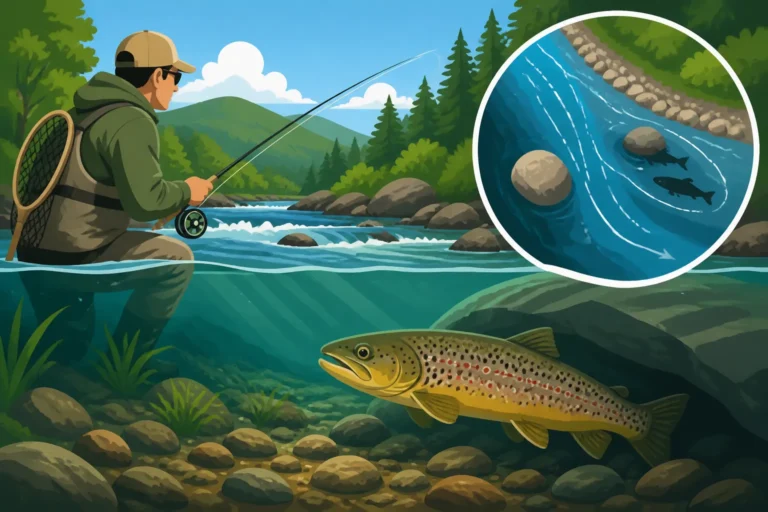
Catfish, particularly blues and flatheads, are often found in areas with good current, whether that's a river channel, a dam outflow, or a creek mouth feeding into a lake. This current brings food to them, but it also makes presenting your bait accurately a real challenge. Without a solid anchor system, your boat will constantly be pushed downstream, dragging your baits away from the prime feeding zones and potentially tangling your lines. Similarly, even on seemingly calm lakes, a persistent breeze can create enough drift to ruin your presentation. Imagine trying to target a small brush pile with your bait being pulled 50 feet past it every few minutes. It’s an exercise in futility.
Maintaining Optimal Bait Presentation
Catfish are often opportunistic feeders, but they still have preferences for where and how they find their food. Anchoring allows you to precisely position your boat, which in turn lets you precisely position your baits. If you're targeting a specific log jam or a drop-off where you know the big ones are holding, dropping anchor upstream and letting your baits drift down into that sweet spot is key. It lets your bait sit naturally on the bottom or suspend just above it, exactly where a hungry channel, blue, or flathead catfish expects to find a meal. Without anchoring, your baits are constantly moving, making it harder for a fish to commit and pick up your offering. This is especially true when you're trying to perfect your How to Bottom Fish for Catfish technique.
Enhancing Angler Comfort and Safety
Beyond the fishing itself, anchoring provides a stable platform that significantly improves your comfort and safety on the water. Imagine constantly needing to adjust your trolling motor or paddle, fighting the elements just to stay in one place. That's exhausting and distracting. A properly set anchor means you can relax, focus on your rod tips, and enjoy the experience. It also means less chance of accidental bumps into submerged obstacles or other boats. Plus, in strong winds or currents, having a secure anchor can prevent your boat from being pushed into dangerous situations, like shallow rapids or crowded areas. It’s about creating a calm, controlled environment so you can concentrate on reeling in that trophy cat.
Choosing the Right Anchor for Georgia Catfish Fishing
Just like you wouldn't use a tiny panfish hook for a trophy blue cat, you wouldn't use a small grappling anchor for a big river. The right anchor for your Georgia catfish adventure depends heavily on where you're fishing, the size of your boat, and the bottom composition. Understanding the options is your first step to staying put.
Anchor Types for Different Scenarios
Georgia offers a diverse range of catfishing environments, from the swift flows of the Flint River to the vast, open waters of Lake Lanier and Lake Oconee. Each calls for a different anchor strategy.
Fluke Anchors (Danforth Style)
Fluke anchors are a popular choice for many anglers, especially on softer bottoms like mud or sand, which are common in many of Georgia's lakes and slower-moving rivers. They have large, flat flukes that dig deep into the bottom, providing excellent holding power. They're relatively lightweight for their holding power and easy to store.
- Best Use Cases: Ideal for moderate currents and winds on muddy or sandy lake beds, or in slower river sections. Think of those calmer coves on Lake Sinclair or the broad, less swift stretches of the Ocmulgee River. They'll dig in and hold you steady without too much fuss.
- Considerations: They don't hold as well on hard, rocky bottoms or in heavy weeds, as the flukes can't penetrate effectively. If you're trying to anchor over a rocky shoal, a fluke anchor might just skip along the bottom, making it a frustrating experience.
River Anchors (Box Anchors or Mushroom Anchors)
When you're dealing with serious current, especially in Georgia's larger rivers like the Savannah River or the Altamaha, a dedicated river anchor is often the best bet. These are typically heavier and designed to dig in or rely on sheer weight. Box anchors, with their open, box-like design, catch and hold silt and debris, adding to their holding power. Mushroom anchors, while primarily for small boats in very soft mud, can be effective in certain slow-moving, silty river sections.
- Best Use Cases: Absolutely essential for swift river currents where other anchors might drag. They excel in sandy, silty, or even somewhat rocky riverbeds where their weight and design allow them to settle and hold firm. If you're thinking about Where to Catch Channel Catfish in Georgia rivers, you'll definitely want one of these.
- Considerations: Their weight can make them cumbersome to deploy and retrieve, especially without a power winch. They are also less effective on very hard, flat rock where they can't get a purchase.
Grapnel Anchors
Grapnel anchors, characterized by their four or more folding prongs, are fantastic for specific situations. They are light and compact when folded, making them easy to store.
- Best Use Cases: Primarily used for smaller boats, kayaks, and canoes, especially when targeting rocky bottoms or areas with submerged timber or brush. The prongs can snag onto rocks or branches, providing a surprisingly strong hold for their size. If you're fishing smaller creeks for catfish or trying to position your kayak near a specific piece of structure, a grapnel can be very effective.
- Considerations: While they excel at snagging, that's also their biggest downside – they can get permanently snagged. Always be prepared to lose one if you're using it in heavy cover. They also don't provide great holding power on soft, open bottoms.
Matching Anchor Weight to Your Boat and Conditions
Choosing the right anchor isn't just about the type; it's also about weight. A common mistake is using an anchor that's too light for your boat or the conditions. This leads to constant dragging, re-anchoring, and ultimately, a lot of frustration.
General Guidelines
As a rule of thumb, heavier is generally better for catfishing, especially in currents or wind. You want an anchor that can dig in or settle quickly and resist being pulled up easily.
- Small Boats (Kayaks, Canoes, Jon Boats <16ft): A 5-10 lb anchor is often sufficient in mild conditions, but you might want to size up to 10-15 lbs if you frequently encounter current or wind. A heavier grapnel or a small river anchor could be ideal.
- Medium Boats (16-20ft Bass Boats, Center Consoles): For these boats, a 15-25 lb anchor is a good starting point. A fluke anchor will work well in lakes, but a 20-30 lb river anchor will be your best friend on major rivers.
- Large Boats (20ft+ Pontoons, Larger Fishing Boats): You'll need substantial holding power. Look at 25-40 lb anchors, potentially even heavier for robust river anchoring. A large fluke or a heavy box-style river anchor is appropriate.
Don't Forget the Rode!
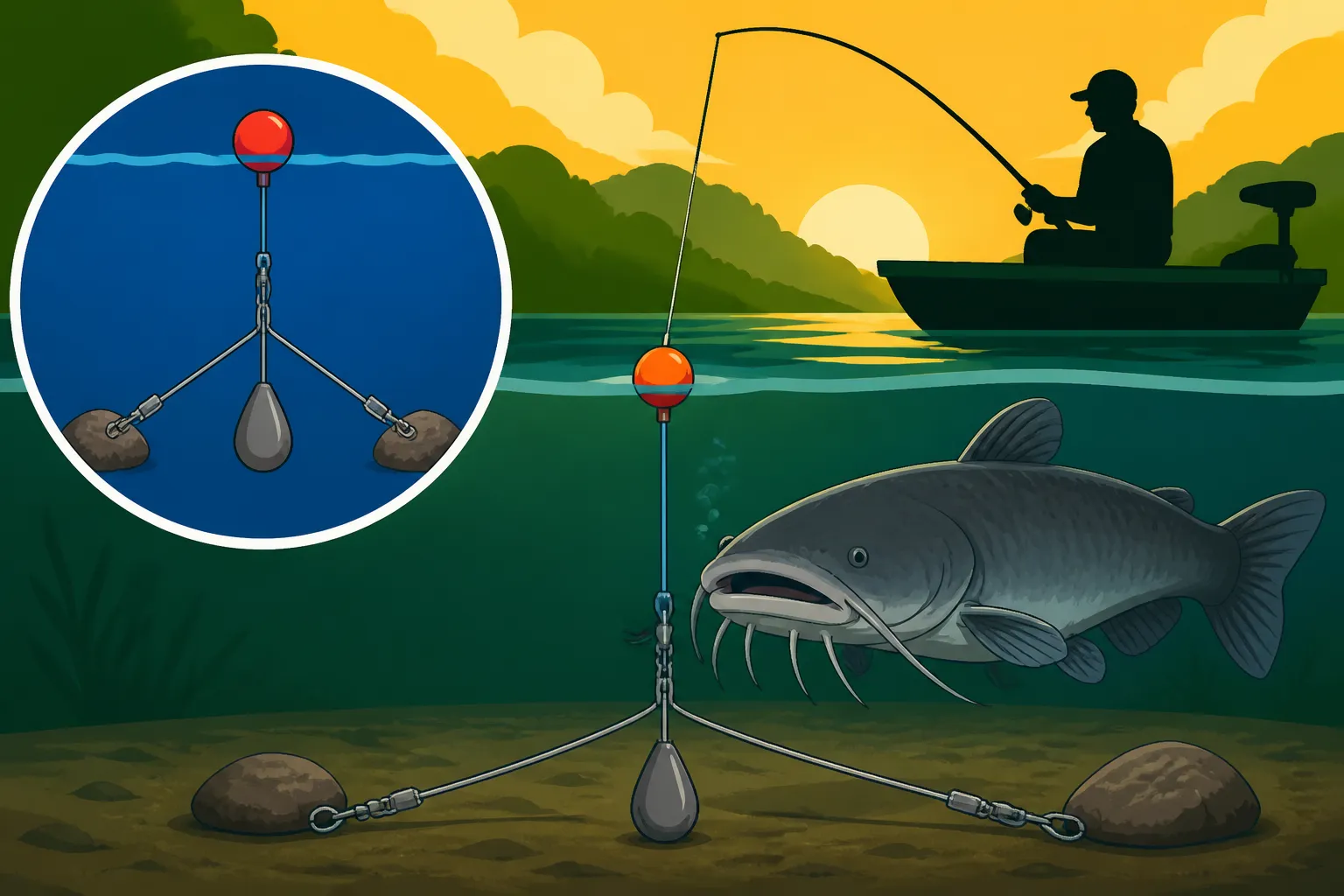
The anchor itself is only half the equation. The anchor rode – the line connecting your anchor to your boat – is equally crucial. You need plenty of it. The general rule is to have an anchor rode length that is 5-7 times the depth of the water you're anchoring in (the scope). So, if you're in 10 feet of water, you'll need 50-70 feet of line deployed for your anchor to properly dig in at a low angle and hold effectively. For really strong currents, you might even need more scope. A few feet of chain between your anchor and the rope also helps the anchor lie flat and dig in better, significantly increasing its holding power.
Mastering Your Anchoring Techniques for Catfish
Knowing what anchor to use is great, but knowing how to use it effectively is where the real magic happens. There's more to anchoring than just tossing it overboard; a little technique goes a long way in keeping you on that prime catfish spot.
The Art of a Secure Set
A properly set anchor ensures you stay put, even when the wind kicks up or the current tries to push you around. It's not about brute force; it's about physics and patience.
- Approach Slowly, Upstream or Upwind: Start by approaching your desired fishing spot slowly, moving against the current or wind. This allows you to assess the conditions and gives you control.
- Pass Your Target: Drive past your target spot by about 50-70 feet (depending on your intended scope – remember that 5-7x depth rule!). You want to be "upstream" or "upwind" of where you actually want your boat to end up.
- Drop and Pay Out Rode: Once you're past your spot, drop your anchor. Don't just heave it; let it descend quickly but controlled. As the anchor sinks and hits the bottom, continue to slowly move downstream or downwind, paying out your anchor line smoothly. You want the anchor to drag along the bottom, allowing its flukes or prongs to dig in.
- Feel for the Set: You'll feel a distinctive "thunk" or "grab" when the anchor digs in. The boat's movement will slow, and you'll feel the tension come onto the line. If you don't feel a good set, retrieve the anchor and try again. Sometimes, you need to "power set" it by gently using your motor to pull against the anchor, ensuring it digs deep.
- Check Your Position: Once set, observe your boat's position relative to your target. You should be holding steady. If you're still drifting or swinging too much, you might need to pull up and re-set, adjusting your initial drop point or paying out more rode. This patient process is vital for success, especially if you're trying to fish those productive Best Catfish Fishing Spots in Georgia where precision matters.
Dual Anchoring for Ultimate Stability
Sometimes, one anchor just isn't enough, especially in strong currents or gusty winds. This is where dual anchoring comes in. Using two anchors, typically one off the bow and one off the stern, can create a much more stable fishing platform, almost eliminating boat swing.
Bow and Stern Set-Up
This is the most common and effective dual anchoring method.
- Drop the First Anchor (Upstream/Upwind): Follow the single anchoring technique outlined above, dropping your first anchor well upstream or upwind of your desired spot. Pay out sufficient rode.
- Drift Past Your Target: As the first anchor sets and begins to hold, slowly drift downstream or downwind, past your target fishing zone.
- Drop the Second Anchor (Downstream/Downwind): Once you are a good distance past your target and the first anchor, drop your second anchor off the opposite end of the boat (e.g., if the first was off the bow, drop the second off the stern).
- Adjust for Position: Now, slowly retrieve line from the first anchor while paying out line from the second, or vice-versa, until your boat is precisely positioned over your desired spot, held taut between the two anchors. This prevents your boat from swinging side to side or drifting, giving you a rock-solid platform. This method is particularly useful when you're trying to work specific areas, avoiding any interference with Jug Fishing for Catfish or Trotline Fishing Explained that might be set nearby.
Considerations for Dual Anchoring
- More Gear: You'll need two anchors and two anchor rodes, which means more weight and space taken up in the boat.
- More Effort: Setting and retrieving two anchors takes more time and effort than one.
- Worth It for Tough Conditions: The stability gained, especially in challenging conditions on expansive waters like Clarks Hill Lake or West Point Lake, often makes the extra effort well worth it. You’ll be able to keep your bait exactly where the fish are without constant adjustment.
Essential Anchoring Gear and Safety Tips
Having the right anchors is a start, but having the complete package of gear and knowing a few safety tips will make your catfishing trips much smoother and safer.
Must-Have Anchoring Accessories
Don't skimp on the accessories; they make a world of difference in usability and safety.
Anchor Rode (Rope and Chain)
As mentioned before, ample anchor rode is critical. You'll want marine-grade rope, usually nylon, which has good stretch to absorb shock loads. For the chain, about 6-10 feet of galvanized chain between the anchor and the rope is ideal. The chain helps the anchor lay flat, dig in, and adds weight near the bottom, improving holding power. You can find robust anchor rodes and chains at most marine supply stores or even online on platforms like Amazon.
Anchor Pulleys and Cleats
A bow-mounted anchor pulley system (often called a bow roller or anchor davit) makes deploying and retrieving heavier anchors much easier, especially if you're fishing solo. Strong, securely mounted cleats are essential for tying off your anchor line. Make sure they are rated for the stress of anchoring your boat in adverse conditions. Flimsy cleats can snap under pressure, leading to a lost anchor or, worse, a dangerous drift.
Anchor Retrieval Systems
For those times when your anchor gets snagged – a common occurrence when fishing for big catfish around submerged timber – an anchor retrieval ring or a dedicated anchor puller can be a lifesaver. These devices allow you to pull the anchor from a different angle, often freeing it from snags. If all else fails, a sharp knife to cut a hopelessly snagged line is your last resort, so always have one readily accessible. Nobody wants to lose their favorite anchor, especially after investing in quality gear for their Best Catfish Gear for Georgia Rivers and Lakes setup.
| Anchor Type | Best for Bottom Type | Current/Wind Resistance | Pros | Cons |
|---|---|---|---|---|
| Fluke (Danforth) | Mud, Sand | Moderate | Excellent holding in soft bottoms, light | Poor on rock/heavy weeds |
| River (Box/Mushroom) | Sand, Silt, Some Rock | High | Very strong hold in current, heavy | Heavy, can be cumbersome |
| Grapnel | Rock, Weeds, Submerged Cover | Low-Moderate | Compact, good for snagging structure | Prone to permanent snags, poor on soft bottom |
Safety First When Anchoring
Anchoring seems straightforward, but there are a few critical safety considerations you should always keep in mind to prevent accidents.
Always Secure the Line
Before dropping anchor, ensure the bitter end of your anchor line is securely fastened to a strong cleat on your boat. Losing your anchor and line overboard is a nuisance; losing control of your boat because of it can be a serious safety hazard, especially in busy waterways or near obstacles. Double-check that knot!
Avoid Anchoring in Active Channels
While catfish love current, anchoring in the middle of an active navigation channel on a major river is dangerous and often illegal. You risk collision with larger vessels that cannot easily maneuver around you. Always choose spots out of the main thoroughfare, and if you must be near a channel, ensure you have proper lights and signals, especially at night. For instance, if you're night fishing for catfish, visibility is paramount.
Be Mindful of Obstructions
Before dropping anchor, take a good look at your surroundings. Are there power lines overhead? Submerged cables? Other boats anchored nearby? Give yourself plenty of room. If you're fishing near known fishing spots, always be aware of your surroundings, especially if you're using multiple lines or trying to rig a specialized bait for big Blue Catfish Identification and Size. You want to enjoy your time on the water, not worry about dangerous situations.
Retrieval Precautions
When retrieving a heavy anchor, especially after a long day, be careful with your back. Use your boat's momentum or a dedicated retrieval buoy to help float the anchor if it's really stuck. Never stand directly in the line of a taut anchor rope; if it snaps or the anchor breaks free, you could be injured. When reeling in your anchor, handle the wet, muddy chain and anchor carefully. You might even consider having a pair of gloves on hand, which you can easily find on Amazon, to protect your hands from abrasions and dirt.
Ultimately, effective anchoring means more time with your bait in the water, more comfort for you, and a better chance at landing those impressive Georgia catfish. So, the next time you head out, choose your anchor wisely, set it with confidence, and enjoy the steady ride.
Disclaimer
This article is for general informational purposes only and does not constitute professional advice. Laws, prices and regulations vary by location and change over time. Consult a qualified professional for guidance on your specific situation.