Winter Fishing at Lake Sinclair While Other Georgia Lakes Slow Down
Ah, the chill of winter starts to creep into the air, and for many Georgia anglers, that means packing away the rods, or at least bracing themselves for slow, frustrating days on the water. It’s a common heartache, isn't it? You love the peace of the quiet season, but the fish just seem to vanish. But what if I told you there’s a secret weapon in Georgia’s angling arsenal, a place where the bite often stays hot even when other lakes are practically frozen solid? This guide is all about diving deep into why Lake Sinclair remains a vibrant fishing destination through the colder months, and how you can make the most of its unique winter warmth.
The Winter Blues: Why Most Georgia Lakes Slow Down
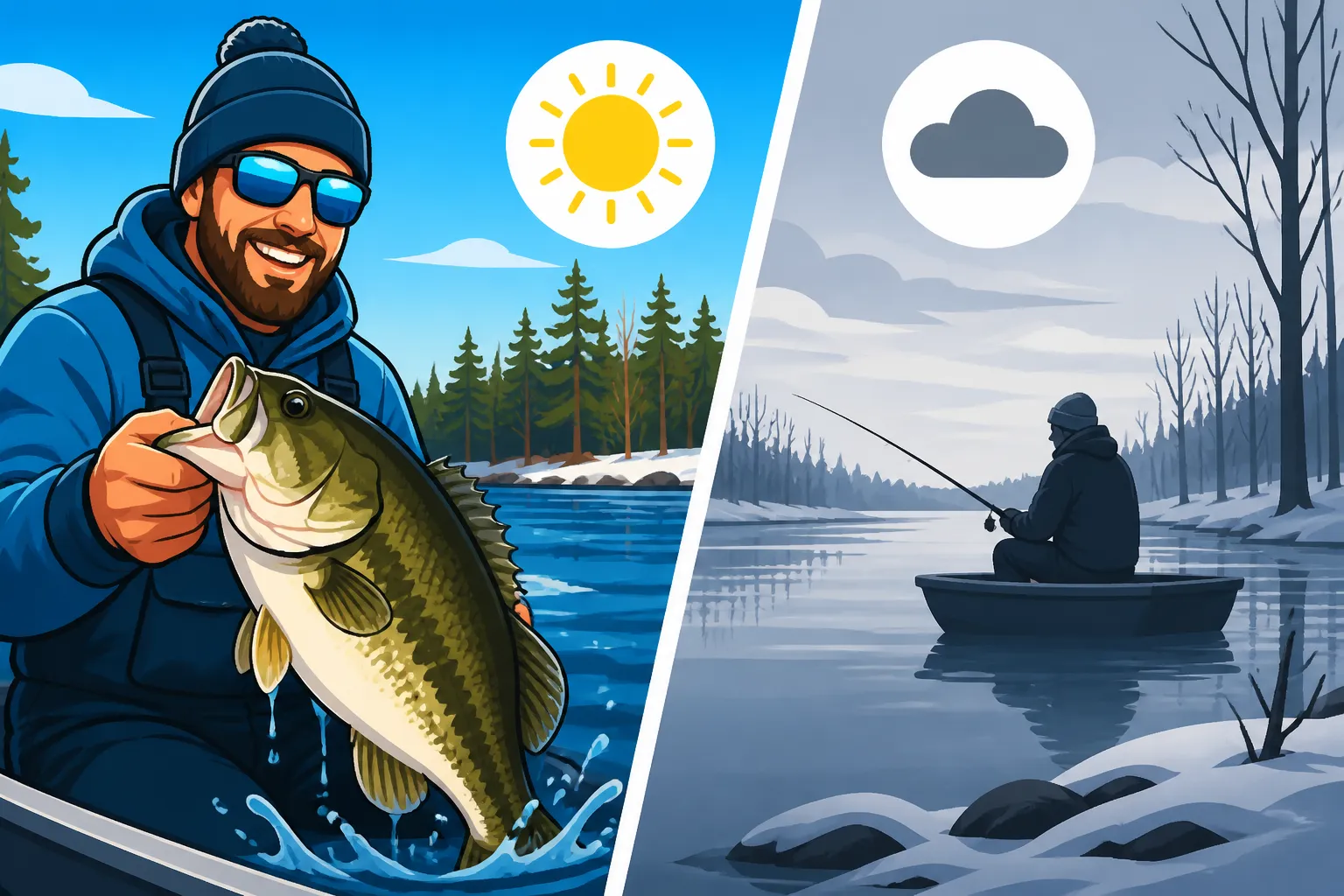
Let's be real, facing a cold, crisp winter morning on a lake that's suddenly gone quiet can be incredibly disheartening. You bundle up, load the boat, and head out with high hopes, only to spend hours seeing very little action. It feels like the fish have just decided to take a long winter nap, and in a lot of cases, you wouldn't be far off. This isn't just a Georgia phenomenon; it's a fundamental biological response that most fish species share when water temperatures plummet. The frustration is absolutely valid—you're working hard for little reward, and it can really dampen your enthusiasm for winter angling.
Understanding Fish Metabolism in Cold Water
Think about it this way: fish are cold-blooded creatures. Their body temperature, and subsequently their metabolic rate, is directly tied to the temperature of the water around them. When the water gets cold, their metabolism slows down significantly. This isn't a switch they flip, but a gradual winding down, much like a bear preparing for hibernation. For species like largemouth bass, crappie, and even most catfish, this means they don't need to eat as frequently or as much to sustain themselves. Their energy demands are drastically reduced.
For anglers, this translates to fish that are far less aggressive. They won't chase a fast-moving bait with the same vigor they would in spring or summer. They conserve energy, often holding tight to cover or structure, waiting for an easy meal to come right to them, rather than expending precious calories pursuing it. It's a survival mechanism, but it certainly makes our job as anglers a whole lot harder when we're trying to entice a bite. Understanding this basic principle is key to adapting your approach, especially when venturing out onto lakes where this cold-water effect is in full swing. If you're looking for more general insights into how fish behave throughout the year, our guide on Georgia Fishing Seasons by Month can offer a broader perspective.
Seasonal Migration to Deeper, Stable Waters
As surface temperatures drop, most fish will instinctively seek out more stable thermal environments. And where do they find that? Usually, it's in deeper water. Water layers in lakes can become stratified, with the coldest water at the surface and slightly warmer (or at least more stable temperature) water at the bottom, especially in deeper pockets. This means fish will often move from shallow flats and shorelines to congregate in creek channels, river bends, deep timber, or around significant submerged structures.
Locating these deep-water havens becomes the primary challenge. Fish aren't just sitting anywhere; they're often stacked up in specific areas, creating small "honey holes" that can be incredibly productive if found. However, finding these needle-in-a-haystack spots on vast reservoirs without the aid of modern electronics, or a whole lot of local knowledge, can feel like an impossible task. The lack of active chasing behavior also means that presentation becomes paramount. Your bait needs to be presented slowly, directly in front of their noses, and often with minimal movement, enticing a strike out of pure instinct rather than hunger-driven aggression. For those interested in the science behind it, How Water Temperature Affects Fish Behavior delves into this topic in more detail.
Lake Sinclair: Georgia's Winter Fishing Anomaly
Now, let's talk about the shining star of Georgia winter fishing: Lake Sinclair. While many anglers are hanging up their rods, those in the know are heading to Sinclair, and for a very good reason. This lake doesn't play by the same rules as its colder counterparts. It offers a unique advantage that keeps fish active and biting, making it a true anomaly in the chilly Georgia landscape. If you've ever wondered Why Lake Sinclair Fishes Better in Winter Than Other Georgia Lakes, you're about to find out the secret.
The Warm Water Discharge Effect
The primary reason Lake Sinclair remains a winter fishing hotspot is the presence of the Plant Branch Steam Plant. This coal-fired power plant, operated by Georgia Power, utilizes water from Lake Sinclair for its cooling processes. After being used, the warmed water is then discharged back into the lake. This creates a significant thermal plume that dramatically raises the water temperature in certain areas, particularly in the northern sections of the lake near the plant and extending down the Oconee River arm.
The discharge area itself, along with the channels and bays closest to it, can maintain water temperatures significantly higher than the rest of the lake, and certainly higher than other lakes in the state. We're talking about areas that can be 10, 15, or even 20 degrees Fahrenheit warmer than typical winter lake temperatures. This consistent input of warmer water essentially creates a microclimate within the lake, a haven for fish that would otherwise be sluggish and deep-seated. It’s like a natural magnet, drawing in a wide variety of species seeking comfort and sustained metabolism. This warm water discharge is the engine that drives Lake Sinclair's winter fishery, creating a lively ecosystem even when much of Georgia is shivering.
Consistent Fish Activity Despite the Season
Because of this constant warm water influx, fish in Lake Sinclair’s affected areas don't experience the drastic metabolic slowdown seen elsewhere. Their systems keep humming along at a more elevated rate, meaning they need to feed more regularly and remain more active. This is a game-changer for anglers! Instead of sluggish, hard-to-find fish, you're dealing with fish that behave much more like they would in early spring or late fall.
You'll find species like largemouth bass, striped bass, crappie, and various catfish species all benefiting from the warmer water. They'll be more willing to move, chase, and strike baits, making for a much more engaging and often more productive fishing experience. This isn't to say winter fishing on Sinclair is always easy – it's still winter, after all – but the consistency of the bite and the sheer number of active fish far surpasses what you'll encounter on most other Georgia reservoirs. The warmer water helps maintain a healthier food chain too, keeping baitfish active, which in turn keeps the predatory species on the hunt. For specifics on some of these species, you might want to read our comprehensive guide on Georgia Fish Species: A Complete Guide to What's Swimming in Your Lakes.
Strategies for Successful Winter Fishing on Lake Sinclair
Alright, so you know why Lake Sinclair is the spot, but knowing how to fish it effectively in winter is the next step. It's not just about showing up; it's about understanding the specific patterns and presentations that will put fish in your boat (or on the bank!). The power plant discharge creates a unique environment, and your tactics need to match it.
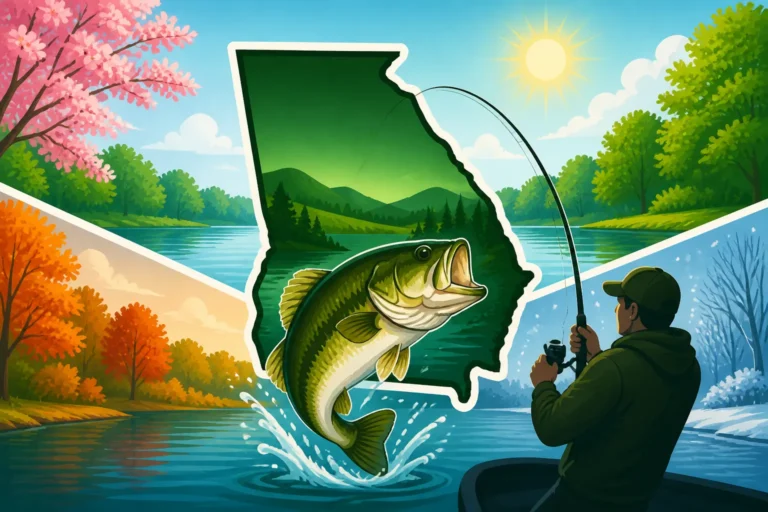
Targeting Bass in Sinclair's Warmer Zones
For bass anglers, Lake Sinclair in winter is a thrilling proposition. Unlike other lakes where bass bury themselves deep and require painstaking slow presentations, Sinclair's warmer zones mean the bass are often shallower and more aggressive. Focus your efforts in the main river channel coming into the discharge, the immediate discharge area, and the first few creek arms that receive the warmest water. Areas with rip-rap, rocky banks, docks, and submerged timber in these warmer zones are prime real estate.
Lure Selection and Presentation:
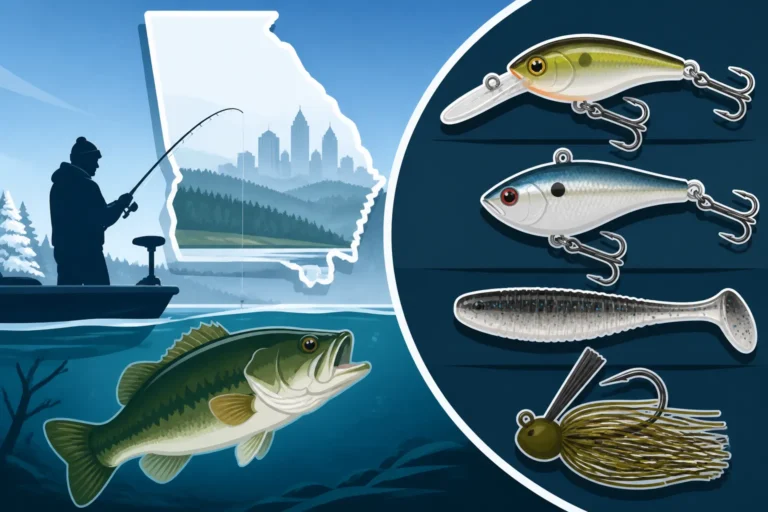
- Crankbaits: Medium-diving crankbaits in shad patterns or crawfish colors can be incredibly effective. The warmer water keeps baitfish active, and bass will be targeting them. Don't be afraid to try a slightly faster retrieve than you might usually for winter fishing.
- Jigs: Flipping and pitching jigs (1/2 to 3/4 ounce) with bulky trailers around boat docks, seawalls, and blowdowns in the warmer pockets is a classic tactic. These fish still appreciate a slower, more deliberate presentation when holding tight to cover.
- Spinnerbaits: When there's a bit of cloud cover or wind, a spinnerbait in chartreuse and white or shad patterns can tempt active bass. Experiment with retrieve speeds, but a slow roll is often best.
- Soft Plastics: Texas-rigged worms or creature baits worked slowly along the bottom of creek channels or around stumps can produce bites, especially on colder days when bass might be a touch more lethargic, even in the warm water.
- Jerkbaits: A suspended jerkbait can be deadly. Cast it out, twitch it a few times, and then let it pause for an extended period. The erratic action and long pause mimic a struggling baitfish, irresistible to a hungry bass.
Remember, even in warm water, bass can still be a bit finicky. Pay attention to water color and clarity, as that can influence your lure choices. Areas with warmer, stained water often respond well to brighter colors, while clearer water might call for more natural hues. If you're looking for gear, searching "bass fishing lures" on Amazon can yield a vast array of options to stock your tackle box for Sinclair.
Crappie and Catfish Tactics for Winter
Lake Sinclair is renowned for its crappie and catfish fishing year-round, and winter is no exception thanks to the warm water discharge.
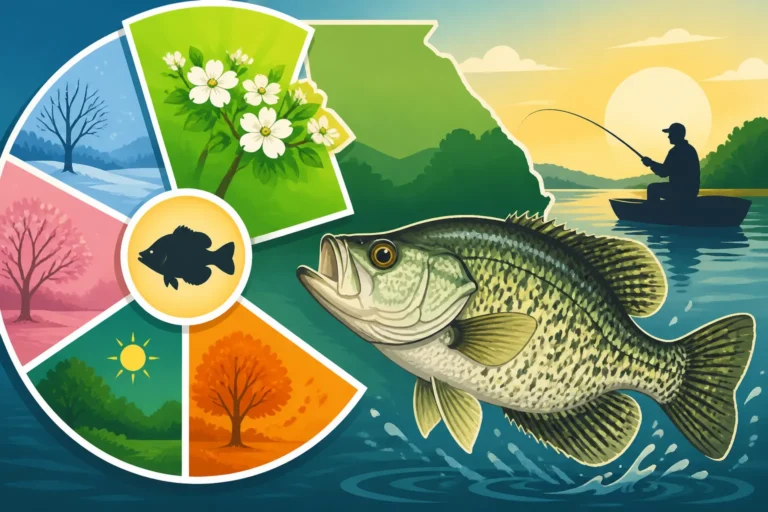
Crappie Fishing:
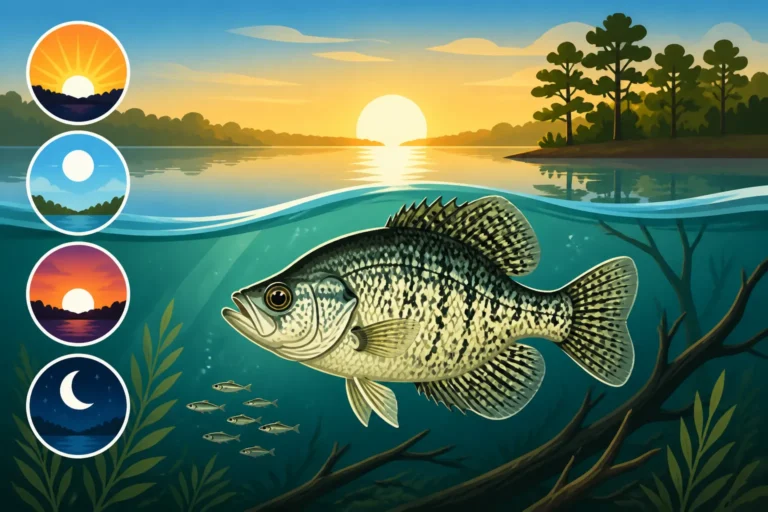
Crappie absolutely thrive in Sinclair's winter conditions. They'll congregate in large schools around brush piles, submerged timber, and bridge pilings in the warmer creek channels.
- Jigging: This is a go-to technique. Small 1/16 to 1/8 ounce jigs in chartreuse, white, or black/chartreuse are deadly. Tip them with a small minnow for extra appeal. Slow vertical jigging directly over structure is key. You can learn more about How to Jig for Crappie in our detailed guide.
- Minnows under a Bobber: A classic for a reason. Present a live minnow under a slip bobber set to the depth of the crappie. This allows for precise depth control, crucial when they're holding tight to structure.
- Spider Rigging: For boat anglers, spider rigging (using multiple rods out the front of the boat to present baits at different depths) is incredibly effective for covering water and finding schools.
The warmest pockets and the channels leading to them are often the most productive.
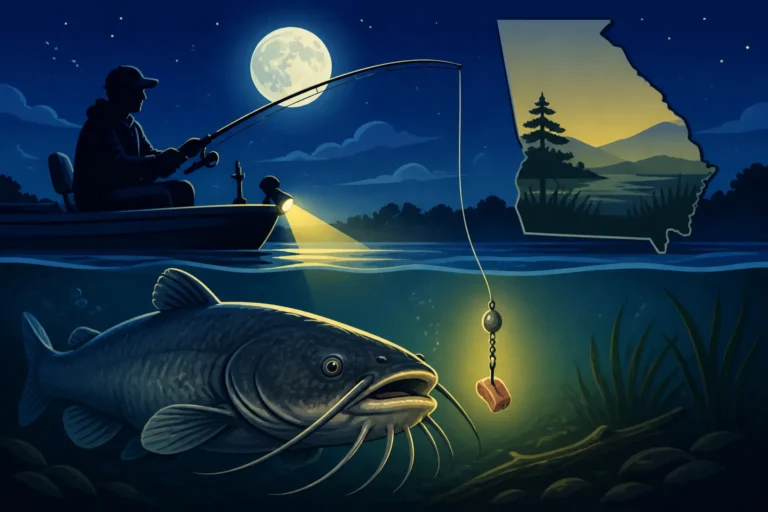
Catfish Fishing:
Sinclair's catfish, including channel, blue, and flathead, also remain active. The warmer water keeps them feeding, making winter an excellent time for targeting them.
- Bottom Fishing: The most popular method. Use a slip-sinker rig with cut bait (shad, bream), chicken livers, or commercial stink baits. Focus on the main river channel, deep holes, and creek mouths near the power plant discharge.
- Jug Fishing & Trotlines: These methods are also effective for covering larger areas and can yield impressive catches, particularly for bigger blue and flathead catfish. Always check Georgia regulations before using these methods. Our guide on How to Bottom Fish for Catfish provides more basic information on this effective technique.
For those looking for specific honey holes, keep an eye on areas near the power plant, especially the deeper bends in the Oconee River arm. You can also consult our piece on the Best Catfish Spots on Lake Sinclair, Georgia for more detailed locations.
Essential Gear for Winter Angling
Don't let the warmer water fool you entirely; it's still winter in Georgia! Dressing appropriately is crucial for comfort and safety.
- Layered Clothing: Start with a moisture-wicking base layer, add insulating layers (fleece, down), and top with a waterproof and windproof outer shell. You can always shed layers if the day warms up. A quick search on Amazon for "fishing base layers" or "waterproof fishing jacket" will show you a wealth of options.
- Warm Headwear and Gloves: A good beanie and a pair of insulated, waterproof gloves are non-negotiable. Cold hands and ears can quickly ruin a good day.
- Footwear: Waterproof, insulated boots are a must to keep your feet dry and warm.
- Electronics: A reliable fish finder with side imaging or down imaging can be invaluable for locating those deep-water schools of crappie and catfish, or finding bass relating to submerged structure. A portable fish finder can even be a game-changer for bank anglers.
- Rods and Reels: While specific gear depends on your target species, having a good quality, sensitive rod is key, especially for detecting subtle winter bites. Medium-light spinning rods for crappie and medium-heavy baitcasting or spinning rods for bass and catfish are generally good choices. If you're in the market, check out "fishing rod and reel combos" on Amazon to see what's available for different budgets and species. For a general overview, consider reading Best Rods and Reels for Georgia Fishing.
Planning Your Winter Trip to Lake Sinclair
A successful winter trip to Lake Sinclair requires a bit more planning than a spontaneous summer outing. Thinking through the logistics and tapping into local knowledge can significantly boost your chances of a memorable day on the water.
Best Access Points and Times
Lake Sinclair offers numerous public boat ramps and some excellent shore fishing opportunities, especially around the Georgia Power facilities and nearby parks.
- Boat Ramps: Several ramps provide access to the warmer sections of the lake. Popular choices include Rocky Creek Park, Dennis Station Park, and Little River Park. Check current conditions before heading out, as water levels can fluctuate, and some ramps might be more accessible than others.
- Shore Fishing: Areas around the Plant Branch Steam Plant outflow itself, and some of the public fishing piers in nearby parks, offer fantastic shore access. These spots often concentrate fish drawn to the warmth. Always respect private property and signage.
- Time of Day: While the warm water discharge provides a consistent thermal advantage, fish can still be more active during the warmest parts of the day, typically late morning through late afternoon. However, early mornings, especially if the air temperature isn't brutally cold, can still be productive as fish take advantage of stable conditions.
- Safety: Always let someone know where you're going and when you expect to return. Dress in layers, carry essential safety gear, and be mindful of changing weather conditions. The water might be warmer, but a fall overboard in winter is still a serious situation. Make sure you have the proper Georgia Life Jacket Laws for Boaters and Kids knowledge under your belt too.
Local Knowledge and Resources
One of the best ways to shorten your learning curve on Lake Sinclair in winter is to tap into the wealth of local knowledge.
- Bait and Tackle Shops: Local bait and tackle shops around Eatonton and Milledgeville are invaluable resources. They often have the most up-to-date information on where fish are biting, what baits are working, and current lake conditions. Don't hesitate to strike up a conversation!
- Fishing Guides: If you're serious about maximizing your time or are new to the lake, consider hiring a local fishing guide for a day. They can put you on fish, teach you specific techniques for Sinclair, and save you countless hours of searching.
- Online Forums and Social Media: Dedicated Georgia fishing forums or local Facebook groups for Lake Sinclair anglers can provide real-time reports and tips from fellow enthusiasts.
- Georgia DNR: The Georgia Department of Natural Resources (DNR) publishes fishing forecasts and stocking information that can be helpful, though they might not always be hyper-focused on winter patterns in specific warm-water areas.
Remember, every day on the water is a learning experience, but with Lake Sinclair, you have a unique advantage. Embrace the challenge, enjoy the comparative warmth, and you might just find your new favorite winter fishing destination. For more specific local insights, diving into guides like Lake Sinclair Fishing Spots can give you a head start on where to cast your line.
| Feature / Lake Type | Typical Georgia Lake (Winter) | Lake Sinclair (Winter) |
|---|---|---|
| Water Temperature | Cold, often below 50°F (10°C) | Significantly warmer in discharge areas (55-70°F, 13-21°C) |
| Fish Metabolism | Very slow; lethargic, reduced feeding | Moderately active; more consistent feeding |
| Fish Location | Deep, tightly schooled, inactive, difficult to locate | Often shallower in warm pockets, more spread out, active |
| Best Fishing Times | Midday, short windows of activity | Longer periods of activity, often all day |
| Primary Challenge | Finding inactive fish, coaxing a bite with slow presentations | Locating specific warm water areas, adapting to active fish |
| Commonly Caught Species | Bass, Crappie, Catfish (all less active) | Bass, Striped Bass, Crappie, Catfish (all more active) |
| Recommended Presentation | Slow, subtle, finesse | Can use faster, more aggressive retrieves in warm water |
Disclaimer
Please note that fishing regulations, conditions, and fish behavior can change. Always consult the latest Georgia Department of Natural Resources (DNR) guidelines and local advisories before planning your fishing trip. Stay safe on the water, and practice responsible angling.