Best Season for Striped Bass Fishing in Georgia
Finding those powerful, hard-fighting striped bass in Georgia can feel like a bit of a puzzle, especially with our diverse waterways and ever-changing seasons. Many anglers get frustrated trying to pinpoint the "right" time, often missing out because they're fishing when the stripers are either scattered or hunkered down. This guide is all about demystifying the seasonal patterns of Georgia's striped bass, helping you understand their movements, preferred habitats, and what it takes to consistently hook into these incredible fish, no matter the time of year.
Understanding the Georgia Striped Bass Life Cycle and Seasonal Movements
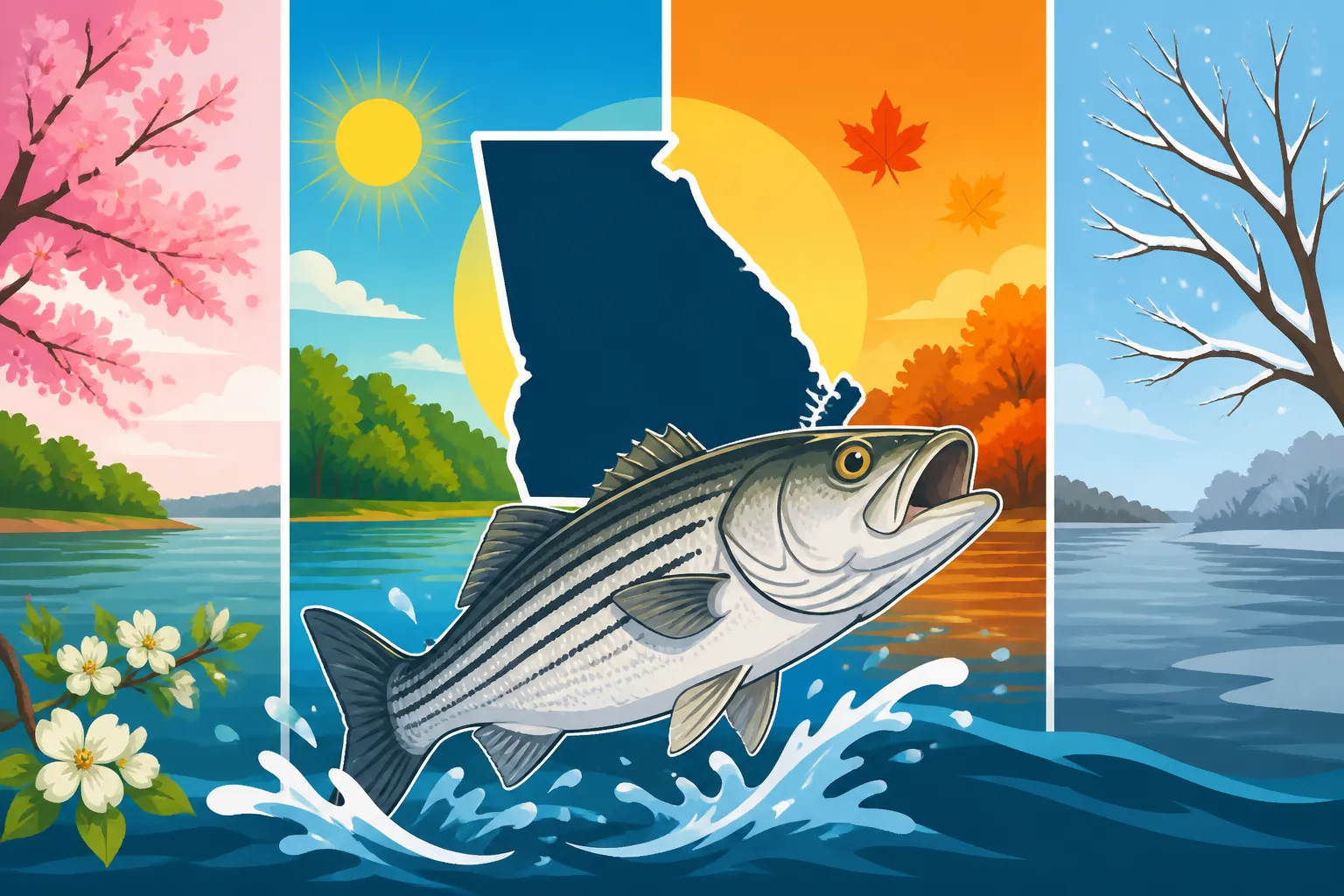
Striped bass, often simply called "stripers" by us Georgia anglers, are fascinating fish. Their behavior is heavily influenced by water temperature, forage availability, and their natural spawning instincts. Understanding these cycles is the absolute key to figuring out the best season for striped bass fishing in Georgia, and honestly, to catching them year-round. It’s not just about what month it is, but what the fish are doing during that month.
Spring Spawning Runs and Post-Spawn Recovery
Ah, spring! This is often considered one of the prime times for targeting stripers. As water temperatures begin to rise from the chilly winter, usually hitting that sweet spot between 55-65 degrees Fahrenheit, the instinct to spawn kicks in. In Georgia, this often means significant upstream migrations in river systems connected to our major reservoirs. Think about rivers like the Etowah or the Chattahoochee above Lake Lanier; stripers will push hard into these areas, seeking flowing water to lay their eggs. This can create some incredible fishing opportunities as large numbers of fish concentrate in predictable locations.
After the rigors of spawning, stripers enter a post-spawn recovery phase. They're often hungry and looking to replenish their energy stores. While they might be a bit more scattered than during the peak spawn, they'll still be actively feeding. During this time, they'll slowly start to move back downriver or out of the shallow spawning flats, often congregating around submerged structure or current breaks. This is when you can find them ambushing baitfish, making them excellent targets for both live bait and artificials. It’s crucial to remember that their energy levels might still be a bit low right after spawning, so presentations that don't require too much chasing can be effective.
Summer's Deep Retreat and Thermocline Tactics
Summer fishing for striped bass in Georgia can be a real challenge if you don't know where to look. As our lakes heat up, water temperatures can soar well into the 80s, making much of the shallower water uninhabitable for stripers. These fish need cool, oxygenated water to thrive. This leads them to retreat to deeper sections of the reservoirs, often congregating along or just above the thermocline. The thermocline is that distinct layer in the water column where the temperature drops rapidly. It's essentially their summer sanctuary, offering the cooler temperatures and higher oxygen levels they require.
Finding this thermocline is paramount to summer success. Your fish finder, which you might have picked up from a place like Amazon, becomes your best friend. Look for dense schools of baitfish, like threadfin or gizzard shad, often suspended just above the thermocline, and you can bet the stripers won't be far behind. Deep-water techniques for striped bass become essential here. Think about downlining live bait, such as blueback herring or gizzard shad, directly into these schools. Trolling deep-diving crankbaits or umbrella rigs can also be incredibly effective, allowing you to cover water at the appropriate depth until you hit a school. The key is persistence and understanding that these fish will be much more concentrated in specific areas than during other seasons.
Fall's Feeding Frenzy and Shad Runs
If there's one season that gets Georgia striper anglers truly excited, it's often the fall. As ambient temperatures drop and the surface water begins to cool, the thermocline deepens and eventually breaks up. This allows stripers to move more freely throughout the water column. More importantly, fall is often characterized by aggressive feeding behavior as stripers pack on weight for the upcoming winter. This is when you'll hear tales of massive schools of stripers pushing huge schools of shad to the surface, creating what we call "topwater boils" or "breaks."
These feeding frenzies are truly epic to witness and even more exhilarating to fish. When you see gulls diving and water erupting, it's usually a clear sign that stripers are on the hunt. This is the time to throw big topwater lures, swimbaits, or even simple spoons. The fish are often so focused on feeding that they'll hit almost anything. The fall "shad run" can be a fantastic time, especially in the major reservoirs like Lake Lanier. While the fish are still found deep at times, the opportunities to catch them in shallower water or on the surface increase dramatically.
Winter's Consistent Deep-Water Bites
Don't let the colder weather deter you; winter can be an exceptionally consistent time to catch striped bass in Georgia. While the fish might not be as active or aggressive as they are during the fall feeding frenzies, they tend to congregate in predictable deep-water areas. The entire water column cools down, and fish are often found suspended over river channels, deep humps, or near significant submerged structure. Their metabolism slows, so they aren't chasing bait as wildly, but they still need to eat.
This is a season where patience and a good understanding of electronics truly pay off. Look for baitfish schools and isolated large arches (the stripers) on your sonar. Downlining live bait, often blueback herring or large shiners, is a go-to method. Sometimes, vertically jigging heavy spoons or large flutter spoons can also elicit strikes, especially when fished directly into a school of suspended fish. While the bite might be slower, the fish caught in winter are often healthy and robust. The lack of pleasure boat traffic and the crisp, quiet mornings make for a truly serene fishing experience. For those wondering how to fish live bait for striped bass, winter provides an excellent opportunity to refine your skills.
Top Georgia Waters for Striped Bass and Their Seasonal Nuances
Georgia is blessed with several fantastic striped bass fisheries, each with its own character and seasonal quirks. Knowing where to go and what to expect from each body of water can significantly boost your success rate. From vast reservoirs to winding river systems, there's a striper fishing spot for every angler.
Lake Lanier: A Striped Bass Powerhouse Year-Round
Lake Lanier is arguably the undisputed king of Georgia's striped bass fisheries. This massive reservoir, located just north of Atlanta, is renowned for its healthy population of stripers, many of which reach impressive sizes. Lanier offers fantastic fishing opportunities throughout the entire year, though the tactics certainly change with the seasons. In spring, stripers will move up the Etowah and Chattahoochee rivers as discussed, providing exciting runs. During summer, they retreat to the deep, cooler waters, often congregating around the main river channel and major creek channels, making it a prime location for deep-water trolling and downlining live bait.
Fall is when Lake Lanier truly shines for topwater action, with explosive feeding frenzies that can happen anywhere from the main lake to the backs of major creeks. Winter on Lanier is a time for consistent deep-water fishing, with many anglers finding success by locating large schools of suspended stripers and presenting live bait or heavy jigs. Understanding the dynamics of a Lake Lanier fishing guide is practically a prerequisite for any serious striper angler in Georgia. The sheer volume of fish and the potential for trophy catches make it a bucket-list destination. For anglers looking to understand the nuances of this fantastic lake, exploring resources like the "Best Time of Year to Catch Bass at Lake Lanier, Georgia" can offer additional insights, as bass and stripers often share similar seasonal patterns and forage.
Lake Oconee and Lake Sinclair: Hybrid Striper Havens
While Lake Lanier is famous for pure-bred striped bass, Lake Oconee and Lake Sinclair are celebrated for their incredible hybrid striped bass fisheries. These "wipers" are a cross between striped bass and white bass, offering a similar fight and often even more aggressive feeding behavior. They thrive in these two connected reservoirs, benefiting from the warm water discharge of Plant Branch. This unique environment means that the hybrids often stay more active in colder months compared to their pure striper cousins in other lakes.
Spring and fall see hybrid stripers aggressively chasing baitfish in shallower to mid-depths, often creating surface activity. Summer on Oconee and Sinclair can still be productive, especially near the power plant's warm water discharge, which attracts both bait and predators. Winter is a fantastic time for these lakes, as the warmer water keeps the hybrids active. Anglers often find success casting jigs, spoons, or small crankbaits into schooling fish or by slow trolling live bait. These lakes provide a fantastic alternative, or addition, to pure striper fishing, with the hybrid's aggressive nature making for thrilling catches.
River Systems: Hidden Gems for Striper Anglers
Beyond the major reservoirs, Georgia's river systems offer some truly exceptional, though often less-pressured, striped bass fishing. Rivers like the Savannah River, the Altamaha River, and even sections of the Chattahoochee River can hold strong populations of both resident stripers and migratory fish, especially during spring spawning runs. Fishing these rivers requires a different approach than fishing vast open lakes. Current, structure (like fallen trees, sandbars, and rock piles), and ambush points become incredibly important.
Spring sees the most significant movements, with stripers pushing upstream to spawn. Anglers often target these fish using large bucktail jigs, swimbaits, or live bait fished in current seams and deeper pools. As summer approaches, river stripers might move into deeper holes or find cooler water in tributaries, becoming more challenging to locate. Fall can bring renewed activity as temperatures cool, and winter often finds fish concentrated in deep, slow-moving pools. A sturdy jon boat or even a kayak can be ideal for navigating these waters, allowing access to spots larger boats can't reach. River fishing for stripers offers a more intimate, often wilderness-like, experience compared to the busy lake scenes.
Mastering Techniques and Essential Gear for Georgia Stripers
Catching striped bass consistently requires more than just knowing when and where to go; you also need the right tools and techniques. These fish are powerful, and they demand tackle that can stand up to their strong runs. From live bait setups to casting artificials, equipping yourself properly is half the battle. If you're looking for an extensive breakdown of your options, a guide on the "Best Gear for Striped Bass Fishing" can provide a solid foundation.
Live Bait Dominance: Herring, Shad, and More
Without a doubt, live bait is often the most effective method for catching striped bass in Georgia, especially for larger, more wary fish. The natural movement and scent of a live baitfish are incredibly enticing to a hungry striper. Blueback herring are a favorite, particularly on lakes like Lanier, where they are a primary forage. Gizzard shad, threadfin shad, and even large shiners or panfish can also be incredibly effective.
The most common live bait presentation is downlining, especially in deeper water during summer and winter. This involves using a heavy lead weight (often 2-4 ounces) to get your live bait down to the desired depth, usually on a Carolina rig setup. The key is to keep your bait at the same depth as the schooling stripers or baitfish. Freeliners, where you cast a bait out with no weight and let it swim naturally, are deadly during surface boils or when fish are cruising just below the surface. A detailed guide on "How to Rig Herring for Striped Bass" can provide step-by-step instructions for these effective setups. Always remember to check local regulations for baitfish collection and usage. You can often find specialized live bait hooks and weights, even in bulk, on Amazon.
Artificial Lures: From Topwater to Deep Divers
While live bait often dominates, artificial lures offer an exciting and active way to target striped bass. There's a thrill to getting a striper to attack a piece of plastic or metal. The type of lure you choose depends heavily on the season, depth, and how the fish are feeding.
- Topwater Lures: These are exhilarating when stripers are actively chasing bait on the surface, especially during spring and fall. Large walking baits, poppers, or prop baits can draw explosive strikes.
- Swim Baits: Both soft plastics rigged on weighted swimbait hooks and hard-bodied swimbaits are highly effective, especially when fish are suspended or feeding just below the surface. They mimic the natural movement of shad or herring.
- Jigs and Spoons: Heavy bucktail jigs are versatile, working well in rivers and lakes, especially when jigged vertically or cast and retrieved. Flutter spoons and heavy jigging spoons are killers in deep water, especially in winter, when fish are more lethargic.
- Crankbaits and Umbrella Rigs: Deep-diving crankbaits are excellent for trolling or casting to cover deeper water. Umbrella rigs, consisting of multiple swimbaits or jigs trailing behind a main line, are phenomenal for covering vast expanses while trolling for those suspended stripers. Understanding "Trolling Gear for Georgia Striped Bass" can really elevate your game when using these methods.
Having a diverse tackle box, perhaps stocked with a variety of lures from online retailers like Amazon, allows you to adapt to changing conditions and fish preferences.
Rods, Reels, and Electronics: Equipping for Success
Striped bass are powerful fish, so your tackle needs to be up to the task. A medium-heavy to heavy action rod, typically 7 to 7.5 feet long, is ideal for both casting large lures and handling strong runs. Pair this with a robust baitcasting or spinning reel spooled with 15-30 lb monofilament or braided line. Many anglers prefer braided line for its sensitivity and strength, often adding a fluorocarbon leader for stealth.
Beyond the rod and reel, modern electronics are invaluable. A good fish finder with side imaging or down imaging can help you locate bait schools, identify structure, and pinpoint those elusive stripers in deep water. GPS capabilities are also crucial for marking hot spots and navigating large reservoirs. When considering how much to invest, remember that reliable gear not only increases your chances of success but also ensures you can handle trophy-sized fish without fear of equipment failure. For those serious about catching these powerful fish, it's worth investing in specific "Deep Water Techniques for Striped Bass" to fully utilize your electronics and specialized gear.
Beyond the 'Best' Season: Year-Round Strategies for Consistent Catches
While spring and fall often get the "best season" label for striped bass, a truly successful angler knows that with the right approach, you can catch stripers year-round in Georgia. It's less about finding a single "best" time and more about understanding the ever-shifting conditions and how stripers react to them.
Reading the Water: Temperature, Oxygen, and Current
Striped bass are highly sensitive to their environment. Water temperature is arguably the most critical factor, dictating their comfort zones and metabolic rates. As a rule, they prefer cooler water, generally below 75 degrees Fahrenheit. In summer, this means finding the thermocline or cool water refuges. In winter, while the entire water column is cold, they'll seek out slightly warmer areas or areas with stable temperatures, often in deeper, protected spots.
Oxygen levels are also paramount. Low oxygen in stagnant, deep water can be a dead zone for stripers, even if the temperature is ideal. Your fish finder might even show you areas where oxygen is low, appearing as "dead" zones without fish. Current, especially in rivers or around dam discharges, provides both oxygen and concentrates baitfish, making these areas highly productive. Learning how "Water Temperature Changes Affect Fish Behavior" is a skill that will serve you well for any species, but especially for stripers.
The Importance of Scouting and Adaptability
The most successful striper anglers are perpetual students of the water. They don't just fish; they scout. This means paying attention to baitfish movements, water conditions, recent catch reports, and even weather patterns. What worked yesterday might not work today, so being adaptable is non-negotiable. If you're not getting bites with one technique, don't be afraid to switch it up—change your depth, change your lure color, change your presentation, or even move to a completely different area.
Keep a detailed fishing log. Note the date, time, weather, water temperature, moon phase, lure/bait used, depth, and most importantly, where you found the fish. Over time, these logs become an invaluable resource, helping you identify patterns and predict future success. Whether you're targeting big stripers on Lake Lanier or the aggressive hybrids on Lake Oconee, remember that observation and flexibility are your greatest assets on the water.
Disclaimer
Fishing regulations, including license requirements, catch limits, and permitted fishing methods, can change. Always consult the latest Georgia Department of Natural Resources (DNR) guidelines before heading out on the water. This article is intended for informational purposes only and does not constitute legal advice.