When Georgia’s Mountain Trout Streams Fish Best
For any angler dreaming of that perfect day on the water, figuring out the absolute best time to hit Georgia's mountain trout streams can feel like a real puzzle. You want to maximize your chances, feel that crisp air, and hopefully land some beautiful trout without battling hordes of other eager folks. This guide is all about peeling back the layers of when and why these stunning streams offer their prime fishing, helping you plan your next unforgettable outing.
Understanding Georgia's Mountain Trout Streams
Before we dive into the "when," it's crucial to understand the "what" and "how" of these incredible waterways. Georgia's mountain trout streams are a precious resource, teeming with life, and each season brings its own set of challenges and rewards. The success of your trip often hinges on knowing the fish you're after and the environment they call home.
Types of Trout and Their Habits
When you're wading through the cool waters of North Georgia, you're primarily targeting three species: rainbow, brown, and brook trout. Each has its own personality, and understanding these can significantly influence when and where you decide to cast your line.
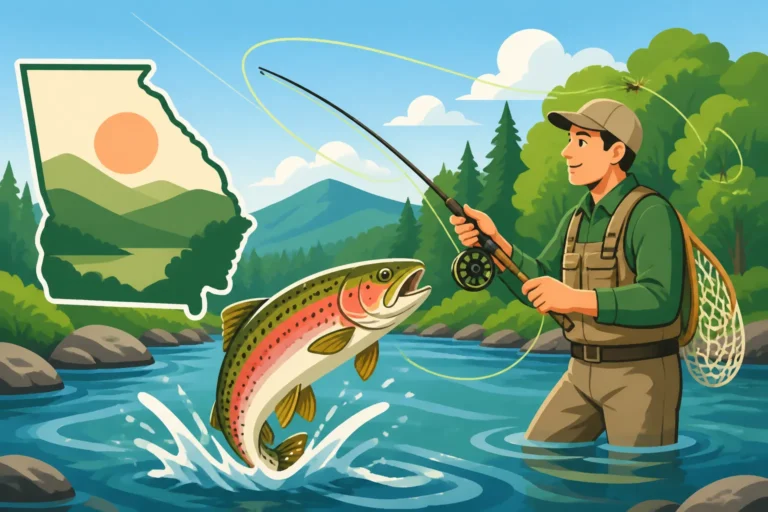
Rainbow trout are perhaps the most common, thanks to Georgia's extensive stocking program. They're often aggressive feeders, making them a popular target, especially for those newer to trout fishing. Stocked rainbows tend to be less wary initially, but wild or holdover rainbows can be incredibly challenging and rewarding catches. They're generally active when water temperatures are comfortable, usually between 50-65°F. You'll find them in various parts of the stream, from riffles to deeper pools, often congregating where food sources are plentiful. To learn more about these beautiful fish, check out our comprehensive guide on Georgia Trout Fishing: Rainbow, Brown, and Brook Trout Explained.
Brown trout are known for being a bit more elusive and wary, often growing to larger sizes than rainbows in the same waters. They're also more tolerant of slightly warmer water, but really thrive in cooler conditions. Browns are often nocturnal or crepuscular, meaning they're most active at dawn and dusk. During the day, they prefer to hide under cut banks, fallen logs, or in deep pools, only venturing out to feed when they feel secure. Their cunning nature makes them a prized catch for many experienced anglers.
Brook trout, Georgia's only native trout species, are typically found in the highest, coldest, and most pristine headwater streams. They're usually smaller than rainbows or browns but boast stunning coloration. These wild fish are incredibly sensitive to water quality and temperature, preferring water below 60°F. Their remote habitats often mean more bushwhacking to reach them, but the reward of catching a truly wild, native brook trout in its natural setting is unparalleled. They tend to be less selective about flies or bait than their larger cousins, but their small, tight quarters make presentation key.
Water Conditions and Flow Rates
The health and behavior of trout are inextricably linked to the water itself. Temperature, clarity, and flow rate are critical factors that dictate when and where trout will feed, rest, and spawn.
Water temperature is arguably the most important factor. Trout are cold-blooded, and their metabolism speeds up or slows down with the water temperature. Ideal feeding temperatures for most trout species fall within the 50-65°F range. Below 40°F, they become sluggish and less willing to chase food. Above 70°F, especially for sustained periods, it can be lethal. During warmer months, seeking out spring-fed creeks or higher elevations where water remains cooler is crucial. Understanding How Water Temperature Affects Fish Behavior is key to consistent success.
Water clarity also plays a huge role. Trout are sight feeders, and murky water from heavy rains or runoff can make it difficult for them to see your bait or lure. While a slight stain can sometimes be beneficial, offering camouflage to both fish and angler, completely muddy water usually means a tough day of fishing. After a significant rain event, it's often best to wait a day or two for the water to clear up.
Stream flow rates, or how fast the water is moving, also influence trout behavior. High flows, often seen after heavy rains, can make wading dangerous and dislodge trout from their usual feeding lanes, pushing them into slower eddies or behind obstructions. Conversely, very low flows, common during dry summer or fall periods, can make trout extremely spooky and concentrated in fewer, smaller pools, making them harder to approach without spooking. Moderate, stable flows are generally ideal, providing ample oxygen, carrying food, and offering good cover.
Seasonal Breakdown for Mountain Trout Fishing
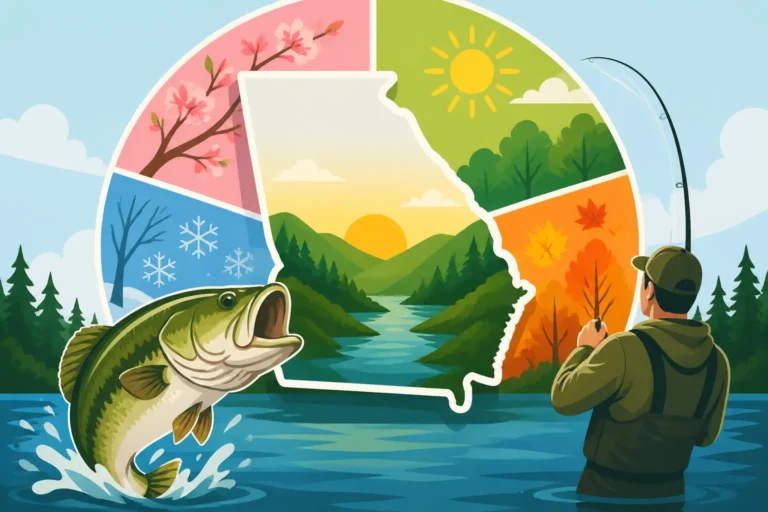
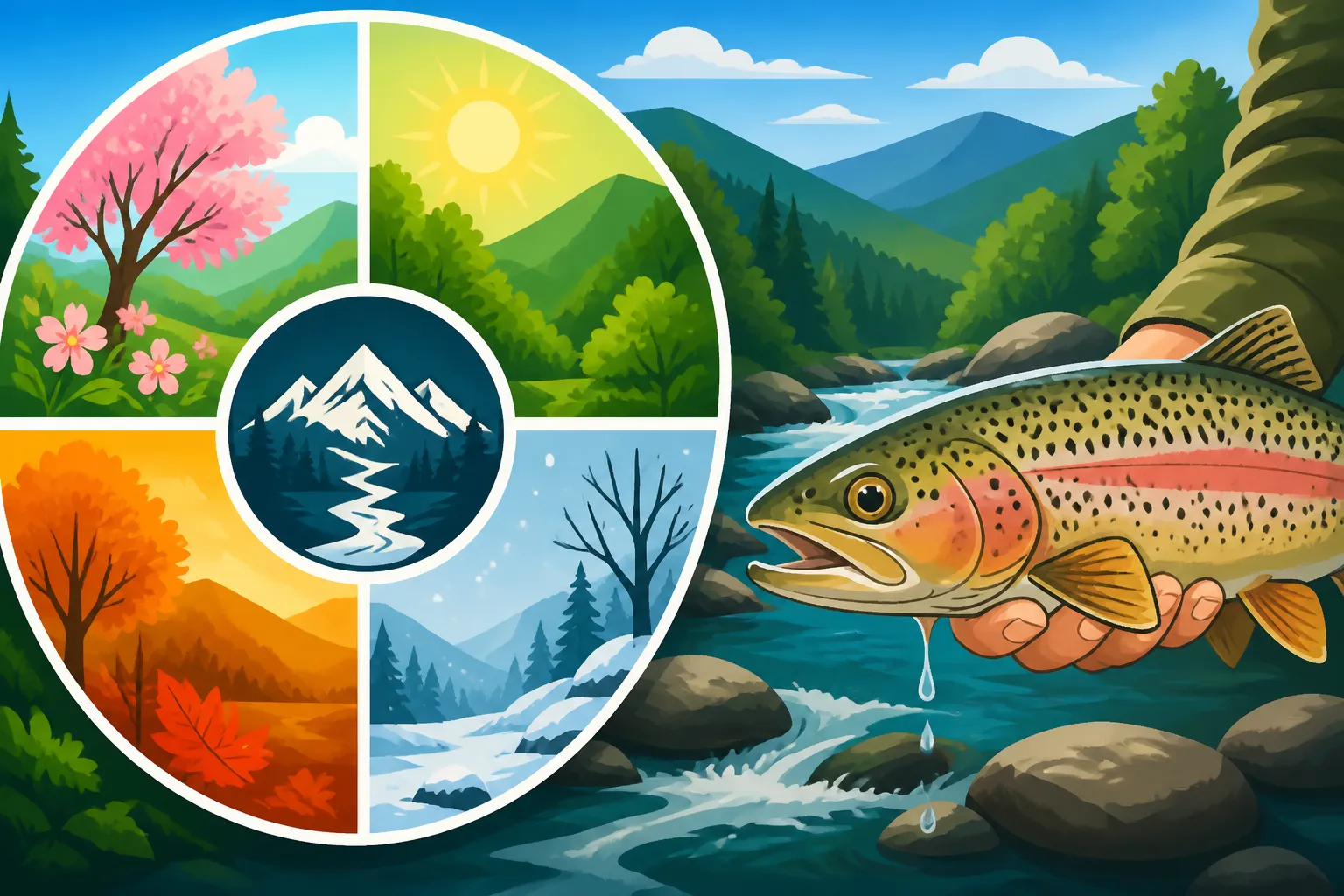
Georgia's mountain trout streams truly transform with the changing seasons, offering distinct opportunities and challenges throughout the year. Knowing what to expect each season is your first step to a successful outing.
Spring: The Awakening
Spring, generally from March through May, is often considered one of the prime times for trout fishing in Georgia. The weather begins to warm, snowmelt (if any) subsides, and stream flows stabilize after winter.
In early spring, as temperatures begin to climb above 40°F, trout start to become more active after their winter sluggishness. Water temperatures in the 45-55°F range are fantastic. This is often when the Georgia Department of Natural Resources kicks off its intensive trout stocking schedule. Streams that were quiet all winter suddenly get a fresh infusion of eager, hungry rainbow trout. This period, especially from March through May, is when you'll find numerous opportunities to catch fish that are readily biting. Check out the Georgia's Trout Stocking Schedule Explained to plan your trips around fresh stocking events.
As spring progresses into April and May, insect hatches become more prolific, meaning natural food sources are abundant. This is fantastic for fly anglers, who can match the hatch with various dry flies and nymphs. For spin fishermen, small inline spinners, spoons, and live bait like worms or corn can be incredibly effective. The foliage is blooming, the air is fresh, and the fish are often aggressive as they recover from winter and prepare for warmer months. The best approach often involves covering water, hitting riffles, runs, and the heads of pools where active trout will be searching for food.
Summer: A Cooler Retreat
Summer fishing in Georgia's mountain trout streams, typically June through August, presents a unique set of challenges and requires a strategic approach. While the valleys can be sweltering, the higher elevations and shaded stream sections often remain cool enough for trout to thrive.
The biggest challenge in summer is water temperature. As ambient air temperatures soar, stream temperatures can quickly rise to uncomfortable or even dangerous levels for trout, especially in lower elevation stretches. Fishing during midday heat is generally unproductive and can stress the fish. The golden rule for summer trout fishing is to focus on early mornings, late evenings, or even night fishing when water temperatures are at their lowest. You might find that streams like the upper sections of the Toccoa River Trout Fishing in Georgia or the headwaters of the Chattahoochee River Headwaters Trout Fishing offer better conditions due to their elevation and canopy cover.
Finding cooler water is paramount. This means targeting spring-fed tributaries, streams at higher elevations, or sections with dense canopy cover that provides shade. Trout will seek out thermal refuges, often congregating around cold springs or in deeper pools where the water stratifies. Your approach should be subtle, as low, clear summer flows can make trout incredibly spooky. Small flies, light line, and stealthy presentations are key. This is also a good time to explore smaller, lesser-known creeks that don't see as much pressure. Remember, if the water feels warm to your hand, it’s best to give the fish a break and avoid fishing to prevent undue stress.
Fall: The Golden Opportunity
Many seasoned anglers consider fall, from September through November, the absolute best time to fish Georgia's mountain trout streams. The reasons are numerous: comfortable weather, stunning scenery, active fish, and often fewer crowds than spring.
As autumn arrives, air temperatures drop, bringing stream temperatures back into the prime 50-60°F range. This invigorates the trout, making them more active and aggressive. Brown trout, in particular, begin their spawning rituals in the fall, which can make them incredibly territorial and willing to strike at various offerings, even large streamers or aggressive lures. Rainbow trout, while not native fall spawners, also feed heavily, packing on weight before winter. The fall foliage creates a breathtaking backdrop for your fishing adventures, making every cast feel special.
Beyond the natural behavior of the fish, fall also sees another round of trout stocking in many Georgia streams. This "fall stocking" adds more fish to the system, increasing your chances of success. You'll often find a mix of newly stocked, hungry rainbows and aggressive holdover brown and rainbow trout. Fly anglers can enjoy incredible dry fly fishing with attractor patterns or terrestrial imitations (like hoppers and ants) earlier in the fall, transitioning to nymphs and streamers as temperatures drop. Spin fishermen will find success with a variety of small baits and lures. This is also a fantastic time to try different techniques; the fish are typically less finicky than in summer.
Winter: The Quiet Challenge
Winter fishing, generally December through February, in Georgia's mountain trout streams can be a surprisingly rewarding experience, though it definitely comes with its own set of challenges. It's often characterized by solitude, crisp air, and the chance to catch larger, more educated fish.
The main challenge in winter is the cold. Water temperatures can drop into the low 40s or even upper 30s, significantly slowing down a trout's metabolism. Fish become less active, moving less and feeding less frequently. They tend to hold in deeper, slower pools, often close to the bottom where the water is slightly warmer and they expend less energy fighting currents. The key to winter success is slowing down your presentation and focusing on these deeper, slower sections.
While the fish might be slower, winter offers the benefit of very clear water (unless there's been recent heavy rain) and minimal angling pressure. You'll often have entire stretches of stream to yourself. For fly anglers, nymphing deep and slow with small, subtle patterns is typically the most effective method. Think tiny midges, stoneflies, and caddis larvae. Spin fishermen can still find success with very small, subtle lures or natural baits presented slowly on the bottom. Dress in warm layers, and be mindful of ice on stream banks. Even though the action might be slower, landing a beautiful trout in the serene quiet of a winter mountain stream is an incredibly satisfying experience.
Beyond Seasons: Daily and Weather Considerations
While the seasons give us a broad strokes painting of trout activity, the daily rhythm and specific weather patterns can fine-tune your fishing strategy, often making the difference between a good day and a truly exceptional one.
Best Times of Day
Just like us, trout have peak activity periods within each day. Generally, the "golden hours" of dawn and dusk are prime times for trout fishing, especially for larger, more wary fish like brown trout.
At dawn, as the first light hits the water, insects often begin to hatch, and trout become more active, moving out from their nighttime hiding spots to feed. The water is often at its coolest, and the low light provides a sense of security for the fish. This early morning bite can be intense and short-lived, so being on the water before the sun fully rises can give you a significant advantage.
Similarly, dusk offers another fantastic window. As the sun dips below the horizon, temperatures begin to fall, and the low light again makes trout feel safer to feed in more exposed areas. Evening hatches can be spectacular, drawing fish to the surface for dry flies. Even if trout aren't rising, they'll often become more aggressive in their pursuit of subsurface prey. During hotter months, these low-light periods are often the only viable times to fish safely and ethically for trout. For deeper insights, you might want to explore articles like Best Time of Day to Fish for Bass, which offers transferable principles for other species too.
On overcast or cloudy days, trout activity can extend throughout the day. The reduced light penetration makes fish feel more comfortable in open water, even at midday, leading to longer feeding windows. A light drizzle can also sometimes trigger a bite, as it washes insects into the water and breaks up the surface tension, making it harder for fish to spot you.
Impact of Weather and Barometric Pressure
Weather isn't just about sunshine or rain; changes in atmospheric pressure and sudden cold fronts can drastically alter fish behavior.
A steady, rising or stable barometric pressure is generally associated with good fishing. Fish are more comfortable and active. Conversely, a rapidly falling barometer, often preceding a storm, can sometimes trigger a feeding frenzy right before the weather hits, as fish sense the change and feed opportunistically. Once the storm breaks and the pressure stabilizes again, fishing can return to normal.
Cold fronts can be notorious for shutting down a bite. After a cold front passes, air temperatures drop sharply, bringing clear skies and often a high-pressure system. Fish tend to become lethargic and seek refuge in deeper water or heavy cover. They'll be less willing to chase food. If you find yourself fishing immediately after a cold front, focus on presenting small baits or flies very slowly and deep. Look for trout huddled near structure or in the deepest parts of pools.
Rain can be a mixed bag. A light, steady rain can sometimes improve fishing by increasing flows slightly, washing food into the stream, and providing an overcast sky. However, heavy rains can quickly blow out streams, making the water muddy and flows dangerously high, rendering fishing impossible for a day or two until conditions improve. Always check local weather and stream gauges before heading out.
Delayed Harvest Streams: A Special Case
Georgia's Delayed Harvest (DH) trout streams offer a unique and highly popular fishing experience, particularly during their designated seasons. These streams, like Amicalola Creek or the Toccoa River section below Blue Ridge Dam, are managed under special regulations for catch-and-release only from November 1st to May 14th each year. During this period, artificial lures with single hooks are the rule.
This management strategy creates a fantastic fishery. Trout are stocked heavily in the fall and throughout the winter, and because they cannot be harvested, they accumulate in the streams, growing larger and becoming more accustomed to angling pressure. The DH season, especially from late fall through early spring, can offer some of the most consistent and exciting trout fishing in Georgia. Anglers can expect to hook multiple fish, and the challenge shifts from finding fish to presenting your offering perfectly to these sometimes "educated" trout. Our Delayed Harvest Trout Regulations in Georgia guide provides a deeper dive into these special regulations. Outside the DH season, from May 15th through October 31st, these streams revert to general trout regulations, allowing for harvest.
Essential Gear and Planning for Success
Having the right equipment and a smart plan isn't just about convenience; it's about maximizing your time on the water and ensuring a successful, enjoyable, and safe trip to Georgia's mountain trout streams.
Recommended Rods, Reels, and Line
For mountain trout fishing, especially in smaller streams, a lighter setup is almost always preferred. It allows for delicate presentations and makes the fight with smaller trout more enjoyable.
For fly fishing, a 3-weight or 4-weight fly rod, typically 7 to 8.5 feet long, is ideal. This lighter rod offers excellent feel for subtle takes and allows you to present small flies with precision. Pair it with a matching fly reel that balances the rod, and a weight-forward floating fly line. Don't forget a tapered leader (7.5 to 9 feet, 4X-6X) and an assortment of tippet material to match your flies. Many anglers find great deals on quality starter fly fishing kits on online retailers like Amazon, which often include a rod, reel, line, and leader to get you started without breaking the bank.
For spin fishing, an ultralight or light action spinning rod, around 5 to 6.5 feet in length, is perfect. Combine this with a small spinning reel spooled with 4-6 pound test monofilament or fluorocarbon line. This lighter line helps with casting small lures and baits and is less visible to wary trout. The sensitivity of an ultralight setup will help you detect even the lightest bites.
Baits and Lures for Different Conditions
The key to consistent trout fishing is versatility and adapting to what the fish are biting. What works best can change by the hour, day, or season.
For fly fishing, a well-stocked fly box is essential. In spring and fall, don't forget your dry flies (Elk Hair Caddis, Adams, Parachute Adams) for hatches, and an array of nymphs (Pheasant Tail, Hare's Ear, Prince Nymph) for subsurface feeding. Streamers (Woolly Bugger, Clouser Minnow) can be incredibly effective, especially for aggressive brown trout or in slightly off-color water. Terrestrial patterns (hoppers, ants, beetles) are deadly in summer and early fall. Consider reading up on Best Flies for Trout Fishing in Georgia.
Spin fishermen have a fantastic arsenal too. Small inline spinners (like Panther Martin, Mepps, or Rooster Tail in sizes 0-2), tiny spoons (Little Cleo, Kastmaster), and small jerkbaits or crankbaits can all be highly effective. Soft plastics, such as small trout worms or grub tails fished under a bobber or on a tiny jig head, are also excellent. Live bait, like garden worms, corn, or salmon eggs, can be irresistible to stocked trout, especially in general regulation waters. Carrying a selection of these, perhaps in a compact tackle box from Amazon, ensures you're ready for any situation.
Checking Regulations and Stocking Schedules
This might sound like a broken record, but seriously, always check the latest regulations and stocking schedules before you head out. Georgia's fishing rules, especially for trout, can vary significantly by stream, season, and even specific sections of a single river. Ignoring these can lead to fines and harm the fishery. The Georgia Department of Natural Resources (GDNR) publishes annual fishing regulations, which are readily available online or at license vendors.
The GDNR's weekly trout stocking schedule is a goldmine of information. It tells you which streams have recently received stocked trout, increasing your odds of a successful day, particularly for catching rainbow trout. Planning your trip around a recent stocking can make a huge difference, especially during peak seasons when pressure is higher. Knowing about specific add-ons like the Mountain Trout License Add-On in Georgia is also critical if you plan to fish certain designated trout waters.
Taking the time to research these details ensures you're not only fishing legally but also maximizing your potential for an incredible day on the water.
Disclaimer
Please remember that fishing conditions can change rapidly due to weather, water levels, and fish behavior. Always exercise caution, prioritize safety, and adhere to all local and state fishing regulations. This guide is for informational purposes only and does not guarantee fishing success. Always check current regulations before heading out.