Jug Fishing for Catfish
There's nothing quite like the thrill of waking up to a cooler full of catfish after a night of jug fishing. But let's be honest, getting started with jug fishing can feel a little daunting, especially with all the talk about regulations and the best gear. If you've been dreaming of that easy, hands-off approach to catching Georgia's abundant catfish, this comprehensive guide is here to walk you through every single step, from selecting your jugs to reeling in your trophy flathead.
What Exactly is Jug Fishing for Catfish?
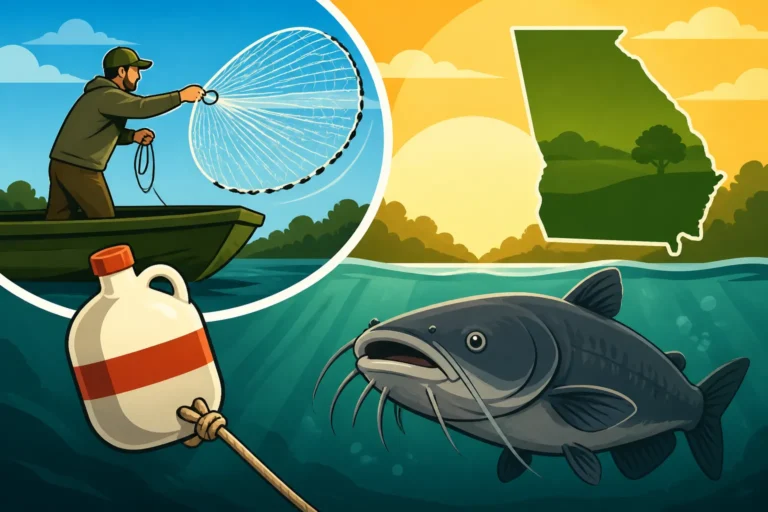
Jug fishing is one of those timeless, wonderfully simple fishing techniques that really taps into the primal joy of the catch. It’s an effective and often relaxing way to target catfish, particularly larger ones, without having to hold a rod all day or constantly cast. Essentially, you’re deploying multiple baited lines, each attached to an independent float (a "jug"), and letting the fish come to you.
The concept is straightforward: a line, a hook, bait, and a float. The beauty of it lies in its simplicity and the ability to cover a wide area. Instead of actively searching for fish with a single rod, you're essentially setting up a network of opportunities. When a catfish takes the bait, the jug tips, dances, or slowly drifts, signaling a bite. It's a method that appeals to many because it allows for a more relaxed outing, whether you're camping nearby or tending to other tasks while your jugs do the work.
The Appeal and Simplicity of Jug Fishing
For many anglers, the appeal of jug fishing is multifaceted. First, there's the sheer effectiveness, especially when targeting larger catfish like big blues and flatheads. These powerful fish can be elusive, but with multiple lines spread out, your chances significantly increase. Unlike trotlines, which are typically anchored at both ends and run across a channel, jug lines are free-floating, allowing them to drift with currents, covering more water and potentially encountering more fish. This mobility can be a huge advantage when fish are scattered or actively moving.
Another major draw is the relative ease of setup and maintenance compared to other passive methods. You don't need a lot of specialized or expensive equipment to get started. A collection of repurposed plastic bottles, some sturdy line, hooks, and weights, and you're pretty much in business. This accessibility makes it a great option for anglers looking to maximize their catch without breaking the bank or dedicating themselves to constant active fishing. It's also incredibly satisfying to watch a jug suddenly take off across the water, knowing a hefty catfish is on the other end. It’s a bit like a treasure hunt every time you check your lines.
Is Jug Fishing Legal in Georgia? Understanding the Rules
Before you even think about tossing your first jug into the water, it is absolutely crucial to understand Georgia's specific regulations regarding this method. Ignorance of the law is not a defense, and penalties for illegal fishing can be steep, ranging from fines to confiscation of gear. The Georgia Department of Natural Resources (DNR) sets clear guidelines for "free-floating fishing devices," which is their official term for jug lines.
According to Georgia's fishing regulations, specific rules apply to the number of devices you can use, labeling requirements, and even the type of waters where they are permitted. For instance, in freshwater, non-commercial anglers are generally allowed to use a certain number of jug hooks or devices, and each device must be clearly marked with the angler's name and address or DNR customer ID number. This is non-negotiable and helps enforcement officers identify legal gear. Additionally, some specific bodies of water might have further restrictions or outright prohibitions on jug fishing. Always check the latest Georgia Fishing Regulations Explained before heading out. It’s your responsibility to know what’s allowed where. For example, some designated public fishing areas or trout streams would definitely not permit jug fishing.
The Essential Gear You'll Need for Jug Fishing
Getting your gear together for jug fishing doesn't have to be complicated, but having the right components can make all the difference in your success and enjoyment. We're talking about durable jugs that can withstand a fight, strong lines that won't snap under pressure, and hooks that will hold even the most stubborn catfish.
Think of it as building a simple, yet robust, system where each piece plays a vital role. Skimping on one component can lead to lost fish, lost gear, and a whole lot of frustration. This isn't just about catching fish; it's about doing it efficiently and safely, ensuring your gear lasts for many seasons of exciting catfishing.
Choosing Your Jugs and Floats
The "jug" is the namesake of this fishing method, and choosing the right one is more important than you might think. Your jug needs to be buoyant enough to support a struggling catfish, durable enough to handle being dragged through brush or over rocks, and visible enough to spot from a distance, especially after a fish has taken it on a wild ride.
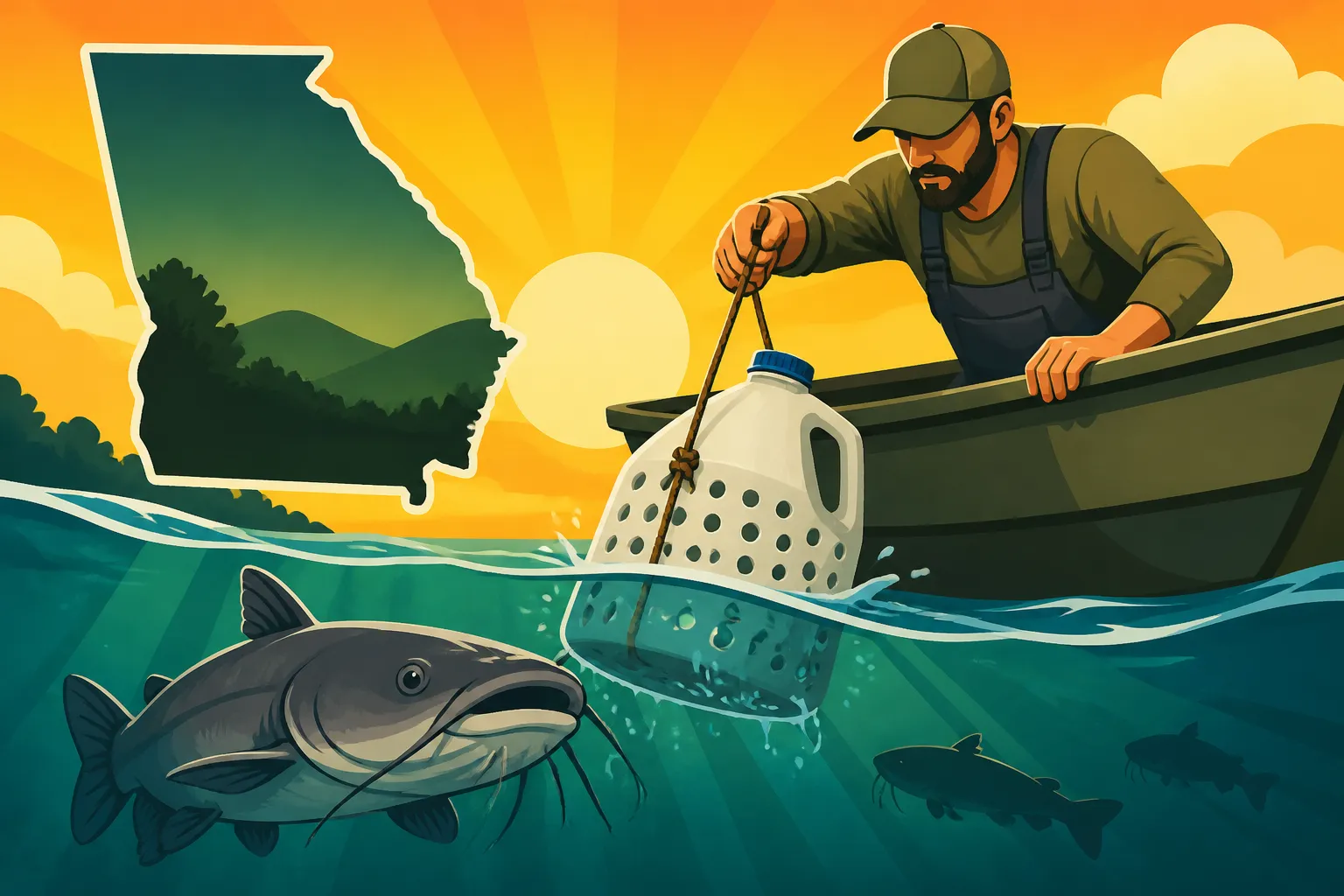
Many anglers start with repurposed plastic bottles, like two-liter soda bottles or gallon milk jugs. These are readily available, cost-effective, and can be quite effective. For a bit more durability and visibility, you might consider specialty jugs designed for fishing. These often come in bright colors like orange or yellow, are made from tougher plastics, and sometimes feature reflective tape for night visibility. You can find these at most sporting goods stores or easily browse options on Amazon. Some even come with built-in line holders. PVC pipe sections sealed at both ends are another popular DIY option, offering superior durability and customization. The key is to ensure they are sealed tightly to prevent water intrusion, which would reduce buoyancy, and that they are robust enough to handle the tug-of-war with a powerful catfish. Remember, a bigger jug generally means more buoyancy and better visibility, which is especially helpful when dealing with larger fish.
Selecting the Right Line, Hooks, and Weights
Once you have your jugs, the next critical components are the line, hooks, and weights. These are the direct connection to your fish, so quality is paramount.
- Line: For jug fishing, you're going to want heavy-duty line. Monofilament line in the 50-80 pound test range is a popular choice for its affordability and abrasion resistance. However, many serious jug fishermen opt for braided line, typically 80-150 pound test, because of its incredible strength, minimal stretch, and resistance to wear and tear. While braided line can be more expensive, its longevity and reliability often make it a worthwhile investment, especially when targeting larger catfish species like blue and flathead catfish. The length of your line attached to each jug should be adjustable, allowing you to fish at different depths. A good rule of thumb is to have enough line to reach the bottom, plus a few extra feet, so you can adjust for varying water depths in your chosen fishing spot.
- Hooks: When it comes to hooks, size and strength matter. Circle hooks are almost universally recommended for jug fishing because they are designed to hook fish in the corner of the mouth, minimizing gut-hooking and making for easier, safer releases if you're not keeping every fish. Sizes typically range from 7/0 to 12/0, depending on the size of the catfish you're targeting. Larger hooks are great for big flatheads and blues, while slightly smaller ones can work for channel catfish. Look for high-carbon steel, heavy-duty hooks that won't straighten out under pressure.
- Weights: The weight serves two primary purposes: to sink your bait to the desired depth and to keep the line relatively straight in the water, even with current. Pyramid weights or bank sinkers in the 2-6 ounce range are common. The exact weight you need will depend on the current in your fishing area and how much resistance you want. Too light, and your bait might drift too much; too heavy, and you might not cover enough water. A simple rig often consists of a swivel connecting the mainline from the jug to a leader (often a slightly lighter test line than your mainline, or a heavy mono for abrasion resistance) with the hook at the end, and a sinker placed just above the hook or on a dropper loop.
The Best Baits for Georgia Catfish
Ah, bait! This is where the magic truly happens. Catfish are notorious scavengers with an incredible sense of smell, making scent a primary factor in bait selection. Different species of catfish also have different dietary preferences, so matching your bait to your target can significantly improve your success.
- Channel Catfish: These guys aren't too picky. Classic stink baits, chicken livers, cut baits (especially oily ones like shad or herring), and even hot dogs soaked in garlic can be incredibly effective. Prepared baits, sometimes referred to as "punch baits," that have a strong, lingering odor work wonders for channel cats. For more detailed insights, check out our guide on Best Bait for Channel Catfish.
- Blue Catfish: Blues are aggressive predators, and they love fresh cut bait. Shad, herring, skipjack, and even carp cut into chunks are top choices. The fresher, the better. Live bait like small sunfish or shiners can also be irresistible to larger blue cats. Our Best Bait for Blue Catfish article has more tips.
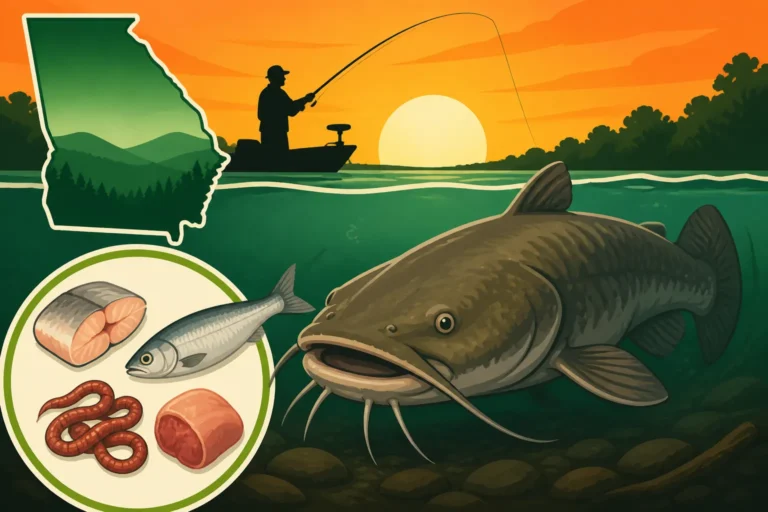
- Flathead Catfish: Flatheads are unique among catfish in that they are almost exclusively piscivorous (fish-eaters) and prefer live bait. Live bluegill, sunfish, or large shiners are your best bet. If you can't get live bait, fresh cut bait (especially from oily fish) can sometimes work, but live bait drastically increases your chances for a trophy flathead. Learn more about what tempts them in our Best Bait for Flathead Catfish guide.
Regardless of the species, always aim for fresh, pungent bait. Keep your bait cool and in a sealed container until you're ready to use it. Many anglers even "juice up" their cut baits with commercial scent attractants, readily available on Amazon or at your local tackle shop, to give them an extra edge.
Setting Up Your Jug Lines: A Step-by-Step Guide
Once you’ve gathered all your gear, the next step is putting it all together and getting it into the water. This process involves a bit of preparation and strategic thinking to ensure your lines are effective and easy to manage.
This isn't just about tying a hook to a line; it's about creating a robust, efficient system that will stand up to the rigors of Georgia's waters and the powerful fight of a catfish. A well-prepared jug line is a productive jug line.
Prepping Your Jugs for Deployment
Before you even leave the dock, you’ll want to prepare each jug individually. This involves cutting your line to the appropriate length, tying on your weights and hooks, and making sure everything is secure. For most situations, having 10-20 feet of line is a good starting point, but you might need more if you're fishing deeper areas or targeting lakes where catfish suspend.
Start by securely tying your main line to the jug itself. Many anglers drill a small hole through the handle of a plastic jug and thread the line through, then tie a heavy-duty knot like a double uni or palomar. You want this connection to be absolutely bomb-proof. Next, attach your weight to the end of the main line, and then use a leader (often 18-36 inches long, made of heavy monofilament or fluorocarbon for abrasion resistance) to attach your circle hook. Some anglers prefer to use a three-way swivel, attaching the main line to one eye, a short dropper line with the weight to another, and the leader with the hook to the third. This helps prevent line twist and can present the bait more naturally. Ensure all your knots are strong and cinched down properly. Label each jug clearly with your name and address or DNR customer ID as required by Georgia law. This step is critical for compliance and avoids issues with wildlife officers.
Strategically Deploying Your Jugs
Deployment isn’t just about tossing jugs into the water; it’s about strategic placement to maximize your chances. Consider the current, wind, and known catfish habitats. Catfish often relate to structure like submerged timber, rock piles, ledges, and channel drop-offs. If you’re familiar with the lake or river, try to deploy your jugs in areas where you know catfish are likely to be feeding or traveling. Our guide on Best Catfish Fishing Spots in Georgia might give you some ideas for specific locations.
A common strategy is to deploy your jugs in a line perpendicular to the current or wind, allowing them to drift across a promising area. This covers a wider swath of water. Alternatively, if you know of a specific hotspot, you might deploy them in a tighter cluster. The depth you set your bait is also crucial. Catfish can be found anywhere from the bottom to suspended in the water column, depending on water temperature, oxygen levels, and baitfish location. Experiment with different depths: some jugs near the bottom, others halfway up, and a few just under the surface. This trial-and-error approach will help you dial in on where the fish are holding on that particular day. Always deploy your jugs with care, making sure your bait isn't snagged on anything as it sinks.
Checking and Managing Your Jug Lines
Once deployed, your work isn't over. Jug lines require regular checking. The Georgia DNR regulations will specify how often you must check your lines, but generally, it's a good practice to check them frequently, especially if you see a jug moving erratically. A wildly dancing jug almost certainly means a fish is on!
When approaching a jug, do so quietly to avoid spooking the fish. If there's a fish on, bring the jug and line in slowly and steadily. Don't yank or rush, as this can tear the hook out or break your line. Handle the fish carefully, especially if it's a larger one. Have a net, pliers, and possibly a set of fish grippers ready. Unhook the fish, measure it against any size limits, and decide whether to keep or release it. If keeping, place it in a livewell or on ice immediately to maintain its quality. Re-bait your hook, check your line for any damage, and redeploy the jug. It's often helpful to keep a few pre-rigged spare lines or leaders to quickly swap out if one gets tangled or damaged. Always be mindful of other boaters and anglers; your jugs should be visible and not create a hazard.
Where and When to Go Jug Fishing in Georgia
Georgia offers an incredible variety of waters for jug fishing, from vast reservoirs to meandering rivers. Knowing where to go and when to go can dramatically increase your chances of success. Catfish, like all fish, are influenced by seasonal patterns, water temperatures, and their environment.
This section will help you pinpoint the best locations and times to set out your jugs, ensuring you're fishing smart, not just hard.
Top Georgia Waters for Catfish and Jug Fishing
Georgia is truly a paradise for catfish anglers. Our state boasts numerous lakes and rivers teeming with channel, blue, and flathead catfish.
- Lake Sinclair and Lake Oconee: These sister lakes in central Georgia are renowned for their robust catfish populations, particularly blue and channel catfish. Lake Sinclair, in particular, has a strong reputation for excellent winter catfishing. These lakes offer expansive open water where jugs can drift, along with plenty of submerged timber and structure where catfish love to hide.
- Lake Lanier: While famous for bass and stripers, Lake Lanier also holds a healthy population of channel catfish, especially in its creek arms and shallower flats.
- Walter F. George Reservoir (Lake Eufaula): Bordering Alabama, this mighty reservoir on the Chattahoochee River is a known hotspot for trophy blue and flathead catfish. Its large size and abundant structure make it ideal for jug fishing.
- Flint River: If you're chasing elusive flatheads, the Flint River is a prime location. Its deeper holes and logjams provide perfect ambush points for these predatory giants. Our Best Fishing Spots in Georgia guide offers even more fantastic locations throughout the state.
- Other Rivers: The Altamaha, Ocmulgee, and Savannah rivers also hold excellent populations of all three major catfish species, with ample opportunities for jug fishing in their quieter stretches and oxbows.
When choosing a spot, look for areas with less boat traffic to prevent your jugs from being run over or tangled. Deep river bends, creek mouths, and large coves with plenty of structure are all excellent starting points.
Seasonal and Weather Considerations
Catfish behavior changes significantly with the seasons and weather, and adjusting your jug fishing strategy accordingly is key.
- Spring: As water temperatures rise, catfish become very active, moving into shallower waters to spawn. This is an excellent time for jug fishing. Target flats, creek channels, and the backs of coves. They'll be feeding aggressively after the cooler winter months.
- Summer: During the heat of summer, catfish often move to deeper, cooler waters during the day. However, they become very active at night, moving into shallower feeding areas. Jug fishing at night can be incredibly productive during summer months. For tips on this, check out our article on How to Catch Catfish at Night or even specific Night Fishing Spots Near Atlanta if you're in that region. During the day, focus your jugs on deeper humps, main lake points, and river channels.
- Fall: As water temperatures begin to cool, catfish will once again become highly active, aggressively feeding to build up fat reserves for winter. They can be found in a wider range of depths, often transitioning between shallow and deep areas. This is another fantastic season for jug fishing.
- Winter: While often overlooked, winter can be a superb time for catching large blue and flathead catfish, especially in reservoirs like Lake Sinclair, which stay relatively warm. Catfish tend to congregate in deep holes and channels during colder months. Presenting your baits directly in these thermal refuges can lead to impressive catches. Our guide on Best Time of Year for Catfishing on Georgia's Lake Sinclair elaborates on this.
Always pay attention to current and wind. A steady breeze can make your jugs drift perfectly, covering ground. However, too much wind can make jug management difficult and potentially blow your jugs into undesirable areas or shorelines. Barometric pressure changes, especially before a cold front, can also trigger a feeding frenzy, making it a good time to deploy your jugs.
Mastering the Art of Jug Fishing
Jug fishing, while seemingly simple, has its nuances. There’s an art to reading the water, understanding catfish behavior, and refining your technique to consistently catch fish. It’s more than just setting out lines; it’s about becoming a student of the water and the fish.
Developing these skills will not only lead to more successful outings but will also deepen your appreciation for this unique method of fishing.
Reading the Water and Catfish Behavior
Successful jug fishing often comes down to understanding where catfish are likely to be. Catfish, regardless of species, are highly structure-oriented. They will seek out cover for ambush, protection from current, and temperature regulation.
- Submerged Structure: Look for brush piles, old roadbeds, rock formations, and standing timber. These areas provide excellent cover and concentrate baitfish, which in turn attracts catfish. Jugs drifting through or near these areas are often highly productive.
- Channel Edges and Drop-offs: In lakes and rivers, the edges of old creek or river channels, where the depth abruptly changes, are prime catfish highways. They'll cruise these edges looking for food. Setting jugs to drift along these contours can be very effective.
- Current Seams: In rivers, areas where fast-moving water meets slower water (current seams) are ideal. Catfish will often sit just out of the main current, waiting for food to be swept past them. Bridge pilings, fallen trees, and large rocks create such seams.
- Baitfish Presence: Keep an eye out for signs of baitfish, such as schooling minnows on your fish finder or diving birds. Where there's bait, there are usually predators, including catfish. Adjusting your bait depth to match the baitfish depth can be a game-changer. Learning about specific species in our Catfish Species Guide: Channel, Blue, and Flathead Catfish will also give you insights into their preferred habitats.
Understanding how to "read" these subtle cues on the water, combined with local knowledge, will guide your jug deployment and significantly increase your success rate.
Common Jug Fishing Mistakes to Avoid
Even seasoned anglers can fall victim to common mistakes that hinder jug fishing success. Being aware of these pitfalls can help you avoid frustration and improve your catch.
- Using Too Light of Line or Hooks: This is perhaps the most common mistake. Catfish are powerful fighters, and a big one can easily snap a light line or straighten a weak hook. Invest in heavy-duty gear from the start.
- Not Labeling Your Jugs: As mentioned, Georgia law requires all jugs to be marked with your identifying information. Failing to do so can result in fines and confiscation of your gear. Don't skip this step!
- Fishing Too Shallow in Hot Weather: During peak summer, catfish often retreat to deeper, cooler water during the day. If all your jugs are in shallow areas, you're likely missing out.
- Ignoring Current and Wind: These natural forces dictate where your jugs will go. Use them to your advantage, or they will scatter your lines randomly, making them hard to manage.
- Not Varying Bait or Depth: If you're not getting bites, don't be afraid to change things up. Try different baits, vary your depths, or move to a new location. Experimentation is key in fishing.
- Overcrowding Your Jugs: Spacing your jugs too closely can lead to tangles, especially with multiple fish on, and it won't cover enough area. Give them room to drift and dance.
- Not Having a Plan for Retrieval: Know how you're going to retrieve a jug that has drifted a long way or gotten tangled in brush. A good pair of polarized sunglasses and a long net or boat hook are invaluable.
Avoiding these common errors will make your jug fishing experience much more enjoyable and productive. Sometimes, a different approach, like How to Bottom Fish for Catfish or even setting How to Set a Trotline for Catfish, might be more effective in certain situations, but mastering jug fishing means knowing its specific challenges.
Safety First: Rules and Best Practices
Safety should always be your top priority when on the water, and jug fishing is no exception. While it might seem like a relaxed method, it involves operating a boat, handling sharp hooks, and potentially dealing with large, feisty fish.
- Boat Safety: Ensure your boat is in good working order, with all required safety gear onboard (life jackets, fire extinguisher, horn, etc.). Always tell someone where you're going and when you expect to return. Be aware of weather forecasts and don't venture out in dangerous conditions.
- Visibility: Make sure your jugs are highly visible, especially if you're fishing at night or in areas with boat traffic. Reflective tape or glow sticks can be added for night fishing.
- Hook Handling: Catfish have sharp spines on their dorsal and pectoral fins that can deliver painful punctures. Always handle them with care, using fish grippers or heavy gloves if necessary. Use pliers or a de-hooker to remove hooks, especially circle hooks, which can be tricky to dislodge by hand.
- Hydration and Sun Protection: If you're spending hours on the water, stay hydrated and protect yourself from the sun with sunscreen, hats, and appropriate clothing.
- Respect Other Anglers and Boaters: Deploy your jugs in areas where they won't interfere with other people's fishing or boating activities. Be courteous and share the water.
Following these safety guidelines will help ensure your jug fishing adventures are fun and incident-free for everyone involved.
Retrieving and Handling Your Catch
The moment of truth! A dancing jug means a fish is on, and the excitement is palpable. But knowing how to properly retrieve and handle your catch is just as important as setting your lines. It ensures the well-being of the fish (whether you're keeping it or releasing it) and your own safety.
Proper technique here will make the difference between a successful catch and a frustrating, lost fish, or even an injury.
Handling Your Catch Safely and Ethically
When you approach a jug that has a fish on it, do so slowly and steadily. Don't motor directly up to it at high speed, as this can spook the fish, cause it to make a last-ditch effort to escape, or even lead to tangles with other jugs. Once you're alongside, grab the jug and begin to pull the line in hand-over-hand. Keep constant tension on the line, but don't pull too hard, especially if the fish is making strong runs. Let the fish tire itself out a bit.
For smaller catfish, you might be able to simply lift them into the boat. For larger fish, a sturdy landing net or a pair of large fish grippers (like those often found on Amazon for big game fish) will be invaluable. Always control the head of a catfish as soon as it's in the boat, as a thrashing fish can easily embed a hook in you or create chaos. Be mindful of their sharp pectoral and dorsal spines; these can inflict painful wounds. Once the fish is secure, use long-nosed pliers or a de-hooking tool to remove the hook. If you intend to release the fish, do so quickly and gently, minimizing its time out of water. If you're keeping your catch, immediately place it on ice in a cooler. This is not only for freshness but also for humane dispatch. A cold fish is a calm fish, making processing much easier later on.
Georgia Regulations on Jug Fishing Catfish
As we touched on earlier, knowing the specifics of Georgia's fishing regulations for catfish is non-negotiable. These rules are in place to ensure sustainable fish populations and fair fishing practices for everyone. The Georgia DNR regularly updates its regulations, so always check the most current guide.
Key regulations to be aware of often include:
- Number of Jugs/Hooks: There will be a limit on the number of "free-floating fishing devices" an individual non-commercial angler can operate at one time. This limit can vary, so consult the current regulations.
- Labeling: Every single jug must be marked with the angler's full name and address or their Georgia DNR customer ID number. This is a critical requirement.
- Check Times: You are usually required to check your jugs at specified intervals.
- Size and Creel Limits: While channel catfish often have very liberal or no size/creel limits, larger species like blue and flathead catfish may have specific size minimums or daily creel limits, especially on certain trophy lakes. Be familiar with these limits for the species you are targeting. For example, some large blue catfish might have a slot limit or a maximum number you can keep above a certain size. Always confirm these details in the latest Georgia Freshwater Fishing Rules to ensure compliance.
- Prohibited Waters: Jug fishing may be prohibited in certain lakes, rivers, or specific sections of waterways, particularly those managed for other species (like trout streams). Never assume it's allowed everywhere.
Understanding and adhering to these regulations is paramount. It ensures that you're fishing legally and contributing to the conservation of Georgia's fantastic catfish resources for future generations.
Disclaimer
Fishing involves inherent risks, including but not limited to drowning, injury from hooks or fish spines, and exposure to the elements. Always prioritize your safety, wear appropriate personal flotation devices, and adhere to all local, state, and federal fishing and boating regulations. The information provided in this guide is for informational purposes only and should not be considered legal advice. Anglers are responsible for consulting the most current Georgia Department of Natural Resources (DNR) regulations before engaging in any fishing activities.