Best Bass Fishing Lakes in Georgia
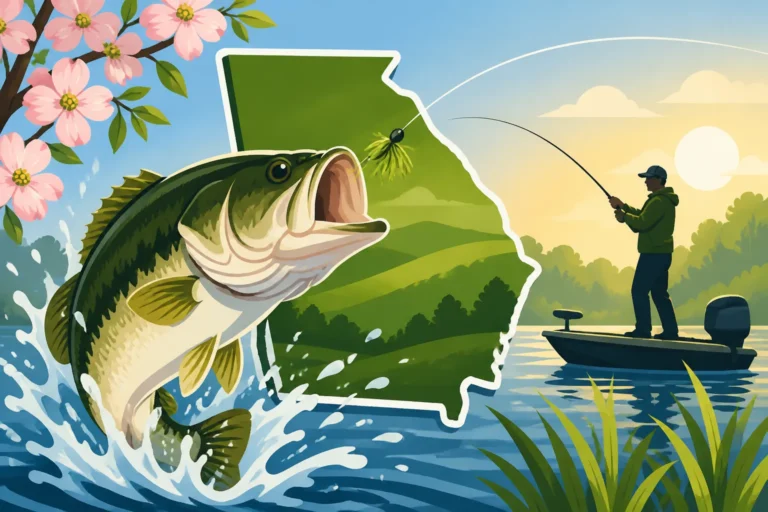
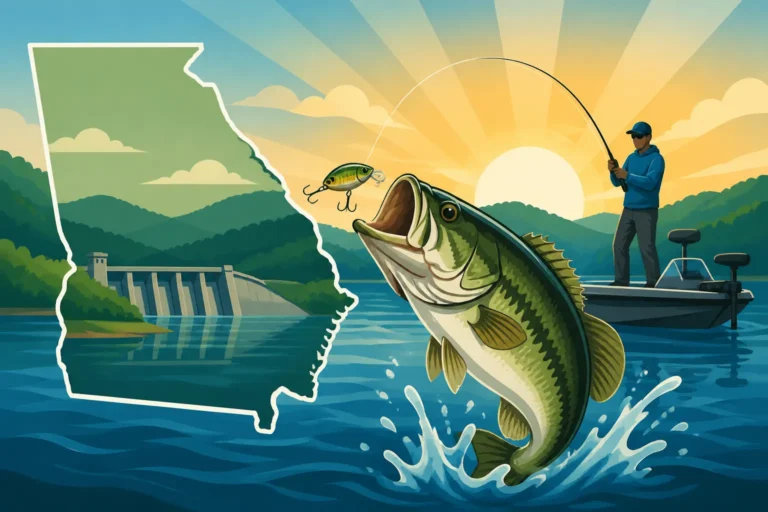
Oh, the sheer joy, and sometimes the absolute frustration, of chasing a hawg bass here in Georgia! We've all been there, spending hours on the water, trying every lure in the tackle box, wondering if we're even in the right spot. It can be daunting to figure out which of our many beautiful lakes truly hold the biggest and most active bass populations. This comprehensive guide is dedicated to cutting through that guesswork, giving you the inside scoop on Georgia's premier bass fishing lakes, so your next trip can be filled with more hook-ups and fewer head-scratchers.
Why Georgia is a Bass Angler's Paradise
Georgia truly stands out as a prime destination for bass anglers, and it's not just local pride talking. Our state boasts an incredible diversity of waterways, from vast, deep mountain reservoirs to sprawling, timber-filled lowland lakes and winding rivers. This geographical variety creates a perfect storm of conditions that foster robust and healthy bass populations, offering opportunities for every style of fishing, whether you're a seasoned pro or just starting out.
Diverse Habitats and Forage
What makes a lake great for bass? It's all about habitat and food, plain and simple. Georgia's top bass lakes offer an incredible smorgasbord of both. Take Lake Lanier, for example, with its deep, clear waters, rocky points, and abundant baitfish like blueback herring. This provides an ideal environment for both spotted bass, which thrive in deeper, clearer water, and largemouth bass, which often lurk around structure and cover. Other lakes, like Lake Seminole in the southern part of the state, are known for their vast expanses of submerged vegetation and timber, creating perfect ambush points for big largemouth.
Beyond the structure, the forage base is critical. Many of our lakes are teeming with shad, herring, bluegill, and various other baitfish, providing a constant food supply that allows bass to grow to impressive sizes. This rich ecosystem means bass aren't just surviving; they're thriving, offering anglers a real shot at a trophy catch. Whether you prefer to pitch a jig into heavy cover or chase schooling fish in open water, Georgia's lakes provide the diverse conditions that bass need to flourish, making every fishing trip an adventure in itself.
Record-Breaking Potential
Let's be real, who doesn't dream of catching a state-record fish? While the legendary 22-pound, 4-ounce largemouth caught by George Perry back in 1932 still holds the world record, it’s a testament to the incredible potential that Georgia waters hold. Our lakes consistently produce largemouth bass in the 8-12 pound range, with true giants pushing into the teens. It’s not just a pipe dream; it happens every year, especially during the spring spawn when these monsters move shallow.
Beyond largemouth, Georgia is also a hotspot for spotted bass, which, while generally smaller, fight with a tenacity that belies their size. These feisty fish offer incredible action, especially on light tackle. The consistent management efforts by the Georgia Department of Natural Resources, including stocking programs and stringent regulations, help ensure that our fisheries remain healthy and productive. So, when you cast your line into a Georgia lake, you're not just fishing; you're casting into a legacy of potential, hoping to write your own chapter in the state's storied bass fishing history. Always remember to check the current Georgia Largemouth Bass Daily Creel Limit before you head out!
The Legendary Lake Lanier: King of Georgia Bass
When you talk about bass fishing in Georgia, Lake Lanier is usually the first name that comes up, and for good reason. Nestled in the foothills of the Blue Ridge Mountains, this sprawling reservoir, covering over 38,000 acres, is arguably the most famous and productive bass lake in the state. Lanier is renowned for its exceptional spotted bass fishery, often considered one of the best in the nation, but it also holds a healthy population of robust largemouth. Its diverse underwater topography, including deep channels, rocky humps, submerged timber, and countless coves, offers endless opportunities for anglers year-round.
Navigating Lanier can be a bit intimidating for newcomers due to its sheer size and complexity, but with a good map and some local knowledge, you'll quickly find productive waters. The lake’s clear, deep waters and abundant baitfish, particularly blueback herring, contribute to the incredible fighting power of its bass. For a deeper dive into this incredible fishery, you might want to check out our comprehensive Lake Lanier Fishing Guide, Georgia.
Largemouth and Spotted Bass Haven
Lake Lanier is truly unique in that it offers fantastic fishing for both largemouth and spotted bass, each requiring slightly different approaches. The spotted bass here are notorious for their aggressive strikes and hard fights, often schooling up and chasing bait in open water. Anglers targeting spots will often find success with drop shots, shaky heads, small swimbaits, and jigging spoons fished around deep points, humps, and brush piles, especially during the colder months or when fish are suspended over deep water. Many anglers swear by chasing the gulls in the fall and winter, as they often mark schooling spotted bass pushing herring to the surface.
For largemouth bass, you’ll typically want to focus on the shallower, more protected coves and creeks, particularly those with plenty of docks, seawalls, and submerged timber. Crankbaits, spinnerbaits, jigs, and Texas-rigged worms are excellent choices for probing these areas. During the spring, largemouth will move into these shallower pockets to spawn, offering fantastic sight-fishing opportunities. However, as the water warms in summer, they’ll often retreat to deeper brush piles or seek shade under docks. Mastering both species on Lanier requires versatility and a willingness to adapt to the conditions and the specific behaviors of these incredible fish. For prime locations, don't miss our guide on the Best Spots for Bass Fishing on Lake Lanier.
Seasonal Strategies for Lanier
Fishing Lake Lanier is a year-round affair, but your tactics will need to shift dramatically with the seasons.
- Spring: This is prime time for big largemouth as they move shallow for the spawn. Focus on creek arms and protected coves with jigs, spinnerbaits, and shallow crankbaits. Spotted bass will also be moving up, often staging on secondary points. Topwater lures can be explosive early in the morning.
- Summer: The heat drives bass deeper. Spotted bass will often be found suspended over deep water, chasing baitfish, or around deep brush piles and ledges. Drop shots, jigging spoons, and even down-lining live bait are effective. Largemouth might be found in deep cover or under docks. Early morning and late evening topwater bites can still be strong for both species.
- Fall: As water temperatures cool, bass become incredibly active. This is perhaps the best time to chase schooling spotted bass feeding on blueback herring. Watch for surface activity and diving birds. Crankbaits, topwater baits, and swimbaits are deadly. Largemouth will move shallow again, feeding aggressively before winter.
- Winter: Don't put your rods away! Lanier remains excellent in winter. Spotted bass school up heavily in deep water, often near the main channel. Vertical jigging spoons and drop shots are key. Largemouth will be slower but can be caught on jigs and slow-rolled swimbaits in deeper creek channels or around bluff walls. A lot of anglers find success by connecting with a local guide through platforms like FishingBooker, who can provide real-time insights into winter patterns.
Lake Oconee and Lake Sinclair: Hybrid Striper and Largemouth Hotspots
Just southeast of Atlanta, Lake Oconee and Lake Sinclair offer a slightly different, yet equally exciting, bass fishing experience. These two sister lakes are actually reservoirs connected by the Wallace Dam, providing unique characteristics that appeal to diverse fishing preferences. While both hold strong populations of largemouth bass, Lake Oconee is particularly famous for its incredible hybrid striped bass fishery, often providing fast-paced, hard-hitting action. Lake Sinclair, on the other hand, is generally shallower and stained, making it a fantastic largemouth haven with plenty of docks and submerged timber.
These lakes are known for their consistent fishing, often benefiting from the warm water discharge of Georgia Power's Wallace Dam, which can keep fish active even in colder months. Anglers here benefit from a rich forage base of shad and other baitfish, ensuring healthy and aggressive bass. To get started on these twin beauties, our guide on Fishing Lake Oconee, Georgia is an excellent resource.
A Tale of Two Lakes
Though connected, Oconee and Sinclair have distinct personalities. Lake Oconee, often referred to as the "Lake Country" lake, is generally clearer and deeper, especially in its lower sections, with a mix of residential developments, golf courses, and natural coves. This lake's diverse structure includes rocky points, humps, and a fair amount of standing timber, particularly in its upper reaches. The cooler, deeper water and abundance of open-water baitfish make it an ideal habitat for both largemouth and, especially, hybrid striped bass. The hybrid stripers here are stocked regularly and grow quickly, offering exhilarating battles.
Lake Sinclair, directly downstream from Oconee, is quite different. It's generally shallower, with more stained water, and extensive areas of docks, boathouses, and submerged timber. This makes it an absolute paradise for largemouth bass anglers who love to flip jigs, skip baits under docks, or throw spinnerbaits around cover. Sinclair also has excellent crappie and catfish populations, but for bass, it’s all about working that heavy cover. The warmer water and abundant shallow cover provide perfect conditions for largemouth to flourish and offer consistent action. For detailed spots on this lake, check out Lake Sinclair Fishing Spots.
Targeting Hybrid Stripers and Largemouth
When fishing Oconee and Sinclair, it's crucial to tailor your approach to the species you're targeting.
- Hybrid Stripers on Lake Oconee: These hard-fighting fish are often found schooling in open water, chasing baitfish. Look for them around major creek channels, humps, and points, especially where current is present. Trolling with umbrella rigs or spoons, casting topwater lures at dawn and dusk, or vertically jigging spoons over schools are all highly effective methods. Live bait, particularly shiners or shad, down-lined over schools, is also a deadly technique. The action for hybrids can be fast and furious, providing an incredible adrenaline rush.
- Largemouth Bass on Lake Sinclair: For largemouth, focus on the abundant shallow cover. Docks, seawalls, fallen trees, and lily pads are all prime targets. Flipping jigs, pitching Texas-rigged worms, and skipping soft plastics under docks are go-to techniques. Spinnerbaits and shallow crankbaits can be very effective when fished around seawalls and riprap. Topwater frogs and buzzbaits can produce explosive strikes in areas with heavy vegetation during warmer months. Understanding the structure and current flow, especially near the dam, will give you a significant advantage. Remember, patience and precision casting are key to extracting those big Sinclair largemouth from their hideouts.
Clarks Hill Lake (Lake Thurmond): Massive Waters, Big Bass
Clarks Hill Lake, officially known as J. Strom Thurmond Lake, is a true giant among Georgia's reservoirs. Straddling the Georgia-South Carolina border, this massive 71,000-acre lake is one of the largest in the Southeast and a perennial favorite for bass anglers. Its vast size, deep clear waters, abundant timber, rocky points, and numerous feeder creeks provide an incredibly diverse and productive environment for largemouth and striped bass. Thurmond is known for its incredible structure, from deep river channels to expansive flats, making it a challenging but highly rewarding fishery.
The sheer scale of Clarks Hill can be intimidating, but its reputation for producing quality bass, including some true giants, is well-deserved. Anglers often find success by focusing on specific sections or creek arms, rather than trying to cover the entire lake in one trip. The lake's clear waters often mean a subtle approach is needed, but when the bass are on, the action can be phenomenal. For a complete overview, be sure to consult our Clarks Hill Lake Fishing Guide, Georgia.
Unlocking the Thurmond Bass Fishery
Clarks Hill Lake's immense size and varied terrain mean that there are countless ways to approach its bass fishery. The lake features extensive areas of standing timber, especially in its upper reaches and in many of the larger creek arms like Little River and Soap Creek. These timbered areas are magnets for largemouth bass, offering shade, cover, and ambush points. Flipping jigs, Texas-rigged worms, and creature baits into this cover can be incredibly effective.
In the clearer, deeper sections of the lake, particularly near the main lake points and humps, you'll find spotted bass and striped bass. These areas often require deeper presentations like drop shots, jigging spoons, or even live bait on downlines. The main river channel and its ledges also hold significant populations of bass, especially during colder months or when fish are schooling. Understanding the current flow, which can be influenced by the dam operations, is also critical on Clarks Hill, as bass will often position themselves to feed on baitfish being swept by. Anglers often find that connecting with a local guide through platforms like FishingBooker can significantly shorten the learning curve on a lake of this magnitude, providing invaluable insights into current patterns and hot spots.
Key Areas and Patterns
Successful bass fishing on Clarks Hill often comes down to identifying key areas and understanding seasonal patterns.
- Spring: During the spring spawn, largemouth bass move into the shallower creek arms and protected coves. Look for them around docks, submerged brush, and emergent vegetation. Spinnerbaits, shallow crankbaits, and soft plastics fished slowly are excellent choices. As fish transition to post-spawn, they might move to secondary points and humps. This is also a fantastic time for the Best Spring Bass Fishing Spots on Clarks Hill Lake, Georgia.
- Summer: The heat pushes bass deeper. Focus on main lake points, ledges, humps, and deep brush piles, often found in 15-30 feet of water. Carolina rigs, deep diving crankbaits, and large worms are productive. Early morning topwater action can also be strong around main lake points for schooling fish.
- Fall: Fall brings an aggressive feeding frenzy as bass fatten up for winter. Look for schooling activity on the surface, especially early and late in the day. Topwater baits, swimbaits, and crankbaits are excellent for these active fish. Bass will also move into creek channels, chasing bait.
- Winter: Bass on Clarks Hill will hold deep during the colder months, often congregating on main lake ledges, humps, and in the river channel. Spoon jigging, slow-rolling swimbaits, and working blade baits vertically are effective. Live bait, like shiners or shad, can also be deadly when fished on deep brush piles or submerged structure.
West Point Lake: Riverine Bass Action
West Point Lake, a 25,900-acre reservoir on the Chattahoochee River, offers a fantastic and consistent bass fishery in west-central Georgia. Unlike some of the deeper, clearer reservoirs, West Point is a riverine lake, meaning it has a stronger current influence and often more stained water, especially in its upper reaches. This creates a slightly different type of bass fishing, favoring cover-oriented largemouth and a good population of spotted bass that thrive in current. Its abundant standing timber, hydrilla beds, and numerous creek arms make it a prime location for anglers seeking consistent action and quality fish.
The lake's consistent water levels and healthy forage base contribute to its reputation as a top bass destination. It's a favorite for local tournaments, attesting to its robust fishery. Understanding the river's influence on the fish and how they relate to the cover is key to unlocking West Point's potential. To dive deeper into this unique lake, explore West Point Lake Fishing Spots, Georgia.
Navigating West Point's Currents
The Chattahoochee River's influence is a defining characteristic of West Point Lake, shaping both the habitat and the behavior of its bass. The constant flow creates current seams, eddy lines, and oxygenated water that bass often gravitate towards. In the upper sections of the lake, where the river influence is strongest, you'll find more muddy water and abundant standing timber, perfect for power fishing techniques. Bass here often hold tight to cover, using it to ambush baitfish being swept downstream.
As you move closer to the dam, the lake widens, and the current lessens, though it's still present around major points and channels. Here, the water can be clearer, and bass might relate more to rocky structure, humps, and deeper ledges. Anglers need to pay close attention to the generation schedule of the West Point Dam, as periods of increased current can ignite a feeding frenzy, especially for spotted bass and any opportunistic largemouth positioned in current breaks. Understanding how the current impacts baitfish movement and bass positioning will significantly improve your success rate on this dynamic lake.
Top Bass Lures and Techniques
West Point Lake's diverse conditions call for a versatile tackle box and adaptable techniques.
- Jigs and Plastics: Given the abundance of standing timber and hydrilla, jigs (especially pitching and flipping jigs) and Texas-rigged soft plastics are absolute must-haves for largemouth. Darker colors like black and blue, or green pumpkin, are often effective in the stained water. Focus on working these baits slowly and thoroughly through heavy cover.
- Crankbaits and Spinnerbaits: Shallow to medium-diving crankbaits that mimic shad or crawfish are excellent for covering water, especially along points, channel swings, and riprap. Spinnerbaits, particularly those with Colorado or Indiana blades for maximum thump in stained water, are also highly effective when fished around timber and grass edges.
- Topwater Lures: During low light conditions (dawn, dusk, or cloudy days) and in warmer months, topwater lures like buzzbaits, frogs, and walking baits can produce explosive strikes, especially over hydrilla mats or around isolated timber.
- Carolina Rigs and Drop Shots: In clearer, deeper sections, or when fish are less active, Carolina rigs with worms or lizards, or even drop shots, can be productive, particularly for spotted bass holding on humps or ledges.
- Lipless Crankbaits: These versatile lures are fantastic for covering large flats or grass beds quickly, especially in the spring and fall when bass are actively chasing bait. The vibration and flash can draw strikes from aggressive fish.
Lake Hartwell: Border Lake Bass Goldmine
Nestled on the border of Georgia and South Carolina, Lake Hartwell is another incredible bass fishing destination, boasting over 56,000 acres of water and nearly 960 miles of shoreline. This U.S. Army Corps of Engineers reservoir is a diverse fishery, renowned for its strong populations of largemouth bass, hard-fighting spotted bass, and impressive striped bass. Hartwell's landscape features a mix of rocky points, deep humps, extensive standing timber, and numerous healthy creek arms, offering a variety of fishing challenges and opportunities for anglers of all skill levels.
Hartwell’s clear waters, especially in the lower lake, and its abundant forage base contribute to the health and size of its bass. It has hosted numerous major bass tournaments, including the Bassmaster Classic multiple times, solidifying its reputation as a top-tier bass lake. Its accessibility and wide range of fishing techniques make it a perennial favorite. For a detailed exploration of this fantastic lake, check out Georgia's Lake Hartwell Fishing Spots.
Finding Bass on the Georgia-South Carolina Line
Fishing Lake Hartwell effectively means understanding its vastness and how bass relate to its diverse structure, which often varies significantly from the Georgia side to the South Carolina side, though the fish don't observe state lines! The lower lake, closer to the dam, tends to be deeper and clearer, with more rocky points, bluff walls, and deep humps. This is prime territory for spotted bass and schooling striped bass, which often suspend over deep water or relate to offshore structure. Electronic fish finders are invaluable here for locating baitfish and predatory bass.
As you move up the Tugaloo and Seneca River arms, the water tends to become more stained, and you'll encounter more standing timber, stump fields, and shallower flats with vegetation. These areas are largemouth bass heaven, especially during the spawn and post-spawn periods. Focus on pitching jigs or Texas rigs into the timber, or working spinnerbaits and crankbaits along the edges of grass beds. The numerous bridges crossing the lake also provide excellent fishing opportunities, offering current breaks and plenty of vertical structure for bass to hold on. For specific hot spots, our guide on the Best Bass Fishing Spots on Lake Hartwell is a must-read.
Techniques for Hartwell's Depths and Flats
Hartwell's varied topography demands a versatile approach, adapting your techniques to the specific areas you're fishing.
- Deep Water Dominance: For the clear, deep sections of Hartwell, particularly when targeting spotted bass or deeper largemouth, vertical presentations are often key. Drop shots with finesse worms, shaky head jigs, and small swimbaits fished on a jig head are highly effective around deep points, humps, and brush piles. Jigging spoons can also be deadly when schooling fish are suspended.
- Power Fishing the Shallows: In the shallower, timbered, or vegetated areas of the upper lake and creek arms, power fishing techniques shine. Flipping and pitching jigs or creature baits into dense cover, working spinnerbaits through standing timber, and retrieving crankbaits along channel swings or rocky banks can provoke aggressive strikes from largemouth.
- Topwater Excitement: During the warmer months, especially at dawn and dusk, topwater lures are a blast. Walking baits, poppers, and buzzbaits can draw explosive strikes from both largemouth and spotted bass, particularly around shallow cover, main lake points, or over schooling baitfish.
- Seasonal Transitions: Understanding seasonal movements is paramount. In spring, focus on prespawn staging areas like secondary points and transition banks. During summer, fish will move deep, making offshore structure and early morning topwater crucial. Fall brings a renewed shallow bite as bass chase bait, and winter sees them congregating on deep ledges and humps. Always have a variety of baits ready to adapt to what the fish are doing that day.
Other Notable Bass Lakes to Explore
While the lakes we've covered are undoubtedly Georgia's crown jewels for bass fishing, our state has an embarrassment of riches when it comes to fantastic waterways. Beyond the big names, there are several other lakes that consistently produce quality bass and offer unique fishing experiences. These lesser-known (or simply less-trafficked) gems can provide incredible action, often with less pressure than their more famous counterparts. They prove that you don't always need to go to the most popular spot to find a great catch. Remember, before heading out, it's always smart to review the Georgia Fishing Regulations Explained to ensure you're fishing legally.
Lake Seminole: Southern Georgia's Trophy Haven
Way down in southwest Georgia, straddling the Florida border, lies Lake Seminole – a true largemouth bass powerhouse. This expansive 37,500-acre lake is famous for its dense submerged vegetation, vast cypress tree forests, and numerous stump fields, creating an incredibly rich habitat for trophy-sized largemouth bass. If you love to flip, pitch, or frog in heavy cover, Seminole is your dream destination. The lake's nutrient-rich waters and abundant forage, including shad, shiners, and panfish, allow bass to grow to enormous sizes.
Seminole consistently produces double-digit largemouth, and it's a frequent host for professional bass fishing tournaments. Navigating its timber and grass can be challenging, but the rewards are often well worth the effort. Topwater frogs, punching rigs with heavy weights, and large swimbaits are go-to lures here. During the cooler months, lipless crankbaits and bladed jigs fished along grass edges can also be incredibly effective. Anglers looking for a true "big bass" hunt would do well to put Lake Seminole at the top of their list. Our Lake Seminole Fishing Guide offers even more insights.
Lake Blackshear: Central Georgia's Hidden Gem
Located in central Georgia near Cordele, Lake Blackshear is a fantastic, often overlooked, bass fishing destination. This 8,700-acre lake on the Flint River offers a more laid-back fishing experience compared to some of the larger, busier reservoirs, but it certainly doesn't lack in quality bass. Blackshear is characterized by its cypress trees, lily pad fields, abundant docks, and numerous shallow coves, creating excellent shallow-water largemouth habitat. It’s a favorite among locals for consistent action.
The lake has a healthy population of largemouth bass, with good numbers of quality fish, and it's also known for excellent crappie fishing. During the spring, the shallow, protected coves and lily pad fields are prime targets for spawning bass. Flipping jigs, pitching soft plastics, and working spinnerbaits around cover are highly effective. In the summer, bass will often seek shade under docks or retreat to deeper channel swings. Topwater action can be phenomenal in the mornings and evenings, especially over grass beds or around cypress trees. For more on this charming lake, check out Lake Blackshear Fishing Spots in Georgia. Anyone looking for a quiet day on the water with a good chance at a quality largemouth will find Lake Blackshear a rewarding experience. Don't forget, you'll need to know How to Get a Fishing License in Georgia before you embark on your adventure!
Essential Gear and Mindset for Georgia Bass
Successful bass fishing in Georgia isn't just about knowing where to go; it's also about being properly equipped and having the right mindset. Our diverse lakes and varying conditions demand a versatile approach to tackle, electronics, and even your personal attitude. From the clear, deep waters of Lanier to the timber-filled expanses of Seminole, having the right tools for the job can make all the difference between a frustrating day and a memorable one.
Must-Have Tackle and Electronics
Your tackle box needs to be as adaptable as the Georgia bass themselves. A good starting point involves a selection of rods and reels suitable for different techniques:
- Medium-Heavy Casting Rod (7' to 7'6"): Essential for pitching jigs, Texas rigs, and throwing larger spinnerbaits or chatterbaits into heavy cover. Pair this with a baitcasting reel spooled with 15-20lb fluorocarbon or 30-50lb braided line.
- Medium Action Spinning Rod (6'6" to 7'): Perfect for finesse techniques like drop shots, shaky heads, and smaller swimbaits, especially in clearer waters or when fish are finicky. Use a spinning reel with 8-12lb fluorocarbon or monofilament.
- Crankbait/Reaction Bait Rod (Medium-Heavy, Moderate-Fast Action): A slightly softer tip helps with hook sets and keeping fish pinned on treble hooks. Ideal for throwing crankbaits, lipless crankbaits, and larger topwater plugs.
- Lure Variety: Stock up on plastic worms (various sizes and colors like green pumpkin, junebug, black/blue), jigs (flipping, football, swim jigs), crankbaits (shallow, medium, deep divers in shad and crawfish patterns), spinnerbaits, chatterbaits, and a selection of topwater lures (frogs, poppers, walking baits). Don't forget terminal tackle like hooks, weights, and swivels.
- Electronics: A quality fish finder with GPS and mapping capabilities is almost non-negotiable on our larger lakes. Units from brands like Humminbird, Lowrance, or Garmin can help you identify structure, locate baitfish schools, and mark productive areas, especially for offshore bass. Side imaging and down imaging are particularly helpful for scouting new spots. An electric trolling motor, especially one with GPS spot-lock features, is also a game-changer for precise boat control.
Understanding Seasonal Bass Behavior
The most crucial "mindset" for Georgia bass fishing is adaptability. Bass behavior is heavily influenced by water temperature, forage availability, and spawning cycles, all of which change dramatically throughout the year.
- Spring (March-May): This is the spawn, when bass move shallow. Focus on protected coves, flats, and shallow points. Look for beds! Fish slow, use jigs, soft plastics, and spinnerbaits.
- Summer (June-August): Bass go deep to escape the heat and seek oxygenated water. Target main lake points, ledges, humps, and brush piles. Early mornings and late evenings offer brief shallow bites. Deep cranking, Carolina rigs, and vertical jigging spoons are key.
- Fall (September-November): Bass follow baitfish from the creeks to the main lake and back, feeding aggressively. This is often the best time for schooling fish and topwater action. Cover water with crankbaits, swimbaits, and lipless cranks.
- Winter (December-February): Bass congregate in deep, predictable areas like channel swings, bluff walls, and deep humps. Fish slow and deep with jigs, spoons, and slow-rolled swimbaits. Some lakes with warm water discharges (like Sinclair or the Coosa River system) can offer excellent winter action.
Always pay attention to weather fronts, water clarity, and daily water temperatures. The more you understand how these factors affect bass, the better equipped you'll be to make quick adjustments and find success. Sometimes, tapping into local knowledge, perhaps by booking a trip with a guide through a service like FishingBooker, can fast-track your learning process on a new lake.
Top Bass Fishing Lakes in Georgia Comparison Table
To help you quickly compare some of Georgia's best bass fishing lakes, here's a handy table outlining key features, primary bass species, and best times to visit:
| Lake Name | Primary Bass Species | Size (Acres) | Key Characteristics | Best Fishing Seasons | Notes |
|---|---|---|---|---|---|
| Lake Lanier | Spotted, Largemouth | 38,000 | Deep, clear, rocky, abundant blueback herring, standing timber | Year-round, especially Fall/Winter for Spots | Premier spotted bass fishery, big largemouth in upper creeks |
| Lake Oconee | Largemouth, Hybrid Striper | 15,300 | Clearer, residential, power plant discharge, some timber | Year-round | Excellent hybrid striper action, consistent largemouth |
| Lake Sinclair | Largemouth | 15,330 | Stained, shallower, abundant docks/timber, power plant discharge | Year-round, especially Spring/Winter | Fantastic shallow water largemouth, good for flipping |
| Clarks Hill Lake | Largemouth, Striped, Spotted | 71,000 | Massive, clear to stained, extensive timber, rocky points | Spring, Fall, Summer | Hosts major tournaments, diverse fishery for all three bass |
| West Point Lake | Largemouth, Spotted | 25,900 | Riverine, stained, abundant standing timber, hydrilla | Spring, Fall | Current-oriented bass, excellent cover fishing |
| Lake Hartwell | Largemouth, Spotted, Striped | 56,000 | Clear to stained, rocky, deep, extensive timber, brush | Spring, Fall, Summer | Tournament favorite, strong populations of all three bass |
| Lake Seminole | Largemouth | 37,500 | Heavy vegetation, cypress trees, stump fields, stained | Spring, Fall | Trophy largemouth potential, power fishing paradise |
| Lake Blackshear | Largemouth | 8,700 | Cypress trees, lily pads, docks, stained | Spring, Fall, Summer | Relaxed fishing, good numbers of quality largemouth |
Your Next Georgia Bass Adventure Awaits
So there you have it, a comprehensive look at some of the absolute best bass fishing lakes Georgia has to offer. From the deep, clear waters of Lanier teeming with feisty spotted bass, to the cypress-filled havens of Seminole promising monster largemouth, our state truly is a bass angler's dream come true. No matter your preferred style of fishing or the time of year, there's a lake on this list ready to challenge and reward you.
Remember, fishing is an ongoing learning process. Take the insights shared here, pair them with your own observations on the water, and don't be afraid to experiment. Each cast is an opportunity, and every trip builds your knowledge. Tight lines, fellow anglers, and may your next Georgia bass adventure be your most epic one yet!
Disclaimer
Please note that fishing conditions, regulations, and fish behavior can change rapidly. Always check the latest Georgia Department of Natural Resources (GA DNR) fishing regulations and stocking schedules before planning your trip. The information provided in this guide is for general informational purposes only and should not be considered legal advice or a substitute for official sources.