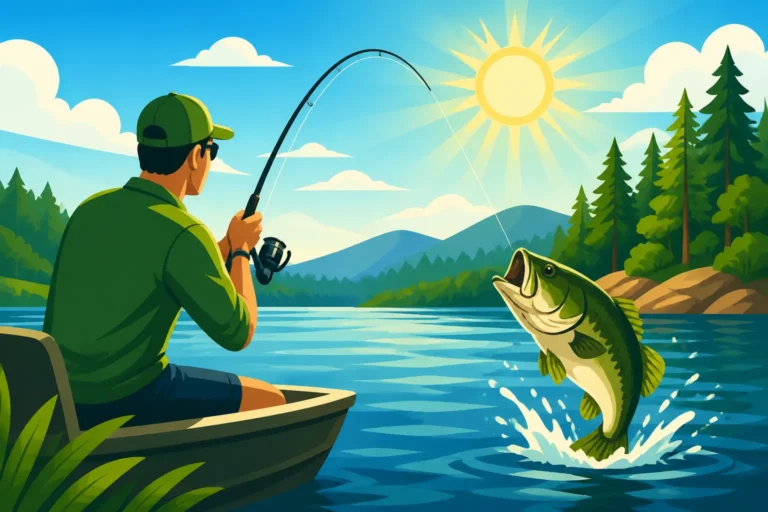
Best Bass Fishing Spots on Lake Hartwell
Navigating a massive reservoir like Lake Hartwell for bass can feel overwhelming, especially when you're staring at thousands of acres of water and wondering where on earth the fish might be hiding. It's a common frustration for anglers, new and seasoned alike, trying to decipher the best places to drop a line. This guide is here to cut through that vastness, offering up some of the most reliable and productive bass fishing spots on Lake Hartwell, helping you pinpoint those honey holes and make your next trip a success.
Understanding Lake Hartwell's Unique Bass Fishing Landscape
Lake Hartwell, a sprawling U.S. Army Corps of Engineers reservoir nestled on the border of Georgia and South Carolina, is a powerhouse for bass fishing. Its clear waters, deep channels, and abundant forage make it a prime habitat for both largemouth and spotted bass. However, its sheer size and diverse topography mean that different areas will hold fish depending on the season, water temperature, and time of day. Knowing how to read the lake and where to focus your efforts is key to unlocking its full potential.
The Influence of Water Clarity and Depth
Hartwell is generally known for its clear to moderately clear water, especially compared to some of Georgia's more stained lakes. This clarity often means bass can be a bit more finicky, relying heavily on cover and structure for ambush points. It also means they'll often hold deeper than you might expect, particularly during bright sunny days or in the warmer months. Understanding this characteristic helps you choose the right baits and presentations, often favoring more natural colors and subtle approaches. The deep main lake channels, for instance, become crucial highways for bass moving between feeding and holding areas, especially when the thermocline sets up in summer.
Key Forage and How It Dictates Bass Location
The primary forage for bass in Lake Hartwell includes threadfin and gizzard shad, blueback herring, and various panfish like bluegill and crappie. The presence and movement of these baitfish heavily dictate where you'll find bass. Blueback herring, in particular, are a favorite of the lake's spotted bass, which often suspend over deep water or chase schools in open areas. Largemouth bass, while not ignoring herring, tend to stick closer to structure, ambushing shad and panfish. Learning to use your electronics to locate these bait schools is often the first step to finding bass. Knowing the preferred prey of the different bass species also helps you choose the Best Lures for Georgia Largemouth Bass or what works for spotted bass.
Top Bass Fishing Spots on Lake Hartwell
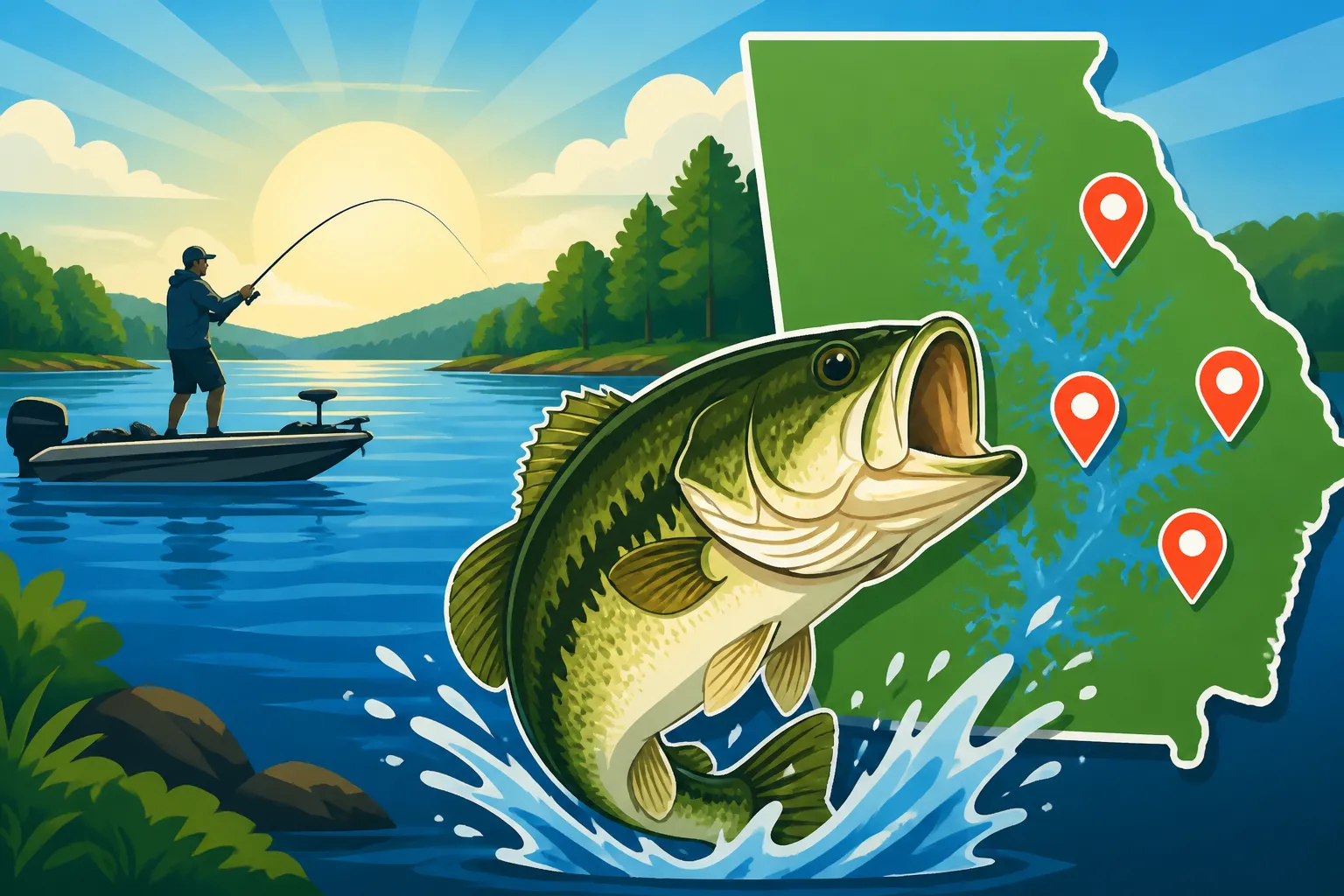
When it comes to nailing down the best bass fishing spots on Lake Hartwell, it often boils down to targeting specific types of structure or areas known for consistent action. From shallow pockets to deep-water havens, this lake offers a diverse range of environments for bass.
Productive Main Lake Points and Humps
Main lake points that extend far out into the channel and submerged humps are classic bass magnets on Hartwell. These areas offer bass easy access to deep water for safety and quick changes in depth for feeding. Points that have brush piles, rock formations, or even old roadbeds provide additional cover that can hold large schools of bass. During the spring and fall, bass will often stage on these points before moving into or out of spawning coves. In summer, they become crucial ambush points for deep-water suspending fish.
When fishing these points, a variety of techniques can be effective. Carolina rigs, shaky heads, deep-diving crankbaits, and football jigs are excellent choices for targeting bass holding near the bottom. If you see baitfish flickering on the surface nearby, topwater lures or walking baits can also produce explosive strikes, especially during low-light conditions. These offshore structures are often best explored with a good fish finder to identify variations in depth and hard cover. If you’re planning a trip and want to maximize your time on these prime spots, consider checking out available guides on FishingBooker who specialize in Lake Hartwell.
Deep Creek Channels and River Bends
The old Savannah and Tugaloo River channels, now submerged, crisscross the bottom of Lake Hartwell and are absolute goldmines for bass fishing. These channels act as underwater highways, funneling baitfish and providing bass with routes to move throughout the lake. Deep bends in these channels, especially where they meet a sharp drop-off or merge with a feeder creek, create natural current breaks and deep-water cover that bass love. These areas are particularly hot during the summer and winter when bass retreat to deeper, more stable temperatures.
Fishing these deep channels effectively often means vertical presentations. Drop shot rigs, spoons, and heavy jigs are excellent for targeting bass suspended in the water column or hugging the bottom of the channel. Keep an eye on your electronics for tell-tale arches of bass or dense bait balls in these areas. Sometimes, trolling deep-diving crankbaits along the channel edges can also entice strikes from active fish. Knowing the subtle nuances of these underwater highways can vastly improve your success, much like understanding the Best Fishing Spots on the Savannah River, Georgia further downstream.
Backwater Coves and Pockets for Shallow Action
While Hartwell is known for its deep water, don't overlook the myriad of backwater coves and shallow pockets, particularly during the spring spawn and early summer. These protected areas warm up faster, making them ideal for prespawn staging and actual spawning. Look for areas with a mix of submerged vegetation (though not abundant on Hartwell, some can be found), downed timber, docks, and rocky banks. Bass will use these features to build nests and ambush unsuspecting baitfish.
In these shallower areas, spinnerbaits, chatterbaits, weightless worms, and shallow-diving crankbaits are highly effective. During the actual spawn, sight fishing for bass on beds can be a thrilling challenge. After the spawn, bass will often linger in these coves, recuperating and feeding heavily. Don’t forget to check the backs of coves after a good rain, as new inflows can attract baitfish and, consequently, hungry bass. These areas can be particularly rewarding for those looking for Best Spring Bass Fishing Spots in Georgia.
Marinas and Dock Systems
Man-made structures like marinas and extensive dock systems provide incredible cover and habitat for bass year-round. Docks offer shade, protection from predators, and a vast network of pilings and cross-members where baitfish can hide. Bass will often patrol these shaded areas, ambushing prey. The deeper the water under the docks, the more consistently they tend to hold fish, especially in warmer months.
Flipping and pitching jigs, Texas-rigged worms, and wacky rigs under and around docks are highly productive techniques. Skip your lures far back into the shadows where bass feel most secure. Marinas, with their permanent structures, also concentrate baitfish, making them attractive to bass. Some anglers even prefer to seek out specific marina slips when booking trips through services like FishingBooker, knowing these spots offer reliable action, especially when the bite is tough elsewhere.
Seasonal Bass Fishing Strategies on Lake Hartwell
Lake Hartwell's bass fishing is a dynamic beast, constantly changing with the seasons. What works in April might be completely ineffective in August. Adapting your approach to the time of year is crucial for consistent success.
Spring: The Prespawn and Spawn Frenzy
Spring is arguably the most exciting time to target bass on Lake Hartwell. As water temperatures begin to climb into the 50s and 60s Fahrenheit, bass move from their deep wintering grounds towards shallower spawning areas. This prespawn period sees bass feeding aggressively, bulking up for the rigors of spawning. Main lake points, secondary points in coves, and creek channels become staging areas.
Prespawn: Focus on transition areas where bass move from deep to shallow. Crankbaits, jerkbaits, and bladed jigs are excellent for covering water and triggering strikes from active fish. Look for red clay banks and rocky points that absorb heat quickly.
Spawn: Once water temperatures reach the mid-60s, bass move onto beds in protected coves. Look for flat, hard bottom areas, often near docks or submerged timber. Weightless worms, lizard baits, and small jigs pitched directly to visible beds are effective. Remember to practice ethical catch-and-release during the spawn to protect the fishery. For specific timing, researching When Largemouth Bass Spawn on Georgia's Lakes can provide invaluable insights.
Summer: Deep Water and Early Morning Bites
Summer on Lake Hartwell can be challenging due to high temperatures and boat traffic, but it also offers incredible opportunities for anglers willing to adjust. Bass often move to deeper water, seeking cooler temperatures and stable oxygen levels below the thermocline. Early mornings and late evenings offer the best topwater action, but during the day, you'll need to go deep.
Deep Water Tactics: Target deep humps, main lake points, and the river channels. Carolina rigs, drop shots, and heavy football jigs are essential. Look for brush piles and submerged timber on your electronics. Live bait, like blueback herring, can also be incredibly effective for suspended spotted bass. Some anglers find guides on FishingBooker during these tough months specifically for their deep-water expertise and access to live bait.
Low Light and Topwater: Don't neglect the early morning bite. Topwater lures, walking baits, and poppers fished over points, shallow humps, and around docks can produce thrilling strikes as bass chase shad and herring near the surface before the sun gets high.
Fall: The Migration and Feeding Frenzy
As water temperatures cool in the fall, bass become incredibly active, following baitfish into the creeks and coves to feed heavily before winter. This can be one of the most productive times of year to fish Hartwell, as bass are often schooling and willing to chase a variety of lures.
Following the Bait: Look for large schools of baitfish on your electronics, especially in the backs of creeks. Bass won't be far behind. Crankbaits, spinnerbaits, and swimbaits are excellent for covering water and imitating fleeing baitfish.
Topwater Action: The topwater bite can remain strong well into the fall, especially on cloudy days or when bass are busting bait on the surface. Walking baits, poppers, and even buzzbaits can be deadly. Pay attention to birds diving, as they often indicate schooling baitfish and bass activity. This seasonal shift can make for some of the Best Fall Fishing Spots on Georgia Lakes.
Winter: Slow and Deep
Winter fishing on Lake Hartwell requires patience and a slower presentation. Bass metabolism slows down, and they often school tightly in deep water. While the bite can be tough, catching a few quality bass is definitely possible.
Vertical and Finesse: Focus on deep creek channels, main lake humps, and points in 20-50 feet of water. Vertical jigging spoons, drop shot rigs, and small, slow-moving jigs are your best bets. Fish slowly and precisely, targeting areas where you see baitfish or bass on your electronics.
Sunken Structure: Isolated brush piles and submerged timber become critical winter holding areas. Bass will often stack up in these spots. A slow retrieve with a jig or a vertical presentation can draw strikes from reluctant fish. Patience is a virtue during these colder months.
Practical Tips for Fishing Lake Hartwell
Maximizing your bass fishing experience on Lake Hartwell goes beyond just knowing where to fish. It involves having the right gear, understanding the local nuances, and being prepared for whatever the lake throws at you.
Essential Gear and Electronics
Given Hartwell's clear waters and deep-water tendencies, having the right equipment is paramount. A good fish finder with down imaging and side imaging capabilities is almost non-negotiable for locating submerged structure, baitfish schools, and individual bass, especially when you're looking for Best Fish Finders for Georgia Reservoir Fishing. Look for models from brands like Lowrance or Humminbird that offer high-resolution displays to help you decipher what's beneath the surface. For rods and reels, a versatile selection that includes medium-heavy casting setups for jigs and heavier lures, and medium-light spinning gear for finesse presentations like drop shots and shaky heads, will serve you well. Consider carrying extra tackle to adapt to changing conditions.
Navigating the Lake Safely
Lake Hartwell is a large body of water, and navigating it safely is crucial. Always carry the appropriate safety gear, including enough life jackets for everyone on board. Pay attention to weather forecasts, as sudden storms can pop up, especially in summer. Be mindful of submerged hazards like stumps and rock piles, particularly in areas like the upper river arms or when traveling through shallower coves. A reliable GPS on your boat's electronics can help you mark safe navigation routes and avoid trouble spots. Familiarize yourself with Georgia Life Jacket Laws for Boaters and Kids. If you're new to the lake, consider hiring a local guide through FishingBooker for your first trip, not only for their fishing knowledge but also their expertise in safely navigating the lake.
Respecting the Fishery
Finally, always practice responsible angling. This means understanding and adhering to all Georgia Fish Size and Creel Limits, especially for bass. Many anglers choose to practice catch-and-release for larger bass, helping to maintain a healthy breeding population and ensure future trophy opportunities. Dispose of your trash properly, avoid disturbing wildlife, and leave the lake cleaner than you found it. By doing so, we ensure that Lake Hartwell remains a fantastic bass fishery for generations to come.
Disclaimer
Please note that fishing conditions, regulations, and fish behavior can change. Always check the latest Georgia Department of Natural Resources (DNR) fishing regulations before heading out. This guide provides general information and recommendations, and success is never guaranteed in fishing.