Fall trout stocking schedule, Georgia
It’s a common frustration among Georgia anglers: you want to hit the trout streams when the leaves are turning, the air is crisp, and the crowds have thinned, but figuring out when and where those beautiful fish are actually being released can feel like a mystery. This guide is here to unravel that mystery, diving deep into Georgia's fall trout stocking schedule so you can confidently plan your autumn adventures and enjoy some truly spectacular fishing.
Understanding Georgia's Fall Trout Stocking Program
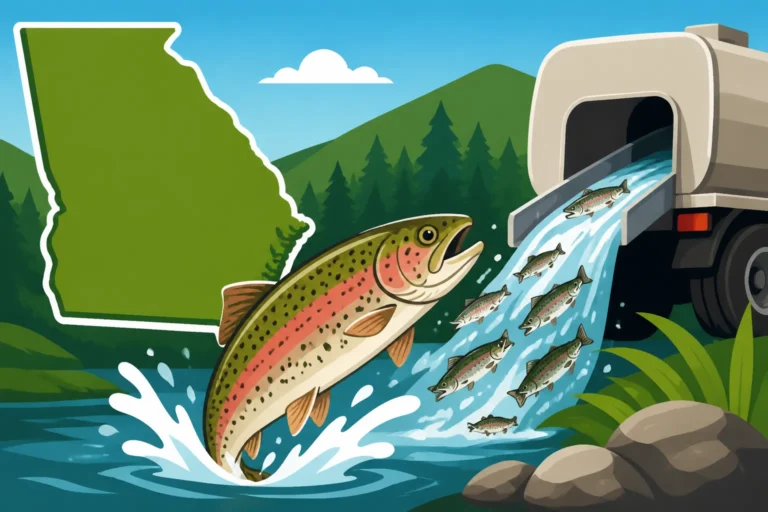
Many anglers think of trout stocking as primarily a spring and summer activity, but the truth is, fall offers some of the most rewarding and picturesque trout fishing opportunities in Georgia. The state’s Wildlife Resources Division (WRD) strategically continues its stocking efforts well into autumn, recognizing the benefits of cooler water temperatures and the desire of many anglers to extend their season beyond the scorching summer months. This isn't just a bonus; it's a carefully planned effort to enhance the angling experience.
The 'Why' Behind Autumn Trout Releases
The primary driver behind fall trout stocking is the perfect alignment of water temperature and fish health. As summer fades and the air cools, stream temperatures drop significantly, creating an ideal environment for trout to thrive. Warmer water in summer can stress stocked trout, making them less active and more susceptible to disease, which is why stocking often slows down or shifts to specific cooler tailwaters during peak heat. In contrast, fall's crisp conditions mean the fish are livelier, more aggressive, and generally in better shape, offering a more robust fight when hooked.
Furthermore, fall stocking serves to extend the angling season and disperse fishing pressure. After the busy summer, many fair-weather anglers pack up their gear, leaving the streams less crowded. This provides a more peaceful and enjoyable experience for those dedicated enough to brave the cooler air. It also ensures that there's a steady supply of catchable trout for those who still want to wet a line before winter truly sets in. The stunning backdrop of North Georgia's changing leaves only adds to the allure, transforming a simple fishing trip into a truly memorable outdoor experience.
Trout Species You Can Expect to Find
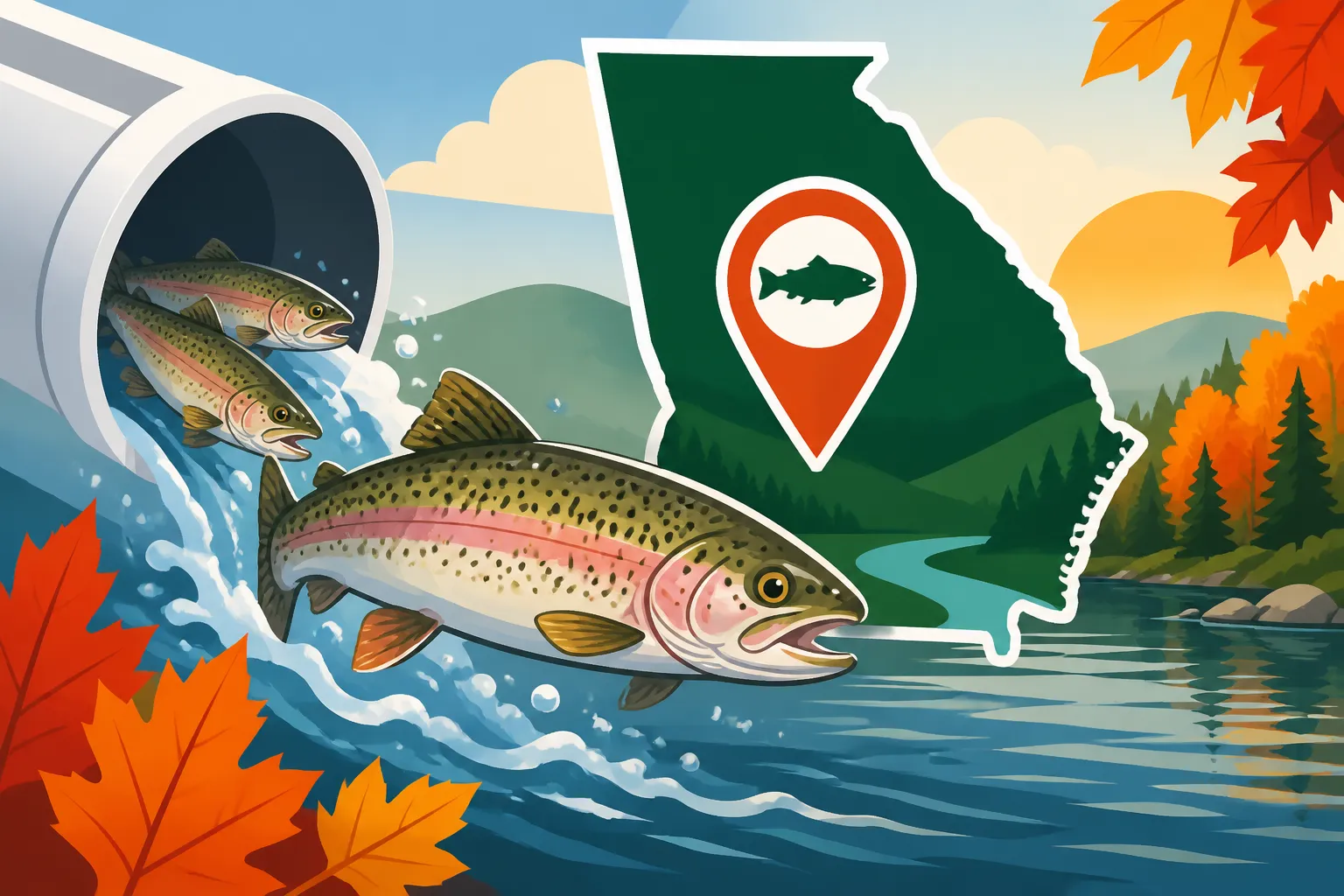
When the stocking trucks roll out in the fall, you’ll primarily be looking forward to encountering Rainbow Trout. These vibrant, hard-fighting fish are the workhorses of Georgia’s stocking program, known for their eager bites and excellent table fare. They adapt well to the stream environments they are introduced to and provide consistent action for anglers using a variety of techniques. You can expect them to be of catchable size, typically ranging from 9 to 14 inches, perfect for a frying pan or a spirited catch-and-release battle.
While Rainbows dominate, there are occasional instances where Brown Trout might also be part of the fall stocking mix, especially in certain river sections known to hold wilder populations. Brown trout are often a bit more elusive and prized by some anglers for their cunning. However, it's the feisty Rainbows that will make up the bulk of your autumn trout catches. If you're keen on chasing different species, it's always a good idea to check the specific stocking reports, as areas known for Brown Trout Fishing on the Chattahoochee River might see some specialized releases. Don't forget, beyond these stocked beauties, Georgia is also home to Georgia's only native trout species, the Brook Trout, usually found in higher elevation, pristine waters, offering a different kind of challenge for dedicated anglers.
Pinpointing the Fall Stocking Schedule: When and Where
The key to successful fall trout fishing is knowing when and where the Georgia WRD focuses its efforts. While the exact dates and locations can vary slightly year-to-year based on environmental conditions and budget, there's a general pattern that anglers can rely on. Think of it as a moving target, but one that largely stays within the beautiful confines of North Georgia's mountain streams.
Typical Timing for Autumn Releases
Georgia's fall trout stocking typically kicks off around October and can continue through early December, sometimes even into late December if conditions allow. The peak generally falls in October and November, as these months offer consistently cool water temperatures and stable weather patterns. During this period, designated trout streams will often receive weekly or bi-weekly stockings, ensuring a fresh supply of fish for eager anglers.
It’s crucial to remember that these schedules are dynamic. Weather plays a significant role; heavy rains can blow out streams, making stocking unsafe or ineffective, leading to delays or reroutes. Conversely, a prolonged period of dry, warm weather might delay the start of fall stocking until water temperatures are optimal. The WRD works hard to maintain consistency, but flexibility is key for anglers. Always double-check the latest reports before you head out, and remember that this schedule differs from the more extensive Georgia Trout Stocking Schedule seen in the spring and summer, which covers a wider range of waters.
Major Trout Streams and Stocking Locations
Unsurprisingly, the vast majority of fall trout stocking efforts are concentrated in the North Georgia mountains. This region provides the cold, oxygen-rich waters that trout require. You'll find fish released into popular and accessible streams, as well as some more remote locations.
Here are some of the perennial favorites that often feature prominently on the fall stocking list:
- Toccoa River (especially below Blue Ridge Dam): A staple, offering both wade and boat access. Known for its strong currents and diverse fishing opportunities.
- Chattahoochee River (especially above Atlanta and in the headwaters): Numerous access points, from urban parks to more secluded stretches. The Chattahoochee River Headwaters Trout Fishing is legendary.
- Amicalola Creek (Dawson County): A beautiful stream with easy access in some areas, popular with families.
- Tallulah River (Rabun County): Offers diverse fishing, from wider, accessible sections to more rugged stretches.
- Dukes Creek (White County): A trophy trout stream, often with specific regulations.
- Cooper Creek (Union County): A popular recreation area with good access.
- Hiawassee River (Towns County): Another fantastic river with plenty of public access.
Many of these streams are part of the general trout regulations, meaning you’ll need a valid Georgia fishing license and a trout stamp if you plan to keep any fish. Always check the specific regulations for the water you intend to fish, as some, like Dukes Creek, have special management rules. To help you visualize, here's a generalized look at some popular fall stocking areas:
| Stream Name | County | General Stocking Period | Notes/Typical Species |
|---|---|---|---|
| Toccoa River | Fannin | Oct-Dec | Rainbow Trout, easy access, boat/wade |
| Amicalola Creek | Dawson | Oct-Nov | Rainbow Trout, family-friendly spots |
| Chattahoochee River | White/Habersham | Oct-Dec | Rainbow Trout, various access points |
| Tallulah River | Rabun | Oct-Nov | Rainbow Trout, good for wading |
| Cooper Creek | Union | Oct-Nov | Rainbow Trout, popular campground access |
| Holly Creek | Murray | Oct-Nov | Rainbow Trout, smaller, often stocked |
| Smith Creek | White | Oct-Dec | Rainbow Trout, within Unicoi State Park |
While this table gives you a good starting point, the absolute best resource for up-to-the-minute stocking information is the Georgia WRD's official trout stocking page. They usually update it weekly during the stocking season, often by Friday afternoon, detailing which streams received fish that week. Knowing this can greatly increase your chances of finding actively biting trout. You might also want to consult a broader guide to the Best Trout Streams in Georgia to identify other potential hotspots.
Gear, Techniques, and Tips for Fall Trout Fishing
Successfully targeting fall-stocked trout requires a bit of adaptation from your usual warm-weather tactics. The cooler water and often clearer conditions mean the fish can be a little more wary, but they’re still hungry and willing to bite if you present your offerings correctly. Having the right gear and knowing a few key techniques can make all the difference between a frustrating day and a fantastic one.
Adapting Your Tackle for Cooler Waters
For fall trout fishing in Georgia, versatility is your friend. Whether you prefer spin fishing or fly fishing, adjusting your approach for cooler water is key.
Spin Fishing:
Light to ultra-light spinning gear is ideal. A 5 to 6-foot rod paired with a small spinning reel spooled with 4-6 lb test monofilament or fluorocarbon line is perfect. The lighter line allows for better presentation and sensitivity. For lures, think small:
- Inline Spinners: Brands like Panther Martin, Rooster Tail, and Mepps in sizes #0 to #2 are deadly. Their flash and vibration can entice reluctant trout. Colors like gold, silver, black, and chartreuse are often effective.
- Small Spoons: Tiny Kastmasters or Little Cleos in silver or gold can also work well, mimicking small baitfish.
- Jigs: Micro jigs tipped with a small piece of worm or scented soft plastic can be incredibly effective, especially when fished slowly in deeper pools.
- Natural Baits: PowerBait (in various colors and forms like eggs or nuggets), corn, and live worms remain classic trout getters. These are readily available at local tackle shops or online; you can even find multi-packs of popular PowerBait colors on Amazon. A simple slip-sinker rig or a small bobber setup works great for presenting natural baits. If you're looking for more general guidance, check out our guide on Best Lures for Stocked Trout.
Fly Fishing:
A 3-5 weight fly rod is perfect for most Georgia trout streams. In the fall, trout tend to feed more subsurface as insect hatches become less prolific.
- Nymphs: Patterns like Pheasant Tail, Hare's Ear, Prince Nymph, and Squirmy Wormies in sizes #14-20 are go-to choices. Fish them under an indicator or with a tightline nymphing technique.
- Streamers: Small streamers like Woolly Buggers (black, olive, brown) can imitate baitfish and attract larger, more aggressive trout.
- Dry Flies: While fewer hatches occur, be prepared with small caddis or BWO (Blue-Winged Olive) patterns if you see rising fish, especially on warmer, overcast days.
Beyond your rod and reel, don't forget layers of clothing and waterproof gear. Fall mornings can be chilly, but midday can warm up, so dressing in layers is crucial. A good waterproof rain jacket and comfortable, insulating waders are essential. You can find excellent deals on breathable waterproof jackets and insulated base layers on Amazon to keep you comfortable during your long hours on the water.
Strategies for Success in Autumnal Streams
Catching fall trout isn't just about the gear; it's about understanding their behavior in cooler conditions.
- Slow Down Your Presentation: As water temperatures drop, fish metabolism slows, making trout less likely to chase fast-moving baits. Slow, deliberate retrieves with lures and gentle drifts with flies or bait are often more productive.
- Target Deeper Water: Trout will often retreat to deeper pools, runs, and undercuts during colder periods, seeking stable temperatures and protection. Focus your efforts on these areas, ensuring your bait or lure gets down to their level.
- Stealth and Approach: Fall often brings clearer water, making trout more easily spooked. Approach the stream cautiously, avoid heavy footsteps on the bank, and try to stay low, especially in smaller streams. A good cast placed upstream of a potential holding lie, allowing your offering to drift naturally to the fish, is often more effective than casting directly onto a spot.
- Watch the Weather: Overcast days can sometimes provide better fishing, as the reduced light can make trout feel more secure and active throughout the day. Pay attention to changes in barometric pressure, as stable conditions often mean more active fish.
- Catch and Release: While stocked trout are often intended for harvest, practicing good catch and release, especially for any wild or larger fish you might encounter, helps preserve the fishery. Wet your hands before handling fish, use debarbed hooks, and minimize their time out of the water. For more specific techniques, consider exploring guides on Spin Fishing Techniques for Trout. Don't forget, if you're fishing a stream designated as a What is delayed harvest trout fishing in Georgia? area, strict catch-and-release rules apply during certain times of the year, so always confirm local regulations.
Staying Informed and Making the Most of Fall Fishing
The beauty of fall trout fishing in Georgia is undeniable, but to consistently find success, you need to stay plugged into the most current information. The stocking schedule isn't static, and conditions on the ground can change rapidly. Being proactive in your research and flexible in your plans will lead to more enjoyable and productive outings.
Official Resources and Real-Time Updates
The absolute best place to find accurate and up-to-date information on Georgia’s fall trout stocking schedule is the official website of the Georgia Department of Natural Resources (DNR) Wildlife Resources Division (WRD). During the stocking season, they typically update a weekly report detailing which streams were stocked, when, and with what species. Make it a habit to check this page before any planned trip. You can often find information specific to Daily Creel Limits for Trout in Georgia and other essential regulations here.
Beyond the website, consider following the Georgia WRD's social media channels (like Facebook or X, formerly Twitter). They often post timely updates, photos, and even videos of stocking efforts, giving you a visual confirmation of recent releases. Some regions might also offer email newsletters or alerts that you can sign up for, delivering the latest stocking news straight to your inbox. While the When does trout stocking end for the season for fall might fluctuate, these official sources will provide the most reliable answers. Remember, purchasing your fishing license is quick and easy, and you can learn How to Get a Fishing License in Georgia and check specific Georgia Trout Fishing License Requirements directly through the WRD's online system, which is usually the most convenient method.
Beyond the Stocking Truck: Finding Natural Trout Waters
While chasing the stocking truck can certainly lead to a lot of action, don't overlook the incredible opportunities that exist beyond the stocked streams. Georgia's mountains are home to numerous pristine headwater creeks and rivers that support wild populations of Rainbow, Brown, and our native Brook Trout. These waters offer a different kind of challenge and reward—a chance to truly connect with nature and experience trout fishing in its purest form.
Exploring these unstocked waters requires a bit more effort, often involving hiking into more remote areas. The fish tend to be smaller but are incredibly feisty and beautiful, often displaying more vibrant colors. It’s also a chance to practice more refined techniques, as these wild trout are typically warier. Respecting these delicate ecosystems is paramount; practice strict catch and release, minimize your impact, and leave no trace. Local fly shops in towns like Helen, Blue Ridge, and Blairsville can be invaluable resources for local knowledge, guiding you to both stocked hotspots and more secluded wild trout haunts. They often carry specialized gear, too, and can offer advice on specific fly patterns or lures that are working well. You might even find some specialized fly-tying materials or unique local lures on Amazon that complement their advice!
Disclaimer
Please be aware that fishing regulations, stocking schedules, and license requirements in Georgia are subject to change. Always consult the official Georgia Department of Natural Resources (DNR) Wildlife Resources Division (WRD) website or their current printed regulations booklet before planning any fishing trip to ensure you have the most up-to-date information. This article is intended for informational purposes only and does not supersede official government regulations.