Saltwater permit vs regular fishing license in Georgia
Anglers new to Georgia, or even seasoned veterans who haven't paid close attention, often hit a snag when trying to figure out what exactly they need to legally wet a line. There's a persistent confusion about the "regular" fishing license and this thing called a "saltwater information permit." It can feel like a bureaucratic maze, leaving you wondering if you've got all your ducks in a row for a peaceful day on the water. This guide is here to clear up that confusion, explaining the distinct purposes and requirements for both the standard Georgia fishing license and the often-misunderstood free saltwater information permit.
Understanding Georgia's Basic Fishing License
This is where we dive into the fundamental permit that most anglers will need, regardless of whether they're chasing bass in a lake or redfish in the marsh. It’s the primary ticket to enjoying Georgia’s diverse fishing opportunities.
What the Regular Georgia Fishing License Covers
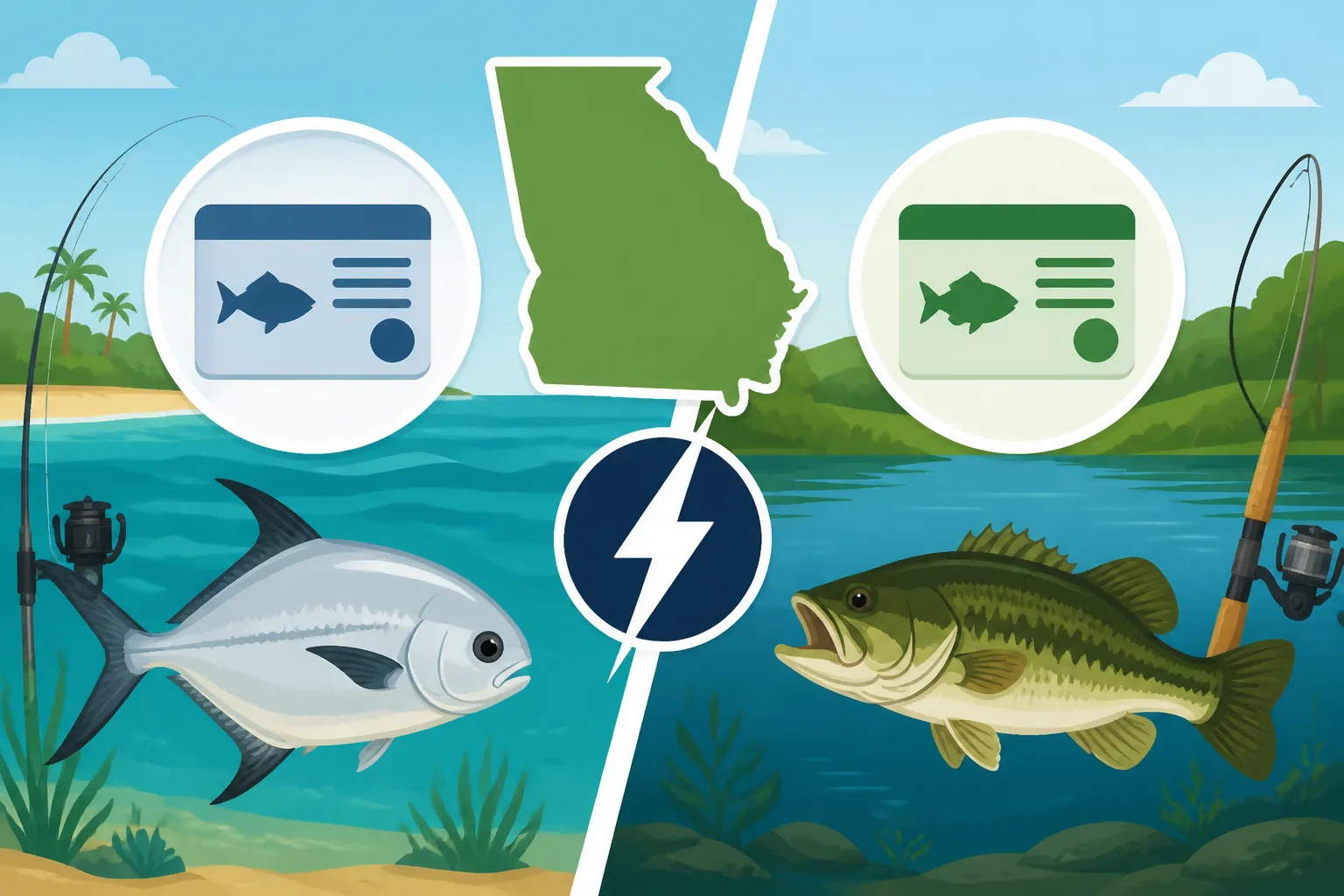
When we talk about a "regular" Georgia fishing license, what we're actually referring to is a comprehensive license issued by the Georgia Department of Natural Resources (DNR) through its Wildlife Resources Division (WRD). For residents and nonresidents alike, this single license typically covers both freshwater and saltwater recreational fishing activities. That's right, one license, two major categories of fishing! It means if you're planning to cast a line for largemouth bass in Lake Lanier one weekend, and then head down to the coast to try your hand at flounder fishing the next, you generally only need this one primary license. It's designed for convenience, ensuring you don't have to juggle multiple paid permits for different types of water.
This primary license is your golden ticket, confirming you've met the state's fundamental requirement to harvest fish from public waters. It contributes to the conservation efforts that keep Georgia's fisheries healthy and thriving, funding stocking programs, habitat restoration, and enforcement. Without it, you're not just breaking the law; you're also missing out on supporting the very resources that make fishing in Georgia so fantastic. Think of it as your official membership card to the vast and varied fishing opportunities Georgia has to offer, from mountain streams to coastal estuaries.
It's important to note that while this license covers the act of fishing in both environments, it doesn't automatically cover every specific type of fishing. For instance, if you're venturing into certain designated mountain trout streams, you might need an additional endorsement, like the Mountain Trout License Add-On in Georgia. Similarly, specific catch limits and size restrictions, such as those detailed in the Georgia Fish Size and Creel Limits article, still apply and are enforced regardless of your basic license. Always double-check those regulations for your target species and location!
Who Needs This License
Generally speaking, if you are 16 years of age or older and plan to fish recreationally in Georgia's public waters, you need to possess a valid Georgia fishing license. This applies to both residents and nonresidents. There are a few exceptions, of course, because rules always have nuances. For example, those fishing in private ponds that are entirely self-contained and not connected to public waterways typically don't need a state license, but most anglers will find themselves needing one for almost any public water adventure.
For Georgia residents, the pricing and options might differ from those visiting from out-of-state. For instance, you might be curious about How much a Georgia resident fishing license costs compared to a Georgia nonresident annual fishing license cost. The state offers various durations, from annual licenses to short-term options, catering to different fishing habits. Even if you're just visiting for a quick trip, say from Florida or Alabama, you'll need to secure the appropriate nonresident license. This ensures fair contribution to the state's conservation programs from everyone who benefits from Georgia's natural resources.
It’s also crucial to remember that age is a big factor. While adults definitely need one, the question of Do Kids Need a Fishing License in Georgia? often comes up. Typically, children under 16 are exempt, making fishing a fantastic, accessible activity for families. However, once that 16th birthday rolls around, it's time to get licensed up! And for our esteemed senior anglers, there are specific Senior Fishing License Rules in Georgia that can offer significant savings or even free lifetime options for those who qualify, particularly residents born before a certain date. Always verify your specific situation with the Georgia DNR to ensure you're compliant.
The Georgia Saltwater Information Permit Explained
Now, let's tackle the permit that causes a lot of head-scratching. It's free, it's mandatory for some, and it's not a fishing license in itself. This is where many anglers trip up, so pay close attention.
Why the Saltwater Permit Exists
The Georgia Saltwater Information Permit is, as its name suggests, primarily an information-gathering tool for the state. Unlike a traditional fishing license, which generates revenue for fisheries management, this permit's main purpose is to help the Georgia DNR collect crucial data on recreational saltwater fishing activity. Think about it: how can the state effectively manage fish populations, set appropriate creel limits, or understand the impact of fishing pressure if they don't know who is fishing and how often? This permit helps fill those data gaps.
When you obtain this free permit, you provide basic contact information, which allows the DNR to potentially send out voluntary surveys or gather broader statistical insights into saltwater angling participation along Georgia's 100 miles of coastline and extensive marshlands. This data is invaluable for scientific research, conservation planning, and securing federal funding for coastal management programs. It ensures that decisions affecting Georgia's vibrant saltwater fisheries are based on the most accurate and up-to-date information possible, rather than guesswork.
Without this permit, even if you have your standard fishing license, the state has no way of knowing you're specifically targeting saltwater species. This small, free step plays a vital role in the bigger picture of sustainable resource management. It's a testament to Georgia's proactive approach to fisheries conservation, making sure our coastal waters remain healthy for generations of anglers to come. So, while it might seem like just another piece of paper, it's an important part of the conservation puzzle that helps fund the very resources anglers rely on.
When You Need to Obtain the Free Permit
Here's the crucial part: you need this free permit if you are 16 years of age or older and you are fishing for or possessing saltwater fish within Georgia's saltwater jurisdiction. This applies even if you already hold a valid paid Georgia fishing license. So, if you're heading out to the Golden Isles near St. Simons Island to chase redfish, trout, or flounder, you'll need both your regular fishing license and this free permit. It doesn't matter if you're fishing from a boat, a pier, or wading in the marsh; if you're targeting saltwater species, this permit is required.
The key distinction is that the permit is in addition to your fishing license, not a replacement. Many anglers, especially those who primarily fish freshwater but occasionally venture to the coast, mistakenly assume their paid fishing license is all they need. However, without the free Saltwater Information Permit, you could still be in violation of state regulations, even if you paid for your primary license. It’s a bit of a tricky nuance, but an important one for compliance.
This requirement also extends to nonresidents. If you're visiting Georgia to enjoy some coastal fishing, you'll need your nonresident fishing license and the free Saltwater Information Permit. It's a simple, quick process to obtain, and it ensures you're fully compliant with Georgia's specific rules for saltwater recreational fishing. You can easily find information on How to get the free saltwater fishing permit in Georgia through the DNR's website. Don't let this small, free detail trip up your fishing adventure!
Key Differences and When Each Applies
Let's cut to the chase and lay out the core distinctions between these two requirements. This is where many anglers get confused, so we'll break it down with clear examples to leave no room for doubt.
Scenarios: Freshwater, Saltwater, and Both
Imagine you're planning a fishing trip in Georgia. Here's how the license and permit requirements break down based on your destination and target species:
-
Scenario 1: Pure Freshwater Fishing. Let's say you're heading to Lake Oconee for some bass fishing, or maybe the Chattahoochee River above Atlanta for trout. In this case, you only need your regular, paid Georgia fishing license. The saltwater information permit is completely irrelevant here because you're nowhere near saltwater. This applies to all of Georgia's inland lakes, rivers, and ponds, whether you're targeting crappie, catfish, or bream. If your focus is purely on freshwater species and habitats, your standard license is sufficient, perhaps with an additional trout stamp if you're specifically fishing designated trout waters as outlined in Georgia Trout Fishing License Requirements.
-
Scenario 2: Pure Saltwater Fishing. Now, let's imagine you're only interested in fishing the Georgia coast – perhaps from a pier in Brunswick or chartering a boat out of St. Marys for redfish. In this scenario, you absolutely need your regular, paid Georgia fishing license and the free Georgia Saltwater Information Permit. This is the crucial combination for coastal anglers. The paid license gives you the general authority to fish, and the free permit allows the state to collect data specific to saltwater efforts. Neglecting either one means you're not fully compliant with Georgia Saltwater Fishing Permit Guide.
-
Scenario 3: A Mix of Freshwater and Saltwater Fishing. Perhaps you live in Savannah and enjoy fishing the local estuaries for speckled trout, but also love taking weekend trips to fish for stripers on Lake Lanier. Or maybe you're visiting the state and plan to experience both inland and coastal fishing during your stay. If you engage in both types of fishing, you still only need one paid Georgia fishing license. However, for your saltwater excursions, you must also have that free Saltwater Information Permit. The versatility of the paid license is great, but don't forget that extra, free step for the coastal waters.
The table below provides a quick visual comparison to help solidify these distinctions:
| Feature | Regular Georgia Fishing License | Georgia Saltwater Information Permit |
|---|---|---|
| Cost | Paid (various prices/durations) | Free |
| Coverage | General authority to fish in GA (fresh & salt) | Data collection for saltwater efforts |
| Requirement For | Anyone 16+ fishing public freshwater or saltwater | Anyone 16+ fishing public saltwater |
| Purpose | Revenue for conservation, legal fishing | Statistical data, coastal management |
| Required By Itself? | Yes (for freshwater only) | No (always with a paid fishing license) |
| Needed for Saltwater? | Yes | Yes (in addition to paid license) |
Common Misconceptions to Avoid
One of the biggest misconceptions, as we've highlighted, is the belief that if you have a paid fishing license, you're automatically covered for all types of fishing in Georgia. This simply isn't true for saltwater. Many anglers get caught off guard because the saltwater permit is free, leading them to assume it's either optional or simply not needed if they've already purchased a license. The truth is, the DNR specifically designed it as a separate, mandatory requirement for data collection, regardless of your paid license status.
Another common mistake involves assuming that because a permit is free, it's less important. Nothing could be further from the truth in terms of compliance. Game wardens enforce the requirement for the Saltwater Information Permit just as strictly as they do for the paid fishing license. Getting caught without it, even if you have your primary license, can result in penalties like those described in Penalties for Fishing Without a License in Georgia. It's a simple, five-minute online process, so there's really no reason to risk a citation.
Finally, some anglers confuse the Georgia Saltwater Information Permit with specific federal permits or licenses that might be required for certain highly migratory species or commercial fishing operations. For the vast majority of recreational anglers, the Georgia Saltwater Information Permit covers their state-level requirements. Always verify if you're engaging in highly specialized fishing, but for general recreational saltwater angling, stick to the basics discussed here. For any questions, the Georgia DNR website is a fantastic resource, or you can call their customer service line for a definitive answer.
Getting Your Licenses and Permits
Knowing what you need is one thing; actually getting it in hand is another. Thankfully, Georgia has made the process relatively straightforward for both residents and visitors, whether you're at home or already on the road.
Where to Purchase Your Fishing License
Obtaining your regular Georgia fishing license is a breeze these days, offering several convenient options to suit your preferences. The most popular method, by far, is purchasing it online through the Georgia Department of Natural Resources (DNR) website. This allows you to select your license type – whether it's an annual resident license, a non-resident short-term option, or a lifetime license if you qualify – and print it right from your home computer. It's quick, efficient, and ensures you're legal before you even head out the door. You can find detailed steps on How to Buy a Fishing License Online in Georgia to walk you through the process, making sure your plans for Georgia Freshwater Fishing Rules are all set.
If you prefer a more traditional route, or perhaps want to pick up some bait and tackle at the same time, you can visit one of the many authorized license agents across the state. These agents include many Walmart stores, sporting goods shops like Bass Pro Shops or Academy Sports + Outdoors, and various bait and tackle shops. This is a great option if you have specific questions or just enjoy the in-person transaction. They can help you navigate the different license types and ensure you get exactly what you need. You can often find a list of Georgia License Agents Near You on the DNR's website, which is helpful when you're traveling.
Lastly, for those who appreciate the human touch, you can also purchase your license over the phone. The Georgia DNR operates a customer service line where representatives can assist you with your purchase. This is particularly handy if you're on the go or prefer to speak with someone directly about your options, especially if you have questions about specific requirements like those for Tournament Angler License Rules in Georgia. Remember, it's good practice to have your license (or a clear digital copy on your phone) readily accessible while fishing, as game wardens can and will check for compliance.
How to Obtain Your Free Saltwater Permit
Getting your free Georgia Saltwater Information Permit is even simpler than purchasing a fishing license, mainly because there's no money involved! Just like with the paid license, the primary way to secure this permit is online through the Georgia DNR's official website. You'll typically find a clear link or section dedicated to the Saltwater Information Permit. The process usually involves providing your name, address, and perhaps your existing fishing license number, then confirming your agreement to participate in potential surveys. It's a matter of a few clicks and typing in some basic information – truly a quick and painless process.
Once you've completed the brief online form, you'll receive confirmation, often in the form of a printable document or a digital confirmation that can be stored on your smartphone. It's advisable to either print a copy and keep it with your fishing gear or save it to your phone, just like your paid fishing license. While it's free, it's still a mandatory document for saltwater fishing, so having proof of it is essential if a game warden asks. This is not something you typically buy at a store or through a third-party vendor. It's directly from the state, designed to be easily accessible and no-cost.
It's truly a straightforward process, designed to remove any barriers to participation while still allowing the state to gather vital data. Don't let the simplicity fool you into thinking it's optional; it's a critical component of responsible saltwater angling in Georgia. And while you're taking care of your permits, you might want to hop onto a site like Amazon to grab some new fishing line or lures for your upcoming trip to the coast, ensuring you're fully equipped for both legal compliance and a successful day on the water. Many anglers find great deals on essential gear on Amazon, from rod holders to specialized saltwater baits.
Disclaimer
Please remember that fishing regulations, license requirements, and permit rules can change. While we strive to provide the most current and accurate information, it is always your responsibility to verify all details with the official Georgia Department of Natural Resources (DNR) or Wildlife Resources Division (WRD) website or contact them directly before engaging in any fishing activities. This guide is for informational purposes only and should not be considered legal advice.