When does trout stocking end for the season
It's a common frustration, isn't it? You get all geared up, planning a serene day of trout fishing in your favorite North Georgia stream, only to arrive and find out the stocking trucks have moved on for the season. It can really throw a wrench in your plans and lead to a disappointing day on the water. Understanding the nuances of Georgia's trout stocking program, especially when it winds down, is key to maximizing your success and avoiding those "empty creel" moments. This guide is here to shed light on when trout stocking typically ends for the season in Georgia, why it happens, and how you can stay informed to ensure your next outing is a fruitful one.
Understanding Georgia's Trout Stocking Program
The Georgia Department of Natural Resources (GADNR) puts a tremendous effort into providing fantastic trout fishing opportunities across the state. But it's not a year-round, every-stream endeavor. Their stocking program is a carefully managed system designed to offer diverse fishing experiences while also considering the delicate balance of stream ecosystems.
The Rationale Behind Stocking Schedules
Why do we even stock trout in the first place? Well, for many of Georgia's accessible streams, especially in the lower elevations, the natural conditions just aren't ideal for trout to thrive and reproduce on their own through the entire year. These streams often get too warm in the summer or face heavy fishing pressure. The GADNR stocks these waters, often referred to as "put-and-take" streams, to create fantastic recreational fishing opportunities. It means anglers can go out, catch a few fish, and take them home for dinner, without impacting a wild, self-sustaining population. This also helps spread out angler pressure, keeping the wild trout populations in our pristine, higher-elevation waters healthier. It’s all about giving everyone a chance to enjoy the thrill of trout fishing, whether you're a seasoned fly angler or just taking the kids out for their first catch.
Primary Stocking Seasons and Their Purpose
The peak of Georgia's trout stocking season typically kicks off in early spring, usually around March, and runs through late spring and early summer. During these months, water temperatures are generally cooler and more favorable for trout survival after being released from the hatchery. This is also when angler interest really picks up as the weather warms and people want to get outdoors.
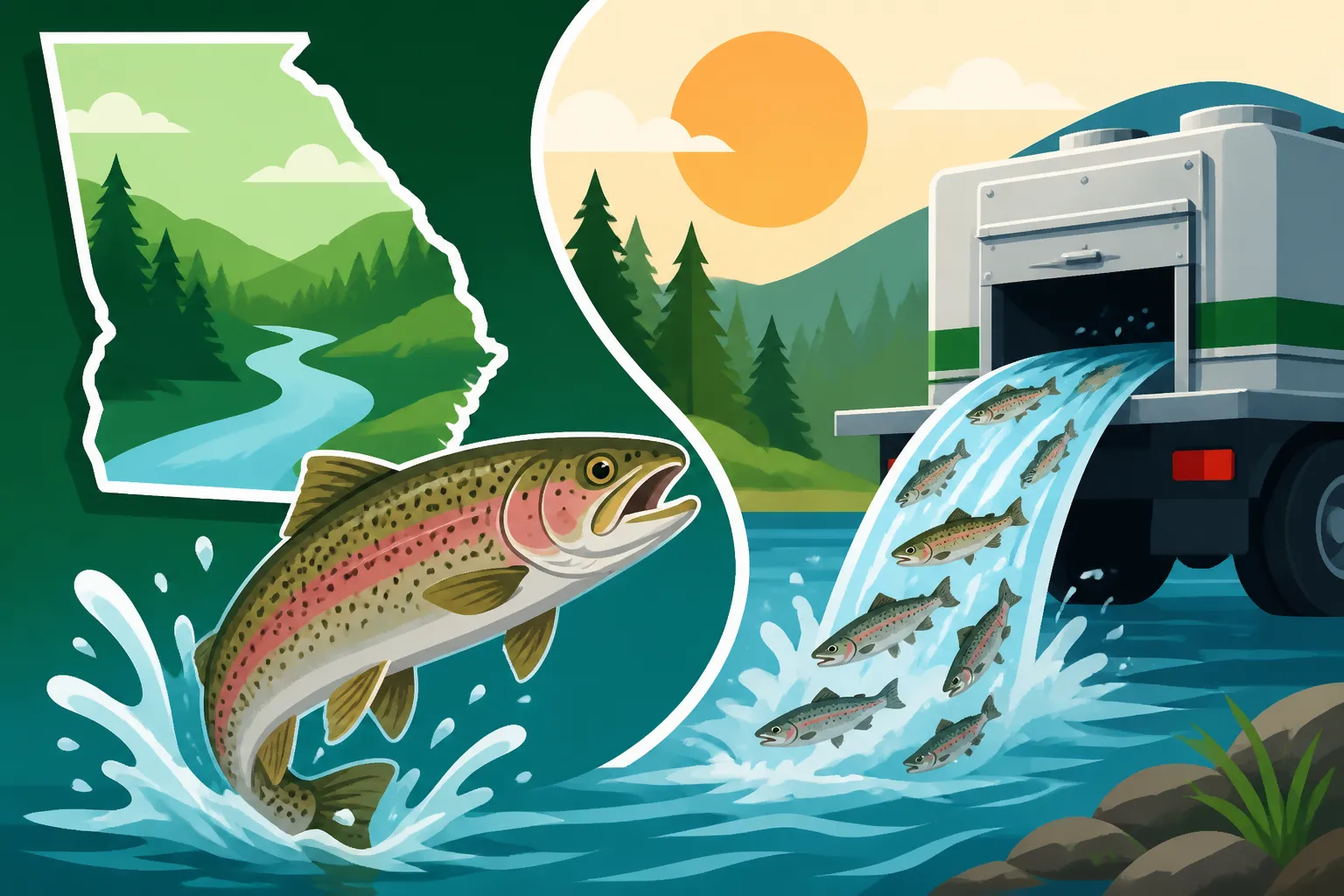
You'll find that some streams, particularly the more popular and easily accessible ones, receive more frequent and larger stockings. These are often the streams close to major population centers or those within state parks that cater to family outings. The goal during this primary season is to provide a consistent supply of catchable trout to meet the high demand. It’s a busy time for the hatchery trucks, and you’ll often see updates about the Georgia trout stocking schedule online.
When Stocking Typically Winds Down
Now for the million-dollar question: when does all this wonderful stocking come to a halt? The short answer is: it depends, but generally, by the heat of summer, most regular stocking stops.
The Impact of Rising Water Temperatures
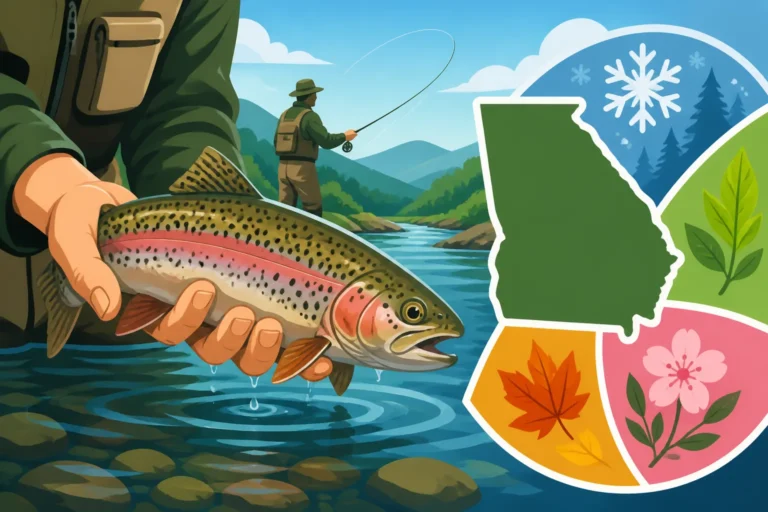
This is the absolute biggest factor determining when trout stocking ends for the season. Trout are cold-water fish, through and through. They thrive in water temperatures generally below 68°F (20°C). As Georgia moves into late spring and particularly into the sweltering summer months of July and August, water temperatures in many of our lower elevation streams, even in North Georgia, begin to climb significantly.
When water temperatures consistently exceed that critical threshold, trout become stressed, making them more susceptible to disease and less likely to survive, even if freshly stocked. Stocking fish into water that's too warm would be irresponsible and a waste of valuable resources. Think of it like trying to keep a polar bear happy in a desert – it just won't work. So, as a responsible management practice, the GADNR ceases stocking those warmer waters. You'll typically see a gradual reduction in stocking efforts beginning in late May or early June, with most programs wrapping up by the end of June or early July, especially in the central and southern parts of the state where streams warm up faster.
Transitioning to Fall and Winter Opportunities
While the regular, widespread stocking for "put-and-take" fishing generally winds down as summer heats up, it's not the absolute end of all stocking activity in Georgia. The GADNR does have specific programs that extend into the cooler months, offering different types of fishing experiences.
- Fall Stocking: Some streams, particularly those in higher elevations that remain cooler longer or specific "trophy trout" waters, might receive limited fall stockings. These stockings aim to provide opportunities as temperatures begin to drop again, extending the season for anglers willing to brave cooler weather. These are usually announced with specific dates and locations.
- Delayed Harvest Streams: This is a crucial distinction. Georgia has several dedicated Delayed Harvest Trout Streams in Georgia. These streams are stocked heavily in the fall (usually November) and then managed under strict catch-and-release regulations until May. This means you can enjoy fantastic trout fishing through the cooler fall, winter, and spring months, even when regular stocking has stopped elsewhere. The fish grow larger, become more challenging, and provide an excellent angling experience during these cooler seasons. The Georgia's Delayed Harvest Catch-and-Release Season Explained is a perfect example of these unique, cooler-weather opportunities.
So, while the broad-stroke answer is "summer," it's more nuanced when you consider these specialized programs.
Key Months for the End of the Regular Stocking Season
To give you a clearer picture, here's a general breakdown of when you can expect the regular trout stocking season to wind down in Georgia:
- May: Stocking efforts are usually still going strong, especially in North Georgia, but you might start to see a slight reduction in frequency towards the end of the month as temperatures begin their upward climb.
- June: This is often the transitional month. Early June might still see some stocking, but by mid-to-late June, many of the lower elevation and warmer streams will cease receiving trout. Stocking will become more concentrated in the higher, colder reaches of the mountains.
- July & August: For most general regulation streams, regular trout stocking has effectively ended. These months are typically too warm for trout survival in the majority of Georgia's waterways. Any trout fishing during this period usually involves targeting wild trout in the coldest, highest-elevation streams or exploring private waters with temperature control.
- September & October: You might start to see a few special fall stockings in selected cooler waters as temperatures begin to drop, but this is not widespread. The major stocking push for the delayed harvest season will begin in November.
Essentially, if you're planning a trip for stocked trout in Georgia, aim for March through June for the most consistent action. After that, you need to be much more strategic and informed.
How to Stay Informed About Stocking Schedules
Showing up to an empty stream is never fun. Luckily, the GADNR provides excellent resources to keep you updated. Being proactive is your best bet for a successful trout outing.
The Georgia DNR's Official Resources
The absolute best source for up-to-date information on trout stocking is the Georgia Department of Natural Resources' Wildlife Resources Division website. They maintain a Georgia Trout Stocking Schedule that is updated regularly. This is your go-to resource.
Here's how it typically works and what you can expect:
- Weekly Updates: During the stocking season, the GADNR's trout stocking report is usually updated weekly, detailing which streams have been stocked, when, and with what species. They'll often list the specific access points or sections of rivers that received fish.
- Specific Information: You'll find details like the number of trout stocked, the species (rainbow, brown, brook), and the exact date of the stocking. This allows you to plan your trip to a freshly stocked stream.
- End-of-Season Notifications: The report will also indicate when stocking has concluded for a particular stream due to rising water temperatures or other factors. This is how you'll know definitively when does trout stocking end for the season in a specific area.
Make it a habit to check this resource before you head out. It's incredibly valuable and prevents wasted trips.
Local Bait Shops and Fishing Forums
While the official GADNR website is paramount, don't underestimate the power of local knowledge. Your nearest bait and tackle shops are often connected directly to the pulse of the local fishing scene. The folks who run these shops usually know exactly when the stocking trucks have been through, how the fish are biting, and what the water conditions are like. They live and breathe local fishing!
Furthermore, online fishing forums and local social media groups dedicated to Georgia fishing can be goldmines of real-time information. Anglers love to share their experiences, and you'll often find discussions about recent stockings, water levels, and successful baits. Just remember to be respectful and contribute to the community if you can.
Monitoring Water Conditions and Weather
Experienced trout anglers know that trout activity and stocking efforts are highly dependent on environmental factors. You can become a more informed angler by paying attention to a few key things:
- Water Temperature: Keep an eye on local stream temperatures if you have access to a thermometer. Apps and online resources often provide real-time stream data. If temperatures are consistently in the mid-70s Fahrenheit or higher, it's a strong indicator that stocking has either ceased or is very limited in that area.
- Weather Forecasts: Extended periods of hot, sunny weather will inevitably lead to warmer water, thus shortening the stocking season. Conversely, a prolonged cool spell in late spring or early summer might extend stocking for a bit longer. Heavy rains can also temporarily halt stocking due to high, muddy water conditions, even if temperatures are favorable.
- Stream Flow Data: Websites like the USGS provide real-time stream flow and gauge height data for many rivers. High flows can make fishing difficult and affect stocking logistics, while extremely low flows can exacerbate warm water issues.
Understanding How Water Temperature Affects Fish Behavior is a critical skill that will serve you well, regardless of whether a stream is stocked or not. If you're looking for gear to help you monitor these conditions, or just general fishing accessories, places like Amazon offer a wide range of options, from waterproof thermometers to advanced fish finders for those who venture out on bigger waters.
Alternative Trout Fishing Opportunities Post-Stocking
Just because the stocking trucks have idled for the season in many spots doesn't mean your trout fishing adventures have to end. Georgia offers a variety of ways to pursue trout even when the primary put-and-take season is over.
Targeting Wild Trout in High-Elevation Streams
When the lower elevation streams become too warm, the true gems of North Georgia come alive for the intrepid angler: the wild trout streams. These are often smaller, headwater streams nestled deep in the mountains, fed by cold springs and shaded by dense canopy. They harbor native brook trout, as well as wild rainbow and brown trout that have established self-sustaining populations.
Fishing these streams is a different experience altogether. It often involves hiking, navigating rough terrain, and using lighter tackle or fly fishing gear. The fish tend to be smaller but are incredibly feisty and strikingly beautiful. These waters maintain cooler temperatures year-round, making them ideal for summer trout fishing. You'll want to learn about specific spots in the Best Trout Streams in Georgia and prepare for a more wilderness-focused trip. It's not about catching a limit, but about the challenge and the pristine natural setting.
Exploring Delayed Harvest Streams
As mentioned earlier, delayed harvest streams offer an exceptional cooler-weather trout fishery. These specific sections of rivers are stocked heavily by the GADNR between November 1 and May 14 each year. During this period, all trout caught must be immediately released. This allows the fish to grow larger, become more accustomed to their environment, and provide a fantastic catch-and-release experience for fly and spin anglers alike.
Then, from May 15 until October 31, these same streams revert to general trout regulations, meaning you can keep a limit of trout. However, since the stocking primarily happens in the fall, by the time general regulations kick in for summer, many of the stocked fish have been caught or dispersed. So, while technically open, the prime time for these streams is during the catch-and-release "delayed harvest" season, which picks up right when regular stocking is winding down elsewhere. This is a great way to extend your trout fishing well into fall and winter. If you're considering Fly Fishing Gear for Georgia's Trout Streams, these streams are often a prime target.
Here's a quick summary of typical stocking timelines:
| Stream Type | Primary Stocking Period | When Stocking Typically Ends | Reopening/Special Seasons |
|---|---|---|---|
| General Put-and-Take | March – Early June | Late June – Early July | N/A (Fish out naturally) |
| Higher Elevation/Cool | March – Mid-June | Mid-July – August (limited) | Possible fall stockings |
| Delayed Harvest | Nov 1 – May 14 (heavy stock) | May 14 (catch & release ends) | May 15 – Oct 31 (general regulations) |
| Wild Trout | Never stocked | N/A (Self-sustaining) | Year-round (weather/access dependent) |
Focusing on Other Fish Species
Sometimes, the best solution when trout stocking ends for the season is to simply shift your focus to other fantastic fishing opportunities Georgia has to offer! When water temperatures are too warm for trout, they're often perfect for species like largemouth bass, crappie, catfish, and bream.
- Bass Fishing: Georgia's lakes and rivers are legendary for bass fishing. From the big impoundments like Lake Lanier to smaller ponds, bass are active and aggressive in warmer water. This is a great time to learn about Seasonal Bass Fishing Patterns in Georgia and explore new techniques.
- Panfish: Bluegill and other bream species are abundant and provide excellent light-tackle fun, especially for kids. They're found in almost every body of water and are usually eager to bite.
- Catfish: Summer nights are prime time for catfishing! Channel, blue, and flathead catfish are active in warm water and can provide exciting battles, especially on the larger rivers and reservoirs.
Expanding your fishing repertoire means you'll never have an "off-season." You might find yourself discovering a new favorite species to pursue. Whether you're upgrading your bass fishing tackle or looking for a good book on advanced fly-fishing techniques for wild trout, remember that online retailers like Amazon can be a great resource for finding specialized gear that might not be available at your local shop.
Disclaimer
Please note that fishing regulations, stocking schedules, and other information provided in this guide are subject to change by the Georgia Department of Natural Resources (GADNR). Always consult the official GADNR website or current fishing regulations handbook for the most up-to-date and accurate information before planning your fishing trip.