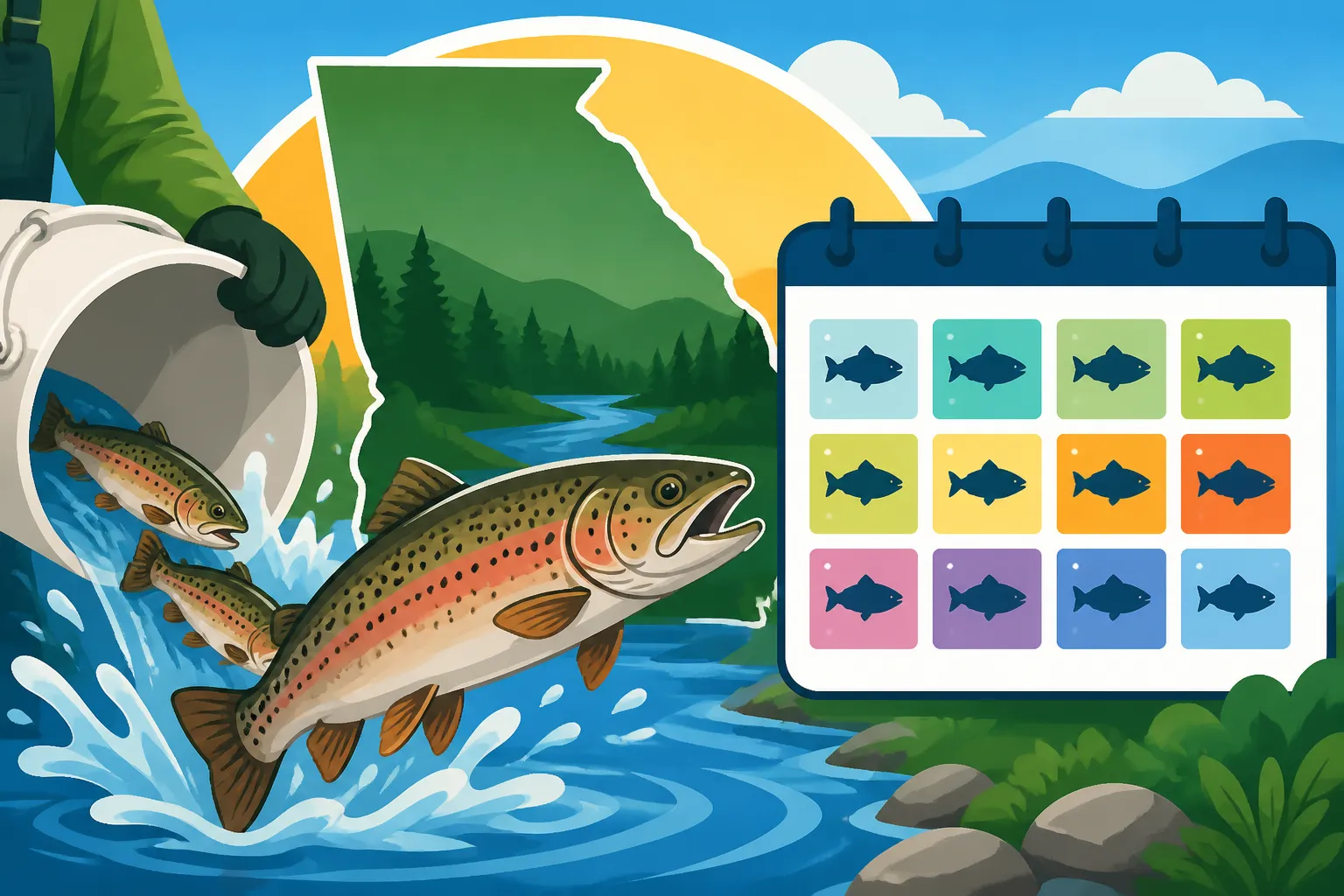
Georgia trout stocking schedule by month
It can be incredibly frustrating to plan a fishing trip, drive all the way to your favorite North Georgia trout stream, only to find out that the Georgia Department of Natural Resources (DNR) hasn't stocked it recently. There's nothing worse than fishing "dead" water when you're hoping for some fresh catches! This comprehensive guide is here to shed some light on the often-mysterious world of Georgia's trout stocking schedule, breaking it down month by month so you can better plan your angling adventures and increase your chances of a successful day on the water.
Understanding Georgia's Trout Stocking Program
For many anglers across the state, especially those who cherish the pristine waters of North Georgia, the availability of trout largely depends on the diligent efforts of the Georgia DNR. The state's trout stocking program is a cornerstone of the recreational fishery, ensuring that even if wild trout populations are sparse in certain areas, there's still a vibrant opportunity for everyone to enjoy catching these beautiful fish.
Why Trout Stocking Matters to Anglers
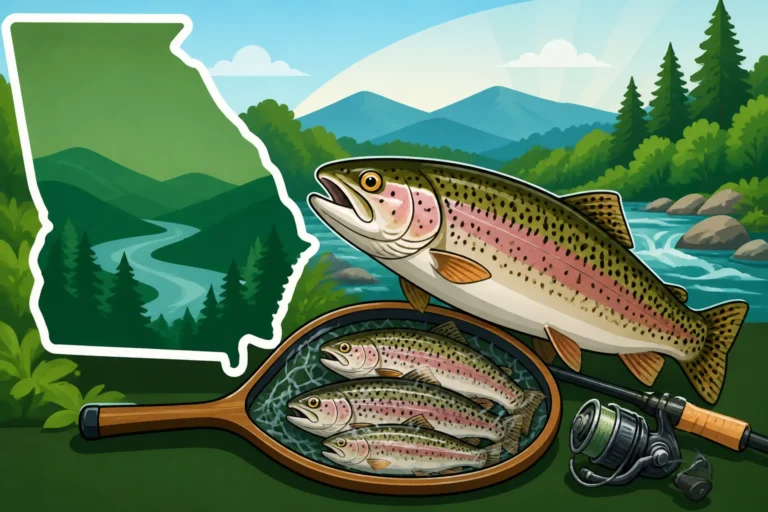
Think about it: not every stream in Georgia can naturally support a thriving, self-sustaining population of trout. Factors like water temperature, habitat degradation, and fishing pressure can all take a toll. That's where stocking comes in. The Georgia DNR literally grows and releases hundreds of thousands of trout each year, primarily rainbow trout, into designated streams and rivers. This creates a "put-and-take" fishery, meaning anglers can catch and keep these fish, providing a fantastic outdoor experience that wouldn't be possible otherwise. For families, beginners, or simply those looking for a more consistent bite, understanding the stocking schedule is like having a secret weapon in your tackle box. It transforms a hopeful outing into a much more promising one, ensuring there are plenty of fish waiting for your lure or fly. Without it, many popular fishing spots would simply dry up, so to speak, of catchable trout.
How the Georgia DNR Manages Stocking
The Georgia DNR’s Wildlife Resources Division (WRD) operates several trout hatcheries, like the Burton Hatchery near Lake Burton and the Summerville Hatchery in Chattooga County. These facilities are the unsung heroes, raising trout from tiny eggs to catchable size. The stocking program isn't just a random act; it's a carefully planned operation that considers water temperatures, stream access, fishing pressure, and special events. They aim to distribute trout widely to maximize recreational opportunities. While the DNR does its best to keep streams well-supplied, especially during peak seasons, the exact timing can sometimes shift due to unforeseen circumstances like severe weather or operational needs at the hatcheries. This dynamic nature is why keeping an eye on their official updates, which we'll cover later, is so crucial.
Georgia Trout Stocking Schedule: A Month-by-Month Breakdown
The stocking rhythm in Georgia's trout waters follows the seasons, with peak activity generally coinciding with favorable water temperatures and angler demand. Understanding these seasonal fluctuations is key to planning your trips.
Spring March – May: The Kick-Off Season
Ah, spring! This is arguably the most exciting time for trout anglers in Georgia. As the weather warms and water levels are usually good, the Georgia DNR kicks its stocking program into high gear.
- March: You'll start to see increased stocking activity as winter's chill fades. Many streams, especially those easily accessible to the public, will receive their first significant infusions of trout. It's a fantastic time for aggressive fish, eager to bite after a slower winter. If you're wondering When trout stocking starts in Georgia each year, March is definitely when things begin to pick up.
- April: This month is often considered the peak of spring stocking. The DNR works tirelessly to ensure a steady supply of trout in popular streams across North Georgia. Expect heavy stocking in well-known locations like the Chattahoochee River below Buford Dam, the Toccoa River, and numerous smaller creeks. The fish are usually very active, making it a great time for both bait and lure anglers. Don't forget, if you're targeting trout, you'll need a Georgia Trout Fishing License Requirements in addition to your basic fishing license.
- May: Stocking remains strong through May, though it might start to taper slightly in some of the lower elevation or less shaded streams as water temperatures begin their slow climb. This is still prime time for trout fishing, and the fish are typically robust and healthy. If you’re planning a trip to the mountains, be sure to check the Georgia's Daily Creel Limit on General Trout Waters to stay within regulations.
Summer June – August: High-Water Demand
Summer in Georgia brings heat, and with it, challenges for trout. Trout thrive in cold, oxygen-rich water, so the stocking strategy shifts considerably during these warmer months.
- June: Stocking continues, but the focus often moves to higher elevation streams or those with consistent cold water inputs. Streams like the upper sections of the Toccoa River or certain mountain tributaries tend to receive more attention. Lower elevation streams might see reduced stocking due to concerns about fish survival in warmer water.
- July: This is typically the slowest month for stocking due to persistently high water temperatures. The DNR prioritizes the health of the fish and will only stock streams where conditions are truly optimal. If you're heading out, consider seeking out very cold, spring-fed creeks or the tailwaters below large dams, which often remain cooler. This is also when knowing How often Georgia's trout streams are stocked in summer becomes critically important, as it won't be as frequent as spring.
- August: Similar to July, August sees limited stocking. Anglers during this time often shift their focus to wild trout in remote, cold headwater streams or to other species that tolerate warmer water better. For stocked trout, you're really looking for those rare, cold pockets of water.
Fall September – November: Revitalizing the Streams
As temperatures begin to drop and leaves change color, fall brings a welcome resurgence to Georgia's trout stocking program.
- September: The cooler nights of early fall bring water temperatures back into the trout's comfort zone, and the DNR starts ramping up stocking again. This revitalizes many of the streams that were too warm in summer. The fish are often quite active and can be found in a variety of water types.
- October: Much like April, October is a fantastic month for trout fishing, often considered the peak of the Fall trout stocking schedule, Georgia. The weather is pleasant, the scenery is beautiful, and the streams are well-stocked. This is a prime time for both new anglers and seasoned veterans. Many streams receive generous stockings, preparing for the upcoming cooler months.
- November: Stocking continues strong through November, especially in the more accessible streams. Anglers can expect good fishing opportunities. This is also when the Georgia's Delayed Harvest Catch-and-Release Season Explained typically kicks off, providing a unique catch-and-release experience on specific streams during the colder months.
Winter December – February: Limited Opportunities
Winter sees a significant reduction in stocking, but it doesn't mean fishing completely stops.
- December: Stocking usually tapers off considerably. While some streams might receive occasional stockings, it’s not as widespread as spring or fall. Fish tend to be less active in colder water, but they can still be caught by patient anglers using slower presentations.
- January: This is generally the leanest month for trout stocking. The focus shifts largely to the Delayed Harvest streams where fish are stocked in the fall and then managed as catch-and-release until the spring opening for harvest. If you want to fish during this time, consider visiting a Delayed Harvest stream or targeting wild trout.
- February: Similar to January, stocking remains minimal. As spring approaches, however, there might be a very slight increase in activity towards the end of the month in anticipation of the spring rush. This is when knowing How many Georgia streams get trout stocked by the end of March is useful for anticipating the upcoming season.
Here’s a quick overview of the general stocking intensity by month:
| Month | General Stocking Intensity | Key Considerations for Anglers |
|---|---|---|
| March | High | Spring kickoff, active fish, warming waters. |
| April | Very High | Peak spring stocking, excellent conditions. |
| May | High | Strong stocking, but watch for rising temperatures in lower streams. |
| June | Moderate | Focus shifts to colder, higher elevation waters. |
| July | Low | Very limited stocking, target cold-water refuges. |
| August | Low | Minimal stocking, seek out wild trout or cold tailwaters. |
| September | Moderate | Cooler waters, stocking starts to ramp up again. |
| October | Very High | Peak fall stocking, fantastic weather and fishing. |
| November | High | Continues strong, Delayed Harvest season begins. |
| December | Low | Tapers off significantly, colder water. |
| January | Very Low | Minimal stocking, rely on Delayed Harvest or wild trout. |
| February | Very Low | Minimal stocking, anticipating spring increase. |
Maximizing Your Chances: Tips for Fishing Stocked Trout
Knowing the stocking schedule is just the first step. To truly make the most of your trout fishing adventures, you need a strategy.
Timing Your Visit
One of the biggest advantages of knowing the stocking schedule is timing. If a stream was stocked on a Monday, hitting it on Tuesday or Wednesday dramatically increases your odds of encountering active fish. The trout are often eager to feed after being transported and released. However, everyone else knows this too, so popular spots can get crowded right after a stocking. If you prefer solitude, consider visiting a few days later, or explore less-known access points.
Another valuable tip is to keep an eye on the weather. A fresh stocking just before a slight cold front can sometimes make the fish less active initially. Conversely, a few days after a stock, once the fish have settled in and adapted to their new environment, can be incredibly productive. For instance, knowing the typical Georgia trout stocking schedule by month can help you anticipate general patterns, but always check the most current information.
Gear and Tactics for Stocked Trout
Stocked trout are often less wary than their wild counterparts, at least initially. This means you can often have success with a wider range of baits and lures.
- Bait: PowerBait, corn, salmon eggs, and live worms are classic choices that consistently produce. These readily available options can be found at most sporting goods stores or even on Amazon. A simple bobber rig or a bottom rig with a small weight can be highly effective.
- Lures: Small inline spinners (like Rooster Tails or Mepps Aglias), spoons (like Phoebe or Kastmaster), and small jerkbaits or grubs can also entice bites. Brighter colors often work well for freshly stocked fish.
- Flies: For fly anglers, standard patterns like Woolly Buggers, San Juan Worms, Squirmy Wormies, and various nymph patterns are excellent choices. Stocked trout aren't always picky, so presentation can sometimes be more important than the exact fly pattern. If you're exploring fly fishing, you might want to look into Fly Fishing Gear for North Georgia Trout to get started.
When you arrive at a freshly stocked stream, remember that the fish might still be somewhat disoriented. They often congregate in slower pools, eddies, or along the banks where they were released. Focus your efforts on these areas first, then gradually move to faster water as the fish disperse.
Respecting the Resource
While stocking provides abundant opportunities, it's essential to practice responsible angling. Always adhere to the Daily Creel Limits for Trout in Georgia and any size restrictions for the specific waterbody you're fishing. Some streams, especially the Delayed Harvest waters, have specific catch-and-release periods. If you're releasing fish, learn How to Catch and Release Trout Properly to ensure their survival. Using barbless hooks and minimizing handling time are great ways to contribute to a healthy fishery for everyone. Always check if you need a specific add-on for trout fishing; for instance, some areas require a Mountain trout license cost on top of a Georgia fishing license.
Finding Specific Stocking Information and Updates
The general month-by-month guide is a great starting point, but for the most up-to-date information, you need to go directly to the source.
Official DNR Resources
The absolute best place to find current and anticipated stocking information is the Georgia DNR's Wildlife Resources Division website. They typically publish a weekly or bi-weekly trout stocking report, especially during peak seasons. This report lists the streams that have been recently stocked and often provides a schedule of upcoming stockings. Make it a habit to check this resource before every trip. Many anglers bookmark the page or even subscribe to email updates if available. The DNR page is also where you can find detailed information on getting your Georgia Fishing License Guide and understanding specific regulations for different waterways.
Local Knowledge and Community Boards
Beyond the official channels, local fly shops, bait and tackle stores, and online fishing forums or social media groups dedicated to Georgia fishing can be invaluable resources. Store owners and guides often have real-time, on-the-ground knowledge of when and where trout have been biting, and sometimes even have intel on when stocking trucks have been spotted. Fellow anglers on online forums are often quick to share their recent experiences, including stocking observations. Just remember to be respectful and contribute to the community if you gather useful information. Places like the Best Trout Streams in Georgia are often talked about in these communities.
Disclaimer
Disclaimer: Fishing regulations, stocking schedules, and license requirements are subject to change. Always consult the official Georgia Department of Natural Resources (DNR) website or their current fishing guide for the most up-to-date and accurate information before planning your fishing trip.