Catch-and-release trout streams open November to May
For many anglers, the arrival of autumn doesn't signal the end of prime fishing; instead, it ushers in one of the most exciting periods for trout fishing in Georgia. It can be confusing to know exactly when and where you can pursue trout, especially with special regulations in place, but this guide will clear up all the mystery surrounding Georgia’s incredible catch-and-release trout streams that are specifically designated to be open from November to May each year.
Understanding Georgia's Delayed Harvest Trout Program
Georgia’s Delayed Harvest (DH) trout program is a true gift for anglers, offering a unique opportunity to fish for abundant, healthy trout during the cooler months. It’s a specific management strategy designed to create exceptional trout fishing experiences by concentrating fish in easily accessible streams and then implementing strict catch-and-release rules for a significant portion of the year. This isn't just a simple catch-and-release area; it's a carefully managed program with a distinct purpose.
The Philosophy Behind Catch-and-Release Seasons
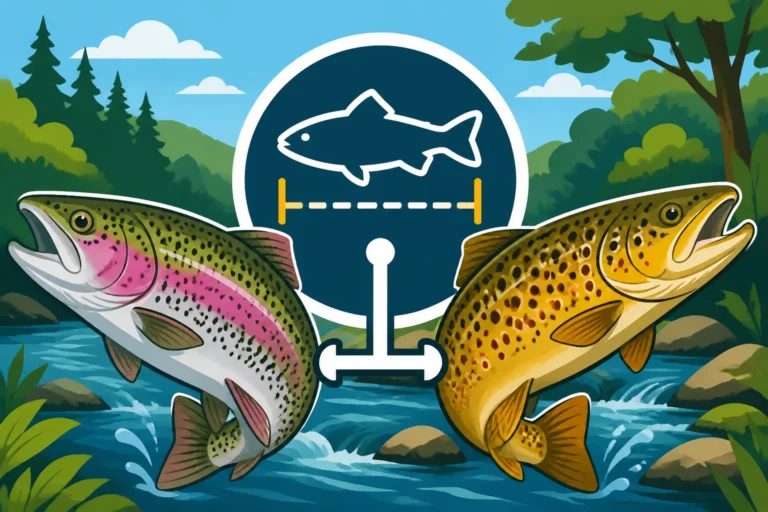
The whole idea behind catch-and-release is pretty straightforward: it’s about conservation and maximizing the angling experience. In the designated Delayed Harvest streams, the Georgia Department of Natural Resources (DNR) stocks a large number of rainbow, brown, and brook trout. If everyone kept every fish they caught right away, these waters would be depleted far too quickly, especially considering the accessibility of many of these streams. By enforcing a strict catch-and-release policy for a defined period, these stocked trout have a chance to settle in, grow a bit, and provide multiple angling opportunities for different people throughout the season. It fosters a culture of responsible fishing, where the thrill is in the catch and the gentle release, rather than the harvest. It also allows for more consistent action, as fish that are caught one day are still there to be caught another.
What "Delayed Harvest" Truly Means for Anglers
So, what does "Delayed Harvest" actually mean for you, the angler? Essentially, it means that for roughly seven months of the year – from November 1st through May 14th – you are required to immediately release all trout you catch back into the stream, unharmed. During this period, you can only use artificial lures with a single barbless hook. No live bait, no treble hooks, no keeping any fish, no matter how tempting. This strict regulation protects the stocked fish, allowing them to remain in the stream and provide sport for countless anglers. Once May 15th rolls around, these streams revert to general trout regulations, which typically allow for a daily creel limit and the use of natural baits, but by then, many of the stocked fish have been caught, disbursed, or succumbed to natural pressures. It's a fantastic system that creates a vibrant, high-density fishery for a dedicated season. You can learn more about the specifics by checking out guides on Delayed Harvest Trout Regulations in Georgia and Georgia Freshwater Fishing Rules.
Navigating the November to May Season
The cool, crisp air of November truly signals the start of prime Delayed Harvest season in Georgia. As temperatures drop and stay consistently low, trout thrive in these conditions, becoming more active and feisty. This extended season provides a unique window for anglers who love the challenge and reward of trout fishing.
Why These Specific Months Matter for Trout
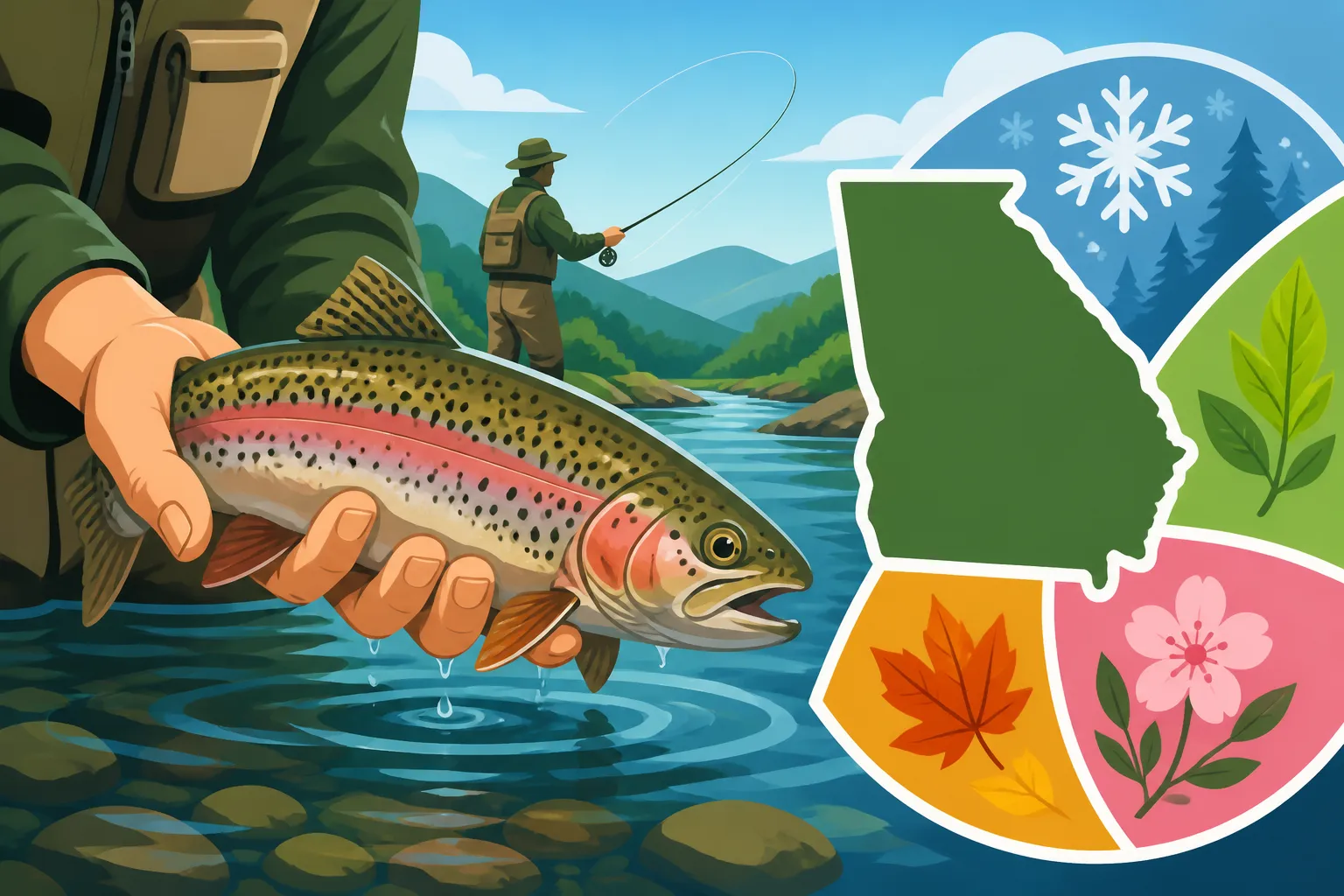
The cooler water temperatures from November through May are absolutely crucial for trout. Trout are cold-water fish, and they struggle in warm water. As Georgia’s streams cool down in the fall, they become much more hospitable for trout, allowing them to be stocked and survive without the stress of high summer temperatures. The cooler water also means higher oxygen levels, which keeps the fish healthy and active. This is why the Georgia Department of Natural Resources (DNR) strategically stocks these streams primarily in the fall and winter, ensuring the fish have the best chance to thrive during the catch-and-release period. Fishing during these months is often more comfortable for anglers too, with fewer bugs and breathtaking autumn foliage or budding spring scenery.
The Transition: From Catch-and-Release to Keep
Understanding the precise transition date is vital. From November 1st through May 14th, it is 100% catch-and-release. Mark your calendar! As soon as May 15th hits, these Delayed Harvest streams revert to the general state trout regulations. This typically means a daily creel limit of eight trout per person, with no size restrictions, and you can then use natural baits in addition to artificial lures. This shift allows anglers to harvest fish that have provided sport throughout the colder months. However, it's worth noting that the fishing pressure usually increases dramatically right after May 15th, and many of the stocked fish are quickly harvested. If your primary goal is the challenge and sport of catching, the November to May catch-and-release period is truly when these streams shine. Be sure you're aware of the Daily Creel Limits for Trout in Georgia once the harvest season begins.
Key Delayed Harvest Streams to Know in Georgia
Georgia boasts several fantastic Delayed Harvest streams, each offering its own unique charm and challenges. Knowing these spots is key to planning your winter and spring trout adventures. These are the main players you'll want to target:
- Toccoa River (Fannin County): This is arguably Georgia's most famous Delayed Harvest stream. The DH section runs from a point 0.4 miles above the mouth of Stanley Creek downstream to the Georgia/Tennessee state line. It's a beautiful, relatively wide river, offering both wade and float fishing opportunities. The scenery is incredible, especially in the fall.
- Amicalola Creek (Dawson County): The DH section here is from GA Hwy 53 downstream to the Dawson Forest Road bridge. Amicalola is a popular choice due to its accessibility and consistent stocking. It can get crowded, especially on weekends, but offers fantastic action.
- Chattahoochee River (Habersham/White Counties): This section is from GA Hwy 115 downstream to GA Hwy 17. The upper Chattahoochee provides a classic North Georgia trout fishing experience.
- Smith Creek (White County): Located entirely within the Unicoi State Park near Helen, the DH section runs from Unicoi Lake downstream to the Unicoi State Park boundary. This is a smaller, more intimate stream, and you'll typically need to pay a small park entrance fee.
- Chastain Mill Creek (Fannin County): A lesser-known but equally productive DH stream.
- Noontootla Creek (Fannin County): While technically a trophy trout stream and not a classic DH, it often functions similarly due to its strict catch-and-release and artificial-only regulations. However, it has specific Noontootla Creek Trout Minimum Length rules, so always double-check the latest regulations.
These streams are regularly stocked by the DNR, providing a consistent supply of fish. You can often find information on the Georgia Trout Stocking Schedule Explained to time your trips.
Essential Rules and Responsible Angling in DH Waters
Fishing Delayed Harvest streams isn't just about catching fish; it's about doing so responsibly and adhering to specific rules designed to protect the resource. Ignoring these regulations can lead to fines and harm the fishery for everyone. It’s crucial to understand that these rules are in place for a reason: to ensure that this unique fishing opportunity continues to thrive.
Mandated Gear: Single Hooks and Artificial Lures
During the November 1st to May 14th Delayed Harvest season, the rules are very clear: you must use artificial lures with a single barbless hook. This isn't a suggestion; it's a regulation.
- Artificial Lures Only: This means no worms, corn, salmon eggs, crickets, or any other natural bait. Your tackle box should be filled with spinners, spoons, flies, soft plastic baits (like small swimbaits or worms) that imitate natural prey, or hard plastic jerkbaits. The intent is to make the fish bite aggressively at something that isn't food, so they are less likely to swallow the hook deep.
- Single Hooks: No treble hooks allowed. If your favorite spinner comes with a treble hook, you'll need to swap it out for a single hook. This makes it easier and quicker to remove the hook, minimizing stress and injury to the fish.
- Barbless Hooks: This is perhaps the most critical part of the regulation for fish safety. A barbless hook slides out much easier than a barbed one, causing less tissue damage to the fish's mouth. You can buy hooks that are already barbless, or you can easily crimp down the barb on a regular hook with a pair of pliers. This simple act drastically increases a trout's survival rate after being released. Many anglers stock up on barbless hooks from retailers like Amazon before heading to the streams.
Failing to follow these gear requirements can result in significant penalties for fishing without a license in Georgia, as it's considered a violation of the fishing regulations.
Practicing Proper Catch-and-Release Techniques
Since the goal is to release every fish alive and healthy, proper catch-and-release techniques are paramount. This isn't just about dropping the fish back in the water; it's about handling them with the utmost care.
- Minimize Fight Time: Use appropriate tackle that allows you to land the fish quickly. A prolonged fight can exhaust a trout, making its recovery harder.
- Keep Fish in Water: As much as possible, keep the fish in the water while unhooking it. Removing a fish from water, even for a quick photo, deprives it of oxygen and can damage its protective slime coat.
- Wet Your Hands: If you must handle the fish, wet your hands thoroughly beforehand. Dry hands can remove the fish's protective slime, leaving it vulnerable to disease.
- Use Pliers or Hemostats: These tools are invaluable for quickly and safely removing hooks, especially those small, barbless ones. This helps avoid excessive handling of the fish.
- Support the Fish: If you lift the fish for a quick photo, support its body horizontally with two hands – one under the belly and one near the tail. Never hold a trout vertically by the jaw or gill plate, as this can cause severe internal damage.
- Revive if Necessary: If a fish seems sluggish before release, hold it gently in the water, facing upstream, allowing water to flow over its gills until it regains strength and swims away on its own.
The Importance of Respecting the Resource and Other Anglers
Beyond the rules, there's an unspoken code of conduct on the water, especially in popular DH streams.
- Give Space: These streams can get crowded, especially on weekends. Always give other anglers ample space. If someone is already fishing a stretch of water, either ask politely if you can pass, or find another spot.
- Pack It In, Pack It Out: Leave no trace. Take all your trash with you, including discarded fishing line and bait containers.
- Respect Private Property: Many stretches of these rivers flow through private land. Pay attention to signs and avoid trespassing. Access is typically designated at public points, like bridges or state park entrances.
- Quiet Approach: Trout are wary. Move quietly along the banks and in the water to avoid spooking fish.
- Know Your Limits: Even though it's catch-and-release, it's easy to get carried away. Know when to call it a day, especially if you're repeatedly catching the same fish in a small area, or if the fish seem particularly stressed.
Adhering to these principles ensures that Georgia's Delayed Harvest streams remain a fantastic destination for all anglers for years to come. You'll likely need to obtain a Georgia Fishing License Guide before heading out, and possibly a Mountain Trout License Add-On in Georgia depending on the specific location.
Recommended Gear and Tactics for Delayed Harvest Success
Successfully fishing Georgia's Delayed Harvest streams from November to May relies heavily on using the right gear and employing effective tactics. Since you're restricted to artificial lures and single barbless hooks, your approach needs to be refined and subtle.
Fly Fishing Setups for DH Streams
Fly fishing is an incredibly popular and effective method for Delayed Harvest streams, especially given the artificial lure mandate. It allows for a delicate presentation that often tricks even the wariest trout.
- Rod and Reel: A 3-weight to 5-weight fly rod, typically 7.5 to 9 feet long, is ideal. A 9-foot, 5-weight rod is a versatile choice for most Georgia trout streams, offering enough backbone for larger fish but still delicate enough for smaller presentations. Pair it with a matching fly reel with a smooth drag system. You can find excellent starter fly rod and reel combos on Amazon.
- Fly Line: A weight-forward floating line is generally best for presenting most flies, from dries to nymphs.
- Leaders and Tippet: A 7.5 to 9-foot tapered leader (3X to 5X) with an added section of fluorocarbon tippet (4X to 6X) is standard. Fluorocarbon is less visible to fish and sinks faster than monofilament.
- Flies: This is where the fun really begins!
- Nymphs: These are often the most productive flies, imitating aquatic insects. Popular choices include Pheasant Tails, Hare's Ears, Stoneflies, and Squirmy Wormies. Sizes 12-20 are common.
- Streamers: When fish are aggressive or larger, small streamers like Woolly Buggers (black, olive, brown) can be deadly. Sizes 8-12.
- Dries: While not as consistent in colder months, during warmer spells or specific hatches (like Blue-winged Olives in spring), dry flies can provide explosive action. Adams, Parachute Adams, and Elk Hair Caddis are staples.
- Egg Patterns: Especially effective shortly after stocking when trout are keyed into fish eggs.
- Indicators and Split Shot: Strike indicators (like small bobbers) help detect subtle bites when nymphing, and a small amount of split shot can help get your nymphs down to the fish quickly.
- Waders and Boots: Waders are essential for staying warm and dry, especially in the colder months. Felt-soled wading boots offer good grip on slippery stream beds.
If you're new to fly fishing, a great place to start learning the ropes is with a guide like How to Fly Fish for Trout as a Beginner.
Spin Fishing Approaches for These Sensitive Waters
Don't think that fly fishing is the only way to effectively fish DH streams. Spin fishing, with the right setup and technique, can be just as productive. The key is lightweight tackle and precise lure selection.
- Rod and Reel: A lightweight spinning rod (ultralight to light action), 5 to 6.5 feet long, paired with a small spinning reel (size 500 to 1000) spooled with 4-6 lb test monofilament or fluorocarbon line. The lighter line allows for longer casts with small lures and is less visible.
- Lures: Remember, single barbless hooks are mandatory.
- Spinners: Small inline spinners (e.g., Rooster Tails, Panther Martins, Mepps) in sizes #0 to #2 are classic trout getters. Swap out the treble hook for a single barbless hook immediately.
- Spoons: Tiny casting spoons (e.g., Little Cleos, Kastmasters) can also be effective. Again, switch to a single barbless hook.
- Soft Plastics: Small trout worms (like Berkley PowerBait Trout Worms), grubs, or small paddle-tail swimbaits rigged on a tiny jig head (1/32 oz to 1/8 oz) can be incredibly lifelike and enticing. Many of these come with single hooks or can be easily rigged with them.
- Jerkbaits/Minnow Imitations: Tiny hard plastic jerkbaits or minnow imitations, retrieved with short twitches, can trigger aggressive strikes. Ensure they have single barbless hooks.
- Presentation: Cast upstream or up and across, allowing your lure to drift naturally downstream with the current. This mimics a natural food item drifting along. Vary your retrieve speed and add pauses or twitches to entice bites. For more specific tips, check out How to Spin Fish for Trout.
What to Look for When Choosing Lures and Baits
Choosing the right artificial lure often depends on water conditions, time of year, and even what the trout were recently stocked with.
- Water Clarity: In clear water, smaller, more natural-colored lures (silver, gold, black, olive) tend to work best. In stained or cloudy water, brighter colors (chartreuse, orange, firetiger) or lures with more vibration might be needed to grab attention.
- Current Speed: In faster current, heavier spinners or spoons will help your lure get down to the fish. In slower pools, lighter jigs or nymphs can be presented more delicately.
- Recent Stocking: Immediately after a stocking event, trout are often less selective. Brighter, more aggressive lures or egg patterns can be highly effective. As they become more accustomed to the stream, they may become pickier, requiring a more natural presentation.
- Bottom Line: Always carry a variety of options. What works one day or one stream might not work the next. Experiment with different colors, sizes, and types of lures. A small tackle box with a selection of Best Lures for Stocked Trout is a must. You can easily build a diverse collection by exploring options on Amazon.
| Lure Type | Best Use Case | Typical Colors | Notes |
|---|---|---|---|
| Spinners | Versatile for varied conditions, active fish | Silver, gold, black, chartreuse | Excellent for covering water. Replace treble hooks. |
| Spoons | Deeper pools, targeting larger trout | Silver, gold, copper | Fluttering action mimics injured baitfish. |
| Jigs (w/ soft plastics) | Slow presentations, picky fish, clear water | White, olive, brown, pink | Great for imitating nymphs or small baitfish. |
| Nymphs (Fly Fishing) | Most consistent producer, imitating insects | Brown, olive, black, tan | Dead drift is key. |
| Streamers (Fly Fishing) | Aggressive fish, imitating baitfish | Black, olive, white | Strip and pause retrieve. |
Always remember that obtaining a valid fishing license is required before heading out. Make sure you understand the Georgia Fishing License Costs and Types before your trip!
Disclaimer
Fishing conditions and regulations can change. It is always the angler's responsibility to check the latest rules and regulations published by the Georgia Department of Natural Resources (DNR) before heading out. This guide is for informational purposes only and should not replace official sources.