How many streams get stocked with trout each year?
It's easy to feel a bit lost in the sheer volume of information when you're trying to figure out where and when to go trout fishing in Georgia. Many anglers wonder how extensive the state's stocking efforts truly are, anxious to find those prime spots. This guide will take a deep dive into Georgia's impressive trout stocking program, clarifying just how many streams are refreshed each year, and what that means for your next fishing adventure.
The Broad Reach of Georgia's Trout Stocking Efforts
When you dream of casting a line into a pristine North Georgia stream, chances are, the Georgia Department of Natural Resources (GADNR) has already done a lot of the legwork to make that dream a reality. The state runs one of the most robust trout stocking programs in the Southeast, a massive undertaking designed to ensure anglers of all skill levels have ample opportunity to reel in some beautiful trout. This isn't just a few random creeks; it's a strategic, continuous effort to maintain a thriving fishery.
Over 100 Streams Receive Annual Trout Stocking
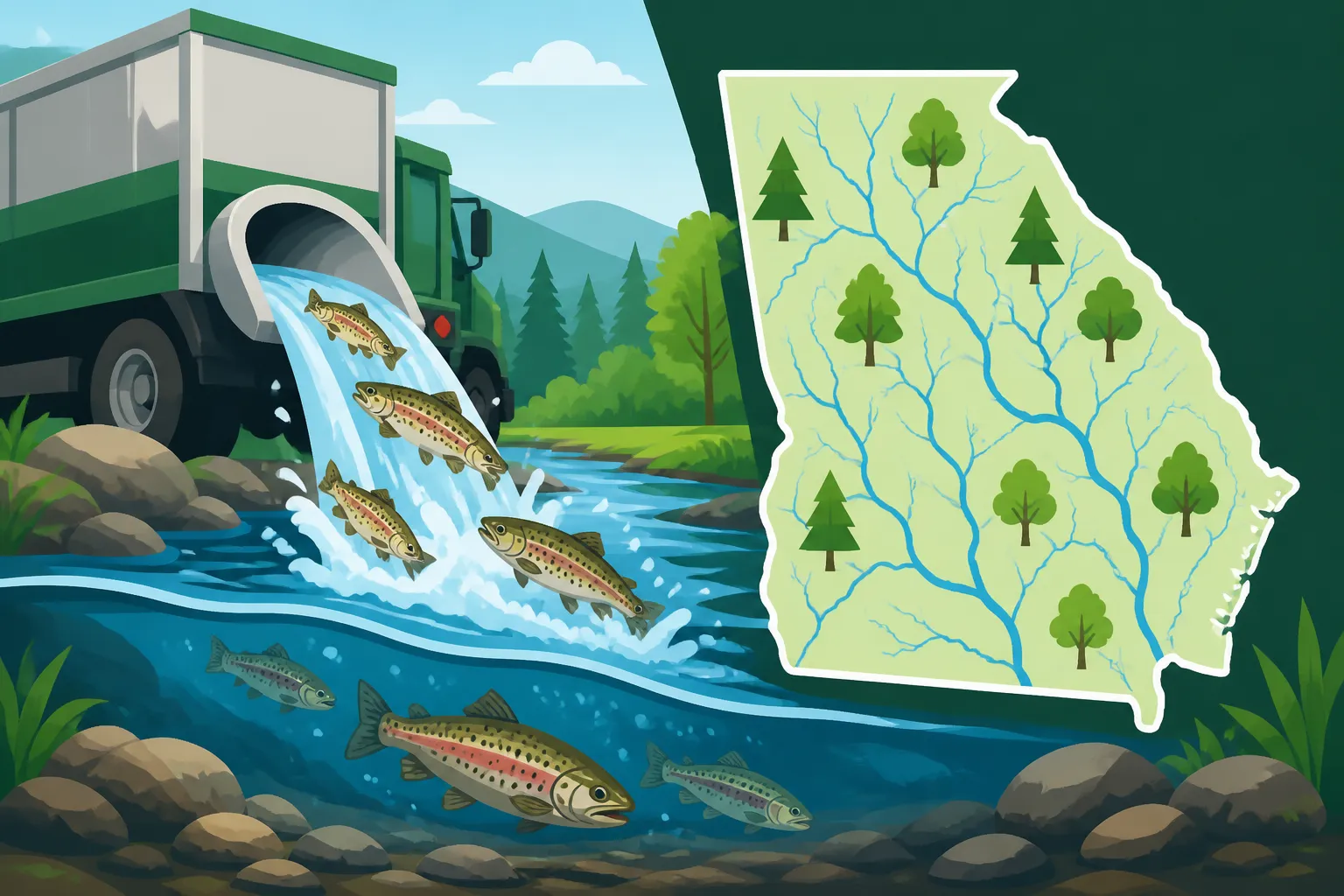
So, how many streams are we talking about? The Georgia Department of Natural Resources actively stocks trout in approximately 100 designated trout streams across the state each year. This number is quite significant and represents an incredible amount of logistical planning and hard work from dedicated biologists and hatchery staff. Imagine the coordination involved in raising millions of trout, then transporting and distributing them into over a hundred different waterways, from the more accessible valley streams to the remote mountain tributaries. It's truly a year-round commitment to enhancing our fishing opportunities.
These streams are primarily located in the cooler, higher elevation regions of North Georgia, where water temperatures and oxygen levels are ideal for trout survival and growth. Without this extensive stocking program, many of these streams simply wouldn't be able to support the consistent fishing pressure they receive, making the GADNR's efforts absolutely essential for maintaining the sport we all love.
Georgia's Dedicated Trout Hatcheries
Behind every successful stocking trip are Georgia's state-of-the-art trout hatcheries. The GADNR's Wildlife Resources Division operates several hatcheries, with the Burton Fish Hatchery near Clayton and the Summerville Fish Hatchery being major contributors to the trout stocking program. These facilities are responsible for rearing millions of rainbow, brown, and brook trout annually. From the tiny fry stage to catchable-size adults, these fish are carefully nurtured, fed, and monitored to ensure they are healthy and robust before being released into Georgia's waters. It's a precise science, ensuring genetic diversity and disease prevention, all to provide you with a fantastic day on the water.
This commitment to aquaculture allows the state to supplement natural populations, especially in areas with high angler traffic or those recovering from environmental impacts. If you've ever reeled in a feisty rainbow trout from a North Georgia stream, there's a good chance it started its life in one of these impressive state hatcheries.
Understanding the Types of Stocked Trout Waters
Not all stocked streams are created equal, and understanding the different classifications can significantly improve your fishing success. Georgia’s diverse trout waters range from easily accessible streams perfect for a family outing to more challenging "delayed harvest" areas designed for catch-and-release enthusiasts. Each type offers a unique experience and comes with its own set of rules and stocking rhythms.
General Regulation Trout Streams
The majority of the 100+ stocked streams fall under "general regulation" waters. These are your bread-and-butter fishing spots, typically stocked from March through early fall, or as long as water temperatures remain favorable for trout survival. These streams are often chosen for their accessibility, making them popular destinations for anglers looking to bring home a meal. When you're planning a trip to one of these spots, it's wise to consult the Georgia Trout Stocking Schedule to see when your favorite stream last received a delivery of fresh fish.
The beauty of these general regulation streams is their variety. Some are wider, slower-moving rivers like sections of the Toccoa River, while others are smaller, faster-flowing creeks carving through the mountains. You'll find spots ideal for fly fishing, spin fishing, or even just a simple bobber and worm setup, making them incredibly versatile. Just remember that daily creel limits and size restrictions still apply here, so it's important to be familiar with the Georgia Fish Size and Creel Limits before you head out.
Delayed Harvest Trout Streams
For those who prioritize the thrill of the catch over the dinner plate, Georgia offers several "Delayed Harvest" (DH) trout streams. These special waters operate under catch-and-release only regulations from November 1st through May 14th each year. During this period, artificial lures with a single barbless hook are the only things allowed, and every fish caught must be immediately released unharmed. This creates an incredibly high-density trout fishery where anglers can often experience multiple hook-ups in a single outing.
The GADNR heavily stocks these DH streams in the fall and throughout the winter and spring, ensuring a robust population for this unique fishing experience. Popular examples include Amicalola Creek, the Toccoa River (below Blue Ridge Dam), Smith Creek, and the Chattooga River. If you’re looking for a challenging but rewarding fishing experience, where you can hone your skills and practice proper How to Catch and Release Trout Properly, these streams are an absolute must-visit. You can learn more about these unique opportunities in our guide to Delayed Harvest Trout Streams in Georgia.
| Stream Type | Regulation Period (Typical) | Catch-and-Keep Allowed | Common Tackle | Stocking Frequency | Focus |
|---|---|---|---|---|---|
| General Regulation | March – Fall (water temp dependent) | Yes | Live bait, lures, flies | Weekly/Bi-weekly (in season) | Harvest, general recreation |
| Delayed Harvest | Nov 1 – May 14 | No (Catch & Release) | Artificial Lures (single barbless hook) | Heavy, Fall through Spring | Sport, skill development |
| Delayed Harvest | May 15 – Oct 31 | Yes | General tackle | Seasonal | Harvest, general recreation |
| Wild Trout Waters | Year-round | Limited/Specific rules | Vary | None (natural reproduction) | Conservation, natural habitat |
Note: Always check current GADNR regulations for specific stream rules, as they can change.
The Strategic Importance of Trout Stocking
Beyond simply putting fish into water, Georgia's trout stocking program is a carefully managed initiative with several crucial goals. It’s about creating opportunities, managing natural resources, and fostering a love for the outdoors. It's a complex dance between biology, environmental stewardship, and meeting the demands of a growing angling community.
Enhancing Angler Opportunity and Accessibility
One of the primary drivers behind stocking so many streams is to maximize angler opportunity. Not every stream in North Georgia can naturally support a wild trout population large enough to withstand consistent fishing pressure, especially near urban centers or highly visited recreation areas. By stocking these streams, the GADNR ensures that even beginners or those with limited access to remote wilderness areas can enjoy the thrill of trout fishing. This means more families can create memories by the water, more kids can learn to fish, and more people can connect with nature. You'd be surprised how many great spots are within easy reach! When you're gathering your gear for one of these accessible trips, remember to check out options on platforms like Amazon for things like fishing vests, nets, or even a new tackle box to keep everything organized.
For example, sections of the Chattahoochee River through Atlanta are regularly stocked, providing an incredible urban trout fishery that wouldn't exist otherwise. This accessibility is key to introducing new generations to the sport and keeping Georgia's angling traditions alive.
Managing Environmental Factors and Population Dynamics
Stocking also plays a vital role in managing the overall health and balance of Georgia's aquatic ecosystems. Some streams, while having suitable water quality, may lack the optimal spawning habitat or suffer from periodic environmental stressors that make it difficult for wild trout populations to thrive. Stocking helps to compensate for these challenges, providing a buffer against declines and ensuring that these waters remain viable trout fisheries.
The GADNR carefully monitors water temperatures, flow rates, and habitat conditions to determine which streams are best suited for stocking and when. This scientific approach ensures that the stocked trout have the best chance of survival until they are caught, minimizing waste and maximizing the impact of the program. They also use stocking to introduce specific species, like the popular rainbow trout, which often thrive in these environments, alongside native species like brook trout in other, more pristine waters. If you're wondering which types of trout you might encounter, our guide to Georgia Trout Fishing: Rainbow, Brown, and Brook Trout Explained offers a great overview.
The Economic Impact of Trout Fishing
Let’s not forget the significant economic impact generated by such an extensive stocking program. A healthy, accessible trout fishery draws anglers from across Georgia and neighboring states, supporting local businesses from bait shops and outfitters to restaurants, hotels, and gas stations in communities like Helen, Clayton, and Blue Ridge. Each fishing license purchased, each meal bought, and each night stayed contributes to the local economy. Even online purchases for fishing gear, perhaps through retailers like Amazon, contribute to the broader ecosystem of outdoor recreation spending. This makes the trout stocking program not just an environmental initiative, but also a vital economic driver for many North Georgia communities.
Consider the ripple effect: an angler buys a Mountain Trout License Add-On in Georgia, fills their tank, grabs some lunch, and perhaps picks up some new flies or lures. All these transactions add up, reinforcing the value of maintaining a robust and accessible trout fishery for everyone to enjoy.
Finding Your Next Stocked Trout Stream Adventure
With over 100 streams receiving trout each year, the real challenge isn't if you can find a stocked stream, but which one to choose for your next adventure. The key is knowing where to look for the most current information and understanding how to interpret it.
Accessing the Georgia Trout Stocking Schedule
The absolute best resource for planning a trip to a stocked stream is the official Georgia Department of Natural Resources (GADNR) Wildlife Resources Division website. They publish a detailed, updated trout stocking schedule that lists specific streams, dates, and sometimes even the species stocked. This schedule is typically updated weekly during the primary stocking season, usually from March through October. This transparency is a huge benefit to anglers, allowing you to time your trips for optimal success.
You'll often find links or sections dedicated to the Georgia Trout Stocking Schedule From March to October right on their main fishing page. Keep an eye on the schedule, as stocking can be weather-dependent; heavy rains or unusually warm water temperatures can sometimes cause delays or changes. Planning a fishing trip often involves checking the forecast, water levels, and the stocking schedule all at once, so staying informed is crucial.
Beyond the Official Schedule
While the official GADNR schedule is paramount, local bait and tackle shops can also be invaluable resources. These shop owners and employees are often on the water themselves or talk to anglers daily, giving them real-time insights into which spots are fishing well. They can also offer advice on local conditions, the best baits and lures to use, and even hidden gems that might not be as heavily publicized. It’s always a good idea to support these local businesses, and in return, you'll gain a wealth of knowledge that can make or break your fishing day.
Online fishing forums and social media groups dedicated to Georgia fishing can also be a source of community-shared information about recent catches and general conditions, though always cross-reference with official sources for regulations. When you're researching, don't forget that you can find maps, local guides, and even specific fishing tackle that other anglers recommend by searching on platforms like Amazon. It's a great way to augment your planning and ensure you have all the necessary tools for a successful day.
Essential Licensing for Trout Anglers
Before you head out to any of these fantastic stocked streams, make sure your licensing is in order. In Georgia, anyone aged 16 or older needs a valid Georgia fishing license. If you plan on fishing in designated trout waters, particularly in the mountain region, you'll also need a separate Mountain Trout License Add-On in Georgia in addition to your basic fishing license. This add-on supports the trout stocking program directly, helping fund the hatcheries and the extensive efforts we've discussed.
It's a small investment that goes a long way in ensuring these incredible fishing opportunities continue for years to come. Remember, ignorance of the law is no excuse, and getting caught without the proper licenses can lead to fines and a ruined day on the water. You can easily purchase or renew your licenses online through the GADNR website, by phone, or at authorized license vendors throughout the state.
Disclaimer
Fishing regulations and stocking schedules in Georgia can change. Always consult the latest official Georgia Department of Natural Resources (GADNR) Wildlife Resources Division guidelines and publications before planning your fishing trip to ensure you have the most up-to-date information on licenses, creel limits, size restrictions, and specific stream regulations. This content is for informational purposes only and does not constitute legal advice.