Georgia’s only bass slot limit lake
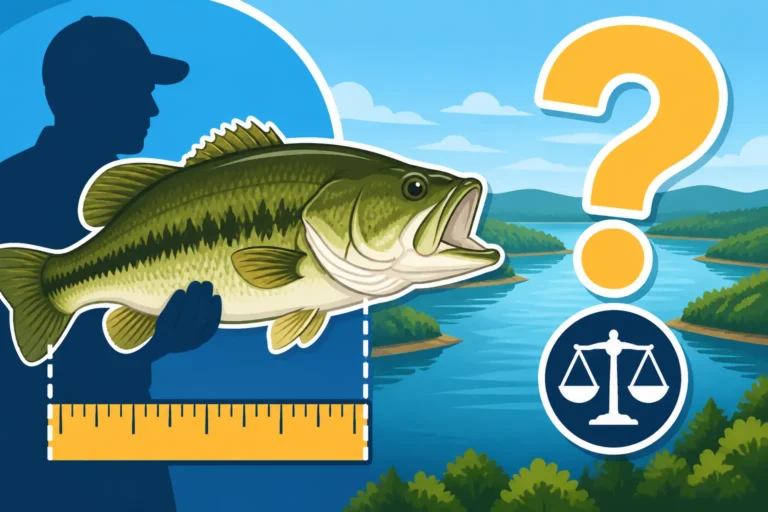
It’s incredibly frustrating when you head out for a relaxing day of fishing, only to discover that the rules for a particular lake are completely different from what you’re used to. Most of Georgia's waters have pretty standard minimum size limits and daily creel limits, but there's one unique spot that throws a bit of a curveball with its "slot limit" for bass. This comprehensive guide will unravel the mystery of Georgia's only bass slot limit lake, Lake Lindsay Grace, so you can confidently navigate its regulations and enjoy a successful trip.
Decoding Bass Slot Limits: What Are They Anyway?
Before we dive into the specifics of Lake Lindsay Grace, let's first get a handle on what a "slot limit" actually is. It’s a term that can sound a bit intimidating if you’re only familiar with basic size restrictions, but it’s really just another tool fisheries biologists use to manage fish populations. Unlike a simple minimum or maximum size limit, a slot limit designates a specific size range where fish must be immediately released, while fish outside that range can be kept, provided they adhere to the daily creel limit.
Understanding the Core Concept of a Slot Limit
Imagine a "slot" or window of fish sizes. For a slot limit, any fish that falls within that window cannot be harvested. Think of it like a protected middle class of fish. For example, if a lake has a 14-to-18-inch slot limit for largemouth bass, it means any bass caught measuring between 14 and 18 inches (inclusive) must be carefully released. However, you might be allowed to keep bass under 14 inches or over 18 inches, up to your daily creel limit. This often confuses anglers because it goes against the typical "bigger is better" mentality or the simple "must be at least this big to keep" rule. It's a nuanced approach designed for specific management goals.
This differs significantly from a statewide regulation like the general Georgia Fish Size and Creel Limits, where a fish usually just needs to be above a certain minimum length to be legal. With a slot limit, you're not just looking for a minimum; you're looking for fish outside a specific, protected length window.
How Slot Limits Differ from Minimum or Maximum Size Limits
Let's break down the different types of size limits to really highlight what makes slot limits unique.
- Minimum Size Limits: This is the most common regulation. It means any fish shorter than a specified length must be released. The goal is typically to allow fish to reach sexual maturity and reproduce at least once before being harvested, ensuring future generations. Many lakes in Georgia have a 12-inch or 14-inch minimum for bass, for instance.
- Maximum Size Limits: Less common but sometimes used, a maximum size limit means fish longer than a certain size must be released. This is often implemented to protect large, trophy-sized breeding fish, allowing them to continue contributing to the gene pool. You see this occasionally with specific species or in certain trophy waters.
- Slot Limits: As discussed, this is a combination of sorts. It creates a protected "slot" of fish that cannot be kept. The fish below the slot are often kept to thin the population of smaller, faster-growing individuals, reducing competition for food. The fish above the slot are often kept for trophy harvest, acknowledging that those large fish have already contributed significantly to reproduction. This balanced approach helps create a healthier fish population with a good mix of sizes, often promoting the growth of larger fish in the long run. It's a proactive management strategy, aiming to improve the overall quality of the fishery, not just protect it.
Lake Lindsay Grace: Georgia's Unique Slot Limit Destination
Now that we understand slot limits, let's focus on the star of the show: Lake Lindsay Grace. This Public Fishing Area (PFA) in Crisp County is the only body of water in Georgia currently operating under a bass slot limit. This means if you're planning a trip there, you absolutely need to know these specific rules to avoid any issues.
The Specific 15 to 22-inch Catch-and-Release Rule
The core of Lake Lindsay Grace's unique regulation is straightforward yet impactful: for largemouth bass, a 15 to 22-inch length limit applies. This means any largemouth bass you catch that measures anywhere from exactly 15 inches up to, but not including, 22 inches must be immediately released. No exceptions, no second thoughts.
Imagine you cast your favorite crankbait, and after a thrilling fight, you land a beautiful 17-inch largemouth. Your first instinct might be to put it on the stringer, especially if you're used to a 14-inch minimum elsewhere. But at Lake Lindsay Grace, that 17-inch fish is a protected member of the "slot." You'll need to gently unhook it, measure it to confirm, and then release it back into the water to continue growing and thriving. This specific rule is designed to protect the prime breeding and growth-phase bass, giving them a chance to become true giants.
What You Can Keep and the Daily Creel Limit
Here's where it gets a little more intricate. While the 15-22 inch fish are off-limits for harvest, you are permitted to keep bass outside that range. Specifically, you can keep largemouth bass that are:
- Under 15 inches: These smaller fish can be kept. This is often done to help manage the overall population density, reducing competition for food among the remaining bass and allowing those within the slot to grow faster.
- 22 inches or greater: These trophy-sized bass can also be kept. The idea is that these larger fish have already reproduced multiple times and have reached an impressive size. Harvesting a limited number of these larger fish provides a reward for anglers and helps manage the top end of the population.
However, there's a crucial overarching rule: The daily creel limit for largemouth bass at Lake Lindsay Grace is 5 fish. And here's the kicker: of those 5 fish, only 1 may be over 22 inches.
Let’s walk through some scenarios to make this crystal clear:
- Scenario 1: You catch two 13-inch bass, one 16-inch bass, one 20-inch bass, and one 23-inch bass. You must release the 16-inch and 20-inch bass (they are in the slot). You can keep the two 13-inch bass and the one 23-inch bass. This puts you at three fish kept, with one over 22 inches, which is perfectly legal.
- Scenario 2: You catch five 12-inch bass and one 24-inch bass. You can keep all five 12-inch bass (they're under 15 inches and you're within your total creel limit). You can also keep the 24-inch bass, bringing your total to six fish. But wait! The daily creel limit is 5 fish, and only 1 can be over 22 inches. So, you would have to choose which five to keep. You could keep four 12-inch bass and the one 24-inch bass, releasing one of the smaller ones. Or keep all five 12-inch bass and release the 24-inch one. You cannot keep five 12-inch bass and the 24-inch bass simultaneously.
It's a lot to keep straight, which is why having a reliable measuring device is key. A foldable measuring board, easily found on Amazon, can be a real lifesaver for quickly verifying lengths on the boat or bank. You'll want to be familiar with these specific rules before you head out, and a quick review of the Georgia Fishing Regulations Explained can help cover all your bases for other species or general rules.
Location and Context of Lake Lindsay Grace as a PFA
Lake Lindsay Grace is part of the Georgia Department of Natural Resources (DNR) Public Fishing Areas (PFAs) program. These PFAs are specifically managed to provide high-quality fishing opportunities and often serve as testing grounds for various fisheries management strategies. Lake Lindsay Grace is located in Crisp County, near the city of Cordele, in south-central Georgia. It's a relatively small, beautiful lake known for its excellent bass fishing potential, and the slot limit is a direct effort to enhance that potential.
Being a PFA, Lake Lindsay Grace offers amenities like boat ramps (often restricted to electric motors or smaller outboards to maintain tranquility and fish habitat), fishing piers, and sometimes even picnic areas. These areas are truly gems for anglers, especially those seeking consistent action and well-managed fisheries. You can often find more details about fishing in these state-managed areas by looking up Georgia State Park Fishing Spots.
Here’s a quick summary of Lake Lindsay Grace’s bass regulations:
| Bass Size Category | Legal to Keep? | Daily Creel Limit | Special Conditions |
|---|---|---|---|
| Under 15 inches | Yes | Up to 5 fish | |
| 15 to 22 inches | No | Must be released | This is the protected "slot" |
| Over 22 inches | Yes | Up to 1 fish | Only one bass over 22 inches allowed in the daily creel |
| Total Daily Creel Limit | 5 Largemouth Bass | Combination of fish under 15" and one over 22" |
The Method Behind the Madness: Why Slot Limits Work
So, why go through all this trouble? Why not just a simple minimum size limit? The truth is, fisheries management is a complex science, and slot limits are a sophisticated tool used to achieve very specific goals for the health and quality of a fishery. They're not just arbitrary rules; they're carefully considered strategies.
Conservation Benefits for Bass Populations
One of the primary reasons for implementing a slot limit is to improve the overall health and population structure of the bass in a given body of water. In many lakes, smaller bass populations can become overpopulated, leading to intense competition for food. When there are too many small fish, none of them grow to a substantial size. By allowing anglers to keep fish under the slot, biologists can help thin out these smaller, slower-growing individuals. This leaves more food and resources for the remaining bass, allowing them to grow larger and healthier.
Simultaneously, protecting the medium-sized bass (those in the 15-22 inch slot at Lake Lindsay Grace) ensures that a robust number of fish reach their prime spawning age and contribute significantly to reproduction. These are often the most reproductively active fish, and protecting them is crucial for maintaining a strong and diverse gene pool. This kind of protection helps prevent recruitment overfishing, ensuring a steady supply of new bass into the system.
Managing for Trophy Fish Potential
Another significant benefit of a slot limit, and certainly a major goal at Lake Lindsay Grace, is to manage the fishery for trophy potential. Every angler dreams of catching a truly massive largemouth bass, and slot limits are an effective way to help those dreams become a reality. By thinning out smaller fish and protecting the prime-growing fish, the slot limit allows a greater percentage of the bass population to survive and grow into large, trophy-caliber fish.
When those protected slot-sized fish grow beyond 22 inches, they become eligible for harvest again (with the one-over-22-inch rule). This provides anglers with the exciting opportunity to catch and keep a true lunker, a reward for the management efforts and the patience of fellow anglers. It creates a fishery where the chances of hooking into a really big bass are significantly increased, making for a more exciting and challenging experience. This focus on growing bigger fish is why you often see stricter bass limits at specific locations, sometimes even more so than the Statewide Largemouth Bass Size Limits in Georgia.
The Role of Public Fishing Areas (PFAs) in Experimentation
Public Fishing Areas like Lake Lindsay Grace are invaluable resources for the Georgia DNR. They serve as outdoor laboratories where fisheries biologists can experiment with different management techniques, including unique regulations like slot limits, to see what works best in specific environments. Because PFAs are relatively controlled environments, biologists can closely monitor the effects of these regulations on fish populations, habitat, and angler success.
The data collected from places like Lake Lindsay Grace helps inform broader management strategies for other lakes and rivers across the state. It allows the DNR to fine-tune its approach to conservation and recreational fishing, continually striving to improve the quality of fishing for all Georgians. If you’re interested in what other innovative management practices are being used, you might find more information on specific bass size limits, like those on Reservoirs with a 14-Inch Bass Minimum in Georgia, interesting.
Angling Smarter: Techniques for Slot Limit Lakes
Fishing a slot limit lake requires a bit more thought than just casting out and hoping for the best. It means being prepared, practicing careful handling, and sometimes adjusting your angling approach to target specific sizes of fish.
Gear Considerations for Accurate Measurement and Careful Release
The golden rule when fishing a slot limit lake is "measure twice, keep once" (or "release once," in this case!). You absolutely need a reliable measuring device. Forget the worn-out measuring tape on your tackle box; invest in a proper, rigid measuring board. These are readily available from sporting goods stores or online retailers like Amazon, and they provide quick, accurate measurements. Look for one that's at least 24-30 inches long, clearly marked, and easy to handle when you've got a feisty bass on the line.
Beyond measuring, ethical catch-and-release practices are paramount, especially for those protected slot-sized fish. You'll want to have:
- Pliers or a dehooking tool: To quickly and safely remove hooks, minimizing damage to the fish.
- Fish grips or a landing net with rubberized mesh: Avoid old nylon nets that can strip off a fish's protective slime coat. Rubberized mesh cradles the fish gently and prevents snags.
- Gloves: If you need to handle the fish directly, wet your hands thoroughly or use appropriate gloves to protect the fish's slime layer.
Remember, the goal is to get those slot-sized fish back into the water quickly and unharmed so they can continue to grow. Many anglers don't realize the critical role they play in the success of these conservation efforts. For more tips on how to handle fish properly, check out resources like How to Catch and Release Trout Properly, as many of the principles apply to bass as well.
Techniques for Targeting Different Size Classes
While you can't always choose the size of fish you catch, certain techniques and lure choices can subtly influence the size of bass you're more likely to encounter. If you're hoping to keep some of the smaller bass (under 15 inches) for a meal, consider using smaller baits and lighter line. For instance:
- Finesse techniques: Smaller soft plastics like Ned Rigs or shaky heads, tiny crankbaits, or even spinnerbaits with small blades can be very effective for enticing smaller, more aggressive bass.
- Focus on shallower water: Often, the smaller, more numerous bass tend to congregate in shallower, cover-rich areas, especially during warmer months.
If your goal is to try and specifically target those trophy-sized fish (over 22 inches) that you're allowed to keep one of, you might switch to larger presentations:
- Big swimbaits: These mimic larger baitfish and often attract bigger, more predatory bass.
- Jigs with large trailers: A bulky jig can be irresistible to a monster bass.
- Large spinnerbaits or deep-diving crankbaits: These can draw strikes from larger fish lurking in deeper water or heavy cover.
You can often find a great selection of these specialized lures and baits on Amazon, allowing you to stock your tackle box for various scenarios. Understanding seasonal patterns and where different sizes of bass prefer to hang out will also greatly increase your success. For general bass fishing advice, consider reviewing Best Lures for Georgia Largemouth Bass.
Ethical Catch and Release Practices
The success of a slot limit hinges on proper catch-and-release. It's not enough to just put the fish back; you need to give it the best chance of survival.
- Minimize fight time: Use appropriate tackle for the size of fish you expect to catch. Don't "horse" the fish in, but don't let it fight to exhaustion either.
- Handle with care:
- Avoid touching the fish's eyes or gills.
- Keep the fish horizontal. Don't hold it vertically by the jaw without supporting its body, as this can damage its internal organs.
- If possible, keep the fish in the water while unhooking and measuring.
- Quick release: Once measured and confirmed to be in the slot, get the fish back into the water as quickly as possible. If it seems stunned, gently hold it upright in the water until it swims away on its own.
- Consider single, barbless hooks: This makes dehooking much faster and less damaging. You can crimp down the barbs on existing hooks with a pair of pliers.
By following these simple steps, you become an active participant in maintaining the quality of Lake Lindsay Grace's fishery, helping to ensure that the slot limit truly achieves its goal of producing healthy, trophy-sized bass for years to come. Your responsible angling truly makes a difference.
Disclaimer
The information provided in this guide is for general informational purposes only and is subject to change. Fishing regulations, including size and creel limits, can be updated by the Georgia Department of Natural Resources (DNR) at any time. It is always the angler's responsibility to consult the most current official Georgia DNR fishing regulations before heading out on the water. Failure to do so may result in penalties.