Why Lake Lindsay Grace has a special bass slot limit
Trying to figure out Georgia's fishing regulations can sometimes feel like solving a complex puzzle, especially when you encounter unique rules for specific bodies of water. Many anglers, new and experienced alike, often scratch their heads when they hear about places like Lake Lindsay Grace, which operates under a very particular set of guidelines for its bass population. This guide is here to unravel the mystery behind Lake Lindsay Grace’s special bass slot limit, explaining why these specific rules are in place and what they mean for your fishing trip.
Understanding Bass Slot Limits and Why They Exist
Fishing regulations, at their core, are designed to protect and enhance fisheries. While many lakes in Georgia operate under standard minimum size limits for bass, a slot limit is a different beast entirely. It’s a management tool, a carefully crafted strategy to achieve very specific goals within a fishery, and it can definitely feel a bit confusing if you’re not used to it.
The Philosophy Behind Slot Limits
A slot limit means that you can only keep fish that fall outside a certain size range, while fish within that range must be immediately released. For example, if a lake has a 15- to 22-inch slot limit, any bass you catch measuring between 15 and 22 inches must be put back into the water. However, you can keep bass that are smaller than 15 inches and bass that are larger than 22 inches. It’s a nuanced approach that requires anglers to pay close attention to their catch, which can sometimes be a minor frustration when you're just trying to enjoy a relaxing day on the water.
The primary goal of a slot limit is multifaceted. Often, it's about protecting the prime breeding stock within a fishery – those healthy, actively reproducing fish that fall into the protected "slot." By ensuring these fish aren't harvested, fisheries managers hope to boost natural reproduction and maintain a robust population. Another key objective can be to reduce the overpopulation of smaller, slower-growing fish. If a lake has too many small bass, they compete intensely for limited food resources, leading to stunted growth across the board. By allowing anglers to harvest these smaller fish, the remaining bass have less competition and more food, theoretically allowing them to grow larger and healthier. Conversely, allowing the harvest of truly large, trophy-sized bass (above the slot) can also be part of the strategy, often to encourage anglers to target and remove older, less reproductive fish, or simply to reward anglers with a chance at a true wall-hanger.
How Slot Limits Differ from Minimum or Maximum Size Limits
Most anglers are familiar with simple minimum length limits, such as the common 12-inch statewide bass limit in Georgia or the 14-inch bass minimum found on popular reservoirs like Lake Lanier and Lake Oconee. With a minimum limit, you can keep any fish that meets or exceeds that length, but anything shorter must be released. It's straightforward: measure, then decide. Maximum length limits are less common for bass but sometimes exist for other species, meaning you can only keep fish under a certain size. These are usually implemented to protect truly large, rare, or genetically valuable individuals.
Slot limits, by combining elements of both minimum and maximum rules, are significantly more complex and demand a higher degree of angler education and compliance. They aren't just about protecting young fish or very old fish; they're about manipulating the population structure to achieve a very specific demographic distribution. For instance, if managers want to grow more trophy-sized fish, they might protect the fish in the prime "growing" phase, allowing smaller, competing fish to be removed, and perhaps even allowing the harvest of truly giant fish that have already passed their peak reproductive contribution. This intricate balance is why places like Lake Lindsay Grace have such specific rules, differing greatly from the more general Statewide Largemouth Bass Size Limits in Georgia.
The Unique Ecosystem of Lake Lindsay Grace
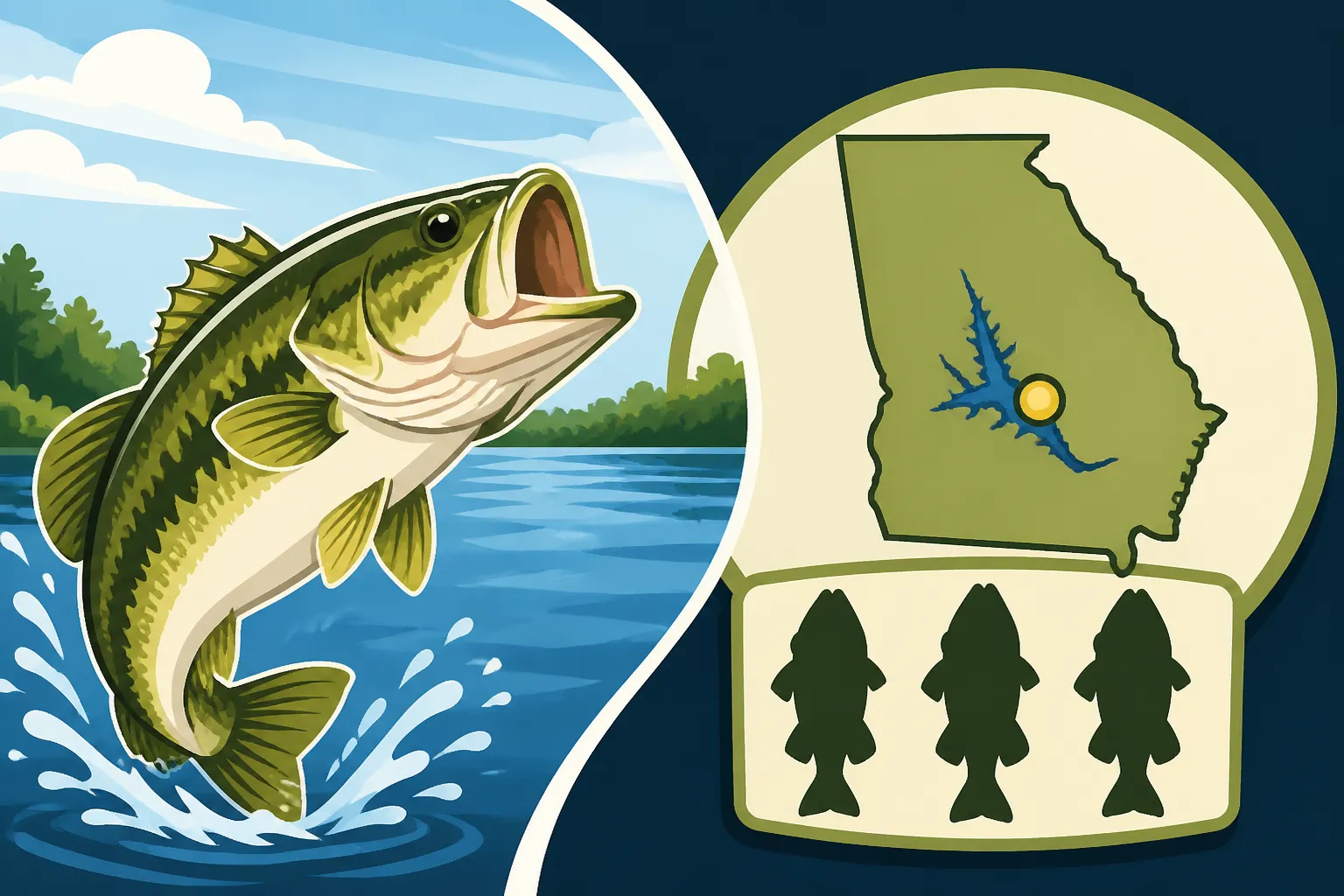
Lake Lindsay Grace isn't just another body of water in Georgia; it's a prime example of intensive fisheries management in action. This 110-acre lake, located within the Paradise Public Fishing Area (PFA) near Tifton, is designed to be a premier fishing destination, especially for anglers seeking quality bass. The Georgia Department of Natural Resources (DNR), through its Wildlife Resources Division, actively manages these PFAs to provide exceptional angling opportunities, often employing specific regulations to achieve ambitious goals.
Lake Lindsay Grace's Specific Management Goals
The overarching goal for Lake Lindsay Grace is to cultivate a trophy bass fishery. Unlike many other lakes that might aim for a balanced population with a good number of keepers, Lake Lindsay Grace is managed to produce bigger, healthier bass, giving anglers a legitimate shot at catching a fish of a lifetime. To achieve this, the lake employs a highly specific bass slot limit: all largemouth bass between 15 and 22 inches in length must be immediately released. This is a critical piece of information for anyone planning a trip, as you'll want to be familiar with these rules before you ever wet a line. In fact, many anglers specifically seek out information on Releasing 15 to 22 Inch Bass at Lake Lindsay Grace to ensure they understand the nuances.
What does this mean for your cooler? You are allowed to harvest bass that are under 15 inches or over 22 inches. This might seem counterintuitive at first glance – why keep the small ones and the giants, but let the middle-sized ones go? The answer lies in population dynamics and growth rates. By removing smaller bass, the lake reduces competition for food among the remaining fish. This means the bass that are currently in that "protected slot" (15-22 inches) have more resources to grow quickly and reach larger sizes. Allowing the harvest of bass over 22 inches is often a reward for anglers but can also be a way to manage the population of older, potentially less productive fish, or to remove fish that have already achieved their maximum growth potential and might be declining in health. This careful balancing act is what makes Lake Lindsay Grace a unique gem within Georgia's fishing landscape.
How Biology and Habitat Influence Bass Management
The success of a slot limit system like the one at Lake Lindsay Grace is deeply tied to the lake’s specific biology and habitat. Lake Lindsay Grace is managed as a relatively fertile impoundment, meaning it has a good forage base to support a healthy bass population. The DNR stocks forage fish, such as bluegill and shad, to provide ample food for the growing bass. The lake's structure, including submerged timber, aquatic vegetation, and varying depths, also provides excellent habitat for bass at all life stages, offering places to hide, feed, and spawn.
The slot limit works in conjunction with these biological and habitat factors. By removing smaller bass, fisheries managers are essentially "thinning the herd," ensuring that the protected 15-22 inch bass have less competition for the abundant forage. This allows these mid-sized fish to put on weight and length at an accelerated rate, moving them towards that coveted 22+ inch trophy size. Without this intervention, an unchecked population of bass might lead to an abundance of smaller fish, none of which reach their full growth potential due to overcrowding and insufficient food. It’s a proactive approach to ensure that the lake continues to deliver on its promise of quality bass fishing. Anglers visiting any of Georgia's Public Fishing Areas (PFAs) will often find similar, though perhaps not identical, intensive management strategies, as explained in guides like the Public fishing area bass size limit in Georgia.
Navigating the Lake Lindsay Grace Bass Slot Limit in Practice
When you're out on the water at Lake Lindsay Grace, understanding and correctly applying the slot limit is paramount. It’s not just about following the rules; it’s about contributing to the sustained health and quality of this unique fishery. A few inches can make all the difference between a fish you can take home and one you absolutely must release.
Interpreting the "No Keeping 15 to 22 Inch Bass" Rule
Let’s break down exactly what the 15- to 22-inch slot limit means when you reel in a bass.
- If you catch a bass under 15 inches: You are permitted to keep this fish, up to the daily creel limit for bass. The idea here is that these smaller fish are often abundant and removing some helps reduce competition, giving the remaining fish a better chance to grow into the protected slot.
- If you catch a bass between 15 and 22 inches (inclusive of 15 and 22): You must release this fish immediately and unharmed. This is the "slot" – these are the fish that fisheries managers want to protect, allowing them to continue growing into trophy size. These are the future giants of Lake Lindsay Grace.
- If you catch a bass over 22 inches: You are permitted to keep this trophy fish, again up to the daily creel limit. This allows anglers to harvest truly large bass that have already passed through the protected slot and reached an impressive size. It’s a reward for patience and skill, and allows anglers to ask questions like Can you keep a bass over 22 inches at Lake Lindsay Grace? with a clear "yes."
This system is quite distinct from the standard Georgia Fishing Regulations Explained that many anglers are used to, which often only feature a minimum length. The specific rules for Lake Lindsay Grace are a testament to the focused management efforts aimed at creating a truly exceptional bass fishing experience.
Here’s a simple table to illustrate the slot limit:
| Bass Length | Action Required (Lake Lindsay Grace) | Rationale |
|---|---|---|
| Under 15 inches | Can be harvested (up to daily limit) | Reduces competition, allows remaining bass to grow larger. |
| 15 to 22 inches | Must be immediately released | Protects prime growing fish, ensuring they reach trophy potential. |
| Over 22 inches | Can be harvested (up to daily limit) | Rewards anglers with trophy fish, manages older fish population. |
Practical Tips for Anglers Fishing Lake Lindsay Grace
Successfully navigating the slot limit at Lake Lindsay Grace requires a bit of preparedness and mindfulness on your part.
- Carry a Reliable Measuring Device: This is non-negotiable. A sturdy, easy-to-read fish ruler or measuring board is essential. You can find excellent options on Amazon, often with lip grips to make measuring easier and safer for both you and the fish. Accuracy is key – an inch here or there can mean the difference between a legal catch and a violation.
- Practice Careful Fish Handling: Since many fish will need to be released, especially those in the protected slot, it's vital to handle them with care. Minimize their time out of water, use wet hands when handling, and support their body weight. If you're going to use tools, make sure you have appropriate ones.
- Be Aware of Daily Creel Limits: Even with the slot limit, the statewide daily creel limit for bass still applies. Make sure you know How many bass can you keep per day in Georgia, and adjust your harvest based on the Lake Lindsay Grace slot.
- Check Current Regulations: While this guide provides the current information, fishing regulations can change. Before heading out, always double-check the latest rules on the Georgia Wildlife Resources Division website or consult the current Georgia Fishing License Guide for any updates.
- Choose Appropriate Gear: Using the right gear, such as the Best Rods and Reels for Georgia Largemouth Bass, can also aid in efficient and safe catch and release. Ensure your tackle is robust enough to land fish quickly, minimizing their fight time and stress. Consider carrying a quality pair of pliers or forceps, often available on Amazon, for easy hook removal. Many anglers also find a good quality scale from Amazon useful for accurately weighing their catches before release or harvest.
Broader Implications for Georgia Bass Fishing
Lake Lindsay Grace’s unique bass slot limit offers a fascinating case study in how targeted fisheries management can shape a specific angling experience. While it's an outlier in terms of regulation complexity, it highlights the diversity of fishing opportunities available across the state and the thoughtful work that goes into maintaining them.
Comparing Lake Lindsay Grace to Other Georgia Bass Regulations
As we’ve discussed, the 15- to 22-inch slot limit at Lake Lindsay Grace is a highly specialized regulation. Most other major bass fisheries in Georgia, such as Lake Allatoona, Lake Lanier, or Lake Oconee, adhere to simpler minimum size limits. For instance, many popular reservoirs enforce a 14-inch minimum length for largemouth bass, meaning any bass 14 inches or longer can be kept. This is a crucial distinction, as highlighted in " Reservoirs with a 14-Inch Bass Minimum in Georgia," because it reflects different management objectives. A 14-inch minimum aims to protect juvenile fish and allow them to reach reproductive maturity, while Lake Lindsay Grace's slot limit is designed to sculpt the entire bass population structure for trophy potential.
This difference isn't arbitrary; it reflects the specific characteristics and management goals of each water body. A vast, sprawling lake like Lanier, with heavy fishing pressure, might benefit more from a simpler, easily enforceable minimum length. A smaller, intensively managed PFA like Lake Lindsay Grace, with a dedicated management plan, can implement a more intricate slot limit to foster a very particular type of fishery. Anglers traveling between these different waters need to be vigilant about checking the local rules. Getting caught with the wrong-sized fish can lead to significant penalties, making it all the more important to understand individual lake regulations. Before your next trip, it’s always a good idea to consult A Complete Guide to Fishing in Georgia to get a general overview of the state's diverse regulations.
The Role of Fisheries Management in Creating Diverse Opportunities
The existence of a specialized regulation like the Lake Lindsay Grace slot limit underscores the importance of active fisheries management in providing diverse angling opportunities. Not every lake has to be a trophy bass haven, and not every angler is looking for the same experience. Some prefer lakes where they can catch a high number of smaller bass, while others dream of landing a true giant. Fisheries managers strategically implement regulations, stocking programs, and habitat improvements to cater to these varied preferences.
The slot limit at Lake Lindsay Grace is a prime example of creating a niche fishery. It tells anglers, "Come here if you want a shot at a genuinely big bass, and be prepared to participate in its conservation." This dedication to specialized management means that Georgia can offer something for everyone. Whether you're targeting crappie on Lake Sinclair, trout in the North Georgia mountains, or aiming for a record largemouth, understanding these nuances enhances your experience and appreciation for the resource. You might even discover a new favorite type of fishing, perhaps by experimenting with different fishing line on Amazon to better handle larger catches, or researching other Best Bass Fishing Lakes in Georgia that employ different strategies. The diversity in regulations, from the simple to the complex, is what makes fishing in Georgia so consistently engaging.
Remember, every time you adhere to a slot limit, you're not just following a rule; you're actively participating in the management of that fishery. You're helping those 15- to 22-inch bass grow into the trophy-sized monsters that make Lake Lindsay Grace such a special place to fish. It’s a collective effort, and with a little preparation (perhaps picking up a selection of proven bass lures available on Amazon), you can fully enjoy the unique challenges and rewards this lake has to offer.
Disclaimer
Please note that fishing regulations are subject to change. While every effort has been made to provide accurate and up-to-date information, it is always the angler's responsibility to consult the latest official regulations from the Georgia Department of Natural Resources, Wildlife Resources Division before engaging in any fishing activities.